

Choosing a battery for solar work is less about chasing big numbers and more about matching the chemistry, size, and return policy to how you live. A weekend camper, an off-grid cabin, and a garage backup setup all ask for different things, and the wrong match gets annoying fast. You want something that fits the system you already have, charges the way your controller expects, and handles storage without drama.
The eight picks below cover sealed AGM options, lithium upgrades, and compact solar kits with the battery included. That makes it easier to match a setup to a trailer, a small home energy bank, or a simple starter project without sorting through a pile of mismatched parts.
Quick Look At The Shortlist
Mighty Max Battery 12V 100Ah VRLA

ECO-WORTHY 200 Watt 12V Solar Starter Kit

VEMDIA 12V 100Ah LiFePO4 Group 31 Battery

Mighty Max Battery 12V 200Ah 4D AGM
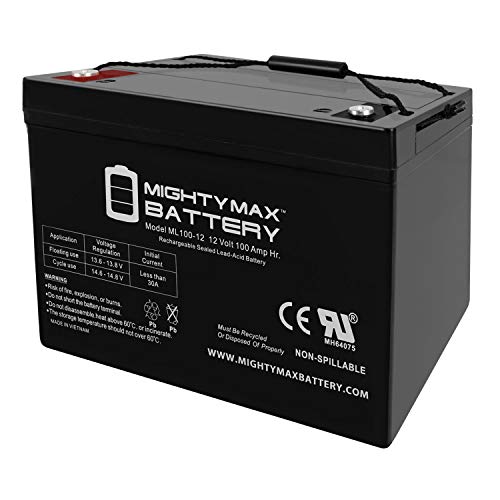
Mighty Max Battery 12V 100Ah AGM

Dyness 12V 100Ah LiFePO4 Battery 2-Pack

ECI Power 100W 12V Solar Kit

ExpertPower 100W 12V Solar Kit with Gel Battery
More Details On Our Top Picks
Sealed VRLA batteries like this one fit neatly into backup cabins, small shed systems, and older solar setups that need a straightforward 12-volt bank. The 100Ah size gives you a familiar middle ground, which is handy for modest lighting loads or weekend use without pushing into a bulky footprint.
The trade-off is simple: sealed lead-acid style storage stays heavier than lithium, so your install space and lifting comfort matter. That said, the return window from the listing helps soften the risk for a first-time system refresh, and the 12V, 24V, or 48V compatibility note matters to anyone building around existing gear.
Strong Points
- Sealed design keeps routine upkeep low.
- 100Ah capacity suits modest daily loads.
- Fits several common system voltages.
- Good match for stationary backup use.
Things To Consider
- Heavier than a lithium battery of similar capacity.
- Works best where weight is less of a concern.
- AGM-style batteries reward careful charging setup.
Feature Snapshot
Who It Suits Best
Homeowners and cabin users who want a familiar sealed battery with flexible voltage options will get the most from it.
Where A Sibling Pick Shines
Mighty Max Battery 12V 100Ah AGM suits you better if you want a similar sealed format with a simpler off-grid solar focus and do not need the multi-voltage wording.
Starter kits like this simplify the first solar build because the panel, controller, battery, and inverter come in one bundle. For an RV owner or a new off-grid setup, that removes a lot of guesswork around parts matching, which is often where people slow down.
Compared with the standalone batteries above, this package is for someone who wants a working system path rather than a single storage box. The lithium battery inside the kit is a useful step up for lighter weight and more modern chemistry, though the whole bundle only makes sense when you want the included inverter and controller as much as the battery itself.
Highlights
- Bundle approach reduces part-matching stress.
- Includes battery, controller, and inverter.
- Good starting point for mobile power.
- Useful for buyers building from scratch.
- Single package suits compact RV storage.
Worth Noting
- Bundle format adds pieces you may already own.
- Best for full-system builds, not battery swaps.
- Space planning matters in small rigs.
At A Glance
Made For
RV travelers and first-time off-grid builders who want a bundled path into solar power will appreciate the layout.
Look Elsewhere When
Mighty Max Battery 12V 100Ah VRLA is the cleaner fit for someone replacing only a battery inside an existing bank.
Lithium iron phosphate, often shortened to LiFePO4, is the chemistry many solar shoppers move toward after living with heavier sealed batteries. This Group 31 format helps in RV bays, home backup cabinets, and off-grid builds where footprint and cycle life matter together.
The built-in battery management system, or BMS, is the part that handles cell protection and keeps the pack operating within its intended range. That extra control helps in real use, especially for daily cycling, but the trade-off is a more specialized battery that deserves proper charger and system matching.
Upsides
- Lighter feel than many sealed lead-acid options.
- Group 31 sizing suits common replacement spaces.
- BMS adds an important layer of control.
- Made for frequent charge and discharge use.
- Good fit for modern solar banks.
Room For Improvement
- Needs a system that suits lithium charging.
- More specialized than a plain AGM swap.
- Best value shows up over repeated use.
Quick Facts
Best Suited To
Frequent cyclists, RV owners, and off-grid users who want a lighter lithium upgrade will get the most from it.
Swap It Out When
Dyness 12V 100Ah LiFePO4 Battery 2-Pack is the better fit for someone planning a larger two-battery setup from the start.
A 200Ah 4D battery sits in a different lane from the 100Ah picks because it gives a much larger storage block for a fixed solar bank. That makes it a strong match for properties, backup stations, or larger power sheds where space is available and the battery does not need to move often.
The 4D case size also signals a substantial footprint, so placement and handling matter more than they do with the compact Group 31 lithium option above. The honest read is that this is for steady, stationary use, not for anyone who needs to lift the battery around a lot.
Best Bits
- Large 200Ah capacity supports bigger loads.
- Sealed AGM format keeps routine upkeep simple.
- Stationary systems benefit from the generous reserve.
- Good match for larger battery enclosures.
Minor Gripes
- Size makes placement planning important.
- Heavy enough to favor fixed installations.
- Not the easiest choice for mobile systems.
Details At A Glance
Whose Shelf It Belongs On
Stationary solar owners who want a large sealed battery bank and have room for the size will appreciate this one.
A Better Fit Elsewhere
VEMDIA 12V 100Ah LiFePO4 Group 31 Battery suits compact RV or lighter-duty builds where weight matters more than raw reserve.
This 100Ah AGM option keeps the formula straightforward, which is exactly why many off-grid systems start here. It sits close to the first Mighty Max pick, though this version is positioned more directly around off-grid solar panels rather than a broader voltage note.
For a shed, a small cabin, or a budget-conscious backup bank, that kind of plain setup can feel reassuring. The trade-off is the same one you see with most AGM batteries, namely the heavier build and the need to plan around fixed placement.
Positives
- Simple 12V format is easy to plan around.
- 100Ah size works for modest solar storage.
- Sealed design helps reduce routine attention.
- Good for straightforward off-grid panel banks.
Points To Note
- Weight is part of the AGM trade-off.
- Best suited to stationary setups.
- More basic than lithium alternatives in this list.
Core Details
Right Fit For
DIY solar hobbyists and small off-grid setups that want a plain sealed battery will find this easy to slot in.
Another Choice May Suit
Mighty Max Battery 12V 100Ah VRLA is the better call if you want the same brand with wider voltage compatibility wording.
Two Group 31 lithium batteries in one listing make this feel more like a system-building move than a single replacement part. That suits larger RV electrical plans, home energy storage projects, and off-grid setups where you know the bank will grow.
The built-in low-temperature protection and 100A BMS matter most in real-world use, because they help the pack stay within its intended operating window. Compared with the single VEMDIA pack, this option is more compelling for someone who wants matching batteries ready from the start, even though the upfront commitment is naturally larger.
Bright Spots
- Two-pack format helps build a larger bank.
- LiFePO4 chemistry suits frequent cycling.
- Low-temp protection adds practical cold-weather control.
- 100A BMS supports managed operation.
- Group 31 fit helps with familiar installs.
Areas To Watch
- Two batteries mean more planning up front.
- Best for systems meant to expand.
- Less sensible for a tiny backup box.
Technical Sheet
Built With In Mind
Home energy planners and RV users who want to grow into a larger lithium bank will get the most value here.
Where A Sibling Pick Shines
VEMDIA 12V 100Ah LiFePO4 Group 31 Battery is the easier fit for a single-battery swap in a tighter space.
Small trailers and camper builds benefit from a kit that stays compact without feeling underbuilt. This one pairs a 100W monocrystalline rigid panel with a 20Ah LiFePO4 battery and a 10A PWM controller, so the parts stay easy to map out in a tight space.
Compared with the ECO-WORTHY bundle, this package is simpler and lighter in scale, which helps when your goal is a modest solar project rather than a full mobile power station. The battery size is better for light-duty loads than heavy evening use, so it works best when your power habits stay restrained.
Reasons To Buy
- Compact layout suits smaller storage areas.
- Includes panel, battery, and controller.
- LiFePO4 battery keeps the kit modern.
- Easy to understand for basic solar projects.
Softer Spots
- 20Ah capacity limits longer runtime.
- Better for light loads than larger appliances.
- Best when your energy needs stay modest.
Feature Rundown
The Right Fit
Trailer owners, camper van tinkerers, and small off-grid project builders will likely find the size easy to work with.
Consider Something Else When
ExpertPower 100W 12V Solar Kit with Gel Battery is the better call for someone who prefers a slightly larger 21Ah gel battery in the same basic kit style.
Gel batteries have a steady, familiar feel in basic solar kits, and that can be appealing for a small backup setup or a casual off-grid project. The 100W panel and 10A controller keep the system plain enough for everyday use without drifting into complicated wiring.
Relative to the ECI Power kit, this one gives you a 21Ah gel battery instead of lithium, so the feel is a little more traditional and less about modern chemistry. That trade-off suits someone who wants a straightforward starter path and does not need the lighter weight of LiFePO4.
Best Bits
- Clear starter-kit format keeps planning simple.
- 21Ah gel battery suits light backup needs.
- 100W panel works for modest solar input.
- Good match for basic seasonal use.
Small Caveats
- Less storage than larger battery options.
- Not the choice for heavy appliance use.
- Best for small, predictable power needs.
Core Details
Who Should Grab It
Small-property owners and casual solar tinkerers who want a plain, low-fuss kit will appreciate the simple setup.
Reach For A Different Pick When
ECI Power 100W 12V Solar Kit is the better match if you want LiFePO4 storage instead of gel.
How To Choose The Right Battery For Solar Power System
Chemistry Comes First
AGM and gel batteries stay familiar and usually fit simpler systems, while LiFePO4 brings lighter weight and stronger cycling habits. That difference matters most in daily use, because a cabin battery that sits in place all year does not need the same profile as an RV battery that charges and discharges often.
Lead-acid style batteries also tend to need more attention to weight and placement. Lithium costs more up front in most cases, but the lower weight and longer-use profile can make the swap feel calmer over time.
Match The Battery To The Load
A 100Ah battery sounds generous, yet the real question is what your lights, fans, inverter, or fridge actually ask for. Small loads in a weekend shed can live happily with modest capacity, while a home backup bank or larger RV setup usually needs more reserve or multiple batteries.
Think in terms of routine habits, not just emergency use. A setup that only runs a few lights is a different animal from one that supports evening cooking, device charging, and a water pump.
Check The Control Gear Too
The battery is only part of the picture. Your charge controller, inverter, and wiring need to match the battery chemistry and voltage, or the system starts feeling temperamental.
That’s where the bundled kits earn their keep, since they reduce the chance of mismatched parts. For DIY solar projects, a clean parts list often matters more than chasing a huge capacity number on its own.
Think About Space, Weight, And Maintenance
Large AGM batteries are usually better for fixed setups with room to spare, while compact lithium packs suit tighter compartments and easier handling. Maintenance also differs, because sealed batteries stay simple but heavier, and lithium asks more from the charging setup while giving you a lighter package.
For trailers, mobile work rigs, and small cabins, the physical size can matter as much as the electrical rating. A battery that fits the compartment neatly often proves more useful than a technically bigger one that creates installation headaches.
Things Worth Knowing First
Wrong Turns To Avoid
One common mistake is buying a battery before checking voltage and controller compatibility. Another is treating a bundle kit like a drop-in replacement, because a complete kit makes sense only when you also need the panel and inverter.
Capacity gets overestimated too often. A small gel battery can be enough for light backup, but it won’t feel roomy in a setup that runs power tools or a hungry appliance.
The Upgrade Payoff
Higher-tier lithium batteries usually cost more because of the chemistry, built-in battery management, and better handling of repeated cycling. That extra money often makes sense for RV owners, frequent off-grid use, and anyone who dislikes heavy lifting.
Starter kits also rise in cost as they add panels, controllers, and inverters to the mix. Paying up starts to make sense when you want one clean package instead of piecing together a system a component at a time.
Frequently Asked Questions
What size battery works for a small solar setup?
A 100Ah battery is a common starting point for modest loads. Smaller kits around 20Ah suit light use and short runtime needs.
Is lithium better than AGM for solar use?
Lithium usually weighs less and handles repeated cycling more comfortably. AGM can still make sense for fixed installs where simplicity matters more than weight.
What does BMS mean on a lithium battery?
BMS stands for battery management system. It helps manage the pack’s operating limits during use.
Do starter kits work for RV travel?
Yes, bundled kits can suit RV travel when your power needs are modest and the included parts match your space. Larger loads call for more careful sizing.
Why does battery size matter so much?
Battery size affects runtime, weight, and installation space all at once. A battery that fits the compartment well usually feels easier to live with every day.
Closing Thoughts
The right battery for your solar setup depends on how much room you have, how often you cycle it, and whether you want a simple sealed battery or a lighter lithium step up. The Mighty Max AGM picks make sense for steady stationary use, while the VEMDIA and Dyness lithium options suit more active systems. Starter kits from ECO-WORTHY, ECI Power, and ExpertPower are useful when you want the full path, not just the battery. Choose the one that matches your space and habits, and the rest of the system gets easier.
