

Picking the right Battery For Solar comes down to how much power you need, how often you use it, and how much space you have to work with. A small garden-light pack solves a very different problem from a 48V server-rack unit or a 100Ah RV bank, so the details matter. The eight picks below cover everything from simple outdoor lighting to larger off-grid storage, with honest trade-offs spelled out so you can match the battery to the job.
The Shortlist At A Glance

dumfume 24V 100Ah LiFePO4 Battery

ECO-WORTHY 12V 100Ah LiFePO4 Battery with Bluetooth

ECO-WORTHY 12V 20Ah LiFePO4 Battery

JiajaX Ni-MH AA 600mAh Solar Batteries 4-Pack

Howardly Ni-MH AA 600mAh Solar Light Battery 12-Pack

dumfume 12V 100Ah LiFePO4 Group 31 Battery
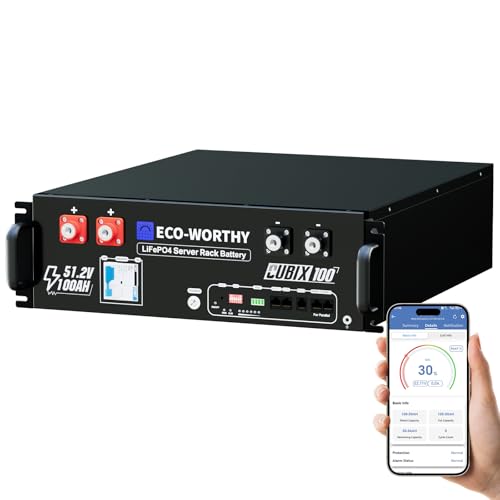
ECO-WORTHY Cubix100 48V 100Ah LiFePO4 Battery
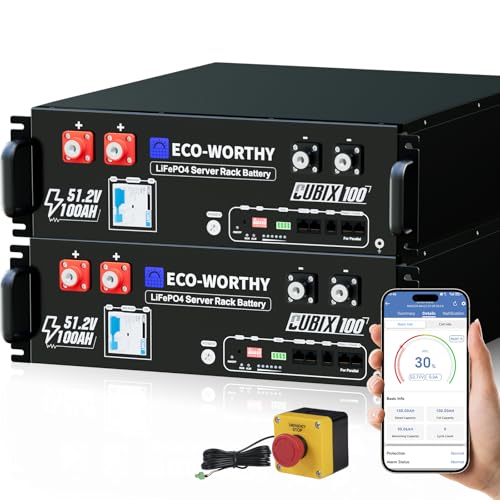
ECO-WORTHY Cubix100 48V 200Ah LiFePO4 Battery 2-Pack
More Details On Our Top Picks
A 24V battery like this suits a serious solar setup, especially where you want fewer parallel connections and steadier output for larger loads. The built-in 100A battery management system, or BMS, helps keep the pack within its operating limits, and the low-temperature protection matters in cold garages, cabins, or shoulder-season RV use.
The trade-off is size and cost of entry, because a higher-voltage bank makes more sense in a planned system than in a casual weekend build. For off-grid homes, marine cabins, and RV owners running inverters, that 2560W output figure gives you a clearer sense of the headroom than a small lantern battery ever could.
Strong Points
- 24V output fits larger solar banks with less wiring clutter.
- 100A BMS adds an important layer of pack management for everyday use.
- Low-temperature protection helps in cool storage spaces and seasonal cabins.
- The power rating suits heavier loads better than small portable packs.
- Deep-cycle chemistry fits repeated charging and discharging in regular off-grid use.
Things To Consider
- It makes more sense in a planned system than in a tiny starter setup.
- The format asks for a little more space and cable planning.
- Long-term storage still needs normal lithium battery care, not neglect.
Feature Snapshot
Who It Suits Best
You benefit most here if your solar setup already includes an inverter, a larger battery bank, or an RV system that sees regular use.
Where A Sibling Pick Shines
ECO-WORTHY 12V 100Ah LiFePO4 Battery with Bluetooth fits smaller builds better, especially when you want app-based monitoring and a simpler 12V layout.
Bluetooth monitoring changes the day-to-day experience here, because you can check voltage, current, and remaining capacity from your phone instead of guessing from a fixed display. That’s useful in a fishing boat, RV, or home storage cabinet where quick status checks feel a lot cleaner than pulling panels apart.
The 12V format keeps it easier to fit into common systems than the 24V dumfume pick above, and the Group 24 sizing helps it suit more standard battery trays. The app-based troubleshooting angle is the real hook, especially for DIY solar owners who want fewer mysteries in a mixed battery bank.
What We Like
- Bluetooth 5.1 gives you remote status checks from a phone.
- Voltage, current, and capacity data help you manage power more calmly.
- Group 24 sizing makes fitment easier in many common battery trays.
- Built-in 100A BMS supports regular lithium use in solar and marine setups.
- The battery bank expansion support suits people building larger systems over time.
Points To Note
- The app is useful, but it also adds another layer to learn.
- Phone monitoring helps most when your phone stays charged and nearby.
- Like any lithium pack, it still benefits from sensible storage and wiring care.
Quick Facts
Built With In Mind
You fit this best if you want a 12V battery with phone monitoring for a boat, RV, or compact home energy setup.
Another Choice May Suit
dumfume 24V 100Ah LiFePO4 Battery suits larger solar installs more naturally, especially where you want a higher-voltage layout from the start.
Small gear wants a small battery, and that’s where this 20Ah ECO-WORTHY model makes sense. It suits fish finders, ham radios, and camping electronics better than the heavier 100Ah packs, because you’re not carrying extra capacity you’ll never touch.
The built-in BMS helps keep things orderly, and the deep-cycle design is the part that matters for repeat charging during weekends or field trips. You may find the lower capacity limiting for anything beyond compact electronics, but that’s the point, really, it stays easy to move and easier to slot into a portable power kit.
Upsides
- Light capacity keeps it practical for portable electronics.
- Built-in BMS supports cleaner charging behavior in regular use.
- 4000-plus deep cycles suit repeated field and camping trips.
- The size works well in small enclosures and carry-friendly setups.
Areas To Watch
- It is not the right size for large inverters or full-home loads.
- Smaller capacity means less runtime for power-hungry gear.
- Portable use still calls for sensible connector and cable choices.
At A Glance
Right Fit For
You benefit most from this battery if your setup centers on a fish finder, ham radio, or camping kit that values portability first.
Swap It Out When
ECO-WORTHY 12V 100Ah LiFePO4 Battery with Bluetooth is the better match for bigger RV or marine systems that need longer runtime.
Outdoor lights usually need a simple AA replacement, not a full lithium bank, and this JiajaX pack fits that narrower job well. The 600mAh rating is modest, but for solar path lights and small lamps, the lower capacity is part of what keeps the battery compact and easy to swap.
Pre-charging and low self-discharge are the useful traits here, since garden lights often sit idle between evening cycles. You do need to match the AA size and 1.2V Ni-MH chemistry carefully, because alkaline cells or mismatched formats can leave a fixture behaving oddly.
Best Bits
- AA size fits many outdoor solar light fixtures.
- Pre-charged cells make installation straightforward out of the box.
- Low self-discharge supports better readiness between uses.
- Compact form keeps replacement simple for garden-light maintenance.
Small Caveats
- Small capacity limits runtime in larger or brighter fixtures.
- The battery only works well where AA 1.2V Ni-MH cells belong.
- Outdoor fixtures still need clean contacts and weather-aware upkeep.
Core Details
Made For
You benefit most if your solar path lights or lawn lamps take standard AA Ni-MH cells and you want an easy replacement cycle.
A Better Fit Elsewhere
Howardly Ni-MH AA 600mAh Solar Light Battery 12-Pack fits larger yard-light runs better because you get more cells for a wider fixture set.
This 12-pack is the practical one for bigger yard-light arrays, because you can refresh several fixtures at the same time. The 1.2V Ni-MH format keeps it aligned with the sort of outdoor lanterns and ground lights that rely on standard rechargeable AAs.
The honest read is that it’s still a low-capacity light battery, so runtime depends heavily on the fixture’s draw and panel size. For regular lawn lamps, though, having a dozen matching cells in one go makes maintenance feel more organized and less piecemeal.
Highlights
- 12-pack count works well for multiple solar fixtures.
- AA form factor keeps swaps simple and familiar.
- Pre-charged design helps with first installation.
- Low self-discharge suits lights that sit unused during the day.
- Good fit for routine backyard lamp upkeep.
Honest Caveats
- It is still designed for light-duty outdoor use.
- Battery life depends a lot on the fixture and its solar panel.
- Outdoor contacts and battery wells need periodic cleaning.
Details At A Glance
Who Should Grab It
You benefit most if your yard has several solar lamps and you want one replacement set that covers them in a single pass.
Look Elsewhere When
JiajaX Ni-MH AA 600mAh Solar Batteries 4-Pack makes more sense for a smaller fixture count or a simple first replacement.
Group 31 sizing gives this dumfume battery a sturdier, more universal fit than the tiny AA options above, and that matters in RV, marine, and camping setups. The IP65 rating means dust resistance and protection against water jets, so it suits harsher storage spots better than a plain indoor pack.
The 100A BMS and low-temperature protection point it toward serious repeat use, not just occasional backup. You may still need to plan the physical fit carefully, because a Group 31 case is meant for real battery compartments, not improvised shelves.
Positives
- Group 31 size works with many vehicle and marine battery spaces.
- IP65 rating adds useful protection in demanding environments.
- Low-temperature protection helps in cooler storage conditions.
- 100A BMS supports regular cycling for solar and RV setups.
- 1280Wh gives you a clearer sense of stored energy for planning.
Room For Improvement
- Larger case size needs proper compartment planning.
- Heavier systems often need more careful cable routing.
- Like any battery used outdoors, terminal upkeep still matters.
Feature Rundown
The Right Fit
You fit this best if your RV, boat, or off-grid cabin needs a 12V battery with a tougher enclosure and more defined energy planning.
Reach For A Different Pick When
ECO-WORTHY 12V 100Ah LiFePO4 Battery with Bluetooth suits you better when phone monitoring matters more than case ruggedness.
The Cubix100 format moves into server-rack territory, so this one belongs in a more structured solar storage setup than a casual portable build. Bluetooth and WiFi support make day-to-day monitoring easier, and that helps a lot in whole-home backup systems where you want status data close at hand.
Compared with the 12V batteries earlier in the list, this 48V unit trims current draw for the same power level, which can simplify larger system design. The trade-off is obvious, though, because it asks for a more deliberate installation and a place that suits rack-style gear.
Reasons To Buy
- 48V storage fits serious home backup and solar banks.
- Bluetooth and WiFi support make status checks more convenient.
- Server-rack shape suits organized equipment rooms.
- 5120Wh gives you substantial storage planning headroom.
- Listed status details add confidence for structured installations.
Worth Noting
- Rack-style gear is not as casual to place as a simple 12V pack.
- You need a setup that is built for larger storage equipment.
- Installation planning matters more here than with smaller batteries.
Technical Sheet
Whose Shelf It Belongs On
You fit this best if your solar storage lives in a dedicated equipment space and you want remote monitoring in a larger backup system.
Where Shoppers Go Wrong
dumfume 12V 100Ah LiFePO4 Group 31 Battery suits simpler vehicle or cabin installs better, especially when you do not need rack-style hardware.
At this size, the Cubix100 2-pack is for larger backup plans, not casual solar tinkering. The 48V 200Ah configuration gives you a serious storage pool, and the Bluetooth support keeps it practical once the system is installed and running.
Compared with the single 48V Cubix100 above, this package is the more expansion-minded route for homes and larger off-grid power rooms. The honest trade-off is footprint and planning, since big storage only stays useful when the installation is thought through from the start.
Best Bits
- Large 48V storage suits heavier backup requirements.
- Two-battery pack supports more ambitious system planning.
- Bluetooth makes status checks more convenient after installation.
- Server-rack format keeps a larger system organized.
- Strong fit for structured home energy storage rooms.
Softer Spots
- The setup asks for meaningful space and layout planning.
- It makes more sense for dedicated systems than improvised installs.
- More capacity also means more attention to cables and placement.
Core Details
Perfect Match For
You fit this best if your solar backup system is moving beyond starter size and you want a higher-capacity rack setup.
Not Your Match When
ECO-WORTHY Cubix100 48V 100Ah LiFePO4 Battery is the simpler fit for smaller equipment rooms or first-time rack installations.
How To Choose The Right Battery For Solar
Match Voltage To The System
Voltage shapes the whole layout. A 12V battery works well for small RVs, boats, and modest home backup circuits, while 24V and 48V systems make more sense once you’re building around larger inverters or longer cable runs. Higher voltage usually means lower current for the same power, which can reduce strain on wiring and help larger setups stay cleaner.
The trade-off is complexity. A 48V rack battery feels very different from a simple AA solar cell, and the installation space needs to match the plan.
Size Capacity To Daily Use
Capacity tells you how long the battery can keep a load running, so the real question is what you power each day. A 20Ah pack fits fish finders and radios, while 100Ah units suit RV appliances, marine electronics, and small off-grid systems that need more breathing room. Bigger capacity also means more weight, more space, and more planning.
Think in routines, not slogans. A battery for porch lights, campsite gear, or a cabin fridge each solves a different problem, even before you look at chemistry.
Choose Chemistry For The Job
LiFePO4, or lithium iron phosphate, is the main chemistry here for the larger packs because it handles repeated charging well and usually keeps systems lighter than older battery styles. Ni-MH, short for nickel metal hydride, belongs in AA solar light replacements where the load is small and the fixture expects 1.2V cells.
That split matters. You would not use a garden-light AA pack for an inverter, and you would not install a rack battery in a path lamp.
Think About Monitoring And Environment
Bluetooth and WiFi monitoring are genuinely useful in a battery bank you check often, especially in boats, RVs, or a home energy room. Low-temperature protection matters in seasonal spaces, and IP65-style sealing helps in dustier or wetter placements.
Those features add convenience, but they also tend to push the price up. For a basic lamp circuit, simple and low-cost makes more sense; for a larger solar system, the extra visibility can be worth it.
Things Worth Knowing First
Wrong Turns To Avoid
Shoppers often mismatch voltage and fixture type, then wonder why the system feels off. Another common miss is buying too much capacity for a small light or too little for an RV bank, which leaves you with the wrong mix of runtime and footprint.
Another easy mistake is skipping physical fit. Group sizes, rack format, and AA cell dimensions matter just as much as the label on the front.
The Upgrade Payoff
Higher-tier models usually spend the extra money on smarter monitoring, tougher enclosures, larger storage, and better battery management. That shows up most in larger solar setups where you actually use those features every day.
For a backyard lamp, the upgrade does not add much. For a home backup room or a marine battery compartment, it can make the system easier to live with.
Frequently Asked Questions
What type of battery works best for solar lights?
AA Ni-MH cells fit most small solar lights and path lamps. They match the 1.2V format those fixtures usually expect.
Is LiFePO4 better for RV solar setups?
LiFePO4 suits RV solar use well because it handles repeated cycling and usually fits larger power needs better. A 12V or 24V pack depends on how your system is wired.
What does a BMS do?
A BMS, or battery management system, helps control charging and discharging limits. That matters because it supports more orderly day-to-day use.
Does Bluetooth monitoring matter?
It matters most in systems you check often, such as boats, RVs, and home storage rooms. Phone status data can make troubleshooting less of a guessing game.
Should you choose 12V, 24V, or 48V?
12V fits small to mid-size setups and common vehicle use. 24V and 48V make more sense when the system grows larger and the wiring plan gets more serious.
Final Verdict
The right Battery For Solar depends on the scale of your setup, not just the chemistry on the label. Small outdoor lights do best with AA Ni-MH cells, while RVs, boats, and home storage rooms make better use of LiFePO4 packs in 12V, 24V, or 48V layouts. Start with your real load, your available space, and how often you want to check the battery status, then narrow from there. That’s the cleanest way to avoid overspending and end up with a battery that fits your life instead of fighting it.
