

Solar setups live or die by storage, and the wrong battery can turn a useful system into a frustrating one. You need a match for your voltage, space, daily load, and charging style, not just a big number on a product page.
This roundup focuses on batteries and kit-style options that fit RVs, cabins, boats, golf carts, and home backup plans. You’ll see where each pick makes sense, where it asks for a compromise, and which setup type it serves best.
Quick Look At The Shortlist

dumfume 24V 100Ah LiFePO4 Battery, 100A BMS

ECO-WORTHY 12V 100Ah LiFePO4 Battery with Bluetooth

WEIZE 12V 100Ah Deep Cycle Battery, Group Size 31

LOSSIGY 48V Lithium Golf Cart Battery Conversion Kit

ECO-WORTHY 200 Watt 12V Complete Solar Panel Starter Kit
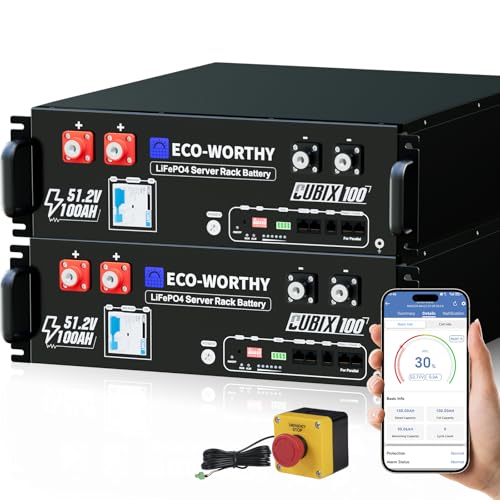
ECO-WORTHY Cubix100 48V 200Ah LiFePO4 Battery

VEMDIA 12V 100Ah LiFePO4 Battery, Group 31

VATRER POWER 48V 100Ah LiFePO4 Battery, Smart Display
More Details On Our Top Picks
A 24V battery makes sense for heavier loads, and this dumfume pack leans into that without getting fussy. The built-in 100A BMS, or battery management system, helps manage charging and discharge behavior, while low-temperature protection matters for colder garages, trailers, and shoulder-season camping.
You also get a high-output design aimed at RV, marine, and off-grid use, so it fits systems that need more than a basic 12V block. The trade-off is that 24V gear usually asks for matching components, so this is a cleaner fit for a planned setup than a casual swap.
Strong Points
- 24V format suits larger solar banks and reduces current draw compared with smaller 12V setups.
- Low-temperature protection adds peace of mind in cold storage spaces and winter travel.
- Built-in BMS simplifies system oversight and helps keep the pack in a tighter operating range.
- Designed for RV, marine, and off-grid use, so the use case is clear from the start.
Things To Consider
- 24V systems need compatible chargers, inverters, and wiring plans, so this is not a casual drop-in for every rig.
- The listing gives less depth on physical fit than some rack-style options, so space planning still matters.
- Owners usually get the best results with a tidy installation, since heavier batteries reward clean cable routing.
Feature Snapshot
Who It Suits Best
You’ll get the most from this one if your RV, boat, or off-grid cabin already runs a 24V layout and you want a strong lithium upgrade.
Where A Sibling Pick Shines
ECO-WORTHY 12V 100Ah LiFePO4 Battery with Bluetooth suits simpler 12V setups and hands-on monitoring better than this higher-voltage pack.
Bluetooth monitoring changes day-to-day use more than most spec sheets admit. From a phone, you can watch voltage, current, and capacity, which helps on long fishing trips or in a van where battery checks need to be quick and low-effort.
Compared with the dumfume 24V pack, this ECO-WORTHY model is easier to slot into common 12V systems and Group 24 spaces. The trade-off is that you get less raw system voltage, yet for many RV and boat setups, that simpler fit is exactly the point.
What We Like
- Bluetooth 5.1 gives you phone-based status checks without opening up the battery compartment.
- The app visibility helps you spot a weak link in a multi-battery bank faster.
- 12V format makes it friendlier for common RV, marine, and household backup layouts.
- Group 24 sizing can help in tighter battery bays where every inch matters.
- Built-in 100A BMS keeps the control hardware inside the pack instead of adding more clutter.
Worth Noting
- Phone monitoring is useful, but it does not replace a solid charging plan or proper wiring.
- DIY banks still need careful balancing, so the app helps with visibility, not magic fixes.
- Owners in rough marine spaces may still want a tidy mounting arrangement to keep connections protected.
Quick Facts
Best Suited To
You’ll like this most if you want a 12V lithium battery with easy phone-based monitoring for an RV, boat, or DIY solar bank.
Another Choice May Suit
VATRER POWER 48V 100Ah LiFePO4 Battery fits control-focused off-grid systems better if you want a higher-voltage platform and a smart display.
The WEIZE pack keeps the pitch straightforward, which is useful in a category that can get crowded with jargon. Group Size 31 matters because physical fit can make or break a replacement, especially in campers, cabins, and marine boxes where space is fixed.
Compared with the Bluetooth-equipped ECO-WORTHY option, this one is more about plain, dependable storage than app-driven tracking. The honest read is that some setups do not need more than that, and a clean 12V deep-cycle battery can be the most practical route.
Bright Spots
- Group Size 31 helps it fit a lot of common battery compartments without creative mounting.
- 12V, 100Ah capacity works for many everyday solar and RV loads.
- 1150A max discharge current gives it headroom for heavier bursts than a very basic battery.
- 3% self-discharge rate supports storage periods better than batteries that bleed down faster.
Minor Gripes
- The listing keeps the feature set plain, so you do not get Bluetooth or app-level monitoring.
- Because transport is regulated, ordering and replacement logistics can feel less flexible than with lighter accessories.
- It suits a conventional battery bay best, so very tight custom builds still need careful measuring.
At A Glance
Who Should Grab It
This suits you best if you want a no-frills 12V deep-cycle battery for an RV, cabin, or backup solar setup.
Skip It When
ECO-WORTHY 12V 100Ah LiFePO4 Battery with Bluetooth is a better fit for anyone who wants live monitoring and easier bank troubleshooting.
A golf cart conversion pack needs more punch than a simple garden-light battery, and this LOSSIGY kit is built around that kind of demand. The 200A Bluetooth BMS and 1000A peak current rating suggest a setup ready for short bursts of hard work, which matters in cart, RV, and solar backup scenarios.
Compared with the 12V picks above, this is for a different class of system altogether. You may find it especially useful where voltage stability and surge handling matter more than compact size, though installation planning is more serious too.
Upsides
- 48V format suits more demanding conversion and off-grid use than the smaller 12V options.
- 200A Bluetooth BMS gives the battery more control headroom for heavier system loads.
- 1000A peak current for 3 to 5 seconds supports sharp startup demands.
- Bluetooth monitoring is helpful for checking battery behavior without opening the compartment.
Areas To Watch
- This is more battery than many casual solar kits need, so the fit has to be intentional.
- 48V systems call for compatible chargers and hardware, which raises the planning bar.
- Golf cart conversions often involve more wiring and mounting work than a simpler portable battery swap.
Core Details
The Right Fit
You’re in the right lane with this one if you’re converting a golf cart or building a 48V solar system that needs strong surge handling.
Where A Sibling Pick Shines
WEIZE 12V 100Ah Deep Cycle Battery is the calmer choice for smaller RV, cabin, or camping systems that do not need 48V hardware.
This kit is less about choosing a single battery and more about skipping a dozen separate purchases. With 200W of panels, a 30A charge controller, a 50Ah lithium battery, and a 600W inverter, you get a simple path toward a basic RV or small off-grid setup.
That makes it especially useful for first-time solar shoppers who want the moving pieces to arrive together. The compromise is obvious, though, because a 50Ah battery is smaller than the 100Ah options in this list, so storage headroom is more modest.
Reasons To Buy
- The bundle saves you from matching each core component on your own.
- The included 30A controller and 600W inverter help shorten the planning stage.
- The 50Ah lithium battery gives you a compact starting point for light duty use.
- Good for a small RV, weekend camper, or backup setup with modest power needs.
Softer Spots
- The battery capacity is lower than the stand-alone 100Ah options here.
- Anyone with heavier evening loads will likely outgrow this kit faster.
- Whole-kit packaging is convenient, yet future upgrades can mean replacing individual parts later.
Feature Rundown
Who It Suits Best
You’ll get the most value from this kit if you want a simple starter system for an RV or small off-grid space.
Reach For A Different Pick When
dumfume 24V 100Ah LiFePO4 Battery is the better route for larger storage needs and a more serious long-term battery-first build.
Server-rack style batteries are built for systems that stay put and do serious work. This ECO-WORTHY Cubix100 setup pairs two 48V 100Ah packs, so it suits home backup or solar storage plans where capacity and organized mounting matter more than portability.
Compared with the smaller 12V options, this is firmly in fixed-install territory. You may find the layout cleaner in a utility room or power closet, although the trade-off is obvious: it asks for more space, more planning, and a more deliberate setup.
Best Bits
- 2-pack 48V 100Ah format adds up to a larger storage platform for home backup use.
- Bluetooth support helps with system visibility across a bigger battery stack.
- Server-rack style design suits organized indoor installs better than loose portable packs.
- The listing points to solar energy storage use, which makes the intent easy to understand.
Points To Note
- This is an indoor-style storage choice, so it is not the same as a grab-and-go RV battery.
- A larger rack system usually involves more installation planning and more room to breathe.
- Because it’s a fixed-power solution, lighter duty users may be paying for more capacity than they need.
Details At A Glance
Whose Shelf It Belongs On
This fits you best if you’re building a fixed solar storage system for home backup and want rack-style organization.
Look Elsewhere When
WEIZE 12V 100Ah Deep Cycle Battery is the better match for portable RV, cabin, or camping setups that need a simpler footprint.
Long cycle life is the headline here, and that matters for a battery you expect to keep working through seasons of camping, home backup, or off-grid use. The Group 31 shape also helps when you’re replacing an existing battery bay without wanting to redesign the whole compartment.
Compared with WEIZE’s more general deep-cycle setup, this VEMDIA unit pushes harder into lithium longevity and low-temp support. For many households and RV owners, that makes it a stronger long-term swap, although the higher-commitment lithium route still deserves proper charging gear.
Highlights
- 8000-plus deep-cycle claim points to a long service life profile.
- Group 31 sizing makes it easier to map into common replacement spaces.
- Low-temperature protection is useful for shoulder-season and colder-climate use.
- 12V, 100Ah format keeps it broad enough for many off-grid and RV systems.
Small Caveats
- Long-life lithium still needs the right charger and system setup to pay off.
- Very basic users may not need the higher-end cycle rating this pack offers.
- Space fit still matters, even with a common Group 31 layout.
Core Details
Made For
You’re in the right place with this one if you want a 12V lithium battery for RV, home energy, or off-grid use and care about long service life.
Where A Sibling Pick Shines
WEIZE 12V 100Ah Deep Cycle Battery is the simpler route for anyone who prefers a more basic, familiar deep-cycle setup.
This VATRER POWER pack leans into control and visibility, not just storage. A touchable smart display plus mobile app support gives you a more active read on your 48V system, which suits off-grid spaces where you like checking status without opening cabinets or guessing from a single meter.
Compared with LOSSIGY’s conversion-focused battery, this one feels more like a monitoring-first power core. That can be a real plus in a permanent solar install, though the added interface makes the setup more appealing to organized system owners than to casual plug-and-play users.
What We Like
- Touch display and mobile app support make routine checks easier.
- 48V format fits larger off-grid and solar setups cleanly.
- Built-in 100A BMS keeps the control hardware integrated.
- 4800W max power output gives the pack a strong working ceiling.
- 5000-plus cycles point to long-term daily use potential.
Trade Offs
- The smart interface adds usefulness, but it also raises the importance of a tidy installation.
- 48V gear needs matching hardware, so this is better for planned systems than quick swaps.
- Rough, portable use does not make as much sense here as it does with simpler 12V packs.
Feature Card
Built With In Mind
This is a strong match for you if your off-grid system benefits from 48V storage, a smart display, and regular status checks.
Swap It Out When
ECO-WORTHY Cubix100 48V 200Ah LiFePO4 Battery fits larger fixed storage plans better if you need more total capacity than a single 48V 100Ah unit.
How To Choose The Right Batteries For Solar System
Match Voltage, Not Just Capacity
Voltage is the first gate to clear. A 12V battery suits many RVs, boats, and small cabins, while 24V and 48V packs work better in larger solar layouts that need lower current for the same power draw. That difference matters because the wrong voltage can force you into extra adapters, different charging gear, or a rebuild you did not plan for.
Capacity, measured in amp-hours, tells you how much stored energy you can draw over time. A 100Ah battery gives you a much more forgiving cushion than a 50Ah kit battery, especially for overnight loads or cloudy stretches. Still, bigger is not always smarter, because extra capacity only helps when your charging setup can refill it comfortably.
Think About Battery Chemistry And Control Hardware
Most of the picks here use LiFePO4, which stands for lithium iron phosphate. That chemistry is popular in solar work because it stays lighter than many older battery types and holds up well to repeated cycling, but it also asks for proper charging profiles and a compatible system design. Built-in BMS hardware helps by managing charge and discharge limits inside the battery itself.
Bluetooth, smart displays, and app monitoring are convenience features, not necessities. They help most in DIY banks, travel rigs, and home backup systems where you want quick status checks without opening a cabinet. The trade-off is that these features add cost, so simpler users may be happier with a plain battery and a solid external monitor.
Size The Battery To The Space You Actually Have
Physical fit matters as much as electrical fit. Group 24 and Group 31 batteries exist for a reason, because battery bays, trays, and conversion kits often accept only a narrow set of shapes. Rack-style models make sense for utility rooms and dedicated power closets, while portable blocks suit RV compartments and marine installs.
Measure twice before you buy, then look at service access too. Cable reach, vent clearance where needed, and the space for a charger or inverter can matter as much as the battery’s footprint. A tidy install usually lasts longer in day-to-day use because it’s easier to inspect and easier to keep clean.
Choose For Daily Load, Not Just Peak Output
Peak current tells you what the battery can handle for short bursts, while steady output matters for the things you actually run all evening. Coffee makers, inverter loads, pumps, and startup surges all pull differently, so the right pick depends on your real household or travel pattern. A battery with strong burst numbers can still be the wrong choice if your daily storage is too small.
For most shoppers, the safest move is to map the largest normal day you expect, then add a buffer. That buffer keeps the system from feeling strained on cloudy days, cold mornings, or long weekends away from shore power. It also gives your battery an easier life, which is exactly what you want in a solar setup.
Things Worth Knowing First
Common Shopping Slip Ups
Many people focus on wattage or cycle claims and forget the basics, especially voltage and physical size. That’s how a good battery turns into a bad fit for the compartment you already have.
Another common miss is buying a battery without matching the charger or inverter. A lithium pack works best in a system designed around its charging needs, not a mixed setup held together by hope.
What The Higher Tier Buys
Higher-end batteries usually pay for smarter management hardware, stronger peak current, better monitoring, and cleaner enclosure design. In this category, that can mean Bluetooth app access, rack-friendly layouts, or a BMS that handles more demanding loads.
The upgrade makes the most sense when your system runs often, your loads are heavier, or the battery lives in a fixed install. For a light weekend setup, a simpler model can be easier to live with and easier to budget around.
Frequently Asked Questions
What size battery works best for a small solar setup?
A 12V 100Ah battery is a common starting point for small solar systems. It gives you enough storage for basic daily use without forcing a full rebuild.
Why do some solar systems use 24V or 48V batteries?
Higher-voltage systems can move power more efficiently across longer runs and heavier loads. They suit larger installs where 12V would need more current and thicker wiring.
Does Bluetooth monitoring really help?
It helps most when you want quick status checks from a phone without opening the battery bay. That is especially handy in an RV, boat, or utility room.
What does a built-in BMS do?
A BMS, or battery management system, helps manage charging and discharge limits inside the battery. It supports more controlled operation and can reduce the need for extra external protection layers.
Can you mix different battery sizes in one system?
Mixing sizes or chemistries is usually awkward and can create uneven behavior. A matched battery bank is the cleaner path for most solar setups.
Final Verdict
The right battery for your solar system depends on voltage, space, and how hard you expect the setup to work. A simple 12V unit suits a weekend rig, while a 48V rack battery belongs in a more fixed and serious install. The best choice is the one that fits your wiring, your compartment, and your daily routine without adding unnecessary complexity. Pick for the system you actually have, not the one you might build someday.
