

Choosing Batteries For Solar Power Storage is less about chasing the biggest number and more about matching capacity, chemistry, and control features to your setup. A cabin, garage, RV, or whole-home backup plan all ask for different things, and the wrong fit can leave you with awkward wiring, wasted space, or not enough stored energy. The picks below focus on practical ownership, not showroom polish. You’ll see a mix of portable power, rack batteries, and a smaller charging controller for specialized setups.
Quick Look At The Shortlist

EF ECOFLOW DELTA 3 Max Portable Power Station 2048Wh
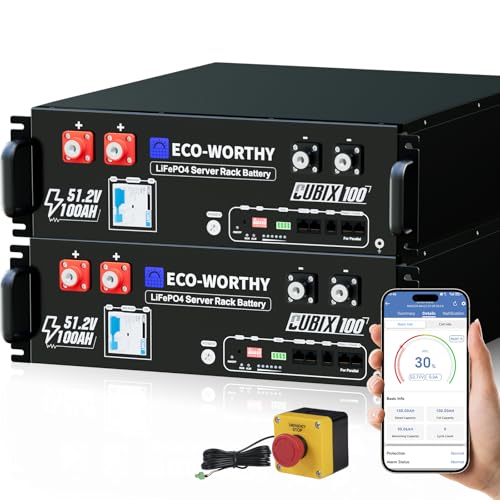
ECO-WORTHY Cubix100 48V 200Ah LiFePO4 Battery Pack
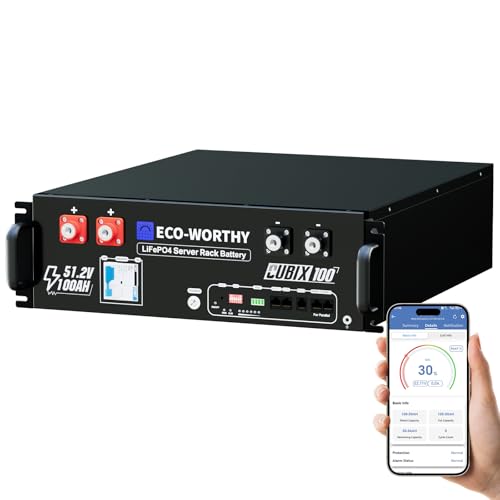
ECO-WORTHY Cubix100 48V 100Ah LiFePO4 Battery
ZINIKIF Solar Energy Storage Charging Controller
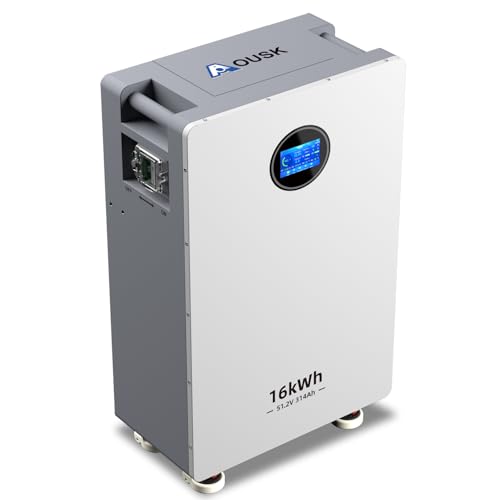
AOUSK 48V 314Ah LiFePO4 Lithium Battery
More Details On Our Top Picks
For portable backup, this one makes a strong case with a 2048Wh LFP battery and a 2400W output rating. LFP means lithium iron phosphate, a battery chemistry known for steady cycle life and stable storage behavior, which matters when you want a unit that sits ready between outages.
The X-Boost mode raises output to 3400W for certain loads, so you get more flexibility with appliances that sit near the edge of a standard portable unit’s range. The trade-off is size and weight, and that’s the honest read for RV owners or home users who need power first and easy carrying second.
Strong Points
- 2048Wh capacity gives you a useful buffer for lights, routers, and small appliances during short outages.
- 2400W output suits heavier household gear better than many compact stations.
- Fast recharge timing helps reduce downtime between use and the next stored charge.
- LFP chemistry tends to fit long-term storage plans better than older battery styles.
Things To Consider
- It’s still a large portable unit, so trunk space and storage shelves matter.
- The solar panel is optional, which means your charging setup may need extra planning.
Feature Snapshot
Who It Suits Best
RV owners, apartment households, and anyone who wants portable backup with real capacity will get the most out of this model.
Where A Sibling Pick Shines
AOUSK 48V 314Ah LiFePO4 Lithium Battery fits better for a fixed off-grid system that stays installed instead of moving around.
This pair of 48V 100Ah batteries is aimed squarely at stationary solar storage, and the 10.24kWh total capacity is where it starts to make sense for whole-home or large backup builds. Bluetooth adds a useful layer of monitoring, so you can check status without standing over the rack.
Compared with the EcoFlow portable unit, this is not about mobility at all, it’s about turning solar into a more permanent energy bank. In a utility room or garage, that approach works well, although the rack-style format asks for more planning during installation and more space than a plug-and-move station.
Upsides
- 10.24kWh total storage supports larger backup needs and longer run times.
- 48V architecture suits serious solar systems and rack-based layouts.
- Bluetooth makes day-to-day monitoring less inconvenient.
- LiFePO4 chemistry is a sensible fit for repeated cycling.
- Listed safety references give added confidence for system planning.
Areas To Watch
- Rack batteries need a fixed home, so they are not a casual plug-in solution.
- The pack format can feel overbuilt for smaller cabins or weekend setups.
- Installation planning matters, especially in tight utility spaces.
Core Details
Who Will Love This
You have the best match here if your solar setup lives in a garage, utility room, or dedicated equipment rack.
Another Choice May Suit
ECO-WORTHY Cubix100 48V 100Ah LiFePO4 Battery fits better for a smaller bank where 5120Wh is enough and space is tighter.
This single 48V 100Ah battery is the more compact sibling in the Cubix100 line, and 5120Wh gives you a meaningful middle ground between a portable station and a larger rack pair. It still leans toward fixed installation, but the smaller footprint makes it easier to place in a solar closet or garage corner.
Bluetooth and WiFi support set it apart from the EcoFlow portable pick, because this one is made for people who want ongoing oversight of a home energy bank. The trade-off is the same one most rack batteries share, which is that you need a proper installation plan and enough room to keep the system tidy.
Bright Spots
- 5120Wh storage offers a practical step up for home backup planning.
- Bluetooth and WiFi support make monitoring easier from a distance.
- Rack format works well in organized solar builds.
- LiFePO4 chemistry suits regular cycling and long-term stationary use.
Small Caveats
- It still needs dedicated space and a fixed mounting plan.
- For very small cabins, the capacity may be more than you need.
At A Glance
Built With In Mind
You’ll get the best fit here if you want home solar storage with app-based visibility and a manageable single-battery footprint.
Swap It Out When
ECO-WORTHY Cubix100 48V 200Ah LiFePO4 Battery Pack suits larger homes better when 10.24kWh makes more sense than one 5.12kWh unit.
This is the outlier in the group, because it’s a charging controller rather than a large storage battery. It serves a narrow job, charging AA nickel-metal hydride cells and supporting USB, DC switch, solar fan, and 18650 battery use, so it suits tinkering setups more than household backup.
That narrow focus is useful, though, since small solar projects often need a simple controller more than another oversized storage block. The honest read is that it belongs in a hobby bench, shed, or compact off-grid project, not in a whole-home storage plan like the ECO-WORTHY rack batteries.
Reasons To Buy
- Handles a specific charging job instead of trying to do everything.
- Works across a few small-device use cases, including AA NiMH and 18650 charging.
- USB and DC switching support adds flexibility for compact projects.
Points To Note
- It is not a large storage battery, so whole-home backup is outside its lane.
- The feature set is aimed at smaller devices and hobby work.
- You may want a separate storage battery for anything beyond niche charging.
Details At A Glance
Right Fit For
Hobbyists and small solar project owners will get the most out of this controller.
Look Elsewhere When
EF ECOFLOW DELTA 3 Max Portable Power Station suits you better for portable household backup and travel use.
AOUSK is the heavy-storage option here, with 48V, 314Ah, and 16.07kWh on the page for people building serious off-grid or home backup systems. The built-in 200A BMS, or battery management system, helps coordinate charge and discharge behavior, which matters a lot once the bank starts handling larger loads.
Compared with the ECO-WORTHY 10.24kWh pack, this battery is the step up for bigger energy needs and more ambitious solar systems. The trade-off is straightforward: it’s a permanent component, it ships under hazardous-material rules, and it fits committed installations better than casual setups.
Best Bits
- 16.07kWh capacity supports larger backup and off-grid plans.
- 200A BMS gives the system a more organized control layer.
- LCD touchscreen makes local status checks easier.
- RS485, CAN, and RS232 support broadens integration options.
- Breakers add a practical layer for system organization.
Honest Caveats
- This is a fixed-install battery, not a portable power solution.
- Shipping and handling demand more care than a small consumer unit.
- It makes the most sense in a planned solar room or equipment space.
Core Details
Whose Shelf It Belongs On
You should look here for a serious home backup build, especially where a larger stationary battery bank makes more sense than a portable station.
Reach For A Different Pick When
EF ECOFLOW DELTA 3 Max Portable Power Station is the easier fit for camping, transport, and lighter backup needs.
How To Choose The Right Batteries For Solar Power Storage
Start With The Energy Job
Your first decision is capacity, which is the amount of energy the battery can store. A 2048Wh portable station works for short backup use, while a 10.24kWh or 16.07kWh rack battery fits a system that needs longer runtimes. The right number depends on whether you’re keeping a modem alive through an outage or building a home energy bank for daily cycling.
Voltage matters too, because it needs to match your inverter or controller. The 48V class used by the ECO-WORTHY and AOUSK models suits fixed solar setups, while the EcoFlow station is aimed at portability and convenience. Think about the whole chain, not just the battery itself.
Match Chemistry To Use Pattern
LiFePO4, short for lithium iron phosphate, is a common choice for storage because it handles repeated charging well and stays practical for long-term ownership. That makes it a sensible fit for solar banks that cycle often, especially in homes and cabins. Smaller controller-based setups, like the ZINIKIF unit, serve a different role and should not be treated as full storage banks.
Mounting style matters just as much. A rack battery belongs in a fixed place with airflow and cable planning, while a portable power station works for trips, quick backup, and rooms where you need flexibility. The wrong format can make everyday use more annoying than it needs to be.
Look At Monitoring And Control
Bluetooth, WiFi, LCD screens, and battery management systems all affect how easy the setup is to live with. They do not add energy by themselves, but they help you track status, spot limits, and keep a bigger system orderly. That becomes more useful as storage capacity rises and your setup gets more complex.
Connection ports also matter for the long run. RS485, CAN, and RS232 support can help integrate a battery with compatible equipment, which is useful for people building a system piece by piece. For a simple backup setup, you may not need all that, but for a growing solar array it can save trouble later.
Plan For The Space Around The Battery
Installation space, ventilation, and maintenance access are easy to overlook until the battery arrives. Portable units need storage space and room to move, while rack batteries need a tidy home and thoughtful cable routing. A compact utility shelf can handle the ZINIKIF controller, but it won’t suit a large storage bank.
Also think about handling and transport. Some large batteries ship under extra rules and are better treated as permanent equipment rather than something you relocate often. That’s part of the real ownership cost, even though it’s not printed in the headline capacity number.
What To Weigh Before You Buy
Mistakes Worth Dodging
A common slip-up is choosing capacity before you define the load. A small controller, a portable station, and a rack battery solve very different problems, so the first task is to match the device to the job. Another misstep is ignoring voltage compatibility, which can make even a strong battery awkward to integrate.
Shoppers also overlook installation space. A fixed 48V rack battery needs cable management, mounting planning, and a proper home, while a portable station is far easier to park in a closet or garage corner. That difference can matter more than brand names.
Why Top Tier Costs More
Higher-tier storage usually buys you more energy, more control hardware, and more integration options. The AOUSK unit adds a 200A BMS, touchscreen control, breakers, and multiple data ports, while the ECO-WORTHY rack batteries bring Bluetooth or WiFi monitoring into the mix. Those parts help a system feel organized once the load gets larger.
You’re also paying for format and scale. Large rack batteries and high-capacity banks are built for stationary use, and that raises the bar on construction, shipping, and installation planning. For a home that leans on solar every day, that added structure often makes sense.
Frequently Asked Questions
What kind of battery works best for solar storage?
LiFePO4 is a practical fit for many solar storage setups because it handles repeated cycling well. Portable power stations can work too, but they suit lighter, movable use.
How much capacity do you need for home backup?
It depends on the loads you plan to keep running, from a few essentials to a larger household bank. A 5.12kWh unit and a 16.07kWh unit serve very different kinds of homes.
Is a 48V battery useful for solar systems?
Yes, 48V is common in stationary solar builds and pairs well with larger inverters. It’s a sensible voltage for a serious backup layout.
Do Bluetooth and WiFi really help?
They help with monitoring, especially once the system gets larger or lives in a separate room. You can check status without opening up the setup every time.
Should you choose a portable station or a rack battery?
A portable station fits travel and flexible backup better, while a rack battery suits fixed home storage. The right answer comes down to mobility versus total storage.
Closing Thoughts
You get the best results in this category by matching the battery to the shape of your life, not just the size of the number on the page. The EcoFlow station makes sense for portable backup, the ECO-WORTHY rack models fit home solar storage, the ZINIKIF controller serves small charging tasks, and the AOUSK battery suits a more committed off-grid build. That spread is useful because solar storage is rarely one simple purchase. Pick the format that fits your space, your wiring plan, and how often you want to move it, and the rest gets much easier.
