

These 400-watt options make sense for you when a cabin, RV, shed, or backup setup needs steady power without guesswork. You get a mix of rigid panels and a portable suitcase-style pick, so the right choice depends on how you mount, move, and store your gear. The difference between a smooth setup and a frustrating one usually comes down to cable length, voltage match, and how much space you can spare.
Quick Look At The Shortlist

JJN Bifacial 400 Watt Solar Panels 12V 10BB Monocrystalline Solar Panel

DOKIO 400W Solar Panel 31V Monocrystalline for 24V Off-Grid Systems
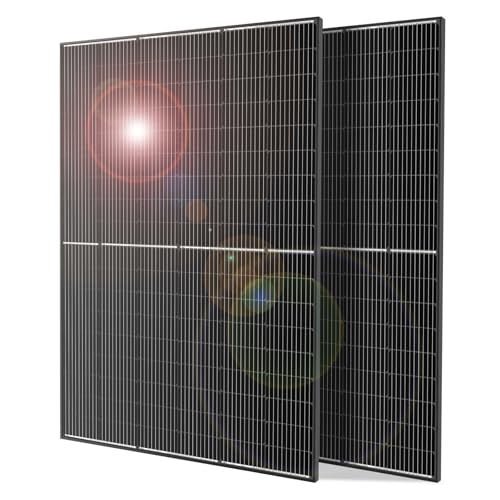
DOKIO 800W Solar Panel Set Two 400W 31V Panels for 24V Off-Grid Systems

JJN Bifacial 425 Watt Solar Panel N-Type UL 61730 16BB Monocrystalline Solar Module

DOKIO 800W Solar Panels 2-Pack of 400W 31V for 12V/24V Systems
DOKIO 400W 31V Monocrystalline Solar Panel for 12V/24V Systems

Renogy 400W Portable Solar Panel Premium Materials for Decades of Use
More Details On Our Top Picks
JJN leans into a bifacial layout, which means the panel can work from both the front and back side under the right setup. That matters on reflective surfaces, open racks, or elevated mounts where stray light can help out a bit. For RV roofs, farm outbuildings, and trailer systems, the 12V format keeps the setup familiar.
The 10BB monocrystalline cell design should suit you well when space is tight and every square foot has to pull its weight. The trade-off is simple, bifacial gain depends heavily on mounting conditions, so flush roof installs usually get less of the benefit than raised frames. Compared with the DOKIO fixed panels later in this list, JJN is the more interesting choice for a system that can make use of light bouncing around underneath.
Strong Points
- Bifacial design can capture reflected light in open installations.
- 12V format fits common RV and small off-grid planning.
- Monocrystalline cells usually help keep output concentrated in a compact footprint.
- Good match for raised mounts where rear-side light matters.
Small Caveats
- Rear-side benefit drops when the panel sits flat against a roof.
- Two-panel 200W pieces may take more layout planning than a single slab.
- Cleaning around the mounting area matters more with bifacial gear.
Feature Snapshot
Who It Suits Best
You get the most from this pick in a DIY RV, trailer, or farm setup that can be mounted with room underneath for reflected light.
Where A Sibling Pick Shines
DOKIO 400W Solar Panel 31V Monocrystalline for 24V Off-Grid Systems fits you better when the job is a simple fixed cabin or shed install with less interest in bifacial behavior.
This DOKIO panel is built for people who want a straightforward fixed install rather than a portable setup. The 31V output is aimed at 24V off-grid systems, which makes the electrical match feel deliberate instead of vague. In a shed, cabin, or yard build, that kind of clarity saves time during planning.
The 9.84-foot cable, aluminum frame, and pre-drilled holes round out a very install-friendly package. The trade-off is portability, since this is more about mounting and leaving it in place than moving it around often. Compared with JJN’s bifacial unit, this one is less about clever light capture and more about a clean, conventional setup.
What We Like
- 31V output lines up neatly with many 24V off-grid plans.
- Long cable helps with placement around roofs, walls, or racks.
- Pre-drilled mounting points make installation less fussy.
- Aluminum framing usually suits outdoor placement well.
Areas To Watch
- Best suited to fixed installs, not frequent moving.
- Single-panel format may not satisfy bigger power goals by itself.
- The 24V focus means system matching matters before you wire anything up.
Core Details
Made For
You’ll like this most for a cabin, shed, or small off-grid build where the panel can stay mounted and wired in one place.
A Better Fit Elsewhere
Renogy 400W Portable Solar Panel Premium Materials for Decades of Use fits you better when you need something foldable for travel, storage, or irregular sun exposure.
This bundle follows the same fixed-install logic as the single DOKIO panel, only here you’re getting two 400W units in one package. That makes sense for bigger cabin banks, workshop walls, or a yard build that needs more headroom from the start. The 31V panels are still aimed at 24V off-grid systems, so the wiring plan stays fairly tidy.
Each panel includes a 9.84-foot cable, aluminum framing, and pre-drilled holes, which keeps the installation story practical. The trade-off is size, because two rigid panels ask for more wall, roof, or ground space than the single-panel version. Compared with JJN’s bifacial setup, this one is less about special light behavior and more about straightforward expansion.
Highlights
- Two-panel bundle gives you more total collecting surface.
- Matched 31V output helps with 24V system planning.
- Long cables simplify spacing across larger mounts.
- Pre-drilled frames reduce installation friction.
- Good fit for projects that need room to grow.
Room For Improvement
- Takes up more space than a single 400W panel.
- Rigid panels need secure mounting and thoughtful storage.
- Two-panel packs can feel oversized for small rooftops.
Feature Rundown
Right Fit For
You should look here for a larger off-grid project that needs two matched panels and enough room to mount them cleanly.
Swap It Out When
DOKIO 400W 31V Monocrystalline Solar Panel for 12V/24V Systems suits you better when a single panel and smaller footprint matter more than package size.
This JJN panel sits a step above the simpler 400W entries because it pushes to 425W and uses an N-type cell structure, which refers to silicon doped to favor a different electrical profile than older cell types. In plain terms, you’re looking at a more advanced panel for homes, rooftops, RVs, and off-grid systems that can handle multiple voltage ranges. That broader fit makes it attractive for more serious planning.
The 16BB layout, meaning 16 busbars that help carry current across the cell, gives this panel a more technical edge than the 10BB JJN option earlier in the list. The trade-off is that the extra capability matters most in systems that can use it, so casual small setups may not need the step up. For a rooftop or farm array with room to scale, though, it feels like the more forward-looking JJN pick.
Reasons To Buy
- 425W output adds breathing room for larger energy plans.
- N-type cell design suits more advanced system builds.
- 16 busbars can support smoother current flow across the module.
- Works across 12V, 24V, and 48V system planning.
Points To Note
- Higher output only pays off in a system that can use it.
- More advanced panels usually call for more careful matching and wiring.
- Roof space and mounting hardware still need to be planned well.
Details At A Glance
Who Will Love This
You should look here for a rooftop, farm, or larger off-grid project where higher output and broader voltage fit matter more than compact size.
Look Elsewhere When
JJN Bifacial 400 Watt Solar Panels 12V 10BB Monocrystalline Solar Panel is the calmer match for smaller RV or trailer layouts that value a simpler 12V setup.
This DOKIO pair sits in a nice middle ground between a lone rigid panel and a more specialized portable kit. Each 400W monocrystalline panel gives you a clear, repeatable building block for patios, cabins, sheds, and off-grid systems that need a paired layout. That makes it easy to think in terms of zones rather than one oversized slab.
The 9.84-foot lead on each panel helps with spacing, which matters in real installs where mounting points never line up perfectly with the controller or junction area. The trade-off is bulk, since two panels take more storage room and more mounting planning than a single panel. Compared with the DOKIO 800W bundle earlier, this one reads more like a flexible all-round pair than a pure capacity play.
Best Bits
- Two matched panels make layout planning simpler.
- 31V output suits 12V and 24V system planning.
- Useful for yards, patios, cabins, and sheds.
- Separate panels can help with placement around obstacles.
Worth Noting
- Two rigid panels need more storage and handling room.
- Best used where the install can stay fairly permanent.
- The paired format may be more than some small backup setups need.
Technical Sheet
Built With In Mind
You’ll get the most from this pair in a yard, patio, or cabin setup that benefits from two separate mounting points.
Another Choice May Suit
Renogy 400W Portable Solar Panel Premium Materials for Decades of Use fits you better when foldability and storage matter more than a fixed two-panel layout.
This is the plainest DOKIO option in the group, and that simplicity works in its favor for smaller off-grid spaces. The 400W rating and 31V output make it easy to slot into 12V or 24V planning, while the included 9.84-foot MC4 cable gives you a bit of breathing room during placement. In a greenhouse, garden shed, or modest cabin, that straightforward setup is often enough.
The MC4 connector family is common in solar gear, so cable matching tends to feel less awkward than with oddball hardware. The trade-off is that you’re getting a single rigid panel, so expansion still depends on the rest of your system. Compared with the DOKIO two-pack, this one is the cleaner choice for a smaller footprint and simpler handling.
Positives
- Single-panel format keeps planning simple.
- 31V output suits the stated 12V and 24V use cases.
- 9.84-foot MC4 cable helps with positioning.
- Good fit for gardens, sheds, cabins, and patios.
Softer Spots
- A single panel may not cover larger daily power demands.
- Rigid construction asks for a fixed mounting plan.
- The simpler design leaves less room for layout flexibility than a pair.
Core Details
The Right Fit
You should reach for this panel when you want a single, simple module for a shed, greenhouse, or small cabin.
Where A Sibling Pick Shines
DOKIO 800W Solar Panels 2-Pack of 400W 31V for 12V/24V Systems makes more sense for you when two panels and a broader layout are the priority.
Renogy is the outlier here, and that’s useful because not every 400-watt setup lives on a roof or wall. The foldable suitcase design makes it easier to carry, store, and angle for temporary use with power stations, RV trips, camping, or outage backup. That sturdy kickstand matters in the real world because portable panels often spend as much time being moved as they do producing power.
The IP67 waterproof rating gives the panel a tougher edge than the fixed rigid options in this roundup, though you still want to store it sensibly and avoid rough handling. The trade-off is bulk when folded, so this isn’t a pocket-sized item by any stretch. Compared with JJN and DOKIO’s mounted panels, Renogy is the one to consider when flexibility matters more than permanent installation.
Plus Points
- Foldable suitcase format travels far more easily than rigid panels.
- Kickstand helps with quick angle changes at camp or at home.
- Works well with power stations and mobile backup gear.
- IP67 rating adds confidence for wet or dusty conditions.
- Good choice for people who need storage-friendly hardware.
Minor Gripes
- Folded size still needs room in a vehicle or closet.
- Portable gear usually asks for more setup and pack-down time.
- Less suited to permanent roof-style installs than rigid panels.
Feature Card
Whose Shelf It Belongs On
You’ll appreciate this most if your solar setup has to move between camping, storage, and backup use around the house.
Reach For A Different Pick When
DOKIO 400W Solar Panel 31V Monocrystalline for 24V Off-Grid Systems fits you better when you want a fixed mount and less pack-up work.
How To Choose The Right 400 Watt Solar Panels
Match The Voltage To The Rest Of Your System
Voltage is the first thing to sort out because it affects how the panel talks to your batteries, charge controller, and inverter setup. A 31V panel often makes sense for 24V off-grid planning, while a 12V panel suits smaller, more familiar installs.
That match matters more than raw wattage on paper. A panel that looks strong but doesn’t fit the rest of your system creates avoidable friction during install.
Decide Between Fixed And Portable Use
Rigid panels work well on roofs, sheds, cabins, and ground frames where the gear can stay put. Portable suitcase panels suit you better for camping, RV trips, and backup power stations because you can store them away after use.
The trade-off is convenience versus permanence. Fixed panels usually feel cleaner once mounted, while portable units ask for more setup each time.
Look Closely At Cable Length And Mounting Hardware
Longer cables, pre-drilled holes, aluminum frames, and kickstands all change how easy the install feels in real life. A 9.84-foot lead can solve awkward spacing, especially on sheds or larger frames where the controller sits a little farther away.
Those details sound small until you’re standing on a roof or lining up a wall mount. Simple hardware often saves the most time.
Think About Space, Not Just Output
Two 400W panels give you more layout flexibility than one large unit, but they also ask for more surface area and more planning. Bifacial models can help in reflective, open setups, yet they lose some of that edge when mounted flush to a roof.
For small spaces, compactness often matters as much as total wattage. For bigger properties, the extra room to position panels can be worth more than a tidy one-panel install.
What To Weigh Before You Move Forward
Mistakes Worth Dodging
One common slip is choosing wattage before checking voltage and controller compatibility. Another is forgetting that rigid panels need a real mounting plan, not just a flat spot and a hope.
Packaging also matters. A pair of panels can be smarter for expansion, but it can feel awkward in a shed or trailer if you barely have room to store the gear.
The Upgrade Payoff
Higher-tier panels usually cost more because they use more advanced cell structures, stronger frames, or more flexible form factors like foldable cases and kickstands. Those touches matter most when your setup gets moved, mounted in rough weather, or expected to cover more demanding loads.
That extra spend makes sense for RV use, multi-voltage planning, or a larger off-grid property. For a basic cabin or garden shed, a simpler panel often does the job without unnecessary complexity.
Frequently Asked Questions
What Does 400 Watts Mean In Real Use?
It describes the panel’s rated output under ideal conditions, not a promise of the same number every minute. Real-world output shifts with sun angle, weather, mounting style, and system match.
Are Bifacial Panels Worth It?
Bifacial panels can make sense where light reflects from the surface below, like raised racks or open ground mounts. They matter less on flat roof installs.
Should You Choose One Panel Or Two?
One panel keeps the setup simpler and can fit smaller spaces more easily. Two panels give you more layout flexibility and a better path to scale.
What Kind Of Setup Fits A Portable Panel?
Portable panels work best with power stations, RV use, camping, and temporary backup situations. They suit you less well for permanent roof installs.
Why Does Voltage Matter So Much?
Voltage affects how the panel fits into the rest of the electrical system. A mismatch can make wiring planning harder and may force extra changes elsewhere.
Closing Thoughts
You have a pretty clear split in this roundup: fixed rigid panels for planned installs, and one portable Renogy option for movement and storage. For most homes, cabins, and RV setups, the right choice comes down to voltage match, mounting space, and how much flexibility you want on install day. JJN stands out for bifacial use, DOKIO keeps things practical, and Renogy serves the portable side cleanly. Choose the format that fits your space first, then let wattage do its work.
