

Hot attics, cramped sheds, and humid greenhouses all strain the same weak point, stale air. You need a fan that fits the space, runs the way your setup demands, and doesn’t turn installation into a weekend headache. This roundup focuses on solar-powered and hybrid attic ventilation fans that make sense for real homes, workshops, and outbuildings. Some are better for small enclosures, others are built for larger roof spaces that need steady exhaust.
The Shortlist At A Glance

pqins 7.1″ Large Solar Greenhouse Fan, 25W

Remington Solar Builder Series 40 Watt Solar Attic Fan
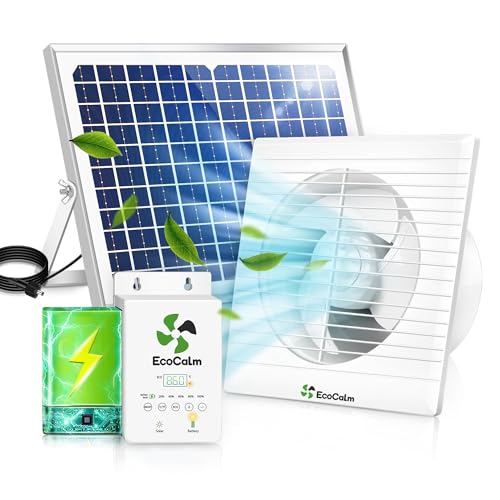
ecoCalm Solar Fan 8″ with Adjustable Thermostat and Battery

Amtrak Solar 12-Inch Solar Attic Exhaust Fan

Remington Solar 30 Watt Roof Mount Solar Attic Fan

4SEASONS Solar Attic Vent Fan 400 CFM
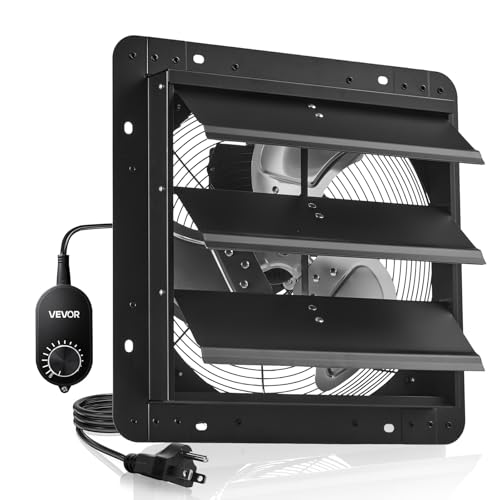
VEVOR 14 in Shutter Exhaust Fan

QuietCool AFR SLR-40 Roof Mount Solar Attic Fan
More Details On Our Top Picks
For small greenhouses, coops, or a shed that needs basic air movement, this pqins fan makes sense fast. The 25W solar setup keeps the focus on simple daytime ventilation, while the 16.5-foot cord gives you room to place the panel where the sun is stronger than the fan location.
The trade-off is straightforward, it’s built for lighter-duty spaces rather than big attic spans. Still, the listed exhaust-and-intake behavior adds flexibility for cabins, doghouses, and plant shelters that need air to move both directions.
Strong Points
- 25W panel support suits compact ventilation needs without adding electrical wiring.
- Exhaust and intake modes give you more placement flexibility in changing weather.
- 16.5-foot cord helps the panel reach better sun while the fan stays where airflow is needed.
- Waterproof build language makes it a sensible fit for outdoor shelters and garden structures.
Points To Note
- It looks better matched to small enclosures than full attic spans.
- Long cable runs can take a little planning during setup, especially in tight roof lines.
- Routine dusting matters in barn-like spaces where lint and debris collect near vents.
Feature Snapshot
Who It Suits Best
You’ll like this most for a greenhouse, chicken coop, or compact outbuilding that needs simple solar airflow and flexible placement.
Where A Sibling Pick Shines
QuietCool AFR SLR-40 Roof Mount Solar Attic Fan fits better for attic owners who want a roof-mounted solution built around larger ventilation needs.
This one stands out because it’s not limited to sunlight alone. The included 110V adapter lets the fan keep running at night, so your attic airflow doesn’t pause just because the sun went down.
That makes it a smart fit for homes where heat builds after sunset or where daytime ventilation alone leaves the space stuffy. The honest read is that hybrid operation adds convenience, but it also suits owners who are comfortable planning a more complete install.
What We Like
- 40W solar setup gives it more breathing room than smaller garden-focused fans.
- 110V adapter support extends operation into night hours.
- Works well for attics that stay warm after dusk, not just during peak sun.
- Remington Solar’s builder-series framing suits a more permanent roof install.
Room For Improvement
- The hybrid design is more involved than a simple plug-in solar fan.
- Owners with small sheds may find the system more than they need.
Technical Sheet
Built With In Mind
You’re the best match for this fan if your attic needs day-and-night airflow and you’re willing to set up a more committed system.
Look Elsewhere When
pqins 7.1″ Large Solar Greenhouse Fan, 25W makes more sense for compact sheds, coops, and lighter ventilation jobs.
Temperature control changes the story here. The adjustable thermostat helps the fan respond to heat instead of just spinning whenever the panel gets light, and the battery adds a layer of flexibility that basic solar units skip.
That combination fits greenhouses especially well, where heat can climb fast and airflow needs can shift across the day. Compared with the pqins fan, this ecoCalm model is the more thoughtful pick for anyone who wants control rather than plain exhaust.
Reasons To Buy
- Adjustable thermostat gives you more control over fan behavior.
- Battery support helps smooth out solar interruptions.
- 25W bifacial panel, a panel that gathers light from both sides, adds a more flexible energy setup.
- Fits greenhouses, sheds, coops, and other heat-sensitive spaces.
- Anti-backflow design helps reduce reverse airflow, which matters in windy, exposed settings.
Areas To Watch
- The extra controls may feel like more than a simple shed needs.
- Battery-based setups usually deserve a little more attention during long idle periods.
- Greenhouse owners may want to map placement carefully so the thermostat reflects the warmest zone.
Core Details
Who Should Grab It
You’re the right fit for this fan if your greenhouse, shed, or coop needs heat-managed ventilation instead of simple constant airflow.
Swap It Out When
Amtrak Solar 12-Inch Solar Attic Exhaust Fan is a better match for someone who wants a cleaner attic roof install and less control complexity.
This fan leans into simplicity. The plug-and-play setup and 12-inch size make it feel approachable for attic projects where you want a cleaner install path without wandering into complicated extras.
That approach suits garages, sheds, and greenhouses too, though the strongest case is still a roof-space ventilation job that benefits from a straightforward, low-fuss layout. Compared with QuietCool’s more flexible inverter setup, this one is the calmer, simpler route.
Highlights
- 12-inch format gives it a clear attic-first footprint.
- Plug-and-play design keeps installation straightforward for many roof projects.
- Whisper-quiet language makes it appealing for spaces close to living areas.
- USA-made construction may matter to shoppers who prefer domestic sourcing.
Softer Spots
- The fan-only setup means the rest of the system still depends on your roof plan.
- Quiet performance is nice, but attic sizing still matters more than marketing language.
- Dust on roof vents can build up over time, so periodic cleaning stays important.
Details At A Glance
Whose Shelf It Belongs On
You’ll appreciate this if you want a clear, uncomplicated attic fan and don’t need hybrid controls or battery support.
A Better Fit Elsewhere
Remington Solar Builder Series 40 Watt Solar Attic Fan suits homes that need night operation through its included 110V adapter.
Roof-mount fans often work best when you want a set-it-and-forget-it approach, and this 30W Remington model fits that lane neatly. It doesn’t chase extra features, which helps it stay focused on the basic job of moving attic air through the roofline.
That makes it a sensible middle-ground choice for standard attics that need help with heat buildup but don’t call for night-running hybrid hardware. The trade-off is plain, you get less flexibility than the Builder Series model, but the setup stays simpler.
Best Bits
- 30W solar rating sits in a practical middle ground for attic ventilation.
- Roof-mount format suits conventional home installs.
- Simple design is easier to understand than hybrid or battery-backed options.
- Works well for homeowners who want a straightforward ventilation upgrade.
Minor Gripes
- No extra night-running feature is listed, so it stays tied to solar conditions.
- Some homes may want more control than a basic roof-mount fan provides.
Feature Rundown
Made For
This one suits you best if you want a plain roof-mount attic fan that keeps the install and daily use uncomplicated.
Another Choice May Suit
4SEASONS Solar Attic Vent Fan 400 CFM is the better fit for shoppers who want a listed airflow figure for a smaller attic.
Some attic fans stay vague about what they can move, and that’s where this 4SEASONS model earns attention. The 400 CFM rating, CFM meaning cubic feet per minute, gives you a concrete airflow figure, while the listed coverage up to 500 square feet helps you judge fit before installation.
The polycarbonate housing brings a lighter, corrosion-resistant shell compared with bare metal, and the 12W panel keeps the system relatively modest. For smaller attics or tight roof spaces, that balance feels sensible, though larger hot roofs may want more output.
Bright Spots
- 400 CFM gives you a real airflow number to compare against attic size.
- Coverage up to 500 sq. ft. helps with planning.
- Polycarbonate housing is a practical fit for outdoor roof exposure.
- 12W solar panel keeps the package compact.
Small Caveats
- It looks better suited to smaller attic footprints than very large roofs.
- Lightweight housing can be easier to handle, though roof owners may still want careful installation.
- Roof dust and debris still call for occasional cleanup around the vent path.
Core Details
Right Fit For
This belongs with you if your attic is on the smaller side and you want a clear airflow spec rather than guesswork.
Reach For A Different Pick When
QuietCool AFR SLR-40 Roof Mount Solar Attic Fan is the better path for homes that need inverter-backed runtime around the clock.
This is the outlier in the group because it skips solar power and goes straight at high-volume wall ventilation. The 14-inch shutter design, automatic louvers, and variable-speed control give you a more industrial feel than the roof-mount solar picks above.
For garages, barns, workshops, and hot attic spaces with reliable power, that extra muscle can matter more than solar convenience. The trade-off is obvious, you need an AC setup, so this is a different lane from the off-grid or hybrid units.
Upsides
- 14-inch shutter format is built for serious air movement.
- Variable speed gives you more control over ventilation strength.
- Steel housing feels better suited to hard-use spaces.
- Automatic louvers help close the opening when the fan is not running.
- Low-noise claim makes it more comfortable for attached spaces.
Honest Caveats
- This one depends on AC power, so it won’t suit solar-only plans.
- The wall-mount style fits some spaces better than others.
- Steel housings can reward periodic cleaning in dusty barns or workshops.
Spec Overview
The Right Fit
You’ll get the most from this in a workshop, barn, or attic with dependable power and a real need for heavy air exchange.
Where A Sibling Pick Shines
Remington Solar Builder Series 40 Watt Solar Attic Fan is the better match for roof owners who want solar support and night-running flexibility.
QuietCool builds this around flexibility rather than one single power mode. The 40W adjustable panel gives you room to place it with the roof exposure you have, and the included AC/DC inverter means the fan can keep working in more conditions than a solar-only unit.
That makes it especially appealing for attics where sunlight varies through the day or where you want a more dependable ventilation rhythm. Compared with the Remington Builder Series model, this one leans hard into runtime flexibility instead of a simpler night adapter setup.
Positives
- 40W panel gives the system a stronger solar foundation.
- Adjustable panel helps with real roof placement challenges.
- AC/DC inverter broadens runtime options beyond direct sunlight.
- Thermostat control helps the fan respond to attic heat.
- Works well for homes where airflow needs stay active across changing light conditions.
Trade Offs
- The added flexibility also means a more involved setup.
- Owners who want a plain solar fan may find the extras unnecessary.
Feature Card
Who Will Love This
You’re the best match for this fan if your attic needs flexible runtime and you want a roof-mount setup with more control than the basics.
Skip It When
4SEASONS Solar Attic Vent Fan 400 CFM is the simpler fit for smaller spaces that only need a clear airflow rating and less system complexity.
How To Choose The Right Attic Ventilation Fans Solar Powers
Match The Fan To The Space
Your first filter is space size, because airflow only matters when it matches the room behind the vent. Small greenhouses, coops, and sheds usually do well with compact solar fans like the pqins or ecoCalm picks, while larger attics benefit from roof-mount units with clearer output figures.
Panel size matters too, but not in isolation. A 40W unit can make more sense for a hot attic than a smaller garden fan, yet the actual value comes from how the panel, motor, and roof position work together.
Decide How Much Control You Want
Some people want a fan that turns on with sunlight and stays out of the way. Others need thermostats, batteries, or inverter support because the space heats up after sunset or sees patchy sun during the day.
That’s where the more advanced picks earn their keep. QuietCool and Remington’s Builder Series are better for owners who want more than a simple daylight-only setup, while the plain roof-mount models stay easier to live with.
Think About Mount Style And Maintenance
Roof-mount units fit attic jobs cleanly, but they need a roof plan that works with your existing structure. Wall-mount shutter fans, like the VEVOR, suit garages and workshops better because they move serious air without depending on roof geometry.
Maintenance is usually basic, yet it still matters. Dust, lint, pollen, and roof debris can all interfere with airflow over time, so a setup that’s easy to reach tends to stay useful longer.
Things Worth Knowing First
Common Shopping Slip Ups
A lot of people focus on panel wattage and ignore where the fan will actually sit. That’s how a compact solar unit ends up underpowered for a wide attic, or a heavy-duty wall fan ends up in a space that never needed that much airflow.
Another mistake is skipping the power plan. Hybrid units and AC fans solve different problems, so the right choice depends on sunlight, wiring, and how often the space stays hot after dark.
The Case For Spending Up
Higher-tier models usually cost more because they add control, flexibility, and stronger build materials. Adjustable panels, thermostats, inverter support, steel housings, and higher airflow ratings all make sense when your space is larger or your ventilation needs are less predictable.
That extra spend is easiest to justify in homes with long hot seasons, attics that trap heat, or workspaces that need steady exchange rather than occasional relief. For simple sheds or smaller greenhouses, a basic solar fan often stays the calmer choice.
Frequently Asked Questions
Do solar attic fans work on cloudy days?
Yes, they can still run when sunlight is available, though output usually drops. Units with batteries, inverters, or AC backup handle patchy conditions more comfortably.
What size attic fan should you choose?
You should match the fan to attic size, roof shape, and how much hot air builds up during the day. Listed airflow numbers, like CFM, help you compare models more clearly.
Is a thermostat worth it?
A thermostat matters when attic temperature swings are a problem, because it helps the fan respond to heat instead of light alone. That matters more in garages, greenhouses, and homes with hot afternoon buildup.
Are wall-mount fans better than roof-mount fans?
Neither is better in every case. Wall-mount fans suit garages, barns, and workshops, while roof-mount fans usually fit attic ventilation more naturally.
Do you need backup power for solar attic fans?
You only need backup power when nighttime operation or variable weather matters to your setup. Hybrid models make more sense for attics that stay hot after sunset.
Closing Thoughts
The right attic ventilation fan depends on how your space is built and how often it needs help. A compact solar fan can be enough for a shed or greenhouse, while a roof-mount hybrid makes more sense for a hotter attic that needs more consistent airflow. The VEVOR stands apart for raw output, and QuietCool brings the most flexibility. Choose the one that fits your roof, your wiring, and how you actually use the space.
