

Power loss feels very different once the fridge, heat, and internet all go quiet. You need backup power that matches your space, fuel access, and how much of the house you want to keep running. That could mean a portable inverter for smaller load needs, or a true standby unit for whole-home coverage. The eight picks below cover that full spread without wasting your time.
Quick Look At Our Top Picks

Jackery Explorer 2000 v2 Portable Power Station 2042Wh 2200W AC Output

Westinghouse 12000 Peak Watt Dual Fuel Portable Inverter Generator

Champion Power Equipment 4000-Watt Dual Fuel RV Ready Portable Inverter Generator
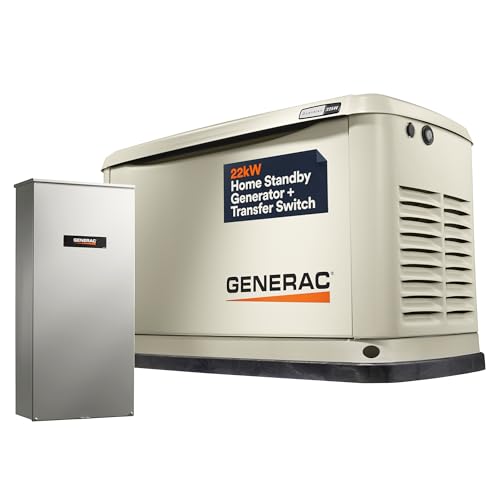
Generac Guardian 22kW Home Generator Transfer Switch WiFi Monitoring

DuroStar DS13000MX 13,000-Watt 500cc Dual Fuel Portable Generator

Westinghouse 28000 Peak Watt Tri-Fuel Home Backup Portable Generator

Westinghouse 18000 Peak Watt Tri-Fuel Home Backup Portable Generator

20kW Standby Generator with 200amp TS
More Details On Our Top Picks
Portable power stations suit apartments, garages, and short outages where you need clean AC power without fuel handling. This Jackery pairs a 2042Wh battery with 2200W AC output, so it has enough headroom for phones, laptops, lights, and other smaller essentials. The LiFePO4 battery, which uses lithium iron phosphate chemistry, usually appeals to anyone who wants a steadier battery profile than older lithium designs. It’s not a whole-home substitute, but it can keep the daily routine moving.
The USB-C PD 100W port matters for modern laptops and fast top-ups, especially during travel or a basement office blackout. You may find the solar-generator angle useful for cabin stays, storm prep, or a car trunk setup, though the panel is sold separately. The trade-off is simple, you get portability and lower noise, not furnace-level output for a large home.
Strong Points
- 2042Wh capacity gives you useful runtime for phones, tablets, routers, and a modest fridge load.
- 2200W AC output supports many household essentials without forcing you into fuel storage.
- LiFePO4 battery chemistry usually suits owners who want a more durable battery format for repeated use.
- USB-C PD 100W helps with power-hungry laptops, so your work setup stays simpler during outages.
- Portable form makes it easier to move between a home office, patio, and vehicle setup.
Small Caveats
- It covers a slice of home needs, not an entire residence.
- Solar panels are optional, so a solar plan adds another purchase decision.
- The unit is still a sizable box to store in a hallway closet or packed utility room.
Feature Snapshot
Who It Suits Best
You’ll get the most from this choice in a condo, workshop, or home office where quiet backup power matters more than running every circuit.
Where A Sibling Pick Shines
Generac Guardian 22kW Home Generator, Transfer Switch WiFi Monitoring suits you better for full-house continuity during long outages.
Portable inverter units like this one sit in a useful middle ground, because they can serve a house without sounding or behaving like a job-site brute. Dual fuel means you can run it on gas or propane, which gives you flexibility during storm prep or fuel storage planning. The remote electric start is the kind of detail you appreciate in bad weather, especially after the lights go out and you’d rather not fuss with a pull cord. Low total harmonic distortion helps protect sensitive electronics, so it fits home office gear better than rougher-output machines.
Transfer switch readiness makes it easier to build a more orderly backup setup, and the parallel-capable design leaves room for scaling. The CO sensor is another practical layer, though you still need common-sense placement and maintenance. Compared with the Jackery, this one reaches deeper into home backup territory, but it brings fuel, noise, and storage trade-offs along with it.
What We Like
- Dual fuel operation gives you flexibility when one fuel type is easier to source or store.
- Remote electric start helps during stormy weather, especially for a driveway setup.
- Low THD suits laptops, chargers, and other electronics that prefer steadier power.
- Parallel capability gives you a path to expand output later.
- Transfer switch readiness makes it a serious candidate for organized backup use.
Worth Noting
- You still need fuel storage and periodic upkeep, so it asks for more attention than a battery station.
- The unit is practical, but not discreet, so storage and placement matter.
- Parallel use depends on the rest of your setup, which adds planning.
Core Details
Who Should Grab It
You’ll get the best fit here in a detached home where you want stronger backup coverage and a cleaner output profile for electronics.
A Better Fit Elsewhere
Jackery Explorer 2000 v2 Portable Power Station 2042Wh 2200W AC Output suits smaller spaces better when you want quiet, fuel-free backup.
This Champion lands in the sweet spot for campers, tailgaters, and homes that only need a lighter backup plan. Dual fuel support gives you room to choose gas or propane, which helps in mixed-use garages and RV storage scenarios. The quieter inverter format keeps it more neighbor-friendly than many open-frame generators, and that matters fast in tightly packed neighborhoods. It’s smaller than the Westinghouse 12000, so you trade raw output for easier handling.
RV-ready support makes the unit a natural match for mobile travel, and that same compact setup can work as emergency support for a few essentials at home. A three-year warranty is part of the listing, which adds a little reassurance on paper, though upkeep still rests on you. For lighter needs, this feels like the calm middle lane, not the muscle car of the group.
Positives
- 4000 watts gives you enough coverage for modest home or RV essentials.
- Dual fuel operation adds planning flexibility for travel or backup storage.
- Inverter design usually means steadier power and less disruptive noise.
- RV-ready support makes hookup decisions simpler for road use.
- Compact size helps when storage space is tight in a garage or shed.
Areas To Watch
- It will not cover a whole house the way a standby system can.
- Lightweight backup still needs fuel handling and routine upkeep.
- You may want more output for fridge-plus-HVAC scenarios.
At A Glance
Built With In Mind
You’ll likely appreciate this most for weekend RV use, porch power, or small-home emergency coverage.
Another Choice May Suit
Westinghouse 12000 Peak Watt Dual Fuel Portable Inverter Generator makes more sense for a house that needs a stronger backup ceiling.
This is the closest thing in the list to a true whole-house standby setup. The 22kW output puts it in a different class from the portables above, especially for homes that want lights, major appliances, and HVAC support to stay online together. WiFi monitoring lets you check status remotely, which feels useful during storm season or while you’re away from home. Automatic transfer is the real anchor here, because it removes the hassle of manual setup once utility power drops.
Natural gas or propane fuel options help the installation plan fit different properties, though installation itself is a bigger project than rolling a portable generator into place. Compared with the Jackery or Champion, this model is built for permanence, not flexibility. The honest read is that this makes sense for homeowners who want a fixed backup layer and are ready for the extra infrastructure that comes with it.
Bright Spots
- 22kW output suits full-home backup better than any portable pick here.
- Automatic transfer supports a smoother handoff during outages.
- WiFi monitoring helps you check status without walking outside in rough weather.
- Natural gas or propane fuel choices can simplify long-term planning.
- Built-in permanence fits homes that want standby support ready in the background.
Points To Note
- Installation is more involved than setting up a portable generator.
- The fixed design asks for space planning around the home exterior.
- It makes less sense for renters or anyone who needs a moveable unit.
Details At A Glance
The Right Fit
You’ll benefit most from this in a detached house where you want backup power to behave like part of the building, not a temporary appliance.
Skip It When
Jackery Explorer 2000 v2 Portable Power Station 2042Wh 2200W AC Output suits you better for portability, lighter storage, and lower setup friction.
DuroStar takes a more muscular portable approach, and that shows up in the 13,000-watt class and 500cc engine size. Dual fuel support gives you the same basic flexibility as the Westinghouse portables, while remote electric start helps make outage handling less awkward. For whole-home backup through a transfer switch, this is the kind of portable unit that can cover a bigger load list than lighter RV-oriented models. It still demands fuel storage and upkeep, so it fits homeowners who are comfortable with a more hands-on plan.
The transfer switch ready design and RV plus emergency positioning make it a flexible backup tool, not just a one-purpose machine. Compared with the Champion 4000, this is the stronger household option by a wide margin, though it gives up some portability. The trade-off is worth it for households that want serious output without moving to a permanent standby system.
Upsides
- 13,000 watts gives you far more backup room than smaller portable units.
- 500cc engine size signals a stronger-duty setup for heavier household demands.
- Dual fuel support keeps your fuel choices more flexible.
- Remote electric start makes late-night or bad-weather use easier.
- Transfer switch readiness improves fit for organized home backup wiring.
Minor Gripes
- The larger frame asks for more storage space than compact portables.
- Routine fuel care still comes with the territory.
- It is more portable than a standby unit, yet far from lightweight.
Key Specs
Whose Shelf It Belongs On
You’ll get the best value from this in a home that wants stronger backup capacity without stepping into a permanent installed system.
Look Elsewhere When
Generac Guardian 22kW Home Generator Transfer Switch WiFi Monitoring suits you better when automatic standby behavior matters more than mobility.
This Westinghouse is built for homeowners who want a lot of output and a lot of fuel flexibility in one portable frame. Tri-fuel support means gas, propane, and natural gas are all on the table, which is especially helpful during long outages or utility disruptions. Remote electric start takes some strain out of startup, and transfer switch readiness keeps it aligned with house backup use. The catch is size, because a high-output tri-fuel machine needs room and planning.
Compared with the DuroStar DS13000MX, this one pushes output and fuel choice even farther, while still staying portable enough to move around the property. That combination makes it a strong match for larger homes, though the weight and footprint are not subtle. It can feel like the heavyweight in the room, and that’s exactly why it belongs on this list.
Best Bits
- Tri-fuel support gives you real flexibility during fuel shortages or long storage gaps.
- 28000 peak watt capacity covers a big backup load list.
- Remote electric start keeps startup simpler from the driveway or patio.
- Transfer switch readiness fits serious home backup planning.
- Natural gas support can be useful for longer-duration outage scenarios.
Room For Improvement
- The large frame needs real storage and moving space.
- Tri-fuel setups usually mean more planning around hookups and fuel lines.
- It makes more sense for large properties than compact homes.
Core Details
Made For
You’ll appreciate this most in a large home where output and fuel choice matter more than compact storage.
Where A Sibling Pick Shines
Westinghouse 18000 Peak Watt Tri-Fuel Home Backup Portable Generator suits you better when you want a smaller footprint with similar fuel flexibility.
This model keeps the tri-fuel formula but trims the scale a bit, which makes it easier to place in a broader range of homes. Gas, propane, and natural gas support means you still get the flexibility that matters during storm season, and the remote electric start adds convenience at the exact moment you want less fuss. The CO sensor is a meaningful add-on in practical terms, because it gives you another layer of awareness around a fuel-burning machine. It’s a good middle ground for homes that don’t need the 28,000-peak-watt size.
Transfer switch readiness keeps the setup anchored in household backup use instead of occasional jobsite work. Compared with the Westinghouse 28000, this one gives up raw output for a more approachable footprint. That trade-off works well for families who want fuel flexibility and stronger safety awareness without going all the way up in size.
Highlights
- Tri-fuel support gives you several fuel paths for backup planning.
- Remote electric start is practical during weather-heavy outages.
- CO sensor adds a useful layer of awareness around operation.
- Transfer switch readiness makes it more house-focused than many portables.
- Smaller than the 28000-peak model, so it can fit more homes.
Softer Spots
- It still needs storage space and regular upkeep.
- Tri-fuel capability can mean more planning around hookups.
- Some households will still want the extra output of the larger Westinghouse model.
Feature Card
Best Suited To
You’ll likely like this most for a family home that wants tri-fuel flexibility without the biggest chassis in the group.
Reach For A Different Pick When
Westinghouse 28000 Peak Watt Tri-Fuel Home Backup Portable Generator fits you better if maximum output matters more than footprint.
Among all eight picks, this is the clearest fit for a true standby role. The 20kW rating and 200 amp transfer switch pairing point to a setup that belongs with the house, not beside it in the driveway. For homeowners who want automatic backup behavior and a more integrated feel, that matters a lot. The trade-off is the same one you see with other standby systems, installation is a larger commitment than a portable generator setup.
Compared with the Generac Guardian, this one is less feature-rich on paper, but it still targets the same broad standby use case. It’s the kind of unit that makes sense for a home where you expect continuity, not occasional patchwork backup. That makes it a serious choice for households that want a fixed system and have the space and install plan to support it.
Reasons To Buy
- 20kW output puts it in full-home standby territory.
- 200 amp transfer switch support lines up with fixed-home backup use.
- Permanent-style setup fits homes that want power ready in the background.
- Strong match for households that prefer automatic continuity over manual startup.
Honest Caveats
- Installation is more involved than placing a portable generator.
- It makes the most sense for owners ready to commit space and setup time.
Technical Sheet
Who Will Love This
You’re the best match for this choice if you want a stationary home backup system that feels built into the property.
Not Your Match When
Champion Power Equipment 4000-Watt Dual Fuel RV Ready Portable Inverter Generator fits you better for travel, lighter storage, and flexible mobility.
How To Choose The Right Whole House Standby Generators
Match Output To Real Household Load
Start with what you actually need to keep running. A fridge, lights, modem, and a few outlets call for far less than HVAC, well pumps, and electric cooking, so the right size depends on the whole load picture rather than one headline number.
Portable inverter units suit lighter backup plans because they prioritize clean, manageable output. Full standby systems make more sense for homes that want a fixed answer to outages and don’t want to juggle cords or fuel cans.
Choose Fuel Based On Access And Storage
Gas, propane, and natural gas each solve different problems. Propane stores well for long gaps, gas is familiar and easy to source during routine use, and natural gas works best where the utility connection is already part of the property.
Dual-fuel and tri-fuel models add flexibility, though they also add setup decisions. That extra choice is helpful for storm-prone areas, but it matters less in a home where you already know your fuel path.
Think About Start Method And Transfer Setup
Remote electric start reduces hassle, especially during rough weather or late-night outages. Automatic transfer goes further by handing power over without much input, which is why standby units feel so different from portable ones.
Transfer switch readiness is worth close attention because it affects how cleanly the generator fits into the home. A 200 amp transfer switch points toward house-level backup, while portable units with transfer readiness still ask more from your setup.
Noise, Storage, And Maintenance Matter Too
A quieter inverter format is easier to live with in a dense neighborhood or near a patio. Larger portable and standby units usually need more space, more thought around placement, and more routine care than a battery station.
That’s the trade-off behind more capable power. You gain stronger coverage, but you also accept fuel handling, periodic upkeep, and the reality that a bigger machine needs a real home of its own.
Things Worth Knowing First
Wrong Turns To Avoid
Many households overshoot size, then struggle with placement and upkeep. Others choose a portable unit for a full-home job, which leaves the backup plan short the moment major appliances come on.
Another common miss is forgetting the fuel side of the equation. A generator can only help as long as the fuel choice matches your storage space, your refill routine, and the way your home is wired.
The Upgrade Payoff
Higher-tier models usually pay for stronger output, smarter fuel flexibility, and a better transfer setup. You also tend to get features like remote start, WiFi monitoring, or automatic transfer, which make outage handling less hands-on.
That upgrade makes sense for homes that treat backup power as a serious comfort layer, not an occasional convenience. For smaller spaces, the extra spend can be hard to justify, especially when a portable inverter already covers the essentials.
Frequently Asked Questions
What Size Generator Fits A Whole House?
It depends on how many circuits you want alive at once. A large standby unit is the cleanest match for homes that want broad coverage, while smaller portables suit lighter essential-load plans.
Is Dual Fuel Better Than Single Fuel?
Dual fuel gives you more flexibility in storage and outage planning. Single fuel can still make sense when your setup is simple and you already know which fuel is easiest to manage.
Do Portable Inverter Generators Work For House Backup?
They do, as long as your expectations stay focused on essentials. They are a better fit for refrigerators, lights, chargers, and similar loads than for complete whole-home coverage.
What Does Transfer Switch Ready Mean?
It means the generator is meant to connect more cleanly with a home backup setup. That usually makes the wiring plan more organized than running extension cords everywhere.
Why Choose A Standby Generator Instead Of A Portable One?
Standby systems are better for automatic, house-level continuity. Portable units still help a lot, but they ask more of you during startup, placement, and fuel handling.
Closing Thoughts
For whole-home backup, the Generac Guardian and the 20kW standby unit speak most directly to homeowners who want power to feel built in rather than improvised. The Westinghouse and DuroStar portables make sense when you want serious output without committing to a permanent install, while the Jackery and Champion stay useful for lighter, quieter backup needs. Your best match comes down to load size, fuel access, and how much setup you want to own. Once those three are clear, the right choice usually stands out fast.
