

Whole-house backup gets easier to sort through once you separate true capacity from marketing fluff. These picks help you cover outages, RV trips, and off-grid weekends without guessing which unit can actually keep the essentials running. You’ll see where panel bundles help, where expandable batteries matter, and where 120V versus 240V output changes the story. That mix matters most when you want steady power, not just a big box with a battery inside.
Quick Look At The Shortlist

EF ECOFLOW DELTA Pro 3600Wh Portable Power Station

Jackery HomePower 3000 with 2x200W Solar Panels

Jackery HomePower 3600 Plus Portable Power Station

OUPES Mega 1 Solar Generator with 100W Panel

Jackery HomePower 3600 Plus with 2x200W Solar Panels
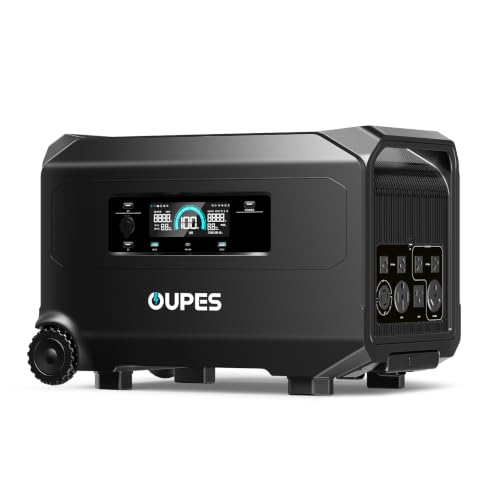
OUPES Guardian 6000 V2 Portable Power Station
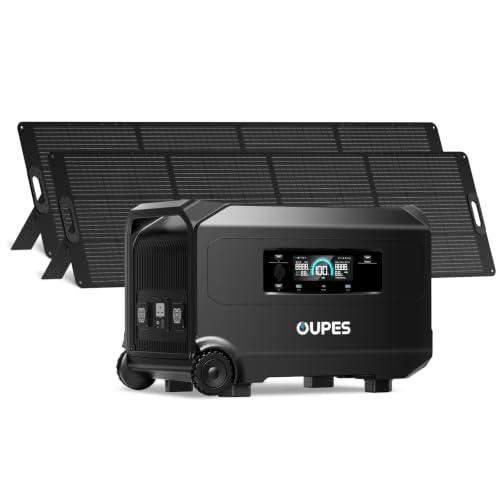
OUPES Guardian 6000 V2 Solar Generator Kit with 2x240W Panels
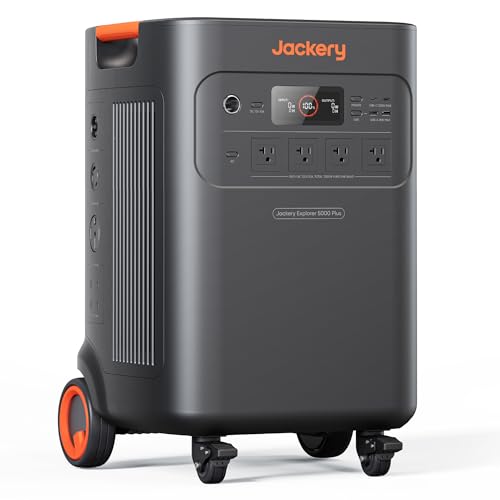
Jackery Solar Generator 5000 Plus Portable Power Station
More Details On Our Top Picks
EF ECOFLOW’s DELTA Pro is aimed at the household that wants speed and headroom, not just a basic battery box. The 3600Wh base and 120V 3600W AC output give you enough structure for serious essentials, while the expandable design keeps the system from feeling boxed in.
The trade-off is that a setup like this asks for planning, especially because your final system size depends on how far you expand it. For long outages, that flexibility matters more than flash, and the fast-charge angle is useful for anyone who wants the unit back in play without a long wait.
Strong Points
- 3600Wh starting capacity gives you room for essentials during outages.
- 3600W AC output helps cover more demanding household gear.
- Expandable design suits a system that may grow over time.
- Fast recharge focus reduces downtime between uses.
Things To Consider
- Expansion plans add complexity, so the full setup deserves a bit of forethought.
- The larger format is not as easy to tuck away in a tight utility corner.
Feature Snapshot
Who It Suits Best
You get the most from this pick when you want a strong base unit for home backup and you’re comfortable planning a larger energy setup around it.
A Better Fit Elsewhere
Jackery HomePower 3000 with 2x200W Solar Panels suits you better if you want a simpler bundled setup with panels already included.
The included 200W solar panels make this bundle easier to picture in real life, because you’re not piecing the system together later. That matters for outage planning, cabin use, and RV stops where you want a cleaner starting point.
Compared with the EF ECOFLOW pick, this one leans more toward a ready-made package than a build-as-you-go layout. The 3072Wh battery and 3600W AC output are still substantial, though the biggest draw is how little guesswork the bundle leaves behind.
What We Like
- Two solar panels are bundled, which simplifies the first setup.
- 3072Wh capacity gives you a serious reserve for home essentials.
- 7200W surge rating helps handle short startup spikes from some appliances.
- LFP battery chemistry usually appeals to long-term backup planning, thanks to its practical durability profile.
Worth Noting
- The bundled format adds size, so storage space matters.
- You still need to think through panel placement, especially on tight patios or in crowded yards.
Core Details
Who Should Grab It
You’ll appreciate this bundle most when you want a straightforward solar backup setup and don’t want to source panels separately.
Swap It Out When
OUPES Mega 1 Solar Generator with 100W Panel Included fits you better when a faster recharge path and a smaller base capacity matter more than a larger bundled kit.
This version of the HomePower line stands out for the size of the base battery, which gives you more breathing room before expansion enters the picture. In a house that needs fridge backup, modem support, and lighting through a stretch of bad weather, that extra cushion can matter.
Unlike the panel bundle in the previous Jackery entry, this one is the power station alone, so it suits someone who already has a solar plan in mind. The honest read is that it rewards more deliberate setups, especially where you want a bigger starting bank without buying bundled panels you may not need.
Highlights
- 3584Wh capacity gives you a roomy starting point.
- 3600W AC output keeps the unit in serious home-backup territory.
- Expandable to 21kWh, so the system can grow with future needs.
- LFP battery chemistry fits backup use that values practical durability.
Areas To Watch
- Solar panels are optional, so the full setup depends on your own planning.
- The larger body calls for a sensible storage spot, not a cramped shelf.
- Expansion makes the system more capable, but also more involved to configure.
Details At A Glance
The Right Fit
You should look here when you want a large base capacity and plan to shape the rest of the system yourself.
Another Choice May Suit
Jackery HomePower 3000 with 2x200W Solar Panels fits you better if you want the convenience of a complete starter bundle from the outset.
The Mega 1 reads like the more compact-minded choice in this lineup, especially because it already includes a 100W panel. That makes it easier to picture for apartments with backup needs, smaller homes, or a garage setup that won’t be stretched to the limit.
The 36-minute charge-to-80-percent claim is the standout detail here, and it shifts the conversation toward convenience rather than sheer size. Compared with the larger Jackery entries, you give up a lot of capacity, but you gain a more approachable starting point with app control and a long list of ports.
Bright Spots
- 100W panel included, so the starter setup feels more complete.
- 1024Wh capacity is a manageable size for lighter backup needs.
- Fast charge claim points to shorter downtime between uses.
- 13 ports make it easier to spread power across multiple devices.
- APP control can help you check status without walking over to the unit each time.
Softer Spots
- Its smaller capacity sits below the larger home-backup picks here.
- Expandable storage helps, but the starting point is still modest.
- A crowded port layout can take a little organization during busy use.
Technical Sheet
Perfect Match For
You’re looking at the right pick when you want a smaller, quicker-to-understand backup setup with panel support included.
Look Elsewhere When
EF ECOFLOW DELTA Pro 3600Wh Portable Power Station suits you better if your priority is larger reserve capacity and a heavier home-backup footprint.
This bundle sits close to the third Jackery pick, but the included panels shift the focus toward convenience. For a home that wants a more plug-and-play feel, that can be the difference between a planned backup system and a stack of parts waiting in the garage.
It still carries the same 3584Wh and 3600W backbone, so the real story is the pairing rather than a new power class. In most households, that makes it a practical middle path for outages, camping, and RV use without making you assemble everything from scratch.
Upsides
- Two 200W panels included, which shortens the setup process.
- 3584Wh capacity gives you a substantial energy base.
- 3600W AC output supports household essentials with more confidence.
- LFP battery type suits long-haul backup use better than basic short-term packs.
Small Caveats
- The bundle is larger than a bare power station, so storage planning matters.
- Panel placement still takes a little attention in cramped outdoor spaces.
Quick Facts
Whose Shelf It Belongs On
You get the most from this bundle when you want a ready-made home backup package that does not force you to source matching panels later.
Reach For A Different Pick When
OUPES Mega 1 Solar Generator with 100W Panel suits you better if you want a smaller, faster-moving setup for lighter backup demands.
The Guardian 6000 V2 moves into larger-home territory, especially because it supports both 120V and 240V output. That matters for households with heavier circuits, and it makes this pick feel more serious than the smaller 120V-only units earlier in the list.
The 4608Wh base and expansion path to 41kWh give it a broad ceiling, though you’ll want to think carefully about the space it occupies. For backup-minded homes with transfer-switch planning, native RV plugs, and app-based monitoring, the feature mix is unusually broad.
Reasons To Buy
- 120V and 240V output broaden the kinds of home circuits you can support.
- 4608Wh base capacity gives you a sizable reserve from the start.
- Expands to 41kWh, so long-range planning stays on the table.
- Native RV plugs can help simplify mobile or travel use.
- Transfer-switch readiness suits a more integrated home setup.
Room For Improvement
- The size and scope call for more careful installation planning than smaller units.
- Expansion adds capability, but it also adds cost and physical footprint.
- Storage and movement are less casual here than with the compact OUPES Mega 1.
Core Details
Best Suited To
You should look here when you want a large-capacity backup unit that can handle more demanding home setups and RV connections.
Where Another Pick Shines
Jackery HomePower 3000 with 2x200W Solar Panels fits you better if you want a simpler bundled setup with less physical scale.
This kit gives you the Guardian 6000 V2 concept with panels already matched to the system, which removes a lot of guesswork. For larger homes or serious backup planning, that matters because the solar side of the setup is already aligned with the power station.
Compared with the bare Guardian 6000 V2, this version is the easier route for someone who wants the solar input bundled in from day one. The trade-off is the same as most full kits here, since the setup occupies more space, but the pairing is more complete.
Best Bits
- Two 240W solar panels are included, which streamlines the kit.
- 240V and 6000W output support more demanding home use.
- 4608Wh capacity gives you a substantial battery base.
- Expandability to 41kWh leaves a long runway for growth.
- Transfer-switch readiness suits more integrated backup plans.
Honest Caveats
- The full kit takes more room than a power station alone.
- Panel positioning still matters, so a little site planning helps.
Feature Rundown
Built With In Mind
You’ll get the most from this kit when you want a more complete solar backup bundle for a home with heavier energy needs.
Another Choice May Suit
OUPES Guardian 6000 V2 Portable Power Station suits you better if you already have solar panels and only need the battery base.
This is the most ambitious Jackery in the group, and the 5040Wh base gives that away immediately. With 120V and 240V AC output plus expansion to 60kWh, it aims squarely at households that want a much larger backup ceiling.
That kind of capacity can be more system than a smaller home truly needs, which is the trade-off worth acknowledging. For large properties, severe outage planning, or a setup that may keep growing, the headroom is exactly what makes it compelling.
Positives
- 5040Wh base capacity puts it in a very large backup class.
- 7200W AC output gives you serious load-handling headroom.
- 120V and 240V support widen compatibility with home circuits.
- Expansion to 60kWh leaves room for major future scaling.
Points To Note
- The scale will feel excessive for smaller backup needs.
- Planning, storage, and installation matter more here than with compact stations.
- Solar panels are optional, so the full build depends on how you configure it.
Spec Overview
Who Will Love This
You’re the right match for this pick when your home backup plan needs serious headroom and you want room to scale for the long term.
Where A Sibling Pick Shines
Jackery HomePower 3600 Plus Portable Power Station fits you better if you want a smaller base system that still leaves room for expansion.
How To Choose The Right Whole House Solar Generators
Start With Your Backup Load
The first number to study is output, because wattage tells you what the unit can support at once. A 2000W station like the OUPES Mega 1 suits lighter household coverage, while 6000W and 7200W units move into larger-home territory. That difference matters more than a shiny feature list, since a battery that cannot support your fridge, router, lights, and occasional startup spike will feel limited fast.
Battery capacity, measured in Wh, is the second piece of the puzzle. Think of it as the size of the fuel tank, because higher Wh usually means more runtime before you need to recharge.
Match The Outlet Type To Your House
120V output covers many common household items, but 240V support gives you broader compatibility for heavier circuits. That makes the OUPES Guardian 6000 V2 and Jackery Solar Generator 5000 Plus more serious options for homes that need greater flexibility.
Plenty of households will never need 240V, which is why smaller systems can still make sense. The key is to line up the unit with the loads you actually expect to support, not the biggest number on the page.
Decide How Much Expansion You Really Want
Expandable systems are useful, but only when you plan to grow into them. The EF ECOFLOW DELTA Pro and Jackery 5000 Plus go far beyond their starting size, so they fit households that expect changing needs over time.
That extra headroom often brings more cost and more physical bulk. For a cabin, apartment backup, or occasional outage use, a simpler base package can be the calmer choice.
Think About Solar Input And Setup Style
Bundles with panels included, such as the Jackery HomePower 3000 with 2x200W Solar Panels and the OUPES Guardian 6000 V2 Solar Generator Kit, shorten the setup path. You get a clearer starting point and less matching work between components.
Panel-free units suit you better when you already own solar gear or want to build the system in stages. Either route can work, but the easier route is usually the one that gets used more often.
Things Worth Knowing First
Mistakes Worth Dodging
A common slip is focusing only on capacity and ignoring output. A large battery still disappoints when it cannot support the devices you want to run.
Another miss is forgetting space. These units are not tiny countertop gadgets, so garage shelving, utility rooms, and access paths matter just as much as watt-hours.
What The Higher Tier Buys
Higher-tier models usually buy you more output, broader voltage support, and bigger expansion ceilings. That is where the cost climbs, because the unit is carrying more hardware and more flexibility.
You may also see better fit for transfer-switch planning, RV plugs, and panel bundles. For large homes, that extra structure is often worth it.
Frequently Asked Questions
What size solar generator suits a whole house backup plan?
That depends on the loads you need to cover, but larger Wh and higher AC output usually give you more useful runtime. For light backup, a smaller unit can cover essentials, while larger homes often need a more capable system.
Do panel bundles make setup easier?
Yes, because bundled panels remove one big compatibility question from the process. That matters for first-time setup and for households that want a more complete package.
Is 240V output necessary?
Not for every home, but it helps with broader circuit support. Homes that want heavier backup coverage usually benefit more from 240V capability.
What does expandable capacity do for you?
Expandable capacity lets you start smaller and add storage later. That works well for households whose needs may grow after the first purchase.
Why do LFP batteries matter here?
LFP, or lithium iron phosphate, is a battery chemistry known for a practical backup profile. It fits long-term home use well because it is built for repeat charging and steady performance.
Closing Thoughts
The right whole house solar generator depends on how much of your home you want to keep running, not just how large the battery looks on paper. For most households, the sweet spot is a unit that matches your key circuits, leaves room for expansion, and does not create a setup headache you’ll avoid using. The Jackery and OUPES models here cover a wide spread of needs, while the EF ECOFLOW pick brings fast-charge appeal into the mix. Choose the one that fits your space and backup habits, and the rest becomes easier.
