

Power cuts are easier to live with when your setup matches the way you actually use your home. Some places need a compact battery unit for essentials, while others need a transfer-switch-ready generator that can keep a whole house running through a long outage. You’ll see both styles here, along with the trade-offs that matter in daily use. That makes the shortlist useful whether you want quiet backup for a few circuits or a more complete standby plan.
Quick Look At Our Shortlist

Jackery Explorer 2000 v2 Portable Power Station 2042Wh

Champion Power Equipment 2500-Watt Ultralight Portable Inverter Generator
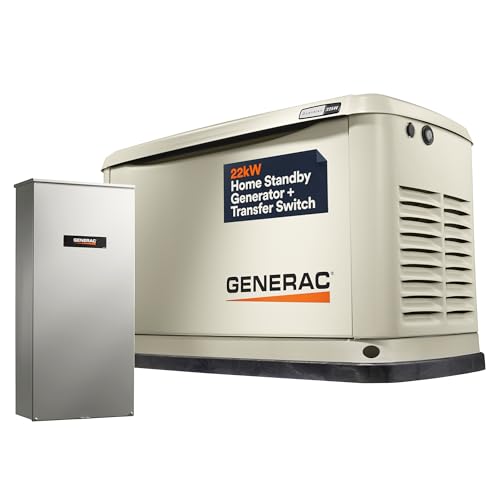
Generac Guardian 22kW Home Generator

DuroStar DS13000MX 13,000-Watt 500cc Dual Fuel Portable Generator

Westinghouse 18000 Peak Watt Tri-Fuel Home Backup Portable Generator

Jackery HomePower 3600 Plus Portable Power Station

Jackery HomePower 3600 Plus Portable Power Station with 2X 200W Solar Panels

Westinghouse 28000 Peak Watt Tri-Fuel Home Backup Portable Generator
Portable battery backup makes sense for apartments, townhomes, and homes where you want quiet power without fuel storage. With 2042Wh of capacity and 2200W AC output, this Jackery can cover a thoughtful set of essentials, from phones and routers to a fridge for a stretch of time, depending on what you plug in.
The LiFePO4, or lithium iron phosphate, battery chemistry is known for durability-focused design, and the 100W USB-C PD port helps with modern laptops and phones. The trade-off is obvious, though, you’re choosing convenience and indoor friendliness over the long runtime of a fuel generator like the Generac or Westinghouse units below.
Strong Points
- Quiet operation fits indoor backup needs better than fuel-burning units.
- 2200W AC output covers a practical spread of household electronics and small appliances.
- 2042Wh capacity gives you usable breathing room for outage essentials.
- USB-C PD at 100W makes laptop charging less fussy.
- LiFePO4 battery chemistry usually suits long-term ownership better than older battery types.
Things To Consider
- It won’t replace a whole-home standby generator for central HVAC or larger electric loads.
- The solar panel is optional, so off-grid recharging takes a separate purchase.
- At this size, placement and lifting matter more than they do with a stationary standby unit.
Feature Snapshot
Who It Suits Best
Households that want clean, quiet backup for electronics, internet gear, and a few core appliances will get the most from this unit.
A Better Fit Elsewhere
Generac Guardian 22kW Home Generator suits you better for full-home standby coverage and automatic transfer during longer outages.
This Champion makes the most sense for light backup, tailgates, and travel where carrying weight matters. At 39.7 pounds, it stays manageable, and the 53 dBA noise level gives it a calmer profile than many open-frame generators, which is a real plus near campsites or a backyard gathering.
The clean-power output under 3% THD matters for sensitive electronics, because total harmonic distortion, or THD, describes how steady the electrical waveform is. The honest read is that it’s not a whole-house workhorse, but it’s far easier to move and live with than the larger DuroStar or Westinghouse machines.
Highlights
- Light weight helps you move it without turning setup into a chore.
- Quiet technology suits neighborhoods, campsites, and tight outdoor spaces.
- Clean output works well for electronics that dislike rough power.
- The runtime claim stretches far enough for overnight or day-trip use in modest setups.
Softer Spots
- It’s more of a portable support unit than a true home-backup replacement.
- The smaller size means less comfort margin for heavy appliance loads.
- Portable generators need routine fuel care and storage attention, especially between seasons.
Core Details
Who Will Love This
You’ll appreciate this most for camping, RV-side use, or light emergency backup where portability comes first.
Another Choice May Suit
Jackery Explorer 2000 v2 Portable Power Station 2042Wh is a better fit for anyone who wants indoor-friendly backup without fuel handling.
This is the most natural fit for a home that needs real standby behavior, not just a stopgap. With a 22kW class output, transfer switch support, and WiFi monitoring, it suits households that want the system to respond smoothly in storms instead of dragging out cords and portable gear.
Natural gas or propane fuel choice adds flexibility, and the automatic transfer function matters because it shifts the system from backup plan to hands-off infrastructure. Compared with the battery units above, this is the more permanent answer, though installation and home integration make it a bigger commitment.
What We Like
- 22kW capacity supports full-home backup better than portable units.
- Automatic transfer reduces the hands-on steps during an outage.
- WiFi monitoring helps you keep an eye on status from inside the house.
- Fuel flexibility adds planning room in neighborhoods with gas or propane access.
- It fits the kind of home where a standby system is a long-term fixture.
Points To Note
- Installation is a bigger project than rolling in a portable generator.
- It makes less sense for apartments, rentals, or short-term living situations.
- Maintenance and service access matter more because this becomes part of your home system.
At A Glance
Best Suited To
Homeowners who want a permanent backup system for large electrical loads and frequent storm season concerns fit this unit best.
Where A Sibling Pick Shines
Westinghouse 28000 Peak Watt Tri-Fuel Home Backup Portable Generator suits you better when portability and multiple fuel choices matter more than a fixed standby install.
The DuroStar sits in the middle ground between full standby and lighter portable backup. Its 500cc engine, dual-fuel setup, and remote electric start make it a strong candidate for homes that want serious output without stepping into a permanently installed system.
Transfer-switch readiness matters because it shortens the gap between generator and house connection, which is exactly where a lot of outage frustration starts. Compared with the Champion and Jackery units, this one is built for larger appliances and more demanding backup routines, though storage and fuel handling take more space and planning.
Upsides
- Dual-fuel operation gives you more room to match fuel availability.
- Remote electric start makes setup feel less like a chore.
- 13,000 watts is a serious step up from lightweight backup options.
- Transfer-switch readiness supports cleaner home integration.
- The 500cc engine size points to a unit built for heavier-duty use.
Small Caveats
- Noise and footprint are likely more demanding than compact inverter models.
- Fuel and oil upkeep matter more with a larger portable generator.
- It’s a better fit for homes with space to store and stage a machine this size.
Details At A Glance
Right Fit For
Homes that need substantial portable backup and have room for a large generator will get the most value here.
Skip It When
Jackery HomePower 3600 Plus Portable Power Station is the easier pick for indoor-friendly backup without fuel management.
Tri-fuel support changes the experience here, because you can match the machine to gas, propane, or natural gas depending on what makes sense in your setup. That kind of flexibility is especially useful during storm season, when fuel availability and storage space rarely line up neatly.
The remote electric start and transfer-switch-ready design put it closer to home backup thinking than a basic campsite generator. The catch is that a portable unit still needs storage, fuel planning, and upkeep, so it suits households that want control more than complete automation.
Bright Spots
- Three fuel choices make planning easier in many homes.
- Remote start reduces friction during outage routines.
- Transfer-switch readiness helps with cleaner house connection planning.
- Peak watt rating gives you room for larger start-up loads.
Area To Watch
- Portable format still calls for manual storage and upkeep.
- It’s more hands-on than a stationary standby generator.
- Space around the unit matters, especially during operation and maintenance.
Feature Rundown
Whose Shelf It Belongs On
Households that want one portable generator with more fuel flexibility than most will appreciate this model.
Swap It Out When
Generac Guardian 22kW Home Generator is the better route for homeowners who want automatic standby behavior rather than portable management.
Among battery-based backup options, this Jackery leans into scale. The 3600W AC output, 3584Wh LFP pack, and expandability to 21kWh make it feel closer to a home system than a small portable station, especially for households that want a serious bridge during outages.
LFP means lithium iron phosphate, a battery type valued for stable, long-term use, and the optional solar panel support keeps expansion flexible. The trade-off is size and cost of commitment, because a unit like this asks you to think more like a homeowner planning backup than a weekend camper packing light.
Reasons To Buy
- 3600W AC output supports more demanding essentials than smaller stations.
- 3584Wh capacity gives you a stronger reserve for outage planning.
- Expandable storage up to 21kWh opens the door to a larger system later.
- Optional solar pairing can support longer off-grid use.
- It keeps fuel handling out of the picture, which many households prefer.
Worth Noting
- At this scale, footprint and placement matter in garages or utility spaces.
- Solar panel support is optional, so a larger system takes more planning.
- It still won’t act like a permanently installed standby generator.
Quick Facts
The Right Fit
You’ll get the most from this if you want a large battery backup for home essentials, emergency readiness, or RV use.
Look Elsewhere When
Westinghouse 18000 Peak Watt Tri-Fuel Home Backup Portable Generator suits you better when fuel-based runtime and quick refueling matter more than battery storage.
This version matters because the solar panels change the ownership picture from day one. You’re not just getting a large battery station, you’re getting a package that helps make off-grid charging more straightforward, which suits homes that want a clearer path between outage and recovery.
Compared with the panel-less HomePower 3600 Plus, this pick reduces the extra hunting for a compatible starter setup. The trade-off is less flexibility on how you configure the system, but for many households that’s a fair exchange for convenience.
Best Bits
- Two 200W solar panels add a practical charging path.
- The 3600W AC output supports serious home essentials.
- 3584Wh of storage gives the unit a substantial base.
- Expandable capacity to 21kWh leaves room to grow later.
- Bundled panels save you from piecing together the setup yourself.
Minor Gripes
- The bundled setup takes up more storage space than the station alone.
- Solar charging still depends on placement, weather, and available daylight.
- It’s a bigger commitment than a small portable backup unit.
Feature Card
Who Should Grab It
Homeowners who want a battery backup with solar gear already included will get the cleanest setup here.
Another Choice May Suit
Jackery HomePower 3600 Plus Portable Power Station is the better fit for you if you already have solar panels or want to assemble the system in stages.
This Westinghouse is built for households that want more reserve than the smaller portable units can offer. The 28,000 peak watt rating points to a large-capacity machine, and the tri-fuel setup gives you gas, propane, or natural gas options depending on how your home is configured.
Remote electric start and transfer-switch readiness make it easier to imagine as part of a serious outage plan rather than a weekend-only machine. The downside is simple, size and upkeep are part of the package, so it suits a home with room to stage a larger generator and the patience to keep it maintained.
Standout Traits
- Large peak output supports demanding home backup use.
- Tri-fuel flexibility helps with fuel planning.
- Remote starting keeps the startup process simpler.
- Transfer-switch readiness supports cleaner home integration.
- It sits well for homes that need more reserve than mid-size portables.
Honest Caveats
- The unit needs space, storage planning, and regular upkeep.
- It makes more sense for larger homes than for compact properties.
- Portability is relative here, because this is still a large machine.
Core Details
Built With In Mind
Large homes and property owners who want a high-capacity portable backup system will appreciate this model most.
Reach For A Different Pick When
Generac Guardian 22kW Home Generator is the better fit for you if automatic standby behavior matters more than a portable fuel-flexible setup.
How To Choose The Right Whole House Backup Generators
Power Needs Come First
Start with the loads you actually want to keep alive, not the biggest number on the box. A battery station can cover routers, lights, and small appliances, while a 22kW standby unit is designed for much broader household coverage.
That difference matters in a blackout, because starting watts and running watts shape what the generator can handle when motors kick on. Homes with sump pumps, refrigerators, and furnace blowers need a very different setup from a condo that only needs the internet and a few lamps.
Fuel And Runtime Change The Experience
Portable fuel generators work well when you want fast refueling and long runtime, especially around storm prep. Dual-fuel and tri-fuel options, like the DuroStar and Westinghouse models above, add planning flexibility for homes that already manage gas or propane.
Battery stations remove fuel handling from the equation, which makes them easier to keep indoors or in a garage. The trade-off shows up in runtime and recharge planning, so the right choice depends on whether convenience or endurance matters more in your home.
Installation And Storage Shape Ownership
Standby generators such as the Generac Guardian belong in a more permanent setup, usually with transfer hardware and space for service access. That makes them a stronger fit for homeowners who want a hands-off response during outages.
Portable units need more staging room, more routine attention, and more direct setup before use. For households that move between homes, rent, or want a simpler path, the battery-based picks make far less fuss.
Noise, Start Method, And Control Matter Too
Noise becomes a real issue in close neighborhoods, and quiet inverter models usually feel easier to live with than open-frame machines. Remote electric start, WiFi monitoring, and automatic transfer each reduce friction in different ways, so you can match the control level to your routine.
That’s why the right pick isn’t only about wattage. It’s about how much effort you want to spend on startup, monitoring, storage, and maintenance during an outage week.
A Quick Reality Check
Wrong Turns To Avoid
Don’t size your generator only by peak wattage, because running wattage and actual load mix tell the real story. A small battery unit can be a smart backup tool, but it won’t stand in for whole-home standby power.
Another common miss is skipping storage and fuel planning. Portable generators ask for more handling, while standby systems ask for installation planning, so either path needs space and upkeep thought through early.
The Upgrade Payoff
Higher-tier models usually cost more because they bring larger engines, more output, better fuel flexibility, or more permanent integration. WiFi monitoring, transfer-switch readiness, and expandable battery systems also add to the setup complexity.
That extra spend makes the most sense when outages are common, your home has several critical loads, or you want backup to feel less hands-on. For smaller households, a simpler inverter or battery station often covers the important stuff without overcommitting.
Frequently Asked Questions
Can A Portable Generator Cover A Whole House?
It can cover selected circuits, but not every portable model is built for full-house use. Transfer-switch-ready units and high-output standby systems are the better match for that job.
What Makes A Battery Station Different From A Fuel Generator?
A battery station stores electricity and runs quietly without fuel. A fuel generator can usually run longer, especially during extended outages, but it needs fuel and more hands-on care.
Is A Tri-Fuel Generator Worth Considering?
It makes sense when you want more flexibility around gas, propane, or natural gas access. That flexibility helps in homes where one fuel source may be easier to keep ready than another.
Do You Need WiFi Monitoring?
You do not need it, but it helps when you want status updates without going outside. It’s especially useful for standby systems that stay installed for years.
Which Type Fits Apartments Or Smaller Homes?
Battery stations usually fit better because they avoid exhaust, fuel storage, and permanent installation. Smaller inverter generators can work outdoors, but they still need more setup than a battery unit.
Closing Thoughts
The right backup setup depends on how much of your home you want to protect and how much effort you want to spend managing it. For quiet essentials, the Jackery battery stations make sense. For larger homes, the Generac and the bigger Westinghouse and DuroStar units cover a very different level of need. Match the machine to your space, your loads, and your routine, and the choice gets much clearer.
