

Keeping the lights on is one thing, but keeping a house usable during an outage takes more than a flashlight and good intentions. You need the right mix of output, fuel choice, startup style, and noise level, especially when you’re covering a kitchen, a furnace, and a few room essentials at the same time.
That’s why this roundup focuses on a spread of portable stations, inverter units, and true standby systems. You’ll see clear differences between compact backup options for short interruptions and larger setups built for a full-house load.
Quick Look at the Shortlist

Jackery Explorer 2000 v2 Portable Power Station 2042Wh

AIVOLT 1600W Super Quiet Inverter Generator 28lbs Portable
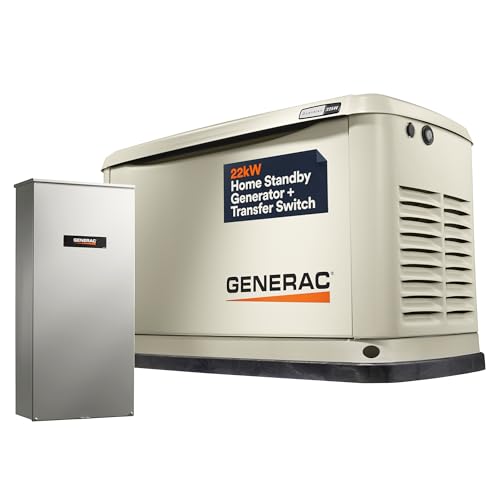
Generac Guardian 22kW Home Generator WiFi Monitoring

DuroStar DS13000MX 13000-Watt 500cc Dual Fuel Portable Generator

Westinghouse 18000 Peak Watt Tri-Fuel Home Backup Portable Generator

Westinghouse 12000 Peak Watt Tri-Fuel Portable Inverter Generator

Westinghouse 28000 Peak Watt Tri-Fuel Home Backup Portable Generator

Westinghouse 13500 Peak Watt Tri-Fuel Home Backup Portable Generator
More Details On Our Top Picks
The Jackery slot makes sense for outage prep in an apartment, a townhome, or a house where you want indoor-friendly backup without engine noise. Its 2042Wh battery capacity gives you a serious reserve for phones, laptops, routers, and selected appliances, while the 2200W AC output sets the ceiling for what you can run at once.
The LiFePO4 battery chemistry, which is lithium iron phosphate, matters because it usually suits long-term ownership better than the older battery types many casual shoppers still recognize. Compared with the gas units later in this list, this one trades raw whole-house muscle for clean operation and simpler day-to-day handling, and that’s the honest appeal.
Strong Points
- Battery-powered design keeps indoor backup much simpler than fuel-burning units.
- 2042Wh capacity gives you breathing room for essential devices during extended outages.
- 2200W AC output supports a broader set of household gear than smaller power banks.
- USB-C PD 100W fast charging helps modern laptops and tablets stay useful.
- LiFePO4 chemistry is a smart fit for frequent charging cycles and regular backup duty.
Things To Consider
- It will not replace a full-size standby generator for whole-home loads.
- Solar panels are optional, so solar recharging needs separate planning.
- Heavy appliance users may find the output ceiling limiting.
Feature Snapshot
Who It Suits Best
You’ll get the most from this pick if you want quiet backup for essentials, short outages, campsite use, or a backup station that stays manageable indoors.
Swap It Out When
Generac Guardian 22kW Home Generator WiFi Monitoring fits you better when you need a fixed whole-home system with automatic transfer and natural gas or propane support.
That 28-pound frame is the headline here, because it changes how often you’ll actually take the generator with you. For camping, tailgates, or a quick backup plan for a few appliances, the AIVOLT is far easier to move than the larger home standby units in this roundup.
The spec sheet also points to a 1260W running output, a 57dBA noise figure, and less than 3% total harmonic distortion, which is a technical way of saying the power quality is cleaner than basic open-frame machines. The trade-off is plain enough, though, since this is a smaller gas unit, not a full-home solution like the Generac or the larger Westinghouse models.
Highlights
- 28-pound weight keeps transport much easier than the larger backup units here.
- 57dBA noise rating is helpful in campsites and shared outdoor spaces.
- Less than 3% THD suits sensitive electronics better than rougher generator power.
- ECO mode can stretch runtime during lighter loads.
- CO auto-shutoff adds a practical layer of built-in monitoring.
Softer Spots
- 1260W running output limits which appliances you can keep online.
- Gas upkeep brings the usual fuel storage and maintenance chores.
- It is a portable backup tool, not a whole-house answer.
Technical Sheet
Who Will Love This
Campers, travelers, and homeowners who need a portable back-up for modest loads will find the size and noise profile easy to live with.
Where A Sibling Pick Shines
Jackery Explorer 2000 v2 Portable Power Station 2042Wh suits you better when you want quiet indoor backup without managing gasoline.
The Generac Guardian sits in the fixed-home category, where convenience matters as much as output. A transfer switch lets the system hand power to selected circuits more cleanly, and WiFi monitoring gives you a way to keep tabs on status without standing outside in bad weather.
That combination makes it especially attractive for households that want a hands-off setup for storms and longer outages. It asks for more planning than a portable generator, but in exchange you get the kind of standby behavior that feels closer to a built-in utility than a weekend machine.
What We Like
- 22kW capacity is built for serious whole-house coverage.
- Automatic transfer support helps outages feel less disruptive.
- WiFi monitoring makes status checks easier from inside the home.
- Natural gas or propane compatibility gives you fuel flexibility.
- Fixed installation suits long-term emergency planning.
Room For Improvement
- Installation is more involved than with the portable options in this list.
- It is a permanent setup, so moving it later is not practical.
- The upfront commitment is larger than a smaller portable backup unit.
Core Details
Built With In Mind
You’ll appreciate this most if you want a permanent backup system for a larger home, especially where outage planning is already part of the household routine.
Consider Something Else When
DuroStar DS13000MX 13,000-Watt 500cc Dual Fuel Portable Generator fits you better when a portable unit with remote electric start makes more sense than a fixed standby install.
The DuroStar lands in the sweet spot between a smaller portable backup and a fixed whole-house installation. Dual-fuel support means you can run it on gas or propane, and the 500cc engine size signals the stronger-duty end of the portable category.
Remote electric start makes a real difference in rough weather, especially when you’re not eager to stand beside the machine in the dark. Compared with the lighter AIVOLT, this one is built for bigger outage jobs, though the extra size and fuel appetite come with the territory.
Reasons To Buy
- Dual-fuel operation gives you more flexibility during fuel shortages or planning.
- 500cc engine size supports heavier emergency loads.
- Remote electric start is easier on cold or wet mornings.
- Transfer switch readiness makes home hookup more straightforward.
- It suits RV use as well as home backup planning.
Areas To Watch
- Portable storage takes more space than smaller backup units.
- Gas and propane upkeep still calls for regular care and safe storage.
- For a fully hands-off setup, a standby unit like Generac Guardian 22kW fits better.
Feature Rundown
Best Suited To
You’ll like this most if you need a portable generator for outage coverage, RV life, or a property where a larger fuel-burning unit still makes sense.
A Better Fit Elsewhere
Westinghouse 13500 Peak Watt Tri-Fuel Home Backup Portable Generator suits you better when you want tri-fuel flexibility in a slightly more measured footprint.
This Westinghouse model takes a balanced approach that suits a lot of suburban backup plans. Tri-fuel support is the big draw, since you can run it on gas, propane, or natural gas, which gives you more options during an outage than the dual-fuel DuroStar.
Remote electric start and transfer switch readiness make it feel practical rather than fussy, and the built-in CO sensor is a useful safety-oriented detail for a portable generator. It still asks for storage space and fuel care, but for a family that wants broad flexibility, the trade-off feels reasonable.
Positives
- Tri-fuel support gives you useful fuel flexibility.
- Remote electric start simplifies restart during bad weather.
- Transfer switch readiness fits home backup planning.
- CO sensor adds a meaningful safety-minded feature.
- Strong output level suits many household essentials.
Minor Gripes
- Portable form still requires storage space and periodic upkeep.
- Fuel choice can help, but planning is still part of ownership.
- Large homes may prefer the fixed Generac Guardian 22kW system.
Details At A Glance
The Right Fit
You should look here if you want a flexible home backup generator that can cover a lot of everyday outage scenarios without moving all the way to a permanent standby setup.
Another Choice May Suit
Westinghouse 12000 Peak Watt Tri-Fuel Portable Inverter Generator fits you better if cleaner inverter output matters more than maximum portable output.
This is the portable option for shoppers who want cleaner power behavior without giving up serious backup capability. Inverter design matters because it tends to suit electronics better than a basic open-frame generator, and the low total harmonic distortion claim backs that up on paper.
It also offers parallel capability, which means you can pair it with another compatible unit for more output later, a useful path for households that may grow their needs. Compared with the non-inverter Westinghouse models above, this one is the better fit for computer gear, routers, and other sensitive loads.
Best Bits
- Tri-fuel support gives you more fuel paths than many portables.
- Inverter output suits electronics better than rougher generator power.
- Parallel capability gives you room to expand later.
- Remote start is easier to live with during bad weather.
- Transfer switch readiness supports home backup use.
Points To Note
- Parallel use means extra hardware and setup planning.
- It still needs fuel management and routine upkeep.
- For a fixed whole-home setup, Generac Guardian 22kW has the cleaner standby role.
Quick Facts
Whose Shelf It Belongs On
It suits you best when you want a portable backup generator that treats electronics more gently than a plain construction-style machine.
Look Elsewhere When
Westinghouse 18000 Peak Watt Tri-Fuel Home Backup Portable Generator makes more sense if you want higher portable output and do not need inverter-style power quality.
At this size, the Westinghouse 28000 Peak Watt model is aimed at households that want a portable machine with much more breathing room than the midrange units. The extra peak output helps during larger outages, especially in homes where you want more than just the basics.
Tri-fuel support keeps it flexible, and the remote electric start is a welcome convenience when the weather is rough or the generator sits outside the home. It is not the kind of unit you tuck away casually, though, so storage and setup effort matter more here than they do with the Jackery or AIVOLT.
Upsides
- Large peak output gives you more headroom for heavier home loads.
- Tri-fuel support gives you fuel flexibility.
- Remote electric start makes operation less cumbersome.
- Transfer switch readiness fits serious backup planning.
- Portable format still leaves you more flexibility than a fixed standby unit.
Worth Noting
- Its size asks for more storage space than smaller backup picks.
- Fuel and upkeep routines are part of regular ownership.
- A permanent standby system like Generac Guardian 22kW may suit you better for hands-off use.
Feature Card
Who Should Grab It
You’ll get the most from this one if your home load is large and you still want a portable backup machine rather than a fixed standby installation.
Reach For A Different Pick When
Westinghouse 13500 Peak Watt Tri-Fuel Home Backup Portable Generator is the better fit for you if you want a smaller tri-fuel setup with less bulk to manage.
The 13500 peak watt Westinghouse sits in a practical middle lane, which is often exactly what a household needs. It has enough ambition to cover more than the bare minimum, but it does not push you all the way into the bulk and overhead of the 28000 peak watt model.
Remote electric start and tri-fuel support make the day-to-day experience easier to manage, and the transfer switch-ready design keeps it aligned with home backup use. For many homes, that balance is the point, since you get flexibility without moving into the deepest end of the equipment pool.
Positives
- Tri-fuel support gives you practical fuel flexibility.
- Remote electric start keeps startup simple.
- Transfer switch readiness suits home backup planning.
- Its size lands in a manageable middle zone.
- Good fit for households that want more than essentials only.
Trade Offs
- It still needs fuel care and storage space.
- Permanent standby systems remain easier for fully automatic coverage.
- The 18000 peak watt Westinghouse gives more headroom for larger loads.
Core Details
Perfect Match For
You’ll like this most if you want a portable tri-fuel generator that feels substantial without becoming as demanding as the largest units in the lineup.
Skip It When
Westinghouse 28000 Peak Watt Tri-Fuel Home Backup Portable Generator makes more sense if your home needs a much larger buffer for heavier loads.
How To Choose The Right Whole Home Generators
Start With The Load You Actually Need
The first question is simple: what do you want to keep running during an outage. A refrigerator, modem, lights, and a few outlets call for a very different machine than a house with electric heating support or multiple large appliances.
Portable power stations work well for essential electronics and smaller household loads. Standby generators and large portable fuel units belong in the conversation when you want broader circuit coverage and longer runtimes.
Match Fuel Type To Real Life
Gasoline is common, but it brings storage and stabilization chores along with it. Propane stores more neatly for many homes, while natural gas makes sense where a home already has that line in place.
Tri-fuel models give you flexibility, which matters during storms or supply interruptions. The trade-off is usually size, cost, and a more complex setup, so the extra options only help when you’ll actually use them.
Think About Noise, Start-Up, And Placement
Noise matters more than many shoppers expect, especially in close neighborhoods or campground-style use. Inverter generators usually sound friendlier and produce cleaner power, while open-frame models often bring more output but less refinement.
Remote start, transfer switch readiness, and WiFi monitoring all change how easy the unit is to live with. Those details feel small on a listing page, then suddenly become the difference between a smooth outage and a frustrating one.
Do Not Ignore Maintenance And Storage
Portable generators need space, routine checks, and fuel planning. That includes keeping the unit accessible, managing cords or inlet connections, and remembering that seasonal storage still matters.
Battery stations are simpler in that regard, but they trade away fuel-powered endurance. The right choice is the one you can keep ready, not just the one with the biggest number on the box.
Things Worth Knowing Before You Choose
Wrong Turns To Avoid
Many shoppers focus on peak wattage and miss the running wattage, which is the more useful figure for everyday use. Another common miss is choosing a portable unit for a home that really needs automatic standby behavior.
Noise, fuel storage, and transfer-switch compatibility deserve attention before you settle on a model. Those details shape ownership more than glossy marketing language ever will.
The Upgrade Payoff
Higher-tier models usually cost more because they add stronger output, cleaner inverter power, larger engines, or fixed-home automation. You’re also paying for conveniences such as remote start, WiFi monitoring, and tri-fuel flexibility.
That extra spend makes sense for larger homes, frequent outages, or anyone who wants less manual handling during stressful weather. For lighter backup duty, a simpler portable station often gives you enough without dragging in unnecessary complexity.
Frequently Asked Questions
How do you choose between a portable power station and a fuel generator?
Choose the battery station for quiet indoor-friendly backup and smaller essential loads. Choose the fuel generator when you need longer runtimes or more household power.
Does a whole-home generator need a transfer switch?
A transfer switch helps route power safely to selected circuits during an outage. Standby systems often use one, and many portable home backup units are built with that setup in mind.
Are tri-fuel models worth the extra complexity?
They make sense when fuel availability may change during a storm or long outage. The extra flexibility is less useful for households that already have one dependable fuel path and prefer simpler upkeep.
What does inverter power change for you?
Inverter design usually means smoother power behavior, which matters for electronics and some sensitive home gear. It can also bring a quieter, more polished ownership experience than a basic open-frame unit.
How much generator output should a home choose?
Start with the appliances and circuits you want to keep on, then look for a model that clears that load with room to spare. Bigger homes and heavy-use setups usually need a much higher output tier than a few essentials.
Closing Thoughts
The right backup setup depends on how much of your home you want to keep moving, not just how big the generator sounds on paper. A quiet power station can be enough for essentials, while a standby unit or large portable machine makes more sense for broader coverage and longer outages. Match the fuel, output, and convenience level to the way you actually live, and the choice gets much easier. That’s the cleanest way to keep your home ready without overbuying.
