

Whole-home backup gets a lot easier to sort out once you focus on storage, output, and whether the system fits your house’s real load. These eight picks cover everything from expandable stations for outage coverage to larger setups that make sense for heavy appliance use, RV days, and long stretches off-grid. You’ll also see where solar panel bundles help, where they don’t, and which models feel better for simpler setups. The right choice depends on how much space you need to keep powered and how much room you have for a larger battery stack.
Quick Look At The Shortlist

EF ECOFLOW DELTA Pro 3600Wh Power Station

EF ECOFLOW DELTA Pro Solar Generator 3.6KWh

Jackery HomePower 3000 with 2x200W Solar Panels

Jackery HomePower 3600 Plus 3584Wh Power Station

EF ECOFLOW DELTA Pro Ultra 6144Wh Power Station

Jackery Solar Generator 5000 Plus with 2x200W Panels
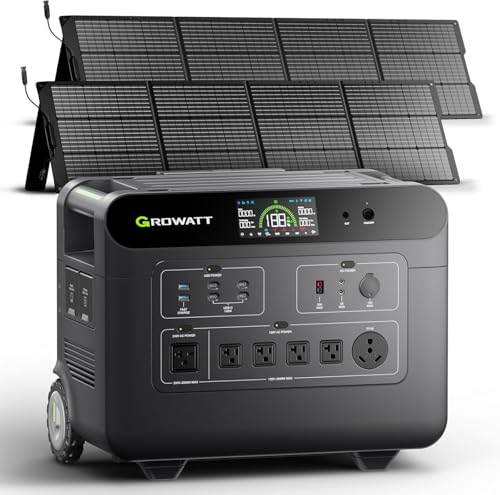
GROWATT HELIOS 3600 with 400W Solar Panel
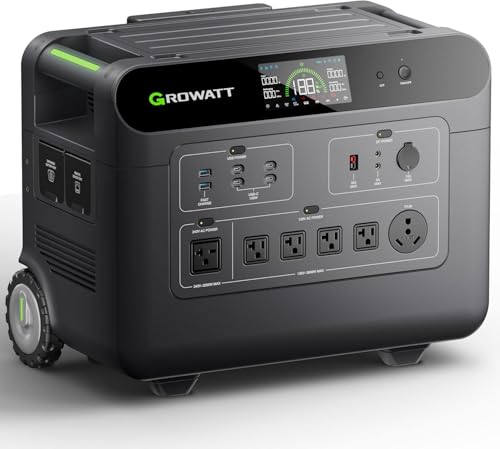
GROWATT HELIOS 3600 Portable Power Station
More Details On Our Top Picks
The DELTA Pro lands in a useful middle zone, large enough for serious outage planning without pushing straight into the most complex setup on this list. Its 120V, 3600W AC output gives you a clear starting point for common household circuits, and the 25kWh expansion path leaves room for future growth.
That fast-charge angle matters most in a busy home where downtime is annoying, not theoretical. The trade-off is simple, though, because you are looking at a big unit that rewards a little planning around storage and placement. Compared with the Jackery HomePower 3000, this ECOFLOW option leans harder into scalable capacity.
Strong Points
- 3600W AC output handles substantial home loads without sounding undersized.
- Expandable capacity gives you room to build a larger backup system later.
- Fast recharging suits households that want the pack ready again sooner.
- Useful for outages, RV trips, and camping, so the gear does not sit idle.
Things To Consider
- The larger footprint calls for a committed storage spot.
- Expansion brings flexibility, but it also adds planning around how far you want to scale.
- This kind of station feels more at home in a garage or utility area than on a shelf.
Feature Snapshot
Who It Suits Best
You fit this pick best if you want a serious home-backup base with room to expand and you like the ECOFLOW ecosystem.
A Better Fit Elsewhere
Jackery HomePower 3600 Plus Portable Power Station suits you better when you want a similar capacity class with a slightly different expansion ceiling and a simpler solar-panel decision.
This one trims some of the guesswork by bundling a 400W solar panel with the DELTA Pro platform. The 23% efficiency claim on the panel helps the bundle feel better suited to homes or campsites where sun exposure is decent and you want a cleaner path from box to backup.
Five AC outlets make the layout more practical for multi-device use, especially during a utility outage or a long weekend away from the grid. Compared with Item 1, the appeal here is the included panel, while the trade-off is that the bundle is less flexible than piecing together your own array.
What We Like
- Solar panel pairing simplifies the first setup step.
- 5 AC outlets give you room for several household items at once.
- The 120V, 3600W station platform is still serious enough for home backup use.
- It fits well for shoppers who want one package rather than matching parts.
Small Caveats
- Panel bundles can be less flexible than building your own array later.
- The system is still substantial, so storage and placement matter.
- Owners tend to do best when they treat the panel as part of a fixed routine, not a toss-it-anywhere accessory.
Core Details
Who Should Grab It
You fit this choice best if you want a ready-to-use solar bundle and prefer fewer separate purchase decisions.
Skip It When
EF ECOFLOW Portable Power Station 3600Wh DELTA Pro is the better path when you want the same base station without committing to the included panel.
The 7200W surge figure gives this Jackery bundle a helpful cushion for appliances that ask for a stronger start than their running draw suggests. That kind of headroom matters in a house with refrigerators, pumps, or similar gear, and it makes the 3072Wh pack feel more capable than the number alone suggests.
Pairing the station with two 200W panels also makes the package feel ready for household solar use out of the gate. Compared with the ECOFLOW bundle above, this one leans more toward surge support and a balanced panel package than outlet count.
Highlights
- 7200W surge output helps with startup-heavy appliances.
- Two 200W panels make the solar side more substantial from the start.
- LFP battery chemistry tends to suit long-term backup planning well.
- 3072Wh storage works for serious but not oversized home needs.
Worth Noting
- The setup is still sizable enough to need a defined storage area.
- Panel placement affects how useful the bundle feels in daily ownership.
- Compared with Item 4, expansion reaches a lower ceiling, so long-range planners may want to compare carefully.
Technical Sheet
Made For
You fit this pick best if you want a solar bundle with strong surge capacity for a home that keeps a few demanding appliances in rotation.
Where A Sibling Pick Shines
Jackery HomePower 3600 Plus Portable Power Station suits you better when expandable capacity matters more than the included two-panel setup.
This Jackery feels built for households that want a cleaner route to long-term backup planning. The 3584Wh battery and 3600W AC output keep it in the same serious-use lane as Item 1, while the 21kWh expansion target gives you a realistic path upward without jumping to the most oversized class.
The optional-panel setup makes sense for shoppers who already know their solar needs or prefer to choose panels separately. The trade-off is that you carry a little more decision-making yourself, but that also leaves room to match the station to your roof space, yard layout, or off-grid routine.
Upsides
- 3584Wh capacity gives you a substantial home-backup base.
- 21kWh expansion target keeps long-term planning open.
- 3600W AC output fits the same demanding class as the larger ECOFLOW unit.
- Optional solar panels let you tailor the setup more closely.
Areas To Watch
- Choosing panels separately adds a bit more shopping work.
- The larger footprint still asks for organized storage.
- For a bundled solar setup, Item 3 is the more plug-and-play route.
Details At A Glance
Best Suited To
You fit this station best if you want a strong base battery and plan to design the panel side around your own setup.
Swap It Out When
EF ECOFLOW DELTA Pro Ultra 6144Wh Power Station is the better fit when you want a larger starting battery and a more aggressive expansion path.
The DELTA Pro Ultra feels aimed at homes that want more than emergency lighting and phone charging. With 6144Wh of storage and 120/240V, 7200W AC output, it sits in a class that makes sense for larger appliance runs and broader household planning.
The expansion path to 90kWh is the big talking point, because it gives you a serious ceiling for future growth. The honest read is that this is more system than some homes need, and that extra headroom comes with more space, budget, and planning pressure than the smaller ECOFLOW units above.
Reasons To Buy
- 6144Wh starting capacity gives you a deep reserve.
- 120/240V support broadens the kinds of home loads you can plan around.
- 7200W AC output puts it well into serious-backup territory.
- 90kWh expansion target leaves substantial room for system growth.
- The LiFePO4 battery platform suits long-haul backup thinking.
Points To Note
- This level of capacity deserves careful placement and storage.
- The system makes the most sense for homes that already know their backup goals.
- For a simpler start, Item 1 is easier to wrap your head around.
Core Details
Whose Shelf It Belongs On
You fit this pick best if you want a heavy-duty backup system and already know you need a larger reserve than the midrange stations offer.
Another Choice May Suit
Jackery HomePower 3600 Plus Portable Power Station suits you better when you want a large battery with a slightly simpler expansion ceiling.
The 5040Wh capacity and 7200W AC output put this Jackery squarely in serious home-backup territory, and the two 200W panels help the package feel complete. For a household that wants a clear path to whole-home planning without jumping to the very largest scale, that combination is compelling.
The 10-year lifespan claim on the LiFePO4 battery is the sort of detail that matters more to planners than to casual weekend users. The catch is that this bundle lives in the premium end of the category, so the value only makes sense when you plan to use it as a real backup platform rather than a nice-to-have accessory.
Best Bits
- 5040Wh storage gives you a substantial battery reserve.
- 7200W AC output supports more demanding home use.
- Two 200W panels make solar collection feel fully considered.
- The LiFePO4 battery and lifespan claim suit long-range planning.
Trade Offs
- This is a large system, so it needs real space.
- The premium positioning makes it most sensible for committed backup planning.
- Compared with Item 3, the focus shifts more toward capacity and lifespan than surge cushioning.
Feature Card
Who Will Love This
You fit this pick best if you want a premium backup package and plan to make real use of the battery and panel bundle.
Look Elsewhere When
GROWATT HELIOS 3600 Portable Power Station with 400W Solar Panel suits you better when you want a slightly different expansion path and a simpler entry point.
GROWATT gives you a 3600Wh base, a 400W panel, and a path to 240V, 7200W AC output, which makes the whole package feel built around household planning instead of casual off-grid dabbling. The 36kWh expansion ceiling is the number that stands out most, because it leaves room for a much larger system later.
Compared with the Jackery and ECOFLOW options above, this one is a strong match for someone who wants a solar-first kit with serious headroom. The practical trade-off is that bigger expansion plans usually mean more attention to setup detail and storage, so it suits organized households best.
Positives
- The bundled 400W panel gets you moving toward solar use right away.
- 3600Wh storage is a meaningful base for home backup.
- 240V and 7200W output make the unit feel ready for larger household work.
- 36kWh expansion potential leaves a lot of room for growth.
- LFP chemistry fits backup-focused ownership well.
Minor Gripes
- That much expansion room can feel like more system than some homes need.
- Storage and cable organization matter more as you scale up.
- The bundled panel helps, though broader solar ambitions may still call for planning.
Feature Rundown
The Right Fit
You fit this pick best if you want a solar bundle with room to scale and you like thinking in whole-house terms from the start.
Reach For A Different Pick When
Jackery Solar Generator 5000 Plus and 2x200W Panels suits you better when you want a larger starting battery and a more premium panel bundle.
This version of HELIOS drops the included panel and keeps the core system focused on storage, 240V output, and expansion room. The 3600Wh base and 7200W AC output make it a direct, backup-first option for homes that already know what they need from the battery side.
That simpler starting point can be a real advantage, especially for households that already own panels or want to design the solar side separately. Compared with Item 7, you give up the bundled 400W panel, but you also get a cleaner entry into the same expansion platform.
Bright Spots
- 3600Wh capacity gives you a solid starting reserve.
- 240V, 7200W AC output makes it suitable for serious backup planning.
- Up to 36kWh expansion keeps long-term flexibility wide open.
- The no-panel version works well for custom solar setups.
Softer Spots
- You need to source the solar side separately.
- Without the bundle, the upfront setup feels a bit more hands-on.
- It suits organized households more than casual one-box shoppers.
Core Details
Built With In Mind
You fit this pick best if you want a solar generator platform first and plan to add the rest of the setup on your own terms.
A Better Fit Elsewhere
GROWATT HELIOS 3600 with 400W Solar Panel suits you better when you want the same platform with an easier first step into solar use.
How To Choose The Right Whole Home Solar Generators
Start With The Loads You Actually Need To Cover
Whole-home backup sounds simple until you list the appliances you want to keep running. Start with the essentials, then look at running watts, surge watts, and battery capacity as a matched set, because a big battery with weak output still leaves you short.
Surge wattage is the brief burst a motor or compressor needs at startup. That matters for refrigerators, pumps, and similar gear in a real outage, while steady AC output tells you what the system can keep running once everything is already on.
Match Capacity To Your Backup Time
Capacity, usually shown in watt-hours or kilowatt-hours, tells you how much energy sits in the tank. A 3,000Wh-class station can cover shorter household interruptions or partial loads, while larger units are better suited to longer outages or heavier appliance mixes.
You also need to think about recharge habits. Fast recharge helps a lot in homes that expect repeated interruptions, while solar input makes more sense for longer outages, RV use, or a steady off-grid routine.
Decide How Much Expansion You Want
Expandable systems are useful because they let you start smaller and add batteries later. That can be a smart path for households that want a single purchase today but expect their backup needs to grow.
The trade-off is complexity. More expansion usually means more planning around space, cabling, and the point where the system starts to feel permanent rather than portable.
Bundle Vs. Bare Station
Some packages include panels, while others leave that choice to you. Bundles suit you when you want a quicker path to solar use, but a bare station can be smarter when you already know the panel size, roof space, or installation layout you want.
That split matters most for homes that are balancing convenience against control. The bundled route is easier, while the separate route often gives you a cleaner long-term fit.
Things Worth Knowing First
Mistakes Worth Dodging
One common miss is focusing only on battery size and ignoring output. A roomy battery still underperforms if the AC output cannot support the appliance mix you plan to use.
Another slip is forgetting the practical side of ownership. Large units need storage, airflow, cable organization, and a realistic place to live, so the sleek marketing shot never tells the whole story.
The Upgrade Payoff
Higher-tier systems usually cost more because they give you more than a larger number on the box. You often get stronger output, wider expansion, better battery chemistry, or a more complete solar bundle, and those parts add up fast.
The upgrade makes sense when you want the system to serve as real backup rather than occasional emergency gear. For a household with larger appliances or longer outages, that extra headroom can be the difference between comfortable and cramped.
Frequently Asked Questions
How much capacity do you need for home backup?
That depends on whether you want partial backup or broader coverage. A larger battery gives you more room for appliances, but output and surge support still matter just as much.
Does a solar panel bundle make ownership easier?
Yes, a bundle cuts down on separate shopping and gets you moving faster. Separate panels still make sense when you already know the size and layout you want.
What is LiFePO4 battery chemistry?
LiFePO4 stands for lithium iron phosphate, a battery type often used in backup-focused systems. It suits this category because the format is built for steady household planning rather than casual gadget charging.
Why does 240V matter?
240V support opens the door to more demanding household circuits and a broader backup plan. It matters most in homes that want more than a few outlets covered.
Are expandable systems worth the extra planning?
They are, when you expect your backup needs to grow over time. The trade-off is that you give yourself a larger setup to manage later.
Closing Thoughts
You can narrow this category quickly by matching capacity, output, and expansion to the way your home actually runs. Smaller households may find the midrange ECOFLOW and Jackery bundles easier to live with, while larger backup plans push you toward the DELTA Pro Ultra or the Jackery 5000 Plus. GROWATT gives you a strong expansion story, especially when you want a 240V-ready platform. Choose the station that fits your space and your outage habits, and the rest gets much easier.
