

Power cuts feel different once your fridge, heat, internet, and sump pump all depend on the same outlet. This roundup keeps the focus on standby generators natural gas and close cousins that suit homes, garages, and bigger properties, so you can match fuel type, transfer setup, and capacity to the way you actually live.
You’ll see portable tri-fuel options alongside true home standby units, because the right choice depends on whether you want emergency flexibility or automatic whole-house backup. The short version: some picks are better for a weekend cabin, others make more sense for a family that wants the house to come back to life on its own.
Quick Look At The Shortlist

DuroMax XP13000HXT 13,000-Watt 500cc Tri Fuel Portable Generator (Black/Blue)
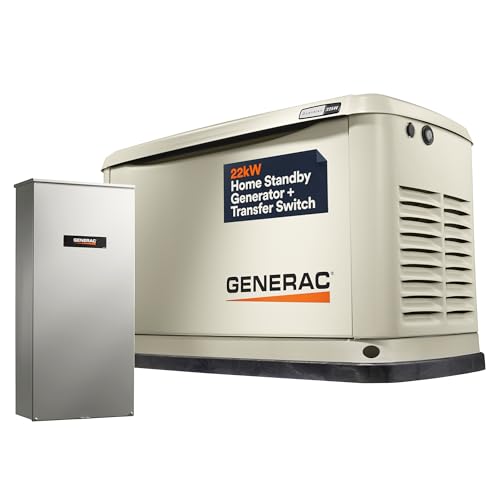
Generac Guardian 22kW Home Generator with Transfer Switch and WiFi Monitoring

DuroStar DS13000MX 13,000-Watt 500cc Dual Fuel Portable Generator

Westinghouse 18000 Peak Watt Tri-Fuel Home Backup Portable Generator

DuroStar DS13000MXT 13,000-Watt 500cc Tri Fuel Portable Generator

WEN 14,500-Watt 120V/240V Tri-Fuel Generator (TF-1450X)

20kW Standby Generator with 200amp TS

Generac Guardian 14kW Home Standby Generator with 100 Amp Transfer Switch
More Details On Our Top Picks
The DuroMax XP13000HXT fits the household that wants fuel flexibility without moving into a full standby install. Its tri-fuel setup gives you gas, propane, or natural gas, and the CO alert adds a useful layer of awareness for garage or backyard use.
In a storm or a planned outage, that mix matters because you can work with the fuel source that makes sense that day. The honest read is that portability also means more hands-on setup than a wired-in standby unit like the Generac Guardian models, so it suits homeowners who do not mind a little extra involvement.
Strong Points
- Tri-fuel design gives you more fuel-path flexibility than the dual-fuel DuroStar DS13000MX.
- 500cc engine size points to serious reserve capacity for appliances, lighting, and common household loads.
- The CO alert is a practical touch for real-world placement near a home exterior.
- Portable format works for properties that need backup power in more than one spot.
Things To Consider
- Portable setup means you still need to handle positioning, connections, and storage.
- It asks more of you than a true standby unit with automatic transfer hardware.
- Wheel and handle details are not part of the source data, so transport convenience may vary by setup.
Feature Snapshot
Who It Suits Best
Homeowners who want a portable backup option with broad fuel flexibility will get the most out of it.
Where A Sibling Pick Shines
Generac Guardian 22kW Home Generator with Transfer Switch and WiFi Monitoring suits you better when you want automatic whole-house standby rather than a movable backup unit.
This is the most clearly home-first option in the group, and that shows up in the automatic transfer setup plus WiFi monitoring. For a household that wants the lights, fridge, heat, and internet to come back without a lot of manual juggling, that combination is hard to ignore.
Compared with the portable DuroMax and DuroStar units, this one lives in the standby lane, not the carry-and-store lane. You do give up portability, though, so it makes sense for a fixed home base rather than a property that needs power in several places.
What We Like
- 22kW class output is suited to more demanding home backup needs.
- Automatic transfer hardware reduces the hands-on work during an outage.
- WiFi monitoring helps you keep an eye on status without standing next to the unit.
- Natural gas or propane fuel choice gives the installation more flexibility.
- Strong fit for households that want a true standby feel rather than a portable workaround.
Worth Noting
- It needs a permanent install, so this is not a casual weekend setup.
- The higher-capacity format can be more than smaller homes really need.
- Service access and placement planning matter more with a fixed outdoor unit.
Core Details
The Right Fit
Households that want full-time standby protection for a fixed residence will benefit most here.
Another Choice May Suit
Generac Guardian 14kW Home Standby Generator with 100 Amp Transfer Switch makes more sense for a smaller home that does not need the larger 22kW footprint.
The DS13000MX keeps the formula simple, with dual-fuel operation and remote electric start for easier handling in rough weather. For a long outage, that remote start can spare you a few trips outside, which matters more than it sounds like it would.
Compared with the tri-fuel DuroMax XP13000HXT, you give up natural gas flexibility, but the trade-off is a cleaner two-fuel setup that still covers most emergency scenarios. It feels well suited to RV use and home backup, especially for households that value a straightforward layout over extra fuel options.
Highlights
- Remote electric start keeps startup simpler in bad weather.
- 500cc engine size supports heavier backup jobs than smaller portables.
- Dual-fuel design gives you gas and propane flexibility.
- Transfer-switch readiness makes it friendlier for home backup planning.
- RV and emergency positioning broadens where you can put it to work.
Areas To Watch
- No natural gas fuel option here, unlike the tri-fuel models in this list.
- Portable storage and upkeep still land on you.
- Remote start helps, but it does not turn this into a fixed standby unit.
Technical Sheet
Made For
You’ll get the most value from this if you want portable backup power with simple fuel choices and remote starting.
Where A Sibling Pick Shines
WEN 14,500-Watt 120V/240V Tri-Fuel Generator (TF-1450X) suits you better when you want natural gas support plus a wheel kit for moving around the property.
The Westinghouse model brings a strong peak watt figure and the same tri-fuel flexibility you see in the DuroMax XP13000HXT, but it leans harder into whole-home backup positioning. Remote electric start and transfer-switch readiness make it feel like a serious outage tool rather than a casual portable.
For households with larger electrical loads, that extra headroom can be welcome, though the trade-off is the usual one for high-output portables, more size and more planning. It suits homes that need stronger temporary backup and can handle a unit that feels closer to heavy equipment than a weekend gadget.
Upsides
- 18,000 peak watts gives you a stronger ceiling for demanding backup scenarios.
- Tri-fuel support adds flexibility for gas, propane, and natural gas use.
- Remote electric start helps during storms or cold-weather starts.
- Transfer-switch readiness makes the home hookup path more straightforward.
Small Caveats
- High-output portable units usually demand more storage space and handling effort.
- It still requires manual placement, unlike a fixed standby system.
- For smaller homes, the output may be more than you need.
Details At A Glance
Who Should Grab It
It suits households that want a high-output portable option for bigger outage loads.
Swap It Out When
Generac Guardian 22kW Home Generator with Transfer Switch and WiFi Monitoring is the better fit for you when automatic standby matters more than portability.
The DS13000MXT looks a lot like the XP13000HXT on paper, but the point here is the same, broad fuel flexibility in a portable frame. For a home that wants natural gas support without giving up propane or gasoline backup, that tri-fuel setup is the core appeal.
Compared with the dual-fuel DuroStar DS13000MX, this one gives you an extra fuel path, which matters in areas where fuel access shifts from season to season. It’s a sensible pick for emergency prep and RV use, though you still need to plan for storage, placement, and routine upkeep like any portable generator.
Best Bits
- Tri-fuel support gives you more backup options than a dual-fuel unit.
- 500cc engine capacity suits larger emergency loads.
- Remote electric start makes cold or wet starts easier to manage.
- Transfer-switch readiness helps it fit home backup plans more cleanly.
- Works across emergency, home, and RV-style use cases.
Room For Improvement
- Portable format still means manual setup every time you need it.
- It won’t match the convenience of a permanent standby generator.
- Size and storage needs are worth planning for before delivery day.
Feature Rundown
Built With In Mind
You’re a good match for this if you want tri-fuel flexibility and portable backup power in one machine.
Look Elsewhere When
Westinghouse 18000 Peak Watt Tri-Fuel Home Backup Portable Generator suits you better when higher peak output matters more than a lighter portable footprint.
The WEN TF-1450X sits in a useful middle lane, with 120V/240V output, tri-fuel support, and a wheel kit for moving it around the property. That wheel kit sounds small, but in practice it makes a big difference for anyone who does not want to wrestle a heavy generator over gravel or a sloped driveway.
Compared with the DuroStar and DuroMax portables, this one feels especially practical for mixed home and jobsite use. The CO Watchdog adds another safety-minded detail, and the trade-off is that you still need to manage a portable system rather than lean on automatic standby behavior.
Positives
- Tri-fuel support gives you gas, propane, and natural gas flexibility.
- 120V/240V output widens the types of household loads it can cover.
- Wheel kit makes movement easier across a driveway or garage floor.
- Transfer-switch readiness helps it fit into home backup setups.
- CO Watchdog is a useful extra for home-adjacent use.
Softer Spots
- Portable operation still calls for hands-on setup and storage.
- It may feel like more machine than a small household needs.
- Wheel assistance helps, though it does not remove the weight entirely.
At A Glance
Whose Shelf It Belongs On
This belongs in the home of a practical setup-minded homeowner who wants flexibility without going fully fixed.
Reach For A Different Pick When
Generac Guardian 14kW Home Standby Generator with 100 Amp Transfer Switch suits you better when you want a permanent standby unit instead of a moveable one.
This is the most stripped-down listing in the group, but the 20kW label plus the 200-amp transfer switch tells you the intent immediately. It’s built for households that want standby scale rather than portable convenience, and that makes it a very different animal from the DuroStar and WEN options.
For a large home with many circuits to cover, that capacity is the main story. The trade-off is simple, you’re stepping into a fixed-install category where planning, placement, and service access matter just as much as wattage.
Reasons To Buy
- 20kW capacity suits larger household backup loads.
- 200-amp transfer switch points to serious home integration.
- Standby format is a better fit for automatic-style outage coverage.
- Works well for homes that want a dedicated backup source.
Minor Gripes
- The source data is sparse, so setup details need extra checking on the product page.
- It is firmly in the permanent-install category.
- Smaller homes could find this more capable than necessary.
Core Details
Best Suited To
You’re the right match here if you want large-home standby support and do not need portability.
Consider Something Else When
Generac Guardian 14kW Home Standby Generator with 100 Amp Transfer Switch fits better for mid-size homes that do not need a 20kW system.
The 14kW Guardian is the more restrained sibling to the 22kW model, and that’s exactly why some households will prefer it. It still brings whole-house standby intent, WiFi support, and the convenience of an included transfer switch, but in a format that makes more sense for mid-size homes.
Compared with the larger Generac Guardian 22kW unit, this one gives up some output and range, yet that trade-off can be the smarter fit for a house with fewer heavy loads. You’ll appreciate it most in a storm-prone area where automatic backup matters, but your electrical needs are closer to moderate than sprawling.
Highlights
- 14kW output suits many mid-size homes well.
- 100-amp transfer switch helps simplify integration.
- WiFi-enabled monitoring adds convenient status checking.
- Natural gas or liquid propane flexibility gives you two common fuel paths.
- Standby design reduces the hands-on work during outages.
Points To Note
- It is still a fixed-install system, so planning comes before placement.
- Smaller backup needs may not justify this much capacity.
- Installation and service access are part of the ownership picture.
Feature Card
Perfect Match For
This is a strong fit for homeowners who want dependable standby coverage without stepping up to the larger 22kW class.
Where A Sibling Pick Shines
Generac Guardian 22kW Home Generator with Transfer Switch and WiFi Monitoring is the better match for you when your home has heavier electrical demands.
How To Choose The Right Standby Generators Natural Gas
Start With Your Power Shape
The right generator choice starts with how much of the house you want to keep alive during an outage. A refrigerator, lights, and a modem ask for a very different setup than central air, electric cooking, and a sump pump running all at once.
Portable tri-fuel units such as the DuroMax XP13000HXT and WEN TF-1450X can cover a useful slice of household life, while the Generac Guardian 22kW and 20kW standby units are built for broader coverage. Think in terms of loads, not just watt numbers, because a generator that fits your essential circuits feels very different from one meant to carry the whole home.
Fuel Flexibility Versus Automatic Standby
Tri-fuel and dual-fuel models give you more room to work with fuel availability, which matters in storm season or on properties that already store propane. That flexibility can be a real advantage, though it usually comes with manual setup and more involvement from you.
True standby units bring a different kind of comfort, because they are designed to sit in place and respond to an outage with less effort on your side. That’s the trade-off: portability and fuel flexibility on one side, automatic convenience and permanent installation on the other.
Transfer Switches, Monitoring, And Start Methods
A transfer switch is the device that moves selected circuits from utility power to generator power, and it matters a lot in home backup planning. Larger switches, like the 200-amp unit on the 20kW standby generator, speak to heavier home integration, while WiFi monitoring adds visibility without a walk outside.
Remote electric start is useful on portable units because it trims some of the physical effort during bad weather. CO alert or CO watchdog features also deserve attention for any generator used close to the home, since they add a practical layer of awareness.
Match The Machine To The Property
Small to mid-size homes often do well with the 14kW standby unit or the 13,000-watt portable options, especially when outage coverage centers on essentials. Larger homes, or homes with more demanding electrical loads, usually need the extra headroom of the 22kW or 20kW standby picks.
Storage and movement matter too. A portable generator suits properties where you may want backup power in more than one place, while a fixed standby generator fits homeowners who value a cleaner, less hands-on response when the power goes out.
What To Weigh Before You Click Through
Mistakes Worth Dodging
One common misstep is focusing only on wattage and ignoring fuel type or install style. A high-output portable unit sounds attractive, but it won’t behave like a standby system if you still need to roll it out, connect it, and manage startup yourself.
Another is underestimating transfer hardware. A home backup plan works better when the generator and switch are sized for the circuits you actually want covered, not just the ones that sound important on paper.
When Paying More Pays Off
Higher-tier units usually cost more because they bring stronger capacity, automatic transfer hardware, WiFi monitoring, or heavier-duty standby construction. Those features make the generator easier to live with during repeated outages, which is where the real value shows up.
You’ll feel the upgrade most in larger homes, storm-prone areas, or properties where uptime matters more than portability. For a small house with modest loads, a leaner portable option can be the smarter spend.
Frequently Asked Questions
Can Standby Generators Run On Natural Gas And Propane?
Some models in this roundup can, while others are limited to gas and propane or to a specific standby fuel setup. The product page should always be your final check.
Do You Need A Transfer Switch?
For home backup use, a transfer switch is the part that makes circuit handling much cleaner and safer from a planning standpoint. Portable generators can work without the same setup, but the experience is less seamless.
Is WiFi Monitoring Worth Having?
WiFi monitoring helps you check generator status without stepping outside during bad weather. That feature matters most for fixed standby units that live far from the main living space.
What Size Generator Fits A Mid-Size Home?
The 14kW standby model is a sensible starting point for many mid-size homes. Bigger electrical loads, especially central air and multiple large appliances, usually push you toward the 22kW class.
Are Portable Tri-Fuel Units Good For Home Backup?
Yes, especially when you want fuel flexibility and a backup option that can also move around the property. They ask for more manual setup than standby units, so they fit hands-on households better.
Final Thoughts
The right choice here depends on how much control you want during an outage. Portable tri-fuel models give you flexibility, while the Generac Guardian and 20kW standby units lean into automatic, whole-home comfort. For a lot of households, that choice comes down to one simple question, do you want backup power you can move, or backup power that waits quietly in place? Match the generator to that answer, and the rest gets much easier.
