

Home backup power gets a lot easier to sort out once you match the generator to the way you actually live. A small inverter unit suits a few essentials and a quieter setup, while a heavier dual-fuel or tri-fuel machine makes more sense for fridges, sump pumps, and longer outages. You’ll also want to think about start method, transfer-switch readiness, and how much fuel flexibility matters in your area.
Quick Look at the Shortlist

Westinghouse 2550 Peak Watt Inverter Generator

Westinghouse 6600 Watt Dual Fuel Home Backup Generator

Champion Power Equipment 4000-Watt Dual Fuel Inverter Generator

DuroStar DS13000MX 13,000-Watt 500cc Dual Fuel Portable Generator
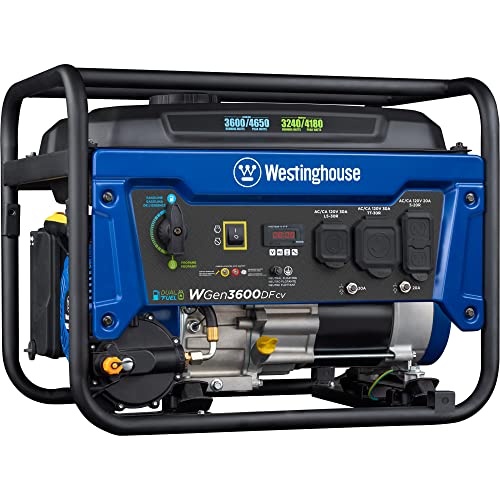
Westinghouse 4650 Peak Watt Dual Fuel Portable Generator

Westinghouse 18000 Peak Watt Tri-Fuel Home Backup Generator
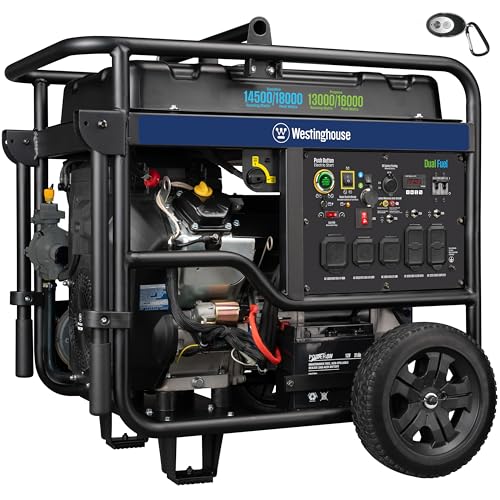
Westinghouse 18000 Peak Watt Dual Fuel Home Backup Generator
More Details On Our Top Picks
For porch lights, a modem, and a few kitchen essentials, this Westinghouse unit keeps the footprint modest. The inverter design usually matters here because it helps keep power steadier for sensitive electronics, and the 30A RV outlet broadens what you can plug in.
The trade-off is simple capacity, which makes this a smarter match for short, targeted backup than whole-room comfort. Commuters, apartment garages, and anyone storing gear in a tight shed will appreciate the lighter carry, while a larger house may outgrow it fast.
Strong Points
- Runs on gas or propane, so you’ve got a second fuel path.
- Inverter output suits electronics that prefer steadier power.
- RV-ready 30A outlet adds travel and campsite flexibility.
- Lightweight format is easier to move from storage to driveway.
Things To Consider
- Smaller output means you’ll need to prioritize the essentials.
- Less suited to whole-home coverage during longer outages.
- Stored fuel and changeovers still call for routine attention.
Feature Snapshot
Whose Shelf It Belongs On
You’ll get the most from this pick in a small home, a garage workshop, or a travel setup where quiet operation and portability matter. It’s a practical first step into backup power rather than a long-term answer for large loads.
A Better Fit Elsewhere
Westinghouse 4650 Peak Watt Dual Fuel Portable Generator is a better match for households that want more breathing room without jumping into the heavier machines.
This one sits in a comfortable middle zone, with enough output to cover a more serious backup list without jumping to the giant-frame models. Remote electric start is the kind of convenience that matters most during a stormy night, and transfer-switch readiness makes the setup path easier for many homes.
It feels better suited to families who want the fridge, a few lights, and selected household circuits running at once. Compared with the compact Westinghouse 2550, you trade portability for a lot more headroom, and that balance is usually the point.
Highlights
- Dual-fuel design gives you two fueling options.
- Remote electric start saves time at the panel or pull cord.
- Transfer-switch readiness simplifies a more permanent backup setup.
- RV-ready outlet adds useful side-task flexibility.
- Better output range for family essentials than smaller portable units.
Points To Note
- More machine to store and move than the lighter inverter pick.
- Planning for fuel storage still matters in long outages.
- Less nimble than a compact unit for quick carry-in use.
Core Details
Built With In Mind
You’ll likely appreciate this most in a suburban home where you want comfort, not just survival lighting, during an outage. It suits shoppers who want a practical step up from small-portable backup without managing a huge machine.
Swap It Out When
Champion Power Equipment 4000-Watt Dual Fuel RV Ready Portable Inverter Generator is the cleaner fit for travel-first users who care more about quieter operation than larger house coverage.
Quiet Technology is the headline here, and that matters in campsites, driveways, and neighborhoods where noise carries. The inverter format also makes this one feel more polished than the heavier DuroStar, though the payoff is more about comfort and flexibility than brute force.
The three-year coverage mention stands out because it signals a longer ownership horizon, which can be reassuring for a home backup tool that may sit idle for stretches. Campers and occasional outage users will probably find the size and dual-fuel setup easier to live with than a full-size house unit.
Reasons To Buy
- Dual-fuel setup broadens your fueling options.
- Inverter design suits lighter, steadier household and travel loads.
- Quiet operation is easier on nearby spaces.
- RV-ready format helps for camping and mobile backup use.
- Three-year coverage mention adds a reassuring ownership detail.
Worth Noting
- 4000 watts keeps it below the larger home-backup class.
- Not the right scale for running many high-demand appliances together.
- Storage still matters, since portable gear needs dry, tidy space.
Details At A Glance
Who It Suits Best
You’re looking at a smart fit for campers, tailgaters, and homeowners who want a quieter backup option for selected essentials. It’s also a clean match for garages and side yards where noise and storage space matter.
Where A Sibling Pick Shines
Westinghouse 6600 Watt Dual Fuel Home Backup Portable Generator makes more sense for families who need a stronger middle ground for household circuits.
This DuroStar jumps into a very different lane from the smaller Westinghouse and Champion units, because the output and 500cc engine point toward serious household backup. Remote electric start is a welcome convenience at this scale, since a large machine should still be straightforward to bring online.
Transfer-switch readiness and RV plus emergency use language make the setup feel broad rather than narrow. You’ll get the most from it in a larger home with multiple high-demand appliances, though the size and storage burden are the obvious trade-off.
Positives
- Large output suits heavier home backup demands.
- Dual-fuel operation gives fuel flexibility.
- Remote electric start improves everyday convenience.
- Transfer-switch readiness supports a home-installed backup path.
- 500cc engine size suggests strong reserve capacity for bigger loads.
Softer Spots
- Bulk and storage needs are more demanding than mid-size options.
- More machine than many small homes will actually need.
- Routine upkeep is part of living with a large portable engine.
Quick Facts
The Right Fit
You’re in the target zone here if you want backup for a larger home, especially where refrigerator, sump, and comfort loads can stack up. It’s a serious setup, not a casual weekend accessory.
Look Elsewhere When
Westinghouse 4650 Peak Watt Dual Fuel Portable Generator makes more sense for smaller homes that want a lighter footprint and less storage burden.
This Westinghouse lands in a very practical spot, because 4650 peak watts gives you enough flexibility for household essentials without dragging you into a much larger machine class. The RV-ready 30A outlet and CO sensor add reassuring utility for mixed home and travel use.
Compared with the 2550 inverter model, you get more breathing room for backup duties, but not the bulky footprint of the bigger home-backup units. It’s a sensible middle choice for garages, townhomes, and smaller houses that still want propane flexibility.
Best Bits
- Dual-fuel setup gives you a propane option for storage planning.
- RV-ready 30A outlet expands how you can put it to work.
- CO sensor adds a useful safety-oriented feature set.
- More practical output than the smallest inverter pick.
Areas To Watch
- Less capacity than the larger home-backup models in this roundup.
- Portable units still need regular fuel and maintenance attention.
- Best as a selective-backup machine, not a full-house answer.
Feature Rundown
Best Suited To
You’ll likely like this most for sensible home backup, especially when storage space and output both matter. It also suits owners who want a cleaner bridge between small-portable and large-home units.
A Better Fit Elsewhere
Westinghouse 18000 Peak Watt Dual Fuel Home Backup Portable Generator is the stronger match for households that need to cover a much broader set of circuits.
Tri-fuel is the headline here, and that extra fuel path can be a big advantage during a long outage or a supply squeeze. Compared with the dual-fuel Westinghouse 18000 below, this one adds natural gas to the mix, which changes how you plan backup power around the house.
Remote electric start and transfer-switch readiness make it feel built for serious home use rather than occasional driveway duty. You’ll probably value it most in a larger home where uptime, fuel flexibility, and easier starting all matter at once.
What We Like
- Tri-fuel setup adds natural gas alongside gas and propane.
- Transfer-switch readiness suits a more integrated home backup plan.
- Remote electric start simplifies operation at a larger size.
- CO sensor adds an important monitoring layer.
- Strong fit for homes that want fuel flexibility first.
Minor Gripes
- Large-frame backup gear takes more storage planning.
- More machine than many smaller households will need.
- Fueling setup deserves extra attention during setup and upkeep.
Key Specs
Who Should Grab It
This suits homeowners who want a backup setup that can lean on more than one fuel source and cover serious household needs. It’s especially appealing where natural gas access changes the long-term plan.
Another Choice May Suit
Westinghouse 18000 Peak Watt Dual Fuel Home Backup Portable Generator makes more sense for households that want large output without adding the third fuel path.
This is the dual-fuel version for households that want a very large backup ceiling without moving to tri-fuel. Remote electric start and transfer-switch readiness make the ownership experience more straightforward, especially on a day when the power is already out and patience is thin.
Compared with the tri-fuel Westinghouse above, you give up the natural gas option but keep the same serious home-backup posture. That trade-off can be fine for homes that already plan around propane and gas, especially where simple setup and broad output matter more than extra fuel variety.
Upsides
- Large dual-fuel format suits substantial home backup needs.
- Remote electric start makes a big unit easier to use.
- Transfer-switch readiness supports home integration.
- Gas and propane compatibility helps with fuel planning.
- Strong fit for homeowners who want high output without tri-fuel complexity.
Room For Improvement
- Heavy backup equipment needs a committed storage spot.
- Not as flexible as the tri-fuel Westinghouse above.
- Routine maintenance and fuel management remain part of ownership.
Core Details
Perfect Match For
This is well suited to a larger house that wants strong output and a familiar two-fuel setup. You’re likely to appreciate it most when the backup plan needs to feel dependable, not clever.
Where Shoppers Go Wrong
Westinghouse 4650 Peak Watt Dual Fuel Portable Generator is the safer fit for homes that don’t need this much capacity and would rather keep storage and handling simpler.
How To Choose The Right Propane Generators For Home Backup
Start With The Loads You Actually Need
Begin with the appliances and circuits you want alive during an outage, not the full wish list. A refrigerator, a few lights, and internet gear call for a very different machine than a sump pump, furnace blower, and kitchen outlets.
Peak wattage only tells part of the story, because startup surges can be much higher than running load. That’s why the middle-size Westinghouse 6600 and the larger 18000-watt units feel so different in practice, even before you look at fuel type.
Choose Fuel Flexibility With Your Area In Mind
Dual-fuel models let you switch between gasoline and propane, which can make storage planning easier. Tri-fuel adds natural gas, and that can be a real advantage in homes with a steady gas connection already in place.
The trade-off is straightforward, more fuel options usually mean a more complex machine and a higher purchase commitment. For many households, two fuels are enough, while the third path starts to matter mainly during longer outages or tighter fuel access.
Pay Attention To Starting And Connection Style
Remote electric start is a real convenience on larger generators, because you avoid repeated pull starts and awkward repositioning. Transfer-switch readiness matters just as much for home backup, since it points toward a cleaner connection to selected circuits.
RV-ready outlets are useful for travel gear or side duties, but they do not replace home backup planning. In other words, a generator can be road-friendly and still need proper setup for the house.
Match Size To Storage And Routine Care
A compact inverter unit stores more easily and suits occasional use, while a large-frame generator usually asks for a permanent corner in the garage or shed. That difference sounds small until you’re moving equipment around in bad weather.
Heavier machines also tend to ask for more deliberate upkeep, from fuel freshness to basic cleaning and checkups. For most homes, the right choice is the one you can store, start, and maintain without dread.
What To Weigh Before You Commit
Hidden Buying Traps
Shoppers often focus on wattage alone and miss the practical bits, like outlet style, startup method, and storage space. A generator can look strong on paper and still feel awkward in a real garage.
Another common miss is assuming propane alone solves everything. Fuel choice helps, but the unit still needs a plan for maintenance, cord routing, and safe placement outside the home.
What The Higher Tier Buys
Higher-tier models usually bring stronger output, remote start convenience, and transfer-switch readiness. That extra money often goes into larger engines, heavier frames, and broader home-backup capability.
The upgrade makes sense for larger homes, long outages, and households that want a more comfortable backup experience. For smaller needs, the added size can be more burden than benefit.
Frequently Asked Questions
What size propane generator works for home backup?
That depends on what you want to keep running, from a few essentials to a much larger set of circuits. A smaller inverter model fits light backup, while the bigger Westinghouse 18000-watt units suit broader household coverage.
Is dual fuel better than propane only?
Dual fuel gives you more flexibility because you can choose between gas and propane. That matters most during long outages or when one fuel source is easier to store.
Do you need transfer-switch readiness for home use?
Not for every setup, but it makes a home-backup plan more straightforward. It’s especially helpful when you want selected circuits tied into the house more cleanly.
Are inverter generators a good fit for backup power?
Yes, for smaller backup needs and electronics that prefer steadier power. They usually make more sense for essentials than for whole-home coverage.
What matters more, fuel type or wattage?
Both matter, but wattage decides how much you can actually run at once. Fuel type matters when you want flexibility, longer storage planning, or multiple supply options.
Final Thoughts
The right propane generator for home backup depends on how much of the house you want to keep moving and how much space you can spare for storage. A compact inverter unit handles modest needs cleanly, while the larger dual-fuel and tri-fuel options bring the breathing room that bigger homes often need. The best fit is the one that matches your circuits, your fuel plan, and your tolerance for size. Choose with your real outage routine in mind, and the rest becomes much simpler.
