

Home backup power gets a lot easier to sort out once you separate small, quiet inverter units from larger tri-fuel workhorses. For a house with occasional outages, a travel trailer, or a garage setup that needs steady output, the right pick depends on how much equipment you want to keep running and how much noise you can live with. This roundup keeps the focus on propane-friendly options that make sense for everyday home use, not just emergency-only storage.
Quick Look At The Shortlist

Westinghouse 2550 Peak Watt Portable Inverter Generator

AIVOLT 1600W Super Quiet Inverter Generator 28lbs Portable for Camping

DuroMax XP13000HXT 13,000-Watt 500cc Tri Fuel Portable Generator

Champion Power Equipment 4000-Watt Dual Fuel RV Ready Portable Inverter Generator

DuroStar DS13000MX 13,000-Watt 500cc Dual Fuel Portable Generator
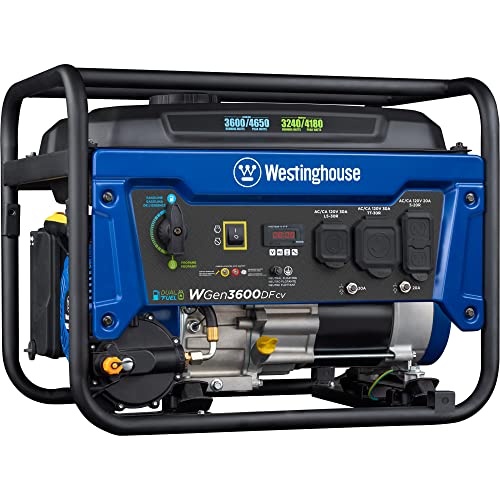
Westinghouse 4650 Peak Watt Dual Fuel Portable Generator

Westinghouse 18000 Peak Watt Tri-Fuel Home Backup Portable Generator

DuroStar DS13000MXT 13,000-Watt 500cc Tri Fuel Portable Generator
More Details On Our Top Picks
Small households and weekend cabins get a very usable middle ground here: a dual-fuel inverter with an RV-ready 30A outlet, plus a CO sensor for added shutoff awareness. Compared with the heavier DuroMax units below, this Westinghouse feels aimed at lighter backup needs, not whole-house ambitions.
The long-run-time angle matters most for outage kits, phone charging, and a refrigerator or two, where quiet operation tends to matter as much as output. The trade-off is simple, you give up the brute-force headroom that larger tri-fuel models offer, so this suits modest loads better than a full-panel plan.
Strong Points
- Dual-fuel flexibility gives you propane-friendly setup options.
- RV-ready 30A output helps with campsite or trailer use.
- Inverter design usually means cleaner power for electronics.
- Lightweight framing makes storage and repositioning less awkward.
Points To Note
- Output stays in a smaller backup class, so whole-home coverage is out of scope.
- Portable gear like this still needs routine fuel and storage attention.
Feature Snapshot
Whose Shelf It Belongs On
You benefit most here if you want a compact propane-capable backup unit for a home office, apartment-adjacent garage, or travel trailer.
Where A Sibling Pick Shines
Westinghouse 4650 Peak Watt Dual Fuel Portable Generator suits you better once your backup list includes a refrigerator, sump pump, and a few more circuits.
That 28-pound frame is the whole story for a lot of people, because portability can matter more than raw output during quick outages or weekend use. The 57 dBA noise claim also points toward calmer campsite or backyard placement, and the pure sine wave output is a useful detail for phones, laptops, and similar gear.
Compared with the Westinghouse 2550 above, this AIVOLT leans even more toward light-duty convenience and easier carrying. The honest read is that it fits smaller loads best, so you should view it as a compact support unit rather than a house-wide answer.
What We Like
- 28-pound weight keeps transport and storage simple.
- Pure sine wave output is friendlier to electronics.
- CO auto-shutoff adds a practical safety-minded layer.
- ECO mode helps stretch runtime in gentler use cases.
Things To Consider
- Running wattage stays modest, so appliance coverage is limited.
- Smaller portable units still need careful fuel handling and regular upkeep.
At A Glance
Made For
You suit this pick best if you want a small inverter generator for cabin weekends, tailgates, or light backup at home.
Another Choice May Suit
Champion Power Equipment 4000-Watt Dual Fuel RV Ready Portable Inverter Generator gives you more breathing room for home backup without jumping all the way to a full-size tri-fuel unit.
This is the first true heavy-duty choice in the lineup, and the 500cc engine plus tri-fuel setup tell you exactly where it sits. Gas, propane, and natural gas compatibility gives you supply flexibility that matters during long outages, especially for homes that want a sturdier backup plan.
Compared with the Westinghouse 4650 and the smaller inverter options, the DuroMax XP13000HXT is built for much larger electrical loads and less compromise. It suits homes with transfer-switch planning or several critical circuits, though the bigger footprint means storage and placement need more thought.
Upsides
- Tri-fuel design gives you more ways to keep it supplied.
- High output suits larger home backup needs.
- CO alert adds another layer of awareness during use.
- Its size makes sense for heavier outage planning.
- Broad fuel choice can reduce dependency on one supply type.
Softer Spots
- Large capacity brings larger storage and positioning demands.
- More substantial equipment usually asks for more routine care.
- Noise and fuel use are worth factoring into a home setup.
Core Details
Best Suited To
You fit this model best if your home backup plan includes multiple appliances, a transfer switch, or a long outage strategy.
Look Elsewhere When
Champion Power Equipment 4000-Watt Dual Fuel RV Ready Portable Inverter Generator makes more sense for lighter home backup, especially where portability matters more than raw output.
For a lot of households, this is the sensible middle lane between the tiny AIVOLT and the much bigger tri-fuel machines. Dual-fuel operation and RV readiness make it adaptable, while the quieter inverter style tends to suit neighborhoods where noise carries.
The trade-off is predictable, since 4000 watts can cover essentials but not every major circuit at once. That makes it a smart step up for backup basics, especially for someone who wants portability without dropping into the very small class.
Bright Spots
- Dual-fuel design adds day-to-day flexibility.
- Inverter construction is a better match for electronics.
- RV-ready setup broadens its use beyond home backup.
- More portable than the large tri-fuel units.
Room For Improvement
- Output is enough for essentials, not an entire house.
- Any portable generator still benefits from regular maintenance and safe storage.
Details At A Glance
Right Fit For
You suit this pick if you want a practical backup generator that feels easier to move than the large home-backup units.
Swap It Out When
Westinghouse 4650 Peak Watt Dual Fuel Portable Generator fits better for home-focused users who want a little more capacity without jumping to the high-output class.
The remote electric start is the detail that changes the feel of this DuroStar, especially in a garage or side-yard setup where convenience matters. Dual-fuel support and transfer-switch readiness also point toward a more serious home-backup plan than the portable inverter models above.
Compared with the XP13000HXT, this DS13000MX trims the fuel menu to gas and propane, which simplifies the formula a bit. That narrower setup suits homeowners who know propane will stay part of their backup routine and want an easier start workflow.
Best Bits
- Remote start is a real convenience during storm season.
- Transfer-switch readiness suits planned home backup setups.
- High output supports multiple household loads.
- Gas and propane flexibility covers more storage habits.
Small Caveats
- Large portable units take planning for placement and storage.
- Remote-start systems still depend on battery readiness and upkeep.
- More power usually means a larger physical footprint.
Quick Facts
Who Will Love This
You fit this model best if you want high-capacity backup with a remote start and a propane-friendly fuel path.
Where Shoppers Go Wrong
DuroMax XP13000HXT suits you better if you want a tri-fuel option, especially for homes that may rely on natural gas as part of the plan.
This Westinghouse sits in a useful middle zone for homes that need more than a tiny inverter but less than a true whole-house machine. The RV-ready 30A outlet and CO sensor add two everyday details that matter in real setups, especially around backup circuits and placement awareness.
Compared with the 2550 model earlier in the list, this one gives you more room for essentials like a refrigerator or sump pump. It’s still a portable unit though, so storage, fueling, and regular upkeep stay part of ownership, nothing exotic, just the usual generator chores.
Positives
- Mid-size output fits common household backup needs.
- Dual-fuel design gives you propane-friendly flexibility.
- RV-ready outlet broadens practical use.
- CO sensor adds useful awareness during operation.
Minor Gripes
- It still stops short of whole-home ambitions.
- Portable gear like this needs space, fuel, and periodic care.
Feature Rundown
The Right Fit
You fit this pick best if you want a practical propane-capable backup generator for common home essentials.
A Better Fit Elsewhere
Westinghouse 18000 Peak Watt Tri-Fuel Home Backup Portable Generator is the stronger match for large houses or longer outage planning.
For larger homes, this is the sort of generator that changes how you think about outage prep. Remote electric start, transfer-switch readiness, and three fuel options make it much more at home in a serious backup setup than the compact Westinghouse or AIVOLT units.
The 18,000 peak watt class gives you room for more circuits, but that scale also means you need a proper placement plan and a realistic sense of fuel use. The honest read is that it suits households with bigger electrical demands, not just a short list of essentials.
Reasons To Buy
- Tri-fuel operation offers flexible backup planning.
- Remote start simplifies use in bad weather.
- Transfer-switch readiness suits home circuit planning.
- High output supports larger backup loads.
- CO sensor adds a useful safety-minded feature.
Areas To Watch
- Large output comes with larger storage and movement needs.
- Fuel planning matters more as capacity rises.
- It’s a serious machine, so maintenance discipline matters too.
Core Details
Built With In Mind
You fit this generator best if your home backup plan covers several important circuits and you want fuel flexibility for longer outages.
Where Shoppers Go Wrong
DuroMax DS13000MXT is the better fit for someone who wants a tri-fuel layout in the 13,000-watt class instead of this larger Westinghouse.
This DuroStar looks a lot like the DS13000MX on paper, but the tri-fuel layout broadens your backup options in a way some households will value more. Remote electric start and transfer-switch readiness keep it aimed at planned home use rather than casual portability.
Compared with the Westinghouse 18000 above, it gives you a slightly different balance between capacity and fuel flexibility. You may find it a good fit for a home that wants serious backup power without moving all the way into the largest class in the list.
Highlights
- Tri-fuel support gives you three fuel paths.
- Remote start makes operation more convenient.
- Transfer-switch readiness works well for home backup planning.
- 13,000-watt class covers substantial household needs.
Worth Noting
- Large-format generators need space and a clear storage plan.
- Fuel choice helps, but you still need routine maintenance.
- It’s less about portability and more about backup capacity.
Feature Card
Perfect Match For
You fit this generator best if you want a tri-fuel backup unit that can anchor a serious home outage plan.
Where A Sibling Pick Shines
DuroMax XP13000HXT is the better match for you if the tri-fuel idea matters and you want a very similar output class with a different DuroMax setup.
How To Choose The Right Propane Generators For Home
Match Output To The Loads You Actually Run
Propane generators for home use fall into two camps, smaller inverter units for essentials and larger open-frame or tri-fuel units for broader backup. Think in terms of refrigerators, lighting, sump pumps, and phone charging before you think in terms of the whole house.
Running watts matter more than the flashier peak figure once the outage starts. That single detail decides whether you can keep a few critical circuits alive or whether you’re constantly choosing what to shut off.
Decide How Much Fuel Flexibility You Need
Dual-fuel and tri-fuel designs buy you breathing room when propane storage, gas supply, or utility access changes. That flexibility is valuable for storm prep, seasonal cabins, and households that want more than one backup path.
The trade-off is usually size, cost, and complexity. A simpler propane-only or dual-fuel unit can be easier to live with, while tri-fuel models make more sense for long-haul outage planning.
Think About Noise, Portability, And Placement
Inverter generators tend to suit neighborhoods, patios, and tighter storage spots because they’re generally quieter and easier to move. Larger home-backup units ask for a steadier placement plan, especially near a transfer switch or a dedicated storage corner.
Weight matters in daily ownership, not just on delivery day. A compact frame saves effort every time you move it for maintenance, fueling, or seasonal storage.
Look For The Features That Make Living With It Easier
CO sensors, electric start, RV-ready outlets, and transfer-switch readiness all reduce friction in real use. Those details are the difference between a generator that sounds good on paper and one that feels manageable during a stressful outage.
The better fit is usually the machine that matches your house layout, your fuel storage habit, and how often you expect to move it. That’s where practical convenience quietly beats raw wattage for many homes.
Before You Click In
Mistakes Worth Dodging
One common slip is buying for peak wattage alone and ignoring running wattage. Another is skipping the outlet type, which matters a lot more than it seems once you need to connect a trailer or a transfer switch.
Storage gets overlooked too. A large generator can fit the power need and still be awkward for a small garage, narrow shed, or crowded utility area.
Where The Extra Money Goes
Higher-tier propane generators usually pay for larger engines, tri-fuel capability, remote start, and more house-friendly connection options. Those features matter because they make backup power easier to use, not just stronger on a spec sheet.
That upgrade makes sense for homes with more circuits, longer outage exposure, or a desire to keep fuel options open. Smaller, quieter units stay the better move for light backup and occasional use.
Frequently Asked Questions
Are propane generators better for home backup than gas-only models?
Propane-friendly units give you another fuel path, which helps during outages and seasonal storage. Gas-only models can still work well, but they give you less flexibility.
What size propane generator fits a typical home?
Smaller homes often do well with mid-size inverter or dual-fuel units for essentials. Larger homes usually need a stronger tri-fuel or high-output portable unit.
Do inverter generators suit home backup use?
Yes, especially for electronics, small appliances, and quieter operation. They usually fit lighter backup needs better than full-house coverage.
Why do some generators have a transfer-switch ready label?
That label points to easier connection with a home setup that uses a transfer switch. It matters most for planned backup, not casual portable use.
What maintenance tends to matter most with propane generators?
Fuel storage, periodic run checks, and general cleaning around vents and controls are important. Owners commonly keep an eye on battery readiness too, especially on models with electric start.
Closing Thoughts
The best propane generator for your home is the one that matches your load list, your storage space, and how hands-on you want to be during an outage. Small inverter units make sense for calm, portable backup, while the larger tri-fuel models bring the muscle for homes with more demanding circuits. You do not need the biggest unit in the group, just the one that fits the way your home actually works. Pick around the outage you’re most likely to face, and the choice gets much clearer.
