

Portable generator covers while running solve a very specific job: they help shield a machine outdoors without boxing in access to fuel or controls. That matters on stormy weekends, at job sites, and in backyards where the generator has to stay put for a while. You also need a fit that matches the generator’s size, because a loose cover can flap around while a tight one can make refueling awkward. The picks below focus on practical enclosure shapes, fabric weight, and the kind of access that makes daily use less fussy.
Quick Look At The Shortlist

GenArmor Generator Covers While Running Standard

Generator Shed For Storing & Running Generator Outdoor (GCE)

Generator Covers While Running 32”L x 24”W x 24”H

NGB Generator Runing Cover 24.8L x 20.2W x 20.8H
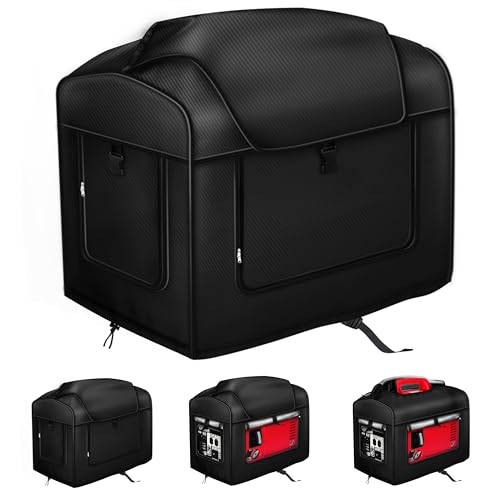
Portable Generator Cover 21.7 x 13.8 x 17.4 in.
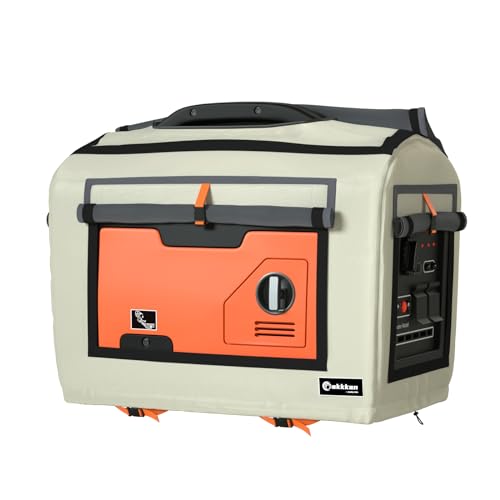
Generator Cover, Generator Running Cover, Four Side Retractable Cover

Waterproof Universal Generator Cover 30″ x 30″ x 26″

32″L x 24″W x 24″H Waterproof Generator Cover While Running
More Details On Our Top Picks
GenArmor leans toward the sturdy end of this category, which makes sense for larger portable units that live outside for long stretches. The enclosure style reads more like a weather shell than a simple fabric wrap, so it suits yards, patios, and backup-power spots where the generator stays exposed.
The trade-off is bulk, because a heavier build usually asks for more space around the machine and a little more attention during setup. Still, that kind of construction tends to appeal to you when durability matters more than compact folding.
What We Like
- Heavy-duty enclosure feel suits rough outdoor placement.
- Made for larger generator sizes, so fit anxiety drops for many 4,000W to 13,000W setups.
- The tent-like shape gives your machine room to stay covered without looking cramped.
- Useful for long-term yard storage between storms or job use.
Things To Consider
- Its larger frame can take more storage space in a shed or garage.
- Setup will feel less nimble than a simpler sleeve-style cover.
- You may want to check clearances carefully around exhaust and control access.
Core Details
Who It Suits Best
Long-term outdoor users with larger generators should feel comfortable starting here, especially around home backup setups and work sites.
A Better Fit Elsewhere
POUNAZE B0CT3SXDP6 suits you better when you want measured dimensions and side-plus-top access in a more compact footprint.
This one stands apart because it tries to handle two chores in the same outdoor spot, running and stored protection. That makes life easier for you when the generator stays put near a house wall, garage side, or service area and you do not want to shuffle gear every time the weather changes.
The flip-side design is the main attraction, though it also means you should expect a little more thinking during setup. For most home backup spots, that extra flexibility will feel worth the attention.
Positives
- Handles both running and storage in one place.
- Simple side-cover changeover reduces daily fuss.
- Works well for a fixed outdoor location.
Softer Spots
- That dual-purpose design can ask for more room than a basic cover.
- You may need a little practice to switch between modes smoothly.
- Best for a planned setup, not constant moving around.
Feature Snapshot
Who Will Love This
You get the most from this design when your generator has a fixed outdoor home and you want a cleaner handoff between storage and operation.
Another Choice May Suit
GENARMOR B0DBQFWR1X is the easier fit for larger machines that just need a sturdy running enclosure without the storage-to-run switching layer.
This POUNAZE pick feels especially useful for you when access matters as much as coverage. The measured 32 by 24 by 24 inch size helps with planning, and the side door plus top opening make it more convenient than a fully enclosed shell.
The double-layer build should appeal to people who want a little more substance than thin, single-sheet fabric, though that usually means a less airy fold-up profile. Compared with GenArmor’s larger tent style, this one looks more direct and easier to sort out around a mid-size machine.
Highlights
- Measured dimensions help you judge fit before ordering.
- Side access supports control use without full removal.
- Top opening makes refueling less awkward.
- Double-layer fabric adds a sturdier feel for outdoor use.
Points To Note
- The fitted shape means you should match dimensions closely.
- More layered fabric can feel a bit stiffer in storage.
- Black finish may absorb more heat in direct sun, so placement matters.
Technical Sheet
Built With In Mind
Mid-size generator owners who want easier access to controls and fuel will get the most from this shape.
Look Elsewhere When
NGB B0CJBYMFC6 suits you better if your inverter generator is smaller and you care most about a lighter, more size-specific enclosure.
NGB focuses on a smaller, more universal inverter-generator footprint, which is helpful when you want the cover to sit neatly instead of swallowing the machine. The top panel for refueling is the useful bit here, since that saves you from removing the whole cover just to top off fuel.
Compared with the larger GenArmor and POUNAZE picks, this one feels more tailored to compact backyard setups. The honest read is that it suits tidy, planned use better than rough, move-it-every-day handling.
Upsides
- Size fits many smaller inverter generators neatly.
- Top panel access helps during refueling.
- 600D and 210D fabric layers point to a firmer outdoor shell.
- Works well for setups that stay in one place.
Room For Improvement
- Best suited to smaller inverter-style machines, so size checking matters.
- The listed footprint may feel snug for taller control housings.
- Four-season outdoor use still calls for regular condition checks.
Details At A Glance
Whose Shelf It Belongs On
You should look here first when you run a smaller inverter generator and want a tidy, refuel-friendly cover.
Skip It When
POUNAZE B0CT3SXDP6 is the smarter move for you if you need larger internal room and side access for control handling.
BOANEN keeps the footprint modest, which is a relief for smaller portable units that do not need a tent-sized shell. The 900D plus 210D Oxford build points to a tougher feel than a basic cover, and the waterproof, UV-resistant, tear-resistant mix covers the everyday weather worries most people actually have.
It’s a sensible fit for a porch corner, patio edge, or side yard where space stays tight. Compared with the bigger NGB and POUNAZE picks, this one feels more compact and easier to live with around smaller equipment.
Reasons To Buy
- Compact size suits smaller generators well.
- 900D and 210D Oxford fabric signals a sturdier build.
- Waterproof and UV-resistant materials help with outdoor exposure.
- Tear-resistant construction is useful for routine handling and storage.
- Easy to place in tight outdoor spots.
Minor Gripes
- Best for smaller machines, so exact dimensions matter.
- A compact cut leaves less room for oversized accessories.
- You may need to keep the fabric clean after dusty yard use.
Feature Rundown
Best Suited To
Smaller portable generator owners who want a tougher everyday cover without a bulky shape.
Where A Sibling Pick Shines
UEAKPIC B0DP9MPRYS is the better match for you if your generator sits in the mid-size range and needs a roomier 32 by 24 by 24 inch profile.
akkkan takes a different tack with four retractable sides, which gives you more control over access than a fixed shell. That matters around small engines where you may need to reach the machine more often, especially during refueling or quick checks.
The khaki finish and fabric layering feel more utilitarian than flashy, and that’s part of the appeal. Compared with BOANEN’s more compact all-purpose cover, this one puts flexibility first for familiar generator models like Honda 2200, Champion, Wen56235i, Genmax, and Westinghouse units.
Best Bits
- Four retractable sides make access simpler.
- Works for operating and stored use.
- Fabric layering supports everyday outdoor wear.
- Broad compatibility helps with popular small-generator models.
Areas To Watch
- Fit still depends on the exact size of your machine.
- Retractable panels add more moving parts to manage.
- Light-colored khaki may show grime sooner than black fabric.
Quick Facts
The Right Fit
You’ll appreciate this most when you use a compact generator from one of the listed compatible lines and want easier access than a fixed box allows.
Reach For A Different Pick When
BOANEN B0F6N3QCXD is the cleaner choice if you want a smaller, simpler cover with a more straightforward shape and less panel management.
TIAOFY goes for a square footprint, and that shape can be easier to place beside a wall or on a flat patio slab. The elastic drawstring is the practical detail here, because it helps the cover stay gathered instead of drifting loose in breezy conditions.
At 30 by 30 by 26 inches, it offers a clean middle ground for generators that are neither tiny nor oversized. Compared with the more rigid-feeling POUNAZE and the heavier GenArmor option, this one feels simpler and more mobile.
Standout Traits
- Square sizing works well in neat outdoor layouts.
- Elastic drawstring helps hold the cover in place.
- 420D Oxford fabric keeps the build straightforward.
- Good match for users who want a lighter setup.
Small Caveats
- 420D fabric is lighter than some thicker-layer picks here.
- The universal shape may need careful fit checking.
- Drawstring setups can need occasional adjustment after repeated use.
At A Glance
Perfect Match For
You should look here when you want a compact universal cover with a tidy square footprint and easy cinching.
Swap It Out When
akkkan B0CD7TR7TK is the better call if you want more panel-style access around a familiar small generator model.
UEAKPIC lands in the middle of the pack size-wise, which is often where a lot of common portable generators live. The 32 by 24 by 24 inch footprint is easy to picture, and the 600D Oxford fabric gives it a more structured feel than ultra-light covers.
For a driveway, backyard, or work trailer, that familiar shape can make selection less stressful. It’s not the flashiest option here, but the broad fit range for 5,000 to 15,000 watt units makes it practical for a lot of households.
Bright Spots
- Roomy mid-size footprint fits many common units.
- 600D Oxford fabric gives the cover a durable feel.
- Broad wattage range helps with compatibility shopping.
- Good everyday choice for regular outdoor placement.
Worth Noting
- You still need to check your exact machine dimensions.
- Mid-size coverage may feel oversized for smaller inverters.
- Black fabric can pick up dust, so basic upkeep helps.
Feature Card
Who Should Grab It
People with mid-size generators who want a straightforward cover with a familiar footprint should start here.
Where Shoppers Go Wrong
BOANEN B0F6N3QCXD is the better fit for smaller machines, since its compact dimensions are easier to match in tighter spaces.
How To Choose The Right Portable Generator Cover While Runnings
Fit Comes Before Fabric
Start with dimensions, not material marketing. A cover that matches the length, width, and height of your generator sits more cleanly, blocks less access, and avoids the awkward tugging that happens with a loose shell.
For compact inverter units, a smaller footprint like BOANEN’s 21.7 x 13.8 x 17.4 inch shape makes more sense than a tent-style enclosure. Larger machines usually benefit from wider clearance, especially around the control area and exhaust path.
Access Matters During Routine Use
Running covers need a way to reach fuel caps, control panels, and cords without dismantling the whole setup. Side panels, top openings, and retractable sections all solve that in different ways, and each one changes how easy the cover feels in real life.
POUNAZE and NGB lean into that kind of convenience, while GENSHED takes a broader storage-plus-run approach. Your best fit depends on whether the generator mostly sits in place or gets handled often.
Fabric Weight Changes the Feel
Denier, the fabric thickness marker used for woven synthetics, helps you compare covers at a glance. Higher denier numbers often point to a thicker, more substantial shell, though that can also mean a stiffer cover and a bit more bulk when folded.
For everyday outdoor use, 600D, 420D, and layered Oxford constructions each occupy a different comfort zone. Pick the one that matches your weather exposure and how often you expect to remove or refit the cover.
Plan For The Spot Around The Generator
The cover is only part of the setup. Space around the unit matters for refueling, handling, and keeping the enclosure from rubbing against walls, railings, or nearby storage items.
Backyard owners with permanent placement usually benefit from more structured options, while occasional users may prefer something lighter and quicker to move. A little extra room around the machine makes the whole arrangement feel less cramped.
Things Worth Knowing Before You Order
Common Shopping Slip Ups
Many people focus on wattage range and forget the physical size of the generator. That leads to covers that sound right on paper but sit too tight around handles, panels, or fuel access.
Another common miss is ignoring how you plan to use the machine. A storage-first box and a running tent do different jobs, so the shape has to match the routine.
Where The Extra Money Goes
Higher-tier covers usually spend more on layered fabric, larger structured forms, and better access layouts. You also tend to see more thought put into closures, panel design, and the way the cover sits outdoors for longer stretches.
That upgrade makes sense when your generator stays outside often or serves as backup power during rough weather. For occasional use in a sheltered spot, a simpler cover can be enough.
Frequently Asked Questions
Do running covers need exact size matching?
Exact matching matters because the cover has to sit safely around the generator without blocking the parts you need to reach. A close size match also keeps the shape tidier outdoors.
Are fabric layers more useful than a single layer?
Layered fabric usually feels more substantial and better suited to rougher outdoor placement. The trade-off is that folding and storing it can take a bit more effort.
What matters more, wattage range or dimensions?
Dimensions matter first because they tell you whether the cover physically fits your machine. Wattage range helps narrow the field, but it does not replace a tape measure.
Are universal covers a safe shortcut?
Universal covers can work well for common generator shapes, especially around standard footprints. You still need to check the listed measurements against your own unit.
Which style works best for regular refueling?
Top-access and side-access covers make refueling easier because you do not have to remove the full enclosure. That kind of layout suits frequent use better than a fully closed shell.
Closing Thoughts
You get the best result here by matching the cover to your generator’s actual shape, not just its output rating. Larger outdoor setups lean toward structured options like GenArmor and GENSHED, while smaller machines make more sense with BOANEN, NGB, or akkkan. For a lot of homes, the real sweet spot is a cover that opens cleanly, sits securely, and doesn’t make a simple refuel feel like a chore. That balance is usually the one you keep appreciating months later.
