

Portable generators cover very different needs, from keeping a CPAP unit and laptop going during a blackout to running an RV, a campsite, or a small jobsite. Some models favor light weight and clean battery power, while others trade that convenience for longer runtime and stronger output. The right choice depends on how much load you need to carry, how often you move it, and how much noise you can live with.
These seven picks reflect that spread. You’ll see compact power stations, inverter models, and more traditional gas units, each with a clear use case and a few honest trade-offs.
The Shortlist At A Glance

DARAN Portable Power Station 89.6Wh LiFePO4 Battery 100W
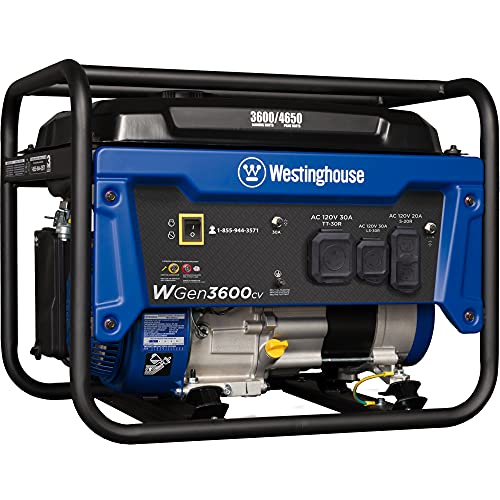
Westinghouse 4650 Peak Watt Portable Generator 30A Outlet

Oxseryn Power Equipment 4400 Watts Inverter Generator ECO Mode

BLUETTI Elite 100 V2 Portable Power Station 1024Wh 1800W

AIVOLT 1600W Super Quiet Inverter Generator 28lbs

Oxseryn 2800-Watts Portable Inverter Generator 1.1Gal Fuel Tank

PowerSmart 3600 Watt Portable Inverter Generator Long Runtime
More Details On Our Top Picks
This DARAN unit fits the small-power side of the portable generator world, where the goal is keeping phones, laptops, and a few essentials alive rather than running large appliances. The LiFePO4 battery, a lithium iron phosphate cell type known for long cycle life and steadier discharge behavior, gives it a more durable profile than many tiny backup packs.
For commutes, light camping, or a desk-side outage kit, the AC outlets and PD fast charging make it easier to keep mixed devices covered. The honest trade-off is capacity, which stays modest, so this makes the most sense as a grab-and-go backup rather than a whole-room solution.
Strong Points
- LiFePO4 chemistry suits frequent use better than basic lithium packs.
- AC outlets let you handle small appliances and chargers together.
- PD fast charging helps a phone or tablet top up without fuss.
- Solar-panel compatibility gives you another charging path for travel days.
Points To Note
- 89.6Wh is compact, so heavy loads are outside its comfort zone.
- You’ll want to keep expectations focused on personal electronics, not room backup.
- The smaller form is easy to store, though capacity naturally stays limited.
Feature Snapshot
Who It Suits Best
You get the most from this pick as a commuter, camper, or apartment dweller who needs light backup power in a small shell.
A Better Fit Elsewhere
BLUETTI Elite 100 V2 fits you better once your backup plan needs far more capacity and faster recovery after outages.
That Westinghouse model moves into classic gas-generator territory, so it speaks more to trailer owners and home backup shoppers than to laptop-only use. The RV-ready 30A outlet is the key detail here, because a 30-amp outlet matches many travel trailer power needs without extra adapters in the mix.
The CO sensor adds a useful layer of shutdown logic, which matters around garages, campsites, and other enclosed spaces where exhaust management always needs attention. It’s a sturdier, more purpose-built option than the tiny DARAN power station, though you’ll also handle fuel, noise, and routine engine care.
What We Like
- 30A RV outlet makes trailer hookup straightforward.
- 4650 peak watts gives you room for larger start-up loads.
- CO sensor adds an important automatic cutoff layer.
- Gas power fits longer runtimes than small battery packs.
- Useful for home outage kits and campsite setups alike.
Areas To Watch
- Gas units need storage space, fuel handling, and basic upkeep.
- The size makes it less convenient for quick carry-and-go use.
- Noise will matter more here than with the battery-based picks.
Core Details
Who Will Love This
You suit this pick best as an RV owner or homeowner who wants a practical gas backup with a proper trailer connection.
Another Choice May Suit
PowerSmart 3600 Watt Portable Inverter Generator fits better for someone who wants a quieter, more compact backup unit for mixed home use.
Compared with the Westinghouse above, this Oxseryn leans into open-frame utility and a lower-noise inverter setup. Inverter means the generator conditions power into a steadier electrical output, which helps sensitive electronics and makes it easier to live with during long stretches at home or on a worksite.
ECO mode is the detail that most clearly speaks to daily use, since it can reduce engine strain when demand drops. The trade-off is that open-frame units usually feel less compact than suitcase-style inverter models, so it suits storage space and lifting strength a bit better than tiny patios or apartment balconies.
Reasons To Buy
- Inverter output suits electronics more comfortably than rougher gas units.
- ECO mode helps match output to lighter loads.
- 4400 watts gives useful room for home backup and tools.
- Low-noise design is friendlier for campsites and neighborhoods.
Softer Spots
- Open-frame builds take up more visual and physical space.
- Gas maintenance remains part of ownership.
- You’ll want a dry storage spot that can handle its size.
Details At A Glance
The Right Fit
You fit this Oxseryn best as a homeowner, DIYer, or camper who needs a flexible gas unit with gentler power delivery.
Where A Sibling Pick Shines
AIVOLT 1600W Super Quiet Inverter Generator suits you better for lighter travel, where carry weight matters more than raw output.
This BLUETTI sits on the more polished end of the portable power station range, with a 1024Wh battery and 1800W output aimed at real household and outdoor backup use. That size puts it well beyond the small DARAN pack, so you can think in terms of larger devices and broader outage coverage rather than just charging a phone.
The 10ms UPS feature, which means uninterruptible power supply switchover measured in milliseconds, matters for desktop gear and other sensitive setups that dislike interruptions. The 70-minute fast charge and smaller footprint also make this model feel tuned for people who want backup readiness without a bulky cabinet sitting in the corner.
Highlights
- 1024Wh capacity gives much more breathing room than pocket-size stations.
- 1800W output supports a serious spread of home and outdoor gear.
- 10ms UPS suits electronics that dislike sudden power drops.
- Fast charging helps the unit return to service quickly.
- Smaller body is easier to place in a closet or utility shelf.
Small Caveats
- It still remains a battery station, so runtime depends on load size.
- The higher-capacity class usually asks for more careful charging habits.
- You pay for the extra flexibility, so it sits above simpler backup packs.
Technical Sheet
Built With In Mind
You suit this BLUETTI best as a home backup shopper, remote worker, or camper who wants a stronger power reserve in a still-manageable form.
Look Elsewhere When
DARAN Portable Power Station 89.6Wh LiFePO4 Battery 100W fits better for very light travel where a smaller and easier-carry option matters most.
After the heavier BLUETTI, this AIVOLT feels built for moving often. At 28 pounds, it is the easiest gas model in this group to picture loading into a hatchback for camping, tailgates, or a quick backup stop at a cabin.
The 57dBA noise figure is useful because lower sound levels matter at campsites and in tight neighborhood spaces. Pure sine wave output, which means a smoother electrical wave shape for sensitive electronics, gives it a cleaner profile than rougher budget gas units, though the smaller running watt figure means you’ll still stay disciplined about what’s plugged in.
Best Bits
- 28-pound weight makes moving and storing it much easier.
- 57dBA target helps it fit quieter outdoor settings.
- Pure sine wave output suits more sensitive electronics.
- CO auto-shutoff adds a useful safety-focused feature.
- ECO mode can stretch runtime during lighter demand.
Worth Noting
- 1260W running power keeps the load ceiling modest.
- Gas upkeep still comes with the territory.
- You’ll want to stay selective about appliances with high start-up draw.
Feature Rundown
Whose Shelf It Belongs On
You fit this AIVOLT best as a camper, traveler, or casual backup user who values light carry weight over bigger output.
Reach For A Different Pick When
Westinghouse 4650 Peak Watt Portable Generator 30A Outlet suits you better once an RV hookup or stronger household start-up load matters more than portability.
This Oxseryn lands in the useful middle ground, where 2800 watts gives you more breathing room than a small travel unit without jumping into the bulkier class. The 1.1-gallon fuel tank helps this model make sense for home backup or a long weekend away, especially when you want fewer refueling pauses.
The fuel shutoff feature is a practical touch for storage and seasonal use, because letting the carburetor run dry is a common way to simplify the next start-up. It’s a stronger all-purpose option than the AIVOLT above, though the extra capacity naturally asks for a little more space and a firmer lifting plan.
Positives
- 2800 watts creates a comfortable middle step for mixed use.
- 1.1-gallon tank supports longer stretches between refueling stops.
- Fuel shutoff helps make storage routines easier.
- Portable size still works for home and camping jobs.
Minor Gripes
- It’s still a fuel-powered machine, so upkeep is part of ownership.
- The 39-pound weight is manageable, though not featherlight.
- Super-quiet expectations should stay realistic in this power class.
Core Details
Best Suited To
You suit this Oxseryn best as a homeowner or camper who wants a practical midrange gas inverter with a good runtime balance.
Swap It Out When
AIVOLT 1600W Super Quiet Inverter Generator fits better for short trips where every pound matters more than runtime reserve.
PowerSmart closes the list with a straightforward shape: enough wattage to feel useful at home, but still in portable inverter territory. That long-runtime angle matters for household outages, because you may want a unit that can sit ready for more than a short burst of use.
Compared with the Oxseryn 2800-Watt model, this one gives you a little more output room without jumping into the heavier gas-generator style of the Westinghouse. The trade-off is the usual one for this class, since more capability generally means you’ll still be mindful of weight, storage, and maintenance basics.
Plus Points
- 3600 watts brings useful headroom for everyday backup.
- Long runtime focus supports outage planning.
- Inverter design suits mixed home and camping use.
- Super-quiet positioning makes it easier to live with outdoors.
Room For Improvement
- Higher output usually means a larger footprint than small travel units.
- You’ll still need fuel and storage planning.
- Quiet operation helps, though no gas unit disappears into the background.
Quick Facts
Perfect Match For
You fit this PowerSmart best as a practical household backup shopper who also wants a camping-capable generator.
Where A Sibling Pick Shines
BLUETTI Elite 100 V2 Portable Power Station 1024Wh 1800W suits you better for indoor-friendly battery backup and quicker handling around electronics.
How To Choose The Right Portable Generators
Match Output To Real Loads
Start with the devices you actually plan to run, not a wish list. A compact power station like the DARAN covers phones and laptops well, while gas units such as the Westinghouse or PowerSmart step into appliance and tool territory.
Running watts matter more than peak watts for day-to-day use, because peak only covers short start-up bursts. That detail is what separates a true backup pick from a unit that looks stronger on paper.
Choose The Right Power Type
Battery stations are quieter, simpler to store, and friendlier for indoor-adjacent backup tasks. Gas inverter generators usually deliver more runtime and stronger output, but they ask for fuel handling and periodic upkeep.
Open-frame models, like the Oxseryn 4400-watt unit, usually fit better where output matters more than compact shape. Suitcase-style or smaller battery units tend to suit apartments, RV bins, and travel bags more naturally.
Think About Noise, Weight, And Storage
Noise becomes a bigger issue than many shoppers expect, especially around campsites, patios, and dense neighborhoods. A 57dBA unit or a super-quiet inverter model can feel much easier to live with than a louder open-frame design.
Weight matters just as much. A 28-pound AIVOLT is far easier to move than a heavier gas backup, and that difference shows up every time you load the trunk or store it in a shed.
Look For Convenience Features That Fit Your Routine
RV-ready outlets, ECO mode, fuel shutoff, fast charging, and CO sensing all solve different ownership problems. A trailer owner gets more from a 30A outlet, while a remote worker may care more about a 10ms UPS switch and quick recharge time.
Good features are the ones you’ll actually use under stress, not the ones that sound impressive in a product title. That’s where the right match starts to feel obvious.
Things Worth Knowing First
Mistakes Worth Dodging
One common miss is choosing output that sounds big enough but forgets start-up load. Another is buying a gas unit for occasional desk backup, then realizing you wanted something simpler and quieter.
Storage also gets overlooked. Fuel care, dry space, and basic maintenance are part of the deal with gas models, while battery units need charging habits and capacity planning.
When Paying More Pays Off
Higher-tier models usually add battery capacity, faster charging, cleaner power delivery, or better runtime. That matters most for home backup, frequent camping, or electronics you don’t want interrupted.
The extra spend can also bring better ergonomics and fewer workarounds, which saves time every time the unit comes out of storage. A bigger system feels less cramped during an outage, and that calm matters more than people expect.
Frequently Asked Questions
What size portable generator suits a small apartment?
A compact power station is usually the cleaner fit for apartments because it stays simple, quiet, and easy to store. The DARAN makes sense for light device charging, not whole-home coverage.
Do inverter generators help with electronics?
Yes, inverter generators produce steadier power that suits phones, laptops, and many other sensitive devices. That’s why the AIVOLT, Oxseryn inverter models, and PowerSmart all make more sense for mixed loads than a rougher gas unit.
Is a CO sensor worth having?
It adds a useful layer of automatic shutdown logic in spaces where exhaust control matters. The Westinghouse model is the clearest example in this list.
How much runtime should you look for?
For short outages or travel, modest runtime can be enough. For longer home backup or repeated use over a weekend, the PowerSmart and Oxseryn 2800-watt model make a stronger case.
What matters more, wattage or portability?
Wattage matters for what you can run, while portability decides whether you’ll actually move and store it easily. The best match balances both, instead of pushing one far past the other.
Closing Thoughts
The right portable generator depends on how you actually live, not just how much output looks good on a page. A small battery unit makes sense for travel and light backup, while a gas inverter or open-frame model fits households, RVs, and longer outages better. The seven picks here cover that spread without forcing one style to do every job. Choose the one that matches your load, your storage space, and your tolerance for noise, and the rest becomes much easier.
