

Home backup power is less abstract once the lights go out, the fridge hums louder, and the furnace needs to keep running. This roundup focuses on whole-home and transfer-switch-ready picks for households that want a steadier answer to outages, storm season, and everyday electrical interruptions. You’ll see portable tri-fuel units alongside standby models, so the right fit depends on your space, fuel access, and how hands-off you want the setup to be. Some choices lean toward versatility, others toward automation, and that split matters.
Quick Look At The Shortlist

DuroMax XP13000HXT 13,000-Watt 500cc Tri Fuel Generator (Black/Blue)
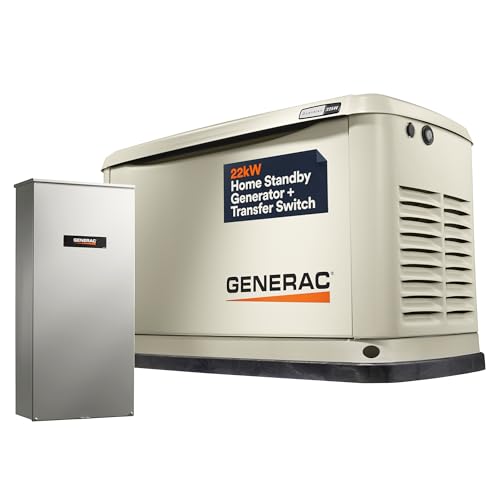
Generac Guardian 22kW Home Generator with WiFi Monitoring

Westinghouse 18000 Peak Watt Tri-Fuel Home Backup Generator

Westinghouse 12000 Peak Watt Tri-Fuel Portable Inverter Generator

Westinghouse 28000 Peak Watt Tri-Fuel Home Backup Generator

DuroStar DS13000MXT 13,000-Watt 500cc Tri Fuel Generator

Generac Guardian 14kW Home Standby Generator with 100 Amp Transfer Switch

WEN 14,500-Watt 120V/240V Tri-Fuel Generator TF-1450X
More Details On Our Top Picks
The XP13000HXT suits homes that want fuel flexibility without moving straight into standby territory. Its tri-fuel setup lets you plan around gas availability, propane storage, or a natural gas line, which is useful in neighborhoods where outages stretch past a single evening.
That portability also keeps the conversation grounded, because this is still a moveable generator rather than a permanent installation. For a workshop, a mixed-use home, or a property that needs backup power plus mobility, it’s an easy model to understand.
Strong Points
- Tri-fuel capability gives you more fuel options during long outages.
- 13,000 watts of output supports a serious household backup load.
- The 500cc engine size points to confident reserve power for heavy starts.
- CO Alert adds another layer of shutdown awareness in enclosed-risk situations.
- Portable format works for job sites, garages, and temporary home backup.
Things To Consider
- Portability comes with the usual trade-off, you still need a proper setup plan.
- Tri-fuel flexibility is helpful, but storage and fuel switching add routine upkeep.
- It sits in the louder, heavier class of portable generators rather than quiet inverter territory.
Feature Snapshot
Who It Suits Best
Households that want a high-output portable backup unit with fuel flexibility will get the most out of this DuroMax.
Where A Sibling Pick Shines
Generac Guardian 22kW Home Generator with WiFi Monitoring suits you better when permanent standby automation matters more than portability.
This is the most straightforward standby-style pick in the group, and that matters for homes that want backup power to feel automatic. The transfer switch and WiFi monitoring point to a system built for people who’d rather check status remotely than wheel out equipment during a storm.
In a busy household, that hands-off approach can be worth more than raw portability. The trade-off is obvious, too, because permanent standby equipment asks for a more committed installation path than the portable DuroMax units earlier in the list.
Upsides
- 22kW capacity fits demanding whole-home backup needs.
- Transfer switch support makes it a strong standby foundation.
- WiFi monitoring lets you track status without standing by the unit.
- Natural gas or propane compatibility adds planning flexibility.
- Automatic backup behavior suits long outage routines and travel days.
Minor Gripes
- Permanent installation is a bigger project than using a portable generator.
- WiFi features help with oversight, but they don’t reduce setup complexity.
- The standby format is less versatile for job-site or moving-use scenarios.
Core Details
The Right Fit
Homeowners who want automatic standby coverage and remote monitoring will get the clearest value from this Generac.
Another Choice May Suit
WEN 14,500-Watt 120V/240V Tri-Fuel Generator TF-1450X makes more sense for anyone who wants a portable unit with a fuller feature set.
This Westinghouse sits in a useful middle ground, with enough peak power to handle serious home backup needs while still staying in the portable generator lane. Remote electric start reduces the fuss, which matters more than it sounds when weather is rough and the unit lives outside.
Compared with the Generac standby model, this one asks less from installation and more from your fuel and placement planning. For households that want a large portable rather than a permanent system, that balance is often the right compromise.
Highlights
- 18,000 peak watts gives you a wide buffer for home backup loads.
- Tri-fuel design helps you plan around gas, propane, or natural gas access.
- Remote electric start trims the effort of startup routines.
- Transfer-switch ready design fits more structured home backup setups.
- CO sensor adds an important awareness feature for placement planning.
Worth Noting
- As a portable model, it still needs storage space and outside placement.
- Remote start is convenient, but battery maintenance becomes part of ownership.
- Peak wattage is useful, though sustained load planning still matters.
Details At A Glance
Best Suited To
Shoppers who want high-capacity portable backup with remote start will find this Westinghouse a strong fit.
Swap It Out When
Generac Guardian 14kW Home Standby Generator with 100 Amp Transfer Switch fits better when you want a fully automatic standby setup.
The inverter design changes the tone here, because cleaner output matters when your backup load includes electronics, networking gear, or other sensitive household devices. Compared with the bigger Westinghouse portable above, this one trades raw peak output for a more polished power profile and parallel capability.
That makes it appealing for homes that want backup support without treating every outage like a full construction project. The CO sensor and transfer-switch-ready design round out a package that feels carefully aimed at more modern household setups.
Bright Spots
- Inverter architecture is a smart fit for electronics-heavy homes.
- Low total harmonic distortion means cleaner electrical output in practice.
- Parallel capability gives you room to scale with another compatible unit.
- Remote start reduces the friction of getting backup power online.
- CO sensor improves awareness around exhaust safety and placement.
Areas To Watch
- Inverter generators are usually chosen for cleaner output, not raw bulk power.
- Parallel operation only matters when you plan around a second compatible unit.
- Portable storage and fuel handling still apply, just as with other moveable generators.
Spec Overview
Who Should Grab It
Households with electronics, networking gear, or mixed backup needs will appreciate this Westinghouse most.
Not Your Match When
Westinghouse 28000 Peak Watt Tri-Fuel Home Backup Generator suits larger load plans better, especially where raw output matters more than cleaner power.
This is the brute-force option in the list, aimed at homes that need a larger reserve than most portable units provide. Remote electric start helps offset the size, because getting a large generator into service is easier when startup doesn’t feel like a manual workout.
For large properties, multiple high-draw appliances, or households that want a wide safety margin, the appeal is clear. The honest read is that this much output makes more sense for demanding backup plans than for modest homes with only a few essentials.
Reasons To Buy
- 28,000 peak watts gives you an unusually large portable backup ceiling.
- Tri-fuel flexibility helps during extended outages or shifting fuel access.
- Remote electric start reduces friction for a generator of this size.
- Transfer-switch-ready design supports a more structured backup layout.
- Suitable for homes with heavier startup loads and broader circuit needs.
Points To Note
- This size class asks for serious storage room and careful placement.
- Higher output usually means more weight, more noise, and more upkeep attention.
- It can be more generator than smaller homes really need.
Feature Card
Who Will Love This
Large households and properties with heavier electrical demand will get the most practical use from this Westinghouse.
Look Elsewhere When
DuroMax XP13000HXT 13,000-Watt 500cc Tri Fuel Generator fits smaller backup plans better and is easier to live with day to day.
The DS13000MXT lands in the same general power class as the DuroMax above, but it leans harder into whole-home backup language and remote electric start convenience. That mix makes it feel ready for garages, RV setups, and emergency planning without drifting into a more permanent standby footprint.
You may find it especially practical for mixed-use properties, where one generator needs to cover home backup, travel support, and occasional work outside the house. The trade-off is that it’s still a large portable, so placement and upkeep stay part of the routine.
Best Bits
- Tri-fuel support gives you flexibility similar to the DuroMax XP13000HXT.
- Remote electric start makes startup easier in bad weather.
- Whole-home backup positioning suits emergency planning well.
- Transfer-switch-ready design helps with more structured installation plans.
- RV and emergency use broaden the range of ownership scenarios.
Softer Spots
- Large portable generators still need outdoor placement and storage space.
- Remote-start convenience usually means paying attention to battery condition.
- It competes directly with the DuroMax XP13000HXT, so fuel preference may decide it.
Quick Facts
Best Suited To
Households that want a remote-start tri-fuel generator with broad emergency utility should look closely at this DuroStar.
Skip It When
Generac Guardian 22kW Home Generator with WiFi Monitoring fits you better when a fully automatic standby system is the priority.
This Guardian is built for people who want backup power to step in quietly, not demand attention. The 100 amp transfer switch and automatic whole-house role make it the most set-and-forget style pick in the roundup, which is exactly why it belongs near the top.
Compared with the portable Generac 22kW model, this one is more focused on standby simplicity than remote monitoring extras. For households that already know they want a permanent backup system, that cleaner focus is a real strength.
Standout Traits
- Automatic backup behavior makes outage handling feel less hands-on.
- 14kW output suits many homes that need whole-house continuity.
- 100 amp transfer switch supports a more integrated installation.
- Natural gas or liquid propane operation gives you fuel-path flexibility.
- WiFi enabled monitoring adds convenience for status checks.
Honest Caveats
- Permanent standby systems need more planning than portable generators.
- It asks for a home setup that can support the transfer switch hardware.
- The 14kW output is strong, but larger estates may want more headroom.
Feature Rundown
Who Should Grab It
Homeowners who want automatic whole-house backup with a transfer switch belong here.
A Better Fit Elsewhere
Westinghouse 12000 Peak Watt Tri-Fuel Portable Inverter Generator suits you better when cleaner power and portability matter more than full standby automation.
The WEN TF-1450X reads like a utility-focused portable generator, with electric start, a wheel kit, and transfer-switch readiness all in the same package. That combination makes it easier to move, easier to stage, and easier to connect than many bare-bones units in this class.
Compared with the Westinghouse inverter, this model is less about polished power quality and more about practical hardware. For homeowners who want useful backup features without stepping into a full standby installation, that is a sensible trade.
Plus Points
- 14,500 watts gives you a healthy amount of household backup capacity.
- 120V/240V output broadens the kind of loads you can support.
- Tri-fuel flexibility helps during fuel shortages or long outage stretches.
- Electric start and wheel kit make handling less cumbersome.
- CO Watchdog adds another awareness feature for outdoor placement.
Room For Improvement
- It still occupies the large portable category, so storage matters.
- Power-focused portable units usually need more care around fuel and maintenance.
- It lacks the automatic standby behavior found on the Generac Guardian 14kW.
Feature Card
Built With In Mind
Homeowners who want a feature-loaded portable generator for backup and transfer-switch use will appreciate this WEN.
Reach For A Different Pick When
Generac Guardian 22kW Home Generator with WiFi Monitoring suits you better when a fully automatic standby system is the goal.
How To Choose The Right Natural Gas Whole House Generators
Match Output To Real Household Load
Whole-house backup starts with load planning, not brand loyalty. A smaller home with a fridge, lights, internet gear, and a furnace blower can live in a very different wattage range than a larger property running multiple HVAC circuits, well pumps, or electric cooking equipment. The visible label matters less than how many essentials you want online at the same time.
That’s why the 14kW and 22kW standby models sit in a different lane from the 13,000-watt portable units. Higher output usually gives you more breathing room during startup surges, which is the brief spike when motors and compressors first kick on.
Decide Between Standby And Portable
Standby generators are built for a permanent home role, with automatic behavior and transfer-switch integration. Portable tri-fuel models ask more of you, but they also give you mobility, broader fuel options, and easier repositioning for storage or service access.
In a storm-heavy area, standby convenience can be worth the install effort. On a property that needs backup power for work, travel, or multiple uses, a portable unit can make more sense than locking yourself into a fixed system.
Look Closely At Fuel Flexibility
Tri-fuel models run on gas, propane, and natural gas, which gives you room to adapt when one source is harder to secure. That flexibility is practical, not decorative, especially during extended outages or in homes where one fuel source is easier to store than another.
The trade-off is that fuel versatility also means more planning. You’ll want to think about hose connections, storage space, and which source is easiest to access in an outage, because the best generator on paper still needs a workable fuel path.
Choose Comfort Features With Purpose
Remote electric start, WiFi monitoring, CO sensors, and low-THD inverter output solve different problems. Remote start helps outside placement feel less awkward, WiFi monitoring helps you check status without stepping outdoors, and low THD matters most for electronics-heavy homes.
CO alerts and sensors are worth taking seriously as awareness features, especially for portable units staged away from the house. They do not replace careful placement, but they do add another layer of convenience and caution for everyday ownership.
Things Worth Knowing First
Mistakes Worth Dodging
One common slip is buying output capacity without mapping actual home loads. Another is assuming every fuel option is equally convenient, because natural gas, propane storage, and gasoline all create different ownership routines.
Portable units also need outside space, so storage and seasonal placement matter more than many shoppers expect. A generator that fits the wattage brief but not the driveway or garage can become a hassle very quickly.
What The Higher Tier Buys
More expensive models usually bring bigger electrical headroom, automatic standby behavior, cleaner inverter power, or better convenience features. In this category, that often means easier startup, steadier monitoring, or a transfer-switch package that feels more complete out of the box.
Spending more makes sense when your home has critical loads, frequent outages, or a strong preference for hands-off operation. For lighter backup needs, a midrange portable can cover the job without paying for capacity you won’t use.
Frequently Asked Questions
Can natural gas whole house generators run every appliance?
Not always, because total load depends on the generator’s output and the house’s demand. A whole-house setup usually covers essentials first, then heavier circuits only when capacity allows.
What’s the difference between standby and portable backup units?
Standby models are permanent and automatic, while portable units need staging and setup. Portable choices usually give you more mobility and fuel flexibility.
Why do some models mention inverter output?
Inverter generators are designed to provide cleaner electrical power. That matters most for homes with sensitive electronics, network gear, or equipment that benefits from steadier output.
Does tri-fuel capability matter in a home backup setup?
Yes, because it gives you more ways to keep power available during an outage. The value shows up most when one fuel source is easier to secure or store than the others.
What size generator works best for a larger home?
Larger homes usually need more headroom, especially for HVAC starts and multiple circuits. That’s why 14kW, 18kW, 22kW, and higher-capacity portable units appear in this roundup.
Closing Thoughts
The right natural gas whole house generator depends on how you want backup power to behave in real life. A standby model like the Generac Guardian units gives you a more automatic path, while tri-fuel portables from DuroMax, Westinghouse, DuroStar, and WEN give you flexibility and mobility. Match the output to your actual circuits, then decide how much installation work you’re willing to take on. Once those two questions are clear, the short list gets much easier.
