

Natural gas standby generators matter most when you want backup power that feels settled, not improvised. For households that lose power during storms, remote-start comfort and transfer-switch readiness change the whole experience, especially around fridges, sump pumps, lights, and internet gear. Portable models still have a place, too, because some homes need flexible fuel options more than full-house coverage. The shortlist below separates heavy home backup units from smaller, quieter options so you can match capacity to your actual outage routine.
Quick Look At Our Shortlist

DuroMax XP13000HXT Tri Fuel Portable Generator

Champion Power Equipment 4000-Watt Dual Fuel RV Ready Inverter Generator
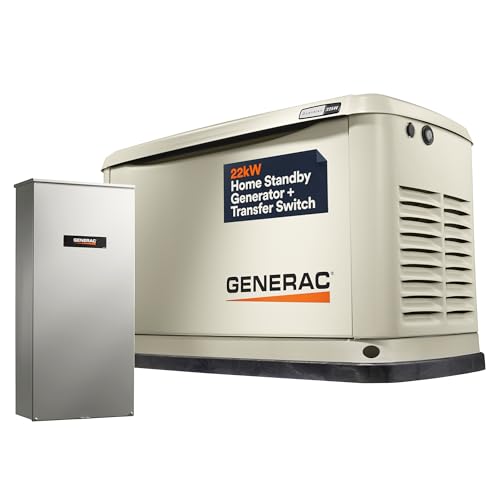
Generac Guardian 22kW Home Generator

DuroStar DS13000MX Dual Fuel Portable Generator

Westinghouse 9500 Peak Watt Dual Fuel Home Backup Portable Generator

Westinghouse 18000 Peak Watt Tri-Fuel Home Backup Portable Generator
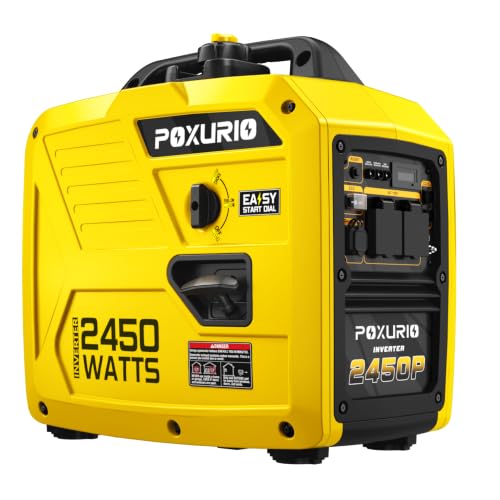
2450-Watt Inverter Generator for Home Use

Westinghouse 28000 Peak Watt Tri-Fuel Home Backup Portable Generator
More Details On Our Top Picks
That tri-fuel setup is the reason this DuroMax sits near the top of a standby-focused roundup. You get gas, propane, and natural gas compatibility in one frame, which matters during a long outage when fuel access can change fast. The CO alert adds a safety-oriented layer that many portable units skip.
For a house that wants serious backup without going fully permanent, this style makes sense. The trade-off is weight and bulk, so storage and movement are not casual tasks. It suits you best when you want a hard-working unit for storm prep, jobsite support, or whole-home essentials.
Reasons To Buy
- Tri-fuel flexibility gives you more fuel paths during disruptions.
- The 500cc engine size points to stronger load support than light-duty portables.
- CO alert adds an extra layer of household awareness.
- Portable form keeps it usable beyond emergency backup alone.
Points To Note
- Large portable generators take more storage space than compact inverter units.
- Fuel switching and setup are less simple than on a small camping model.
- Moving it around a property is easier with help, not one hand.
Core Details
Who It Suits Best
Households that want one portable unit for stronger backup coverage and multiple fuel choices fit this DuroMax well.
Where A Sibling Pick Shines
Generac Guardian 22kW Home Generator suits homeowners who want a permanent, automatic setup instead of a portable machine.
Compared with the DuroMax above, this Champion is the lighter, quieter route for mobile power needs. The inverter design helps deliver steadier output for sensitive electronics, which is why it suits RV trips, tailgates, and weekend cabins so well. Dual fuel support gives you flexibility without pushing into the size class of the larger home-backup units.
The honest read is that this is not the pick for a big house during a long outage. It fits better where portability, lower noise, and cleaner power behavior matter more than sheer capacity. That balance makes it practical for travelers who want a generator that feels measured, not overbuilt.
What We Like
- Inverter output is better suited to electronics than basic open-frame power.
- Dual fuel support gives you another fuel path on the road.
- Quiet technology is a strong fit for campgrounds and tight neighborhoods.
- RV-ready design aligns well with travel setups.
Small Caveats
- Power capacity stays well below the larger home-backup units in this list.
- Quiet operation does not remove the need for outdoor placement and airflow.
- Smaller fuel and output class means you plan loads more carefully.
Feature Snapshot
Made For
Travelers, RV owners, and weekend campers who want portable dual-fuel support with steadier power behavior.
Another Choice May Suit
Westinghouse 9500 Peak Watt Dual Fuel Home Backup Portable Generator makes more sense for you if your backup plan centers on house essentials instead of travel gear.
The Generac shifts the conversation from portable backup to permanent house coverage. Transfer switch support and WiFi monitoring make sense for homeowners who want a system that stays ready without constant checking, almost like having a standby guard at the door. Natural gas or propane compatibility also gives you a cleaner planning path than a single-fuel setup.
For a full-time residence, this is the most infrastructure-minded option in the lineup. The catch is that installation and commitment are both bigger than with the portable DuroMax or DuroStar units. That trade-off pays off when you care about automatic home backup more than mobility.
Highlights
- Whole-house backup framing suits larger residences.
- Automatic transfer support is useful during sudden outages.
- WiFi monitoring helps you keep an eye on status remotely.
- Natural gas and propane support adds flexibility in home planning.
- Transfer switch pairing aligns with permanent backup setups.
Areas To Watch
- Permanent setups require more planning than portable generators.
- Best results depend on proper system installation and matching household load.
- Less suited to anyone who wants a machine they can move around often.
Details At A Glance
Right Fit For
Homeowners who want a stationary backup system with remote visibility and stronger outage coverage.
Swap It Out When
DuroMax XP13000HXT Tri Fuel Portable Generator makes more sense for you if you need movement, temporary deployment, or a portable backup solution.
Right beside the DuroMax, this DuroStar reads as the more convenience-focused twin. You still get a large 500cc dual-fuel portable format, but the remote electric start is the kind of feature that matters most during messy weather or an early-morning outage. Transfer-switch readiness also keeps it in the serious home-backup lane.
You may find it especially appealing for a garage-kept backup unit that needs to be quick to start and simple to hand off. The limitation is the same as most large portables, storage and transport take real effort. For many households, that is an acceptable trade if remote starting is a priority.
Bright Spots
- Remote electric start reduces the friction of getting power back online.
- Dual fuel support keeps fuel planning flexible.
- Transfer-switch readiness fits household backup use well.
- Large portable frame can cover more demanding backup jobs than small units.
Worth Noting
- Large size brings the usual storage and moving burden.
- Owners tend to need a clear setup spot, not a cramped shed corner.
- Remote convenience helps most after proper fuel and placement planning.
Spec Overview
Best Suited To
Shoppers who want a large dual-fuel portable generator with remote starting and home-backup orientation.
Look Elsewhere When
Champion Power Equipment 4000-Watt Dual Fuel RV Ready Inverter Generator fits you better when quiet portability matters more than raw home-backup strength.
This Westinghouse lands in the practical middle ground. It gives you dual-fuel backup, electric start, and transfer-switch readiness without pushing all the way into the bulk of the 13,000-watt portables. For many suburban homes, that balance is easier to live with because it supports essential circuits without feeling oversized.
The CO sensor adds a useful safety-forward touch, especially for households that want a backup unit with more attention to placement awareness. The compromise is straightforward, you give up some headroom compared with the larger DuroMax and Westinghouse tri-fuel models. That makes it a smart fit for moderate emergency loads, not sprawling whole-house demands.
Upsides
- Electric start makes routine use less cumbersome.
- Transfer-switch readiness helps with home integration.
- Dual-fuel support gives you practical fuel flexibility.
- CO sensor adds a helpful monitoring feature.
Room For Improvement
- Power output sits below the larger home-backup portables here.
- Bulk is still present, so storage planning matters.
- The setup is better for essential loads than entire-property coverage.
Technical Sheet
Whose Shelf It Belongs On
Households that want a practical dual-fuel standby-style backup option for essential circuits and routine outage coverage.
A Better Fit Elsewhere
Westinghouse 18000 Peak Watt Tri-Fuel Home Backup Portable Generator suits larger properties that need more output and a third fuel path.
This model pushes further than the 9,500-watt Westinghouse in both fuel flexibility and output class. The tri-fuel setup matters for households that want natural gas in the mix, because it reduces dependence on a single fuel source during long outages. Remote electric start and transfer-switch readiness round it out as a serious home-backup portable.
For larger properties, that extra output can make the difference between covering essentials and covering more of daily life. The catch is predictably bigger footprint and more planning around placement and storage. It makes sense for you when backup power needs to feel close to whole-home support without moving to a permanent generator.
Best Bits
- Tri-fuel support includes natural gas, propane, and gasoline.
- Higher peak output suits larger emergency loads.
- Remote electric start keeps operation more convenient.
- Transfer-switch readiness helps the unit fit home use.
- Good match for houses that need more than just appliance coverage.
Softer Spots
- The size class asks for meaningful storage space.
- Setup is better suited to a planned backup location.
- Portability exists, but this is still a heavy machine.
Feature Rundown
Built With In Mind
Homeowners with larger outage loads who want a portable generator that still speaks the language of serious standby backup.
Reach For A Different Pick When
Westinghouse 9500 Peak Watt Dual Fuel Home Backup Portable Generator fits you better if your outage plan centers on fewer circuits and easier storage.
Against the larger backup units in this roundup, this POXURIO is plainly the small-footprint option. It suits lighter household needs, campsite-style use, and basic outage support where you care more about easy placement than heavy load coverage. The 1.6-gallon tank and 8.3-hour runtime claim point to a setup designed around convenience, not bulk.
That makes it a sensible match for apartments, compact storage spaces, or a garage shelf that can’t handle a giant frame. The limitation is obvious, its output is far below the larger standby-style portables and nowhere near the permanent-home options. For simple backup and travel power, though, the size advantage is hard to ignore.
Positives
- Small footprint helps with storage and transport.
- Inverter design is better aligned with sensitive electronics.
- Gas-powered setup stays straightforward for simple use cases.
- The runtime claim gives you a clearer sense of day-to-day planning.
Things To Consider
- Power output is modest beside the home-backup units.
- One fuel type means less flexibility than dual- or tri-fuel models.
- Best suited to lighter loads, not whole-house backup.
Core Details
The Right Fit
Shoppers who want a compact inverter generator for light backup tasks, travel use, or limited storage space.
Where A Sibling Pick Shines
Champion Power Equipment 4000-Watt Dual Fuel RV Ready Inverter Generator suits you better if you want more output and dual-fuel flexibility for trips.
This is the biggest portable in the lineup, and it reads that way in both size class and outage ambition. Tri-fuel support gives it the same natural gas, propane, and gasoline flexibility as the other high-end Westinghouse model, but the higher peak wattage expands what you can keep running. For a large property, that extra headroom is what turns backup power into something more livable.
The trade-off is simple, you pay with footprint, planning, and storage demands. That makes it less casual than the smaller Westinghouse 9,500-watt option, but far more capable for bigger homes with more demanding circuits. The honest read is that this is for households that want serious portable backup and have room to support it.
Strong Points
- Highest peak output in this roundup among the portable models.
- Tri-fuel support adds flexibility for longer outages.
- Remote electric start keeps operation less cumbersome.
- Transfer-switch readiness fits a structured home backup plan.
- Works well for larger homes with more essential loads.
Areas To Watch
- Size and weight make storage a serious consideration.
- More power also means more planning around placement and fuel.
- Less suited to homes that only need modest backup coverage.
At A Glance
Who Should Grab It
Owners of larger homes who want a high-output portable generator with strong fuel flexibility and serious backup ambitions.
Skip It When
Westinghouse 9500 Peak Watt Dual Fuel Home Backup Portable Generator suits you better if you want a smaller footprint and lower-capacity setup.
How To Choose The Right Natural Gas Standby Generators
Match Output To Real Load Needs
You get the most value by matching wattage to the appliances and circuits you truly plan to run. A small inverter generator can handle lights, routers, and a fridge, while larger portable or permanent home units are built for heavier household demand. The key is not chasing the biggest number, it’s choosing a unit that fits your outage routine without forcing constant load management.
Decide Between Portable And Permanent
Portable generators work well for flexibility, storage in a garage, and occasional backup use. Permanent standby systems make more sense for homes that want automatic transfer and less hands-on setup during storms. The Generac Guardian shows how far permanent installation can go, while the Westinghouse and DuroMax portable models stay easier to move and repurpose.
Fuel Flexibility Matters More Than It First Appears
Natural gas standby generators matter because fuel access often becomes the real bottleneck during long outages. Dual-fuel and tri-fuel models reduce dependence on one source, which helps in neighborhoods with uneven fuel access or homes that already keep propane on hand. That extra flexibility usually brings more weight, more parts, or more system complexity, so the payoff is strongest for households that expect extended interruptions.
Convenience Features Change Daily Use
Remote electric start, transfer-switch readiness, and CO sensors may sound secondary, yet they shape how usable the machine feels in a real storm. A generator that starts easily and connects cleanly to the home is less stressful than one that demands extra steps every time the power drops. In practice, those features matter most for families, older homes, and anyone who wants backup power to feel orderly rather than improvised.
What To Weigh Before You Click Ahead
Hidden Buying Traps
A lot of shoppers focus on wattage and skip the rest of the setup picture. That leads to mismatched choices, especially in homes that need a transfer switch, a specific fuel source, or enough storage room for a larger frame.
Noise and placement also get overlooked. A compact inverter model may suit a patio or RV stop, while a large open-frame backup unit needs outdoor space, airflow, and a realistic plan for movement.
The Upgrade Payoff
Higher-tier models usually cost more because they add output, fuel options, remote starting, and home-integration features. You’re paying for convenience, stronger load support, and a setup that feels calmer during an outage.
That upgrade makes sense for larger homes, frequent outages, or anyone who wants natural gas compatibility and easier operation. Smaller households can stay with a lighter dual-fuel or inverter unit and still cover essentials well.
Frequently Asked Questions
What makes a natural gas standby generator different from a portable generator?
A standby unit is usually installed for automatic home backup, while a portable model needs manual placement and setup. Portable units still matter because they offer flexibility and can run on multiple fuel types.
Is tri-fuel worth it for home backup?
Tri-fuel gives you more fuel paths, which helps during longer outages or changing supply conditions. It makes the most sense when your home already has propane access or you want natural gas as a steady option.
How much wattage do you need for a house?
The right number depends on the circuits you plan to support. Essential-load backup usually needs less than whole-house coverage, which is why the smaller Westinghouse and Champion units sit beside the larger Generac and tri-fuel models here.
Do inverter generators work for home backup?
They can work for light backup duties, especially for electronics, small appliances, and travel use. They are not the right match for large houses that need heavy simultaneous loads.
Why does a transfer switch matter?
A transfer switch helps tie a generator into the home in a cleaner, safer way for backup use. It matters most for homeowners who want a more structured setup instead of extension-cord workarounds.
Closing Thoughts
The right generator depends on how much of the house you want to keep alive, how often outages hit, and whether fuel flexibility matters in your area. The Generac Guardian suits a permanent home setup, the Westinghouse tri-fuel units bring serious portable backup, and the Champion fits travel-minded use. For lighter needs, the POXURIO keeps storage simple. Match the machine to your outage reality, and the choice gets much easier.
