

Natural gas home generators solve a blunt problem, they keep the essential lights, appliances, and routines from collapsing during an outage. In this roundup, you’ll see compact portable options, larger tri-fuel units, and standby-style picks that fit very different homes and usage habits. The right match depends on whether you need backup for a fridge and furnace fan, or broader whole-house coverage with automatic transfer. The trade-off is usually size, fuel flexibility, and installation complexity.
The Shortlist At A Glance

Oxseryn Power Equipment 4400 Watts Inverter Generator

DuroMax XP13000HXT 13,000-Watt 500cc Tri Fuel Generator
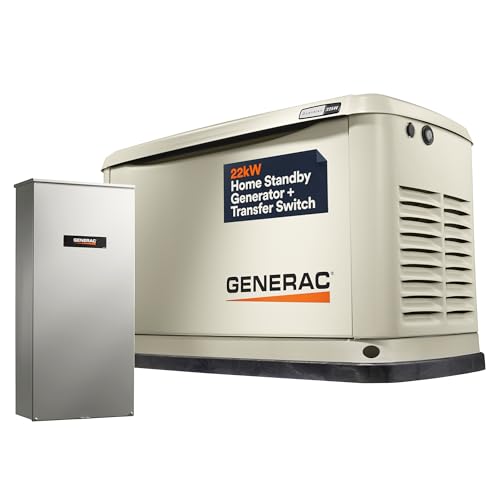
Generac Guardian 22kW Home Generator

Westinghouse 8200 Peak Watt Tri-Fuel Portable Inverter Generator

DuroStar DS13000MX 13,000-Watt 500cc Dual Fuel Portable Generator

Westinghouse 18000 Peak Watt Tri-Fuel Home Backup Portable Generator

Westinghouse 12000 Peak Watt Tri-Fuel Portable Inverter Generator

Westinghouse 28000 Peak Watt Tri-Fuel Home Backup Portable Generator
More Details On Our Top Picks
Small homes and weekend backup setups are the natural home for this Oxseryn unit. The open-frame build keeps the package straightforward, while ECO mode points to lighter engine load during modest demand. That makes it a practical fit for a garage, patio, or RV stopover.
Compared with the heavier DuroMax and Westinghouse picks below, this one sits in a simpler lane. You gain portability and a lower-footprint design, but you give up the deeper reserve power that larger households usually want. That trade-off is plain, and for basic coverage it’s acceptable.
Strong Points
- Open-frame layout keeps the build easy to place and move.
- ECO mode helps the engine stay calmer under lighter loads.
- RV-ready positioning suits travel trailers and temporary setups.
- Portable sizing works well for storage in a garage or shed.
Things To Consider
- Output is far below the larger home-backup picks here.
- Open-frame generators usually feel less enclosed than inverter units with full housings.
- Routine storage matters, since compact units are often moved more often and handled more roughly.
Feature Snapshot
Who It Suits Best
Weekend campers, apartment overflow backup, and smaller households with a few essential appliances get the most from this size.
Where A Sibling Pick Shines
Westinghouse 8200 Peak Watt Tri-Fuel Portable Inverter Generator suits homeowners who want more capacity plus cleaner inverter output for electronics.
The tri-fuel setup is the key here, because it gives you gas, propane, and natural gas support in one frame. That matters during outages or fuel shortages, especially for homes that want more than a small emergency buffer. The 500cc engine signals a heavier-duty class than the compact Oxseryn above.
For larger properties, this is the sort of unit that makes sense at the edge of serious backup planning. It still stays portable, yet the broader fuel flexibility and CO alert make it better aligned with long outage preparation than a light-duty travel generator. The honest read is that this is more machine than casual weekend tool.
What We Like
- Tri-fuel support gives you practical fuel flexibility.
- 13,000-watt class output serves larger backup loads.
- 500cc engine size points to a stronger workhorse profile.
- CO alert adds an important safety cue for home placement.
- Portable format still leaves room for relocation around the property.
Softer Spots
- Its size and output move it well beyond light emergency use.
- Tri-fuel units usually reward careful fuel planning and stored accessory management.
- Routine upkeep can feel more involved than on smaller inverter models.
Details At A Glance
Who Will Love This
Homeowners with larger backup requirements and a preference for multiple fuel paths are the best fit for this model.
Look Elsewhere When
Oxseryn Power Equipment 4400 Watts Inverter Generator suits lighter-duty backup and travel use more comfortably for smaller households.
This is the clearest whole-home option in the lineup, and the automatic transfer setup changes the experience in a meaningful way. A transfer switch routes generator power into selected circuits without the same manual juggling you’d expect from a portable unit. WiFi monitoring also matters, because you can keep an eye on status without standing beside the machine.
Compared with the portable DuroMax and Westinghouse models, the Generac lives in a more permanent role. That makes it a strong fit for households that want backup to feel integrated rather than improvised. The trade-off is simple, it’s built for installation and home planning, not for casual moving around the yard.
Upsides
- 22kW capacity supports broad household coverage.
- Automatic transfer brings a more seamless outage response.
- WiFi monitoring helps you check status from a distance.
- Natural gas or propane support adds fuel flexibility.
- Whole-house backup framing suits larger permanent setups.
Room For Improvement
- Installation is a bigger commitment than a portable generator setup.
- Less suitable for people who want a movable unit.
- Ownership usually involves planning around placement and service access.
Core Details
Built With In Mind
Permanent homeowners who want automatic backup for a full residence are the best match here.
A Better Fit Elsewhere
DuroStar DS13000MX 13,000-Watt 500cc Dual Fuel Portable Generator suits households that want home backup with a portable footprint and simpler setup.
Inverter design makes this Westinghouse easier to place in a home where electronics matter. Low total harmonic distortion, or low THD, means the output is cleaner than a basic generator feed, which is why people with sensitive devices usually give inverter units more attention. Remote electric start also keeps the routine from feeling clunky.
Compared with the Oxseryn, this model reaches further on capacity and fuel choice without giving up portability. Compared with the Generac, it stays in the portable lane and avoids the full installation commitment. That balance is exactly why it lands in the middle of the pack with a broad use profile.
Bright Spots
- Tri-fuel support gives you useful fuel flexibility.
- Inverter output suits electronics-heavy households better than basic open-frame units.
- Remote electric start keeps operation more convenient.
- Transfer switch readiness helps it fit home-backup planning.
- Parallel capability gives you a path to expand output later.
Points To Note
- It still needs a sensible storage plan because portable units get moved and parked often.
- Parallel setup adds another layer of accessory management.
- Higher capability also means more upkeep attention than a simple light-duty generator.
Feature Card
The Right Fit
Households that want portable backup with cleaner output for devices and a flexible fuel setup are the strongest match.
Swap It Out When
Generac Guardian 22kW Home Generator suits homes that need automatic whole-house coverage instead of a portable unit.
The DuroStar sits close to the DuroMax in purpose, but it trims fuel support down to gas and propane. That narrower setup can be simpler for some homes, especially where natural gas connection isn’t part of the plan. Remote electric start makes it friendlier for outage use than a bare-bones pull-start unit.
For RV trips and emergency backup, it occupies a useful middle ground between the compact Oxseryn and the larger home-installation picks. The honest read is that it’s a practical machine for people who want substantial output without stepping into permanent standby territory. Storage space and maintenance access still matter, because this is not a tiny tool.
Reasons To Buy
- 13,000-watt class output covers demanding home backup situations.
- Dual fuel support gives you a useful gas or propane choice.
- Remote electric start makes activation less awkward during outages.
- Transfer switch readiness helps it work in a home-backup plan.
- RV-friendly framing broadens the use cases beyond the house.
Areas To Watch
- Dual fuel is less flexible than the tri-fuel models above it.
- Its size asks for a stable storage spot and regular handling care.
- Like most large portable generators, setup work is still part of ownership.
Spec Overview
Whose Shelf It Belongs On
Homes that want strong portable backup and occasional RV use are the best fit here.
Another Choice May Suit
DuroMax XP13000HXT 13,000-Watt 500cc Tri Fuel Generator suits households that want natural gas support in addition to gas and propane.
This Westinghouse steps into a more serious backup tier, with enough output to support larger home circuits than the mid-size portables. Remote electric start and transfer switch readiness make it feel closer to a planned backup system than an emergency-only machine. The CO sensor is a helpful extra cue for home placement awareness.
Compared with the 12,000-watt Westinghouse inverter below, this unit pushes harder on raw capacity and home-backup emphasis. You give up some of the electronics-friendly framing that inverter models emphasize, but gain a larger reserve for appliances and broader household loads. For many homes, that trade is exactly the point.
Best Bits
- 18,000-watt peak rating suits larger backup demands.
- Tri-fuel design gives you gas, propane, and natural gas paths.
- Remote electric start keeps operation simpler during outages.
- Transfer switch readiness supports a cleaner home installation plan.
Worth Noting
- It leans toward serious backup use rather than casual portable duty.
- Storage and placement planning matter because this is a larger unit.
- Routine care is easier with a fixed home setup than with frequent moving.
Feature Rundown
Best Suited To
Households that want higher-capacity portable backup with multiple fuel options are the strongest match.
Consider Something Else When
Westinghouse 8200 Peak Watt Tri-Fuel Portable Inverter Generator suits homes that want cleaner inverter output and a lighter portable footprint.
This model takes the same portable-home-backup idea as the 8200-watt Westinghouse and moves it into a stronger capacity bracket. Low THD gives you cleaner output for electronics, which matters in homes full of routers, televisions, and similar gear. Parallel capability also gives you room to expand later, which is useful for a setup that may grow.
Compared with the larger 18,000-watt Westinghouse, this one stays more approachable in size and application. It’s still serious equipment, though, so storing fuel accessories, cable runs, and maintenance basics takes some organization. For a household that wants inverter protection without jumping to a huge standby unit, this is a sharp middle path.
Positives
- Tri-fuel support widens your fuel options at home.
- Inverter output suits electronics better than standard open-frame designs.
- Remote start simplifies use during bad weather or outages.
- Parallel capability gives you a future expansion path.
- Transfer switch readiness helps with planned backup use.
Small Caveats
- It still needs room for storage and safe placement, as most larger portables do.
- Parallel gear adds another item to keep track of.
At A Glance
Who Should Grab It
Homeowners who want inverter-style power quality plus a wider fuel menu are the strongest fit.
Reach For A Different Pick When
Generac Guardian 22kW Home Generator suits households that want automatic whole-home backup rather than portable setup.
By raw capacity, this is the heaviest hitter in the lineup, and that changes the conversation from backup basics to broad household support. Remote electric start and transfer switch readiness keep the experience aligned with permanent-style planning. You also get the same tri-fuel flexibility that makes the midrange Westinghouse units so practical.
Compared with the Generac, this is still a portable generator rather than a fixed standby system. That makes it attractive for homeowners who want a large reserve without committing to a permanent installation, though size and handling become part of the equation. For bigger houses, detached spaces, or complex load needs, that reserve can matter a lot.
Highlights
- 28,000 peak watts give you a very large backup envelope.
- Tri-fuel design supports gas, propane, and natural gas.
- Remote electric start reduces the hassle of startup.
- Transfer switch readiness supports home integration planning.
- Portable format preserves flexibility versus a fixed standby unit.
Trade Offs
- Large portable size asks for real storage space and careful handling.
- It fits better with planned backup than casual emergency use.
- Moving a generator this large is rarely a one-person job.
Core Details
Made For
Large homes and properties with substantial backup needs get the most from this generator.
Where A Sibling Pick Shines
Westinghouse 18000 Peak Watt Tri-Fuel Home Backup Portable Generator suits homes that want a large reserve without stepping all the way up to the biggest frame.
How To Choose The Right Natural Gas Home Generators
Match Output To The Loads You Care About
Start with the appliances and circuits that matter most during an outage. A compact unit like the Oxseryn can keep essentials moving, while the Generac Guardian 22kW belongs in a conversation about whole-home continuity.
Don’t size by a single headline number alone. Starting watts, running loads, and how many circuits you want at once all shape the real answer.
Decide How Flexible You Want The Fuel Setup To Be
Tri-fuel units give you the most options, because they accept natural gas, propane, and gasoline. That flexibility helps in areas where one fuel is easier to keep on hand than another, and it’s a practical reason the DuroMax and larger Westinghouse units stand out.
Dual-fuel models trim that flexibility but keep the setup simpler. For some homes, that trade is sensible, especially when propane storage already fits the plan.
Think About Installation And Portability
Portable generators make sense when you want movement, temporary placement, or RV use. Standby units like the Generac Guardian sit in a different category, since they’re built for a fixed installation and automatic transfer.
A portable frame also means you handle storage, fuel management, and routine positioning yourself. That’s fine for a garage or shed owner, but less convenient than a permanent backup system.
Look At Power Quality, Not Just Capacity
Inverter generators matter when your home includes electronics that dislike rougher output. Low THD, the shorthand for lower distortion in the electrical wave, gives devices a friendlier power feed than a basic open-frame design.
That’s why the Westinghouse inverter models feel more refined than the open-frame Oxseryn, even before you consider their fuel and start features. For many homes, that extra polish is worth the attention.
What To Weigh Before You Buy
Common Shopping Slip Ups
A lot of shoppers focus only on wattage and miss the fuel setup. That usually leads to a unit that looks strong on paper but doesn’t fit the home’s actual backup plan.
Another mistake is ignoring placement and storage. Larger portable generators need room, cable planning, and regular upkeep, while standby models need installation space and service access.
What The Higher Tier Buys
Higher-tier models pay for larger output, more fuel flexibility, and easier startup features. Remote electric start, transfer switch readiness, WiFi monitoring, and inverter output all add convenience that basic frames usually skip.
That extra cost also reflects more complete home integration. For a house that needs broader coverage or cleaner power for electronics, the upgrade is easier to justify than for a light emergency setup.
Frequently Asked Questions
Can natural gas home generators run the whole house?
Some can, but not all. The Generac Guardian 22kW is built for whole-home backup, while smaller portable units are better for selected circuits and essential appliances.
Is tri-fuel better than dual-fuel?
Tri-fuel gives you one more fuel path, which helps when supply conditions change. Dual-fuel can still be practical when gas and propane are enough for your setup.
Do inverter generators matter for home backup?
They do when you care about cleaner power for electronics. Low THD models are a better match for sensitive devices than basic open-frame generators.
What does transfer switch ready mean?
It means the generator is designed to connect into a home transfer setup more easily. That matters for planned backup use, since it helps route power to selected circuits.
Which size works for smaller homes?
A midrange portable unit often fits best, especially one around the 4,400 to 8,200 watt class. The Oxseryn and Westinghouse 8200 are the lighter-touch options in this roundup.
Closing Thoughts
Your best match depends on how much of the home you want to keep running, and how permanent you want the setup to be. The Generac Guardian suits full-house backup, the Westinghouse inverter units give you a cleaner portable route, and the DuroMax or DuroStar are solid middle-ground workhorses. Smaller homes and lighter backup needs can stay with the Oxseryn. Choose the frame that fits your outage routine, not just the biggest number on the page.
