

House backup power is less about bragging rights and more about keeping the essentials steady, whether that means lights, refrigeration, internet, or a sump pump during a storm. This roundup focuses on portable stations and full-home generators that suit different homes, fuel setups, and outage routines. You’ll see where quiet battery power makes sense, where gas units carry more load, and where whole-home installations fit a larger house. The honest read is simple, the right choice depends on how much of your home you want to keep running.
The Shortlist At A Glance

Jackery Explorer 2000 v2 Portable Power Station 2042Wh

Oxseryn Power Equipment 4400 Watts Inverter Generator

Generac 26kW Whole Home Generator Cellular Capability
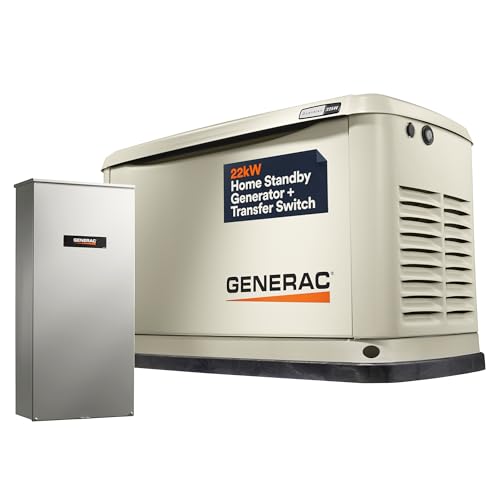
Generac Guardian 22kW Home Generator WiFi Monitoring

DuroStar DS13000MX 13000-Watt Dual Fuel Portable Generator

Westinghouse 28000 Peak Watt Home Backup Portable Generator

Westinghouse 12500 Peak Watt Home Backup Portable Generator

Westinghouse 18000 Peak Watt Tri-Fuel Home Backup Portable Generator
More Details On Our Top Picks
Battery backup makes the most sense in a house that needs quiet support for routers, lights, fans, and kitchen basics. This Jackery pairs 2042Wh of storage with 2200W AC output across three AC ports, so it’s aimed at practical outage carry, not whole-panel coverage.
The LiFePO4 battery chemistry matters because it’s built for longer service life than older lithium styles, and the trade-off is simple, you’re paying for a more durable power bank rather than a fuel-burning runtime machine. You’ll appreciate it most in apartments, townhomes, or homes where exhaust, noise, and indoor placement all matter.
Strong Points
- 2200W AC output gives you room for several household essentials at once.
- USB-C PD 100W helps charge laptops and newer devices without extra adapters.
- Silent Charging mode stays under 30dB, which suits bedrooms and workspaces.
- 20ms transfer switching supports sensitive electronics during brief outages.
- Solar charging support adds flexibility for off-grid or extended outage routines.
Things To Consider
- It covers essentials well, but it won’t replace a true whole-home generator.
- Charging speed depends on the method, and solar timing varies with panel setup.
- The unit is still a large battery station, so storage space matters.
Feature Snapshot
Who It Suits Best
You get the most from this pick in a home where silent operation and indoor use matter more than raw fuel runtime.
Where A Sibling Pick Shines
Generac Guardian 22kW Home Generator WiFi Monitoring suits larger homes that want automatic whole-house coverage instead of portable battery support.
Compared with the Jackery above, this Oxseryn steps into fuel-burning territory, which gives you a different kind of outage tool. The inverter design matters because it aims for steadier power delivery for electronics and RV gear, while the open-frame build keeps it in the portable generator lane.
You’ll notice the appeal most in a garage, a campsite, or a detached home where gas storage and outdoor operation are part of the plan. ECO mode usually helps reduce engine strain under lighter loads, though the trade-off is that portability and noise expectations are still tied to a traditional generator format.
What We Like
- 4400 watts gives you a useful middle ground for household backup.
- Inverter output suits sensitive electronics better than basic open-frame units.
- ECO mode can trim fuel use during lighter demand.
- RV-ready positioning makes it useful beyond home outage duty.
Worth Noting
- Gas-powered operation adds refueling and outdoor storage considerations.
- Open-frame construction is typically louder than a battery station.
- It fits portable use well, but not whole-house automatic backup.
Core Details
Who Will Love This
You suit this pick best when you want a portable gas generator that can handle backup duties without jumping to a much larger home system.
Another Choice May Suit
Jackery Explorer 2000 v2 Portable Power Station 2042Wh fits quieter indoor use better, especially in homes that want no exhaust or fuel storage.
This is the kind of unit you consider when a whole house needs to ride through outages with little fuss. The 26kW output, natural gas or propane readiness, and cellular monitoring point to a permanent-style setup rather than a portable stopgap.
For larger homes with heavy HVAC, refrigeration, and multiple circuits, cellular monitoring helps you keep an eye on status without standing next to the cabinet. The trade-off is installation complexity and the reality that this class of generator belongs in a planned backup setup, not a casual weekend solution.
Highlights
- 26kW capacity suits broad household coverage.
- Natural gas or propane readiness adds fuel flexibility.
- WiFi and cellular monitoring help with remote oversight.
- Weather-activated backup behavior supports outage planning.
Room For Improvement
- It’s a permanent backup class machine, so installation planning matters.
- The size makes sense only for homes that truly need whole-house coverage.
- Maintenance access is more involved than with portable units.
Details At A Glance
Whose Shelf It Belongs On
You fit this model best when your home needs an installed backup system with broad coverage and remote monitoring.
Skip It When
Generac Guardian 22kW Home Generator WiFi Monitoring is the easier fit for a slightly smaller home that still wants automatic whole-house support.
This Generac sits close to the previous whole-home option, but its 22kW output gives it a slightly different scale and fit. The transfer switch support is important because it lets the generator connect into a home’s backup circuit arrangement rather than relying on improvised extension-cord work.
WiFi monitoring adds convenience for homeowners who want status checks without walking outside in bad weather. The practical trade-off is that, like the 26kW model above, this is still an installed system with the kind of planning that makes sense for homes committed to automatic backup.
Upsides
- 22kW output covers a substantial range of home circuits.
- Automatic transfer support reduces manual steps during an outage.
- WiFi monitoring helps you keep tabs on operation remotely.
- Natural gas or propane compatibility gives you fuel options.
Points To Note
- Permanent installation suits planned backup, not casual mobility.
- It makes most sense where whole-house continuity is a priority.
- Ongoing service access will matter over the long run.
Core Details
Best Suited To
You match this generator best when you want automatic home backup with monitoring and a strong but not oversized output class.
Reach For A Different Pick When
Generac 26kW Whole Home Generator Cellular Capability is the better fit for larger homes that need more headroom and cellular oversight.
Portable power moves up a gear here, with dual-fuel support giving you gas or propane flexibility. That matters in real outages because you can plan around the fuel you already store, and the remote electric start trims some of the hassle that usually comes with a larger generator.
Compared with the lighter Oxseryn unit, the DuroStar is built for more demanding home backup roles and transfer-switch readiness. The trade-off is physical size and the upkeep that comes with a higher-output portable machine, which makes it better for driveways and dedicated storage than for casual grab-and-go use.
Bright Spots
- 13,000 watts gives you serious portable backup headroom.
- Dual fuel support adds planning flexibility during outages.
- Remote electric start cuts down on manual effort.
- RV and emergency positioning broadens its use case.
Softer Spots
- Higher-output portable units usually need more storage space.
- Fuel management and regular maintenance are part of ownership.
- It’s more generator than casual camping gear.
Feature Rundown
Right Fit For
You fit this model best when you want portable heavy-duty backup with fuel choice and enough output for a more serious outage plan.
Look Elsewhere When
Westinghouse 12500 Peak Watt Home Backup Portable Generator is the cleaner fit for households that want a slightly smaller portable option with simpler scale.
This Westinghouse lives at the high end of portable backup output, so it’s aimed at homes that need serious circuit coverage without moving into a permanent installed unit. The remote start and auto choke matter in bad weather, because they reduce the friction of getting a large gas generator running.
You’ll feel the difference most in larger houses, workshop-heavy properties, or storm-prone areas where transfer-switch readiness is part of the plan. The honest trade-off is weight, fuel handling, and a footprint that makes this more of a dedicated backup machine than an everyday portable.
Best Bits
- 28,000 peak watts gives you substantial portable output.
- Remote electric start makes activation simpler.
- Auto choke supports easier cold starts.
- 30A and 50A outlets improve compatibility with backup setups.
- CO sensor adds an important layer for placement awareness.
Minor Gripes
- Its size suits dedicated storage and setup space.
- Fuel upkeep and routine checks matter more at this scale.
- It’s overbuilt for light outage use.
Quick Facts
The Right Fit
You match this generator best when you need a high-output portable solution for serious home backup tasks.
Swap It Out When
DuroStar DS13000MX 13000-Watt Dual Fuel Portable Generator is the easier fit for households that want strong backup with less bulk.
For a lot of homes, this is the more sensible scale, especially when you want backup power without committing to a giant portable unit. The remote electric start and auto choke make it friendlier in real outage conditions, where convenience matters as much as output.
It lands between the heavier DuroStar and the even larger Westinghouse 28000 Peak Watt model, which gives it a useful middle ground for moderate home backup. The trade-off is straightforward, you get less output than the bigger units, but you also get a setup that’s easier to place and manage.
Positives
- 12,500 peak watts suits many household essentials.
- Remote electric start keeps operation simple.
- Auto choke helps with starting consistency.
- Transfer switch readiness supports home integration.
Areas To Watch
- It covers a moderate backup role rather than a full-house load.
- Gas upkeep remains part of ownership.
- Large homes may outgrow its output faster.
Feature Card
Built With In Mind
You fit this generator best when you want practical home backup power without stepping into the larger portable classes.
Where A Sibling Pick Shines
Westinghouse 18000 Peak Watt Tri-Fuel Home Backup Portable Generator suits homes that want more fuel flexibility and a bigger cushion for longer outages.
Tri-fuel support is the headline here, and it changes how you plan for a long outage because you can work with gas, propane, or natural gas. That kind of flexibility matters in homes where fuel access is the bigger issue, not just power output.
With remote electric start and transfer-switch readiness, this model sits in the same serious backup lane as the other larger Westinghouse units. The trade-off is that tri-fuel capability adds choice, not magic, so you still need the right hoses, hookups, and storage plan to make it useful.
Reasons To Buy
- Tri-fuel design gives you the broadest fuel flexibility in this list.
- 18,000 peak watts supports substantial home backup loads.
- Remote electric start makes setup easier during stressful outages.
- Transfer switch readiness supports cleaner home integration.
Small Caveats
- Tri-fuel support only helps if the right fuel setup is available.
- Maintenance and storage are part of owning a large portable unit.
- It makes more sense for planned backup than casual use.
Core Details
Who Should Grab It
You suit this model best when fuel flexibility matters as much as output and you want a backup plan that can adapt to different supply conditions.
A Better Fit Elsewhere
Westinghouse 28000 Peak Watt Home Backup Portable Generator is the stronger choice for homes that care more about maximum portable output than about fuel variety.
How To Choose The Right House Backs Up Generator
Start With The Loads You Want Covered
The fastest way to narrow this category is to list the circuits and appliances that matter most during an outage. A battery station like the Jackery works for lights, networking gear, and light appliance use, while the larger Westinghouse and Generac units are built for broader household loads.
Refrigeration, sump pumps, furnaces, and central air all change the decision. Smaller portable units can keep a home functional, but a whole-home unit is the cleaner answer for houses that need more of the panel running at once.
Match Fuel And Placement To Real Life
Fuel choice affects maintenance, storage, and how long you can ride through an outage. Gas and tri-fuel models give you runtime flexibility, while battery units avoid exhaust and can sit indoors or in tighter spaces with less fuss.
Placement matters just as much. A quiet power station suits a basement office or a bedroom nearby, while a large gas generator belongs outside with the kind of clearance and access that makes routine use easier.
Think About Starting And Monitoring
Remote electric start, transfer-switch support, and WiFi or cellular monitoring all reduce friction in stressful weather. Those features don’t sound glamorous, but they make a generator easier to live with, especially after dark or in a storm.
For many homes, that convenience is worth as much as raw output. The more automated the system, the more likely it is to feel dependable instead of complicated.
Balance Size Against Ongoing Care
Larger generators usually bring more output, but they also ask for more storage room, more fuel discipline, and more attention to upkeep. Portable models need periodic starting and safe fuel handling, while installed systems need scheduled service access.
The right balance depends on how often outages happen and how much of the home you want protected. A modest setup fits occasional outages, but repeated storm seasons tend to justify a stronger machine.
What To Weigh Before You Commit
Common Shopping Slip Ups
One common mistake is sizing only for lights and phone charging, then expecting the generator to handle a refrigerator, microwave, and HVAC at the same time. Another is forgetting fuel storage, ventilation, or transfer-switch compatibility until the installation is already underway.
It also helps to separate portable convenience from whole-home continuity. A battery station solves a different problem than a permanent generator, and forcing one category to do the other usually ends in disappointment.
Why Top Tier Costs More
Higher-tier models pay for larger output, more advanced monitoring, and better integration with a home’s electrical system. In this category, that usually means remote starts, transfer switches, cellular status checks, and fuel flexibility that save hassle during real outages.
That upgrade makes sense for bigger houses, storm-prone regions, or anyone who wants the unit to feel automatic. For smaller homes, the extra spend can be overkill unless you truly need the extra headroom.
Frequently Asked Questions
What size generator handles a house backup job?
The right size depends on the circuits you want to keep running, not just the house square footage. A few essentials can live with a battery station, while larger homes usually need a gas or installed unit.
Is a battery power station enough for outages?
It can cover the basics quietly, especially for electronics and small appliances. It won’t match the runtime or load coverage of a fuel-powered whole-home unit.
What does inverter mean?
An inverter generator conditions its output so it suits sensitive electronics better than a basic open-frame machine. That matters most for devices that prefer steadier power delivery.
Why choose tri-fuel over dual-fuel?
Tri-fuel adds a third energy option, which gives you more flexibility during supply changes. That can help in long outages where one fuel type is harder to source.
Do whole-home generators need monitoring?
Monitoring is not mandatory, but it makes status checks easier and less disruptive. WiFi or cellular tools are useful when the unit sits outside and conditions are poor.
Closing Thoughts
The right house backup generator is the one that matches your loads, your fuel access, and how hands-off you want the system to be. Quiet battery stations make sense for lighter backup needs, while portable gas units and installed whole-home models serve houses that need more coverage and longer runtime. Start with the circuits you care about most, then work outward from there. That keeps the choice practical, not oversized.
