

Home backup gets stressful fast during outages, storm season, and campsite weekends that turn into real power needs. You need enough output for the essentials, not just a loud box that looks capable on paper. The picks below focus on capacity, starting method, noise profile, fuel flexibility, and the kind of backup fit that makes daily life easier.
Quick Look at the Shortlist

Jackery Explorer 2000 v2 Portable Power Station 2042Wh 2200W AC Output
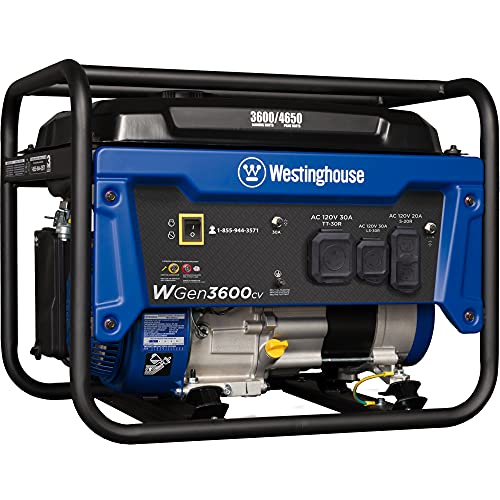
Westinghouse 4650 Peak Watt Portable Generator RV Ready 30A Outlet

Oxseryn Power Equipment 4400 Watts Inverter Generator Gas Powered

AIVOLT 1600W Super Quiet Inverter Generator 28lbs Portable for Camping

DuroMax XP13000HXT 13000-Watt 500cc Tri Fuel Portable Generator

Oxseryn 4400-Watts Inverter Generator Open Frame Gas Powered

ERAYAK 4500W Portable Inverter Generator for Home Use

Westinghouse 6600 Watt Home Backup Portable Generator
More Details On Our Top Picks
For apartments, backup rooms, and indoor outage use, this one stands apart because it avoids fuel handling entirely. The 2042Wh battery capacity gives you a serious reserve, while the three AC outlets and 2200W total output cover a wider set of household electronics than a tiny power bank style unit.
The 100W USB-C PD port matters for modern laptops and tablets, and the LiFePO4 battery chemistry usually appeals to shoppers who want a long service life without the noise and fumes of a gas machine. The trade-off is simple, it’s a battery station, so it fits shorter backup windows and lighter to midrange loads better than a whole-home generator.
Strong Points
- High battery capacity supports essential devices through an outage.
- 2200W AC output gives you room for several household loads.
- USB-C PD 100W suits newer laptops without extra adapters.
- Silent charging mode is a good fit for shared living spaces.
- LiFePO4 battery chemistry usually suits long-term ownership plans.
Small Caveats
- Battery stations fit shorter backup windows better than full home coverage.
- You’ll want to plan around the 2042Wh reserve instead of expecting endless runtime.
- Solar panel support depends on separate panel selection, so setup takes a little planning.
Feature Snapshot
Who It Suits Best
Households that want indoor-safe backup for lights, networking gear, and charging gear will get the most from this design.
A Better Fit Elsewhere
Westinghouse 6600 Watt Home Backup Portable Generator fits you better if you want a fuel-powered unit with remote start for larger outage coverage.
A gas generator like this makes sense for homes that need more runtime confidence than a battery station can offer. The 30A RV-ready outlet also gives it a practical edge for travel trailers, which is where the Jackery Explorer 2000 v2 drops away and this style starts making sense.
Peak wattage helps with short startup surges, while the CO sensor adds a layer of automatic shutdown logic tied to exhaust buildup. You’ll still need outdoor placement and basic fuel handling, so the appeal is more about dependable output than quiet convenience.
Highlights
- RV-ready 30A outlet supports travel trailer use.
- Gas power gives you a familiar refueling path during longer outages.
- Peak output helps with demanding startup loads.
- CO sensing adds a practical shutdown safeguard.
Worth Noting
- Gas units require outdoor placement and regular fuel management.
- Noise and exhaust make it less suited to close-in patio use.
- You’ll want routine maintenance to keep a machine like this ready.
Core Details
Who Will Love This
RV owners and households that want a more traditional fuel-powered backup machine will appreciate this format most.
Where A Sibling Pick Shines
Jackery Explorer 2000 v2 Portable Power Station 2042Wh 2200W AC Output suits apartment backup and indoor charging better.
This Oxseryn model sits in the useful middle ground between light portable backup and full-scale home coverage. Its inverter design matters because inverter generators shape power to be cleaner for sensitive electronics, which makes it friendlier for chargers, routers, and modern household gear than a raw, old-school open-frame setup.
The open-frame format usually signals easier output and better value per watt, but it also means more noise and a less polished carry experience than compact inverter boxes. For a garage, cabin, or occasional outage plan, that trade-off is easy to understand and often acceptable.
Reasons To Buy
- 4400 watts gives you a workable middle-tier backup range.
- Inverter output is better suited to electronics than basic open-frame power.
- ECO mode can help the engine run more gently under lighter loads.
- RV-ready support broadens its use beyond the house.
Areas To Watch
- Open-frame designs are usually bulkier than enclosed inverter units.
- You’ll hear more engine presence than with compact battery options.
- Gas upkeep still applies, including storage and periodic care.
Spec Overview
Whose Shelf It Belongs On
Homeowners who want practical backup output without stepping all the way up to a huge whole-home machine fit this model well.
Swap It Out When
AIVOLT 1600W Super Quiet Inverter Generator 28lbs Portable for Camping makes more sense for lighter, quieter camping use.
Portability is the whole point here. At 28 pounds, this AIVOLT model is easier to move between a garage shelf, campsite, and tailgate area than the larger gas units above, and the 57dBA noise claim puts it in a quieter class for close-range use.
The 1260W running rating is the real guardrail, so think lights, small appliances, chargers, and lighter outdoor gear rather than heavy household circuits. The pure sine wave output is helpful because that waveform is the smoother type many electronics prefer, though the smaller output still keeps it in a modest-use lane.
Bright Spots
- 28-pound weight makes transport easier.
- 57dBA rating is appealing for close-range camping use.
- Pure sine wave output suits sensitive electronics better.
- ECO mode can stretch runtime under lighter loads.
Points To Note
- 1260W running output limits the heavier appliances you can cover.
- Small size helps portability, but it also narrows backup scope.
- Gas maintenance still comes with the package.
Technical Sheet
Made For
Campers and casual users who want light, portable power without much noise will get the best match here.
Another Choice May Suit
ERAYAK 4500W Portable Inverter Generator for Home Use is a stronger fit for home backup with more headroom.
This is the kind of generator you look at when a house needs serious backup headroom. The 500cc engine and tri-fuel setup, meaning it can run on gasoline, propane, or natural gas, create a level of flexibility that smaller units cannot match.
That flexibility matters in outages because fuel access changes from one household to the next, and a tri-fuel setup gives you more options to work with. The honest trade-off is size and complexity, so this suits dedicated backup planning more than casual weekend use.
Best Bits
- Tri-fuel support gives you useful fuel flexibility.
- 500cc engine points to serious backup capability.
- CO alert adds a practical safety-related cue.
- Built for large household power demands.
Honest Caveats
- Large generators need more storage space.
- Setup and fuel management are more involved than with smaller units.
- The scale makes it a poor fit for light portability.
Details At A Glance
Built With In Mind
Households planning for larger outages and wanting multi-fuel flexibility will find the strongest match here.
Look Elsewhere When
Westinghouse 6600 Watt Home Backup Portable Generator is easier to handle for smaller home backup needs.
This Oxseryn model plays the value card in a way that makes sense for garages, cabins, and backup storage rooms. Its 4400-watt class gives you enough breathing room for several household essentials, while the inverter design keeps the output friendlier for electronics than a basic non-inverter machine.
The open-frame style is the main compromise. You give up some refinement and quiet behavior, but you usually gain a more utility-forward build, which is why this sort of generator still shows up in a lot of practical home backup plans.
Positives
- 4400 watts is useful for focused home backup.
- Inverter construction suits electronics better than standard open-frame power.
- Gas operation keeps refueling straightforward.
Softer Spots
- Open-frame builds are less compact than enclosed alternatives.
- Noise is usually more noticeable than with quieter battery stations.
- Gas storage and seasonal care still matter.
Core Details
Right Fit For
Shoppers who want an efficient backup unit with a straightforward gas setup will find this model useful.
Reach For A Different Pick When
AIVOLT 1600W Super Quiet Inverter Generator 28lbs Portable for Camping makes more sense for lighter, quieter trips.
ERAYAK lands in a useful middle zone for households that want backup power without stepping into a huge frame or a tiny reserve. The 4500W output gives you more room than the small camping unit above, and the inverter build makes it easier to pair with electronics that prefer steadier power.
The phrase “for home use” fits it well because this is the sort of machine that can handle both domestic backup and weekend utility. It still runs on gas, so the ownership story includes storage and maintenance, but that’s the cost of having more output than a battery-first option.
Upsides
- 4500W output gives you practical backup headroom.
- Inverter design is friendlier for many electronics.
- ECO mode can help the engine stay calmer under light demand.
- Useful for both home backup and occasional outdoor use.
Minor Gripes
- Gas upkeep is still part of the routine.
- It’s less portable than the 28-pound AIVOLT unit.
- You’ll want to plan placement around exhaust and noise.
Feature Rundown
The Right Fit
Households that want a balanced amount of power without jumping to a huge generator will appreciate this one most.
Where Shoppers Go Wrong
AIVOLT 1600W Super Quiet Inverter Generator 28lbs Portable for Camping suits light-duty users who care more about portability than output.
Remote start changes the experience here in a very practical way, especially during storm cleanup or early-morning outages. Add auto choke, transfer switch readiness, RV support, and a CO sensor, and you get a generator that feels built around home backup convenience instead of bare-bones output.
Compared with the DuroMax tri-fuel giant, this Westinghouse is easier to live with for households that want a simpler backup plan. It still asks for outdoor placement and fuel management, but the controls and feature set make it a more approachable home-first option.
What We Like
- Remote electric start reduces the hassle of getting it running.
- Auto choke helps simplify cold starts.
- Transfer switch readiness suits home backup wiring plans.
- RV support broadens where you can put it to work.
- CO sensor adds a useful safety-related layer.
Room For Improvement
- Fuel-powered operation still means outdoor setup and upkeep.
- It’s less compact than the small inverter picks above.
- Large backup units need a dedicated storage spot.
Quick Facts
Who Should Grab It
Homeowners who want a more convenient fuel-powered backup machine with wiring-friendly features will like this model.
Consider Something Else When
Jackery Explorer 2000 v2 Portable Power Station 2042Wh 2200W AC Output is a better fit for quiet indoor charging and apartment use.
How To Choose The Right Home Use Generators
Start With Load, Not Hype
Your first question is what you actually need to power, lights and internet gear demand a very different machine than refrigerators, sump pumps, or RV hookups. Wattage tells you the ceiling, but starting surge matters too, since some appliances need extra power for a moment when they kick on.
Battery stations, like the Jackery Explorer 2000 v2, make sense for shorter backup windows and indoor-safe use. Gas generators, such as the DuroMax XP13000HXT or Westinghouse 6600 Watt Home Backup Portable Generator, are the better lane for longer runtime and higher output.
Match The Fuel Style To The Space
Fuel choice changes the day-to-day ownership burden. Gas models need outdoor placement, fuel storage, and routine upkeep, while battery stations skip exhaust and are easier to keep inside a utility room or apartment storage area.
For a small patio, campsite, or townhouse backup setup, quieter portable units are easier to live with. For a detached home with a garage and a larger outage plan, a heavier gas unit usually makes more sense.
Noise, Controls, And Convenience Matter
Noise becomes a real factor fast, especially in close neighborhoods or campgrounds. AIVOLT’s 57dBA class and Jackery’s silent charging mode suit lower-disruption use, while open-frame and large gas units are generally louder by nature.
Controls matter too. Remote electric start, auto choke, ECO mode, and USB-C charging all reduce friction, and that friction is often what separates a machine that gets used from one that sits in storage.
Think About Long-Term Ownership
Battery chemistry, outlet count, transfer switch readiness, and RV-ready connections all affect how useful the machine feels six months later. LiFePO4 battery packs, like the one in the Jackery, are especially relevant for shoppers who want a steadier long-term backup setup without engine maintenance.
At the higher end, you’re paying for more output, more connection options, and more resilience when the outage lasts longer than expected. That extra money makes sense when your home has more critical loads or you simply want fewer compromises.
Things Worth Knowing First
Wrong Turns To Avoid
One common mistake is chasing wattage without checking real use. A huge number looks reassuring, but you still need the right outlet type, the right fuel setup, and enough space to place the unit properly.
Another miss is overlooking noise and maintenance. A compact inverter can feel far easier to own than a larger open-frame generator, even when the output looks lower on paper.
The Upgrade Payoff
Higher-tier models cost more because they tend to add output headroom, better start systems, and more flexible connection options. You also pay for convenience features like remote start, transfer switch readiness, or tri-fuel support that make the machine easier to live with during an outage.
That upgrade is worth it when your home has bigger loads, your backup plan needs longer runtime, or you want fewer workarounds. For lighter charging and short outages, a battery station or smaller inverter often keeps things simpler.
Frequently Asked Questions
What size generator works for a typical home outage?
That depends on whether you want lights and networking gear or larger appliances too. Midrange units often suit essential circuits, while larger homes benefit from higher-wattage gas models.
Are inverter generators better for electronics?
Inverter generators shape power more smoothly, which is useful for chargers, laptops, and routers. That doesn’t make them magically quiet or tiny, but it does make them easier to pair with modern devices.
Do battery stations make sense for home backup?
They do, especially for indoor-safe backup, apartment use, and shorter outages. They work best for essentials rather than whole-home coverage.
Why does fuel flexibility matter?
Fuel flexibility gives you more options during an outage, especially when one fuel source is harder to find than another. That’s why tri-fuel models appeal to households planning for longer disruption.
What features reduce daily hassle the most?
Remote start, auto choke, ECO mode, and clear outlet choices all reduce friction. The easier a generator is to start and place, the more useful it tends to feel in real life.
Closing Thoughts
You have a clear range now, from quiet battery backup to heavy-duty tri-fuel power. The right choice comes down to how much of the house you want to keep running, how much noise you can live with, and whether fuel handling fits your routine. For smaller, calmer backup needs, the Jackery and AIVOLT stand out; for larger outage planning, the Westinghouse and DuroMax models make more sense. Pick the machine that matches your space, not just the biggest number on the page.
