

Power backup looks different in every house, but the need is the same, steady electricity for outages, travel, and jobsite spillover. You want enough output for essentials, a size you can move without dread, and controls that fit the way you actually live. This roundup focuses on gas generators and battery power stations that suit garages, basements, RV trips, and emergency kits without drifting into fluff.
Some picks lean toward whole-home backup, others stay compact for short trips or smaller loads. The trade-off usually comes down to runtime, noise, portability, and how much setup you want to deal with.
Quick Look At The Shortlist
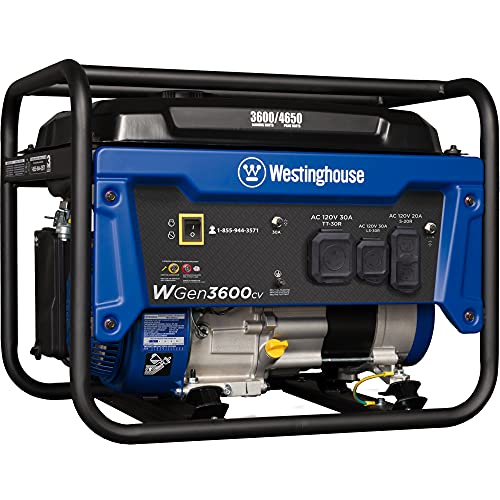
Westinghouse 4650 Peak Watt Portable Generator

Oxseryn Power Equipment 4400 Watts Inverter Generator

AIVOLT 1600W Super Quiet Inverter Generator 28lbs

DJI Power 2000 Portable Power Station 2048Wh

Jackery HomePower 3000 and 2x200W Solar Panels 3072Wh

DuroStar DS13000MX 13,000-Watt 500cc Dual Fuel Portable Generator

Jackery HomePower 3600 Plus Portable Power Station 3584Wh
For weekend outages and RV stops, this Westinghouse sits in a useful middle lane. The RV-ready 30A outlet matters because it keeps the hookup path straightforward, and the carbon monoxide sensor adds a layer of automatic shutdown logic that matters in enclosed or semi-enclosed spaces.
The honest read is that this pick fits homes that need basic backup without stepping into heavy-duty territory. You’ll feel the difference most in simple setups, where a cleaner outlet layout beats chasing oversized output you may not use.
What We Like
- RV-ready 30A outlet supports common travel-trailer hookups.
- Gas power keeps refueling familiar for long outages.
- The CO sensor is a serious convenience feature for shared spaces.
- Useful for keeping essentials running without a bulky footprint.
Things To Consider
- Gas units need fuel handling and routine upkeep.
- Output suits essentials, not a whole large house.
- You’ll want a clear outdoor placement plan before use.
Feature Snapshot
Who It Suits Best
You’ll get the most from this generator in a home, campsite, or cabin setup that wants familiar gas power and a direct RV connection.
A Better Fit Elsewhere
Jackery HomePower 3000 and 2x200W Solar Panels suits households that want battery-based backup with solar input instead of a fuel-burning unit.
Compared with the Westinghouse, this Oxseryn leans into inverter-style power management and a lower-noise profile. Inverter generators convert engine output into more stable AC power, which helps sensitive electronics, and ECO mode trims engine demand when the load is light.
That mix makes sense for mixed home use, camping, or a garage setup where sound and fuel use matter. The open-frame style is less polished than a fully enclosed unit, though, so you’re trading compact acoustic comfort for a more open, utilitarian build.
Upsides
- Inverter output suits electronics better than plain basic output.
- ECO mode helps match engine effort to lighter loads.
- Low-noise positioning is helpful near campsites or patios.
- RV-ready use broadens the scenarios it can cover.
- Good middle ground for households that want flexibility.
Small Caveats
- Open-frame construction usually takes more visual space.
- Gas maintenance still applies, including storage and refueling care.
- The quieter profile helps, but it still sits in generator territory.
Core Details
Who Should Grab It
This suits you best if you want a gas generator that feels less blunt than a basic contractor unit and more flexible for home plus travel use.
Swap It Out When
AIVOLT 1600W Super Quiet Inverter Generator is the better match for light carry needs and tighter storage spaces.
The AIVOLT changes the tone of this list by focusing on carry weight and sound control. At 28 pounds, it’s the sort of unit you can move for camping, tailgates, or a quick backup plan without turning the job into a two-person lift.
The 57 dBA rating points to a quieter operating profile, and pure sine wave output means the electrical waveform is shaped more cleanly for compatible electronics. The trade-off is obvious: this is about lean portability, not heavy household coverage.
Bright Spots
- 28-pound carry weight keeps transport simple.
- 57 dBA output supports quieter campsite use.
- Pure sine wave power is a useful detail for electronics.
- CO auto-shutoff and ECO mode add practical control layers.
- Small size helps in crowded sheds or vehicle storage.
Room For Improvement
- Light output limits it to modest loads.
- Gas refueling still means fuel storage and upkeep.
- Compact size is handy, but it won’t replace larger backup units.
Details At A Glance
Built With In Mind
This belongs in the hands of campers, van travelers, and anyone who needs a compact gas inverter for small loads.
Where A Sibling Pick Shines
Westinghouse 4650 Peak Watt Portable Generator fits better for RV owners who want a stronger plug-and-play backup setup.
Where the gas units depend on fuel, this DJI power station leans into battery storage and cleaner indoor-friendly positioning. The 2048Wh capacity is the headline number, and the LFP battery chemistry, lithium iron phosphate, usually signals a battery format built for durable daily cycling rather than short-lived convenience.
The 3000W stable output stands out for a portable station, especially in a house where you want to run multiple essentials without starting an engine outside. The trade-off is size and cost of the battery platform, plus the fact that battery reserve is finite unless you recharge it.
Positives
- Battery-based power suits indoor-relevant backup planning.
- 2048Wh capacity supports meaningful short-term household use.
- 3000W stable output widens appliance compatibility.
- LFP battery chemistry is a practical durability signal.
Softer Spots
- You’ll need recharge planning, not just fuel refills.
- Battery stations are usually less forgiving of very long outages.
- Weight and physical size can still matter in tight storage.
Key Specs
Right Fit For
You fit this best if you want battery backup for an apartment-adjacent setup, indoor storage, or a home that values quiet operation.
Another Choice May Suit
DuroStar DS13000MX makes more sense for a house that wants fuel-driven whole-home backup and a remote start.
This Jackery package pulls ahead on system depth, because it includes two 200W solar panels alongside a 3072Wh storage pack. Solar input matters most during extended outages or off-grid use, since you’re not tied only to wall charging or fuel.
The 3600W AC output and 7200W surge rating give it more breathing room than the smaller battery picks here. That extra headroom suits homes that want serious appliance compatibility, though the solar bundle means more gear to place, wire, and store.
Reasons To Buy
- Solar panels included, which helps create a fuller backup kit.
- 3072Wh storage gives you a larger energy reserve.
- 3600W AC output supports demanding household loads.
- 7200W surge capacity helps with startup spikes.
- LFP battery format is a sensible choice for repeated use.
Honest Caveats
- More parts mean more setup and storage planning.
- Solar works best with realistic space and sun exposure.
- The system makes more sense as a stationary backup than a grab-and-go pick.
Spec Overview
Perfect Match For
This fits households that want a more complete solar generator kit for outage preparation and semi-regular off-grid use.
Where Another Pick Suits Better
DJI Power 2000 Portable Power Station suits you more if you want a more compact battery station without solar panels in the box.
This is the clear step up in raw output, and the dual-fuel setup gives you gas or propane flexibility. Remote electric start matters more than it sounds, because large generators feel a lot more manageable when you’re not wrestling a pull cord every time the lights go out.
Transfer-switch readiness points it toward proper home backup installs, which is exactly where a unit like this belongs. The honest trade-off is size, noise, and upkeep, so this makes the most sense for homeowners who want serious reserve power rather than a casual patio machine.
Standout Traits
- Very high output suits larger backup loads.
- Dual fuel support adds fuel flexibility during outages.
- Remote electric start eases day-to-day handling.
- Transfer-switch ready design suits home integration.
- RV and emergency use broaden the fit.
Points To Note
- Large units need more storage space and careful placement.
- Fuel and maintenance demands are heavier than compact picks.
- Overkill for small homes or light portable use.
Feature Card
Whose Shelf It Belongs On
This suits homeowners preparing for broad outage coverage, especially in houses with transfer-switch plans.
Look Elsewhere When
Westinghouse 4650 Peak Watt Portable Generator is the calmer match for smaller backup needs and simpler RV use.
This Jackery lands between the smaller battery station and the larger solar bundle, which is exactly why it feels easy to place in a real home plan. The 3584Wh battery capacity gives you substantial stored energy, and the expandable design opens the door to far more capacity later, up to 21kWh.
That kind of expansion is valuable for households that want a base system now and room to grow later. Pairing the included 200W solar panels with a 3600W AC output makes it a serious backup platform, though expansion planning and storage space matter more here than they do with the simpler picks.
What We Like
- 3584Wh storage gives the base system real staying power.
- Expandable design supports future growth without a full reset.
- 3600W AC output suits heavier household use.
- Solar panels in the bundle help with recharge flexibility.
Areas To Watch
- Expansion planning adds another layer of setup.
- Like all battery stations, recharge strategy matters.
- More capable systems usually ask for more storage room.
Core Details
The Right Fit
You should look at this model if you want a battery backup system with room to scale as your home needs grow.
Skip It When
AIVOLT 1600W Super Quiet Inverter Generator is the easier carry if your priority is portability over expansion.
How To Choose The Right Home Portable Generators
Start With The Load You Actually Need
Start by matching output to the essentials you want to keep alive. A small inverter like the AIVOLT handles light loads and travel gear, while a dual-fuel unit such as the DuroStar makes sense for wider home backup. The mistake is chasing the biggest number on the page and ignoring your actual appliance list.
Think in categories, not wishful thinking. Refrigerators, lights, routers, and a few outlets call for a different setup than a transfer-switch plan or a panel that can handle surge-heavy appliances. The right pick is the one that covers the load you truly expect, not the one that sounds toughest.
Match Fuel Style To Your Routine
Gas generators ask for fuel storage, periodic maintenance, and outdoor placement. Battery stations trade that for recharge planning and higher upfront complexity in some cases, but they run without engine noise and fit indoor-adjacent storage better.
That choice matters most during outages that last longer than a few hours. Homes that want simple refueling and strong runtime usually lean gas, while households that value quiet operation and clean storage often prefer LFP battery systems like the DJI and Jackery picks.
Portability Changes Daily Use
Weight and footprint shape whether you’ll move the unit often or leave it in one place. The 28-pound AIVOLT is easy to reposition, but the DuroStar belongs more in a fixed backup spot near a transfer switch plan.
That gap becomes obvious in real use. Campers, tailgaters, and storage-limited homes benefit from compact units, while homeowners with a dedicated garage or shed can justify heavier models with more output.
Look Past The Headline Number
Pay attention to details such as RV-ready outlets, ECO mode, CO sensing, pure sine wave output, and solar expandability. These features shape how smoothly the unit fits your routine, not just how impressive the spec sheet looks.
One thing worth considering is the handoff between convenience and capacity. The right balance feels steady during a power cut, not awkward after the first evening.
What To Weigh Before You Choose
Common Shopping Slip Ups
Many shoppers size a generator by peak output alone and miss the outlet layout. A unit can have respectable power and still feel awkward if it lacks the right plug or the right starting method for your setup.
Another common miss is forgetting storage and upkeep. Gas units need a home in the garage and some maintenance rhythm, while battery stations need charging discipline and enough room to sit safely.
Where The Extra Money Goes
Higher-tier home backup gear usually buys you more output, better battery chemistry, solar flexibility, or easier starts. That’s why a model like the Jackery HomePower 3600 Plus can cost more than a basic compact generator, it’s covering more ground and leaving room to scale.
Spend up when your home setup is larger, your outage risk feels real, or you want cleaner power with fewer compromises. For lighter travel use, the extra cost just adds weight to the decision.
Frequently Asked Questions
What Size Generator Fits A Small Home?
A compact inverter or midrange portable unit usually fits best for a small home. Look for enough output to cover lights, a refrigerator, and a few essentials.
Is A Battery Power Station Better Than Gas?
Battery stations are quieter and easier to store indoors or near living space. Gas models usually make more sense for longer runtime and faster refueling.
What Does RV Ready Mean?
RV ready means the generator includes an outlet suited to common trailer hookup needs. It simplifies connection without forcing you to piece together extra adapters.
Why Does LFP Matter?
LFP stands for lithium iron phosphate, a battery chemistry used in several backup stations here. It’s a practical choice for stored-energy systems that may see repeated charging cycles.
Do I Need CO Sensing?
Carbon monoxide sensing adds an automatic shutdown response in poor air conditions. It matters most around outdoor generator use, especially near attached garages or covered areas.
Closing Thoughts
Your best match depends on how you plan to live through an outage, not on the loudest spec in the listing. Gas units like the Westinghouse and DuroStar suit longer runtime and direct refueling, while battery picks from DJI and Jackery fit quieter, cleaner backup planning. The AIVOLT covers light portable needs with less weight, and the Oxseryn sits neatly in the middle. Choose the model that fits your space, your load, and your routine, and the rest gets much easier.
