

Power loss changes the rhythm of a house fast. The right backup setup keeps lights on, food cold, and essential circuits moving without turning your garage or yard into a scramble zone.
This roundup focuses on capacity, fuel flexibility, transfer-switch readiness, and the kind of controls that matter during an outage. You’ll see portable units and true standby options, since real homes use both depending on space, load needs, and how hands-on you want the setup to be.
The Shortlist At A Glance

Champion Power Equipment 4000-Watt Dual Fuel RV Ready Portable Inverter Generator
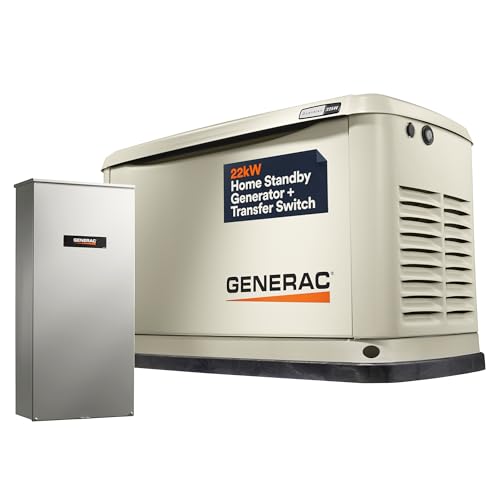
Generac Guardian 22kW Home Generator, Transfer Switch & WiFi Monitoring

DuroStar DS13000MX 13,000-Watt 500cc Dual Fuel Portable Generator

Generac 5735 GP17500E 17500-Watt Gas-Powered Portable Generator

Westinghouse 18000 Peak Watt Tri-Fuel Home Backup Portable Generator

Westinghouse 28000 Peak Watt Tri-Fuel Home Backup Portable Generator

Champion Power Equipment 100177 8.5-kW Home Standby Generator

20kW Standby Generator with 200amp TS
More Details On Our Top Picks
That compact inverter format makes sense for campers, tailgates, and occasional outage support. The dual-fuel setup gives you fuel flexibility, while the RV-ready angle saves you from piecing together adapters for a road setup.
You’ll notice the quieter class of inverter generator is the real point here, not brute force. Compared with the larger portable units later in the list, this Champion is easier to store and far less cumbersome for a weekend cabin or a small garage.
Strong Points
- Dual-fuel operation gives you more than one fuel path, which helps during messy supply weeks.
- Inverter design suits electronics better than a plain open-frame layout.
- RV-ready output keeps campsite and travel use more straightforward.
- Smaller footprint makes storage easier in tight sheds or garages.
Minor Gripes
- 4000 watts sits in the lighter backup range, so whole-home coverage is out of reach.
- Portable upkeep still applies, including fuel management and regular storage care.
Feature Snapshot
Who It Suits Best
You get the most value from this one for camping, RV travel, or a small-home backup plan that only needs the basics.
Where A Sibling Pick Shines
Champion Power Equipment 100177 fits better for a homeowner who wants a fixed standby setup instead of a portable unit.
This is the most obviously home-centered option in the set, with whole-house backup framing and automatic transfer behavior built into the pitch. WiFi monitoring adds convenience for people who want status awareness without walking outside in bad weather.
Compared with the portable picks, this one belongs in a more permanent backup plan and suits a house that needs serious circuit coverage. The trade-off is obvious, too, since a stationary system asks for more planning than a generator you can roll into the garage.
Upsides
- 22kW capacity points toward broad household coverage.
- Transfer switch support makes home integration cleaner.
- WiFi monitoring helps you check status from inside the house.
- Natural gas or propane compatibility gives you fuel flexibility.
- Automatic transfer behavior matters during sudden outages.
Points To Note
- Stationary backup systems need more installation planning than portable models.
- The larger footprint makes sense for a fixed site, not a tight storage corner.
Core Details
Built With In Mind
You fit this best when your home needs a fixed backup source for frequent outages or a long list of essential circuits.
Another Choice May Suit
Champion Power Equipment 4000-Watt Dual Fuel RV Ready Portable Inverter Generator makes more sense for travel use or lighter backup needs.
After the fixed Generac, this DuroStar moves back into portable territory but keeps the output serious enough for larger backup jobs. The remote electric start is the kind of convenience that matters when the unit sits outdoors or farther from the house.
The 500cc engine and transfer-switch-ready framing point it toward homes that want a strong emergency tool without committing to a permanent standby install. For a workshop, a large garage, or a house that needs more than a small inverter can offer, that balance is hard to ignore.
Bright Spots
- 13,000 watts gives you a much wider backup lane than compact inverter models.
- Dual-fuel operation adds a useful planning cushion.
- Remote electric start improves day-to-day handling.
- Transfer-switch-ready design suits home backup planning.
- RV and emergency framing broadens where you can use it.
Small Caveats
- Portable output of this size still brings fuel and storage chores along with it.
- The larger engine class usually means more physical bulk than a smaller backup unit.
Technical Sheet
The Right Fit
You suit this well for a large home, a detached garage, or emergency planning that needs more reserve than a compact portable generator provides.
Look Elsewhere When
Generac Guardian 22kW Home Generator, Transfer Switch & WiFi Monitoring is the stronger match for a permanent whole-house backup setup.
Once you get into this size range, the frame and engine matter almost as much as the wattage. The GP17500E leans into that with a steel tube cradle, covered outlets, and an integrated lifting eye that makes jobsite handling more believable than decorative.
It sits closer to workhorse territory than the Champion inverter or even the DuroStar, so it makes sense for heavier backup loads and rougher environments. The honest read is that this is a serious portable machine, not a casual emergency backup tucked beside the water heater.
What We Like
- 17500-watt class suits larger homes and demanding equipment.
- Electric start adds convenience when you need quick startup.
- Steel frame and lifting eye support transport and placement.
- Covered outlets improve day-to-day protection from debris.
- Large fuel tank with gauge helps you monitor runtime more easily.
Areas To Watch
- The size and build point to heavier handling than lighter portable options.
- Gas-only operation gives you less fuel flexibility than the tri-fuel models nearby.
- Maintenance stays more involved with a high-output portable unit of this type.
Details At A Glance
Whose Shelf It Belongs On
You fit this best for a large property, a jobsite, or emergency power planning where output and frame strength matter more than portability comfort.
Swap It Out When
Westinghouse 18000 Peak Watt Tri-Fuel Home Backup Portable Generator suits you better when fuel choice matters more than a gas-only setup.
Tri-fuel support is the headline here, and for most homes that means more flexibility during messy supply conditions. The remote electric start and transfer-switch-ready setup also make it easier to think about this as an actual backup machine instead of a camping-only tool.
The included CO sensor adds an important layer of awareness for portable generator placement, especially around garages or outdoor work areas. Compared with the gas-only Generac GP17500E, this Westinghouse gives you more fuel options while staying in the same general backup class.
Reasons To Buy
- Tri-fuel support offers a wider set of backup choices.
- Remote electric start reduces fuss during an outage.
- Transfer-switch-ready design fits home backup planning.
- CO sensor adds an extra safety-minded feature for portable placement.
- Strong peak wattage covers a broad set of household loads.
Worth Noting
- Portable tri-fuel generators still need storage, fueling, and periodic upkeep.
- The extra flexibility comes with a larger frame than small inverter units.
Spec Overview
Who Will Love This
You suit this well for a home that wants portable backup power with flexible fuel options and a more complete outage plan.
A Better Fit Elsewhere
Generac Guardian 22kW Home Generator, Transfer Switch & WiFi Monitoring fits better for a homeowner who wants fixed whole-house coverage.
This Westinghouse sits in a much heavier reserve class than the 18,000-peak-watt model just above it. The draw here is obvious, more headroom for a house with deeper electrical needs, while keeping the same tri-fuel flexibility and remote start convenience.
It makes the most sense for larger properties or for homes where you want more breathing room on startup loads and running loads. That extra reserve is useful, though the trade-off is that a bigger portable generator becomes a bigger item to store, move, and maintain.
Best Bits
- 28,000 peak watts points to a much larger backup envelope.
- Tri-fuel support keeps fuel planning flexible.
- Remote electric start improves convenience.
- Transfer-switch-ready design helps with home integration.
Room For Improvement
- The size likely makes placement and storage more demanding than smaller portable units.
- Higher-output portable machines usually ask for more attention during maintenance and fueling.
Feature Rundown
The Right Fit
You fit this best for a larger house, heavier appliance coverage, or outage planning that needs more reserve than the 18,000-peak-watt sibling.
Skip It When
Champion Power Equipment 4000-Watt Dual Fuel RV Ready Portable Inverter Generator suits a smaller backup footprint or travel use far better.
Fixed standby convenience is the big story here, and the 50-amp outdoor-rated automatic transfer switch makes that story cleaner. For a smaller home or a place that only needs key circuits covered, this format keeps the backup plan tidy and less hands-on.
Compared with the larger Generac Guardian, this Champion is easier to frame as a compact standby solution rather than a full-house centerpiece. You may find that sweet spot appealing when you want stationary backup without stepping into a much larger installation footprint.
Positives
- Home standby format suits automatic outage response.
- 50-amp outdoor-rated transfer switch supports cleaner integration.
- 8.5-kW output fits essential circuits and moderate home needs.
- Smaller standby size can be easier to place than bigger units.
Honest Caveats
- 8.5kW is a modest standby class, so full-home coverage may be out of reach.
- Permanent installation planning still matters, including site placement and service access.
Quick Facts
Best Suited To
You fit this well for a homeowner who wants standby convenience for essential circuits without moving up to a much larger system.
Reach For A Different Pick When
Generac Guardian 22kW Home Generator, Transfer Switch & WiFi Monitoring suits a house that needs broader whole-home coverage.
The 200amp transfer-switch pairing tells you exactly where this one sits, closer to a serious whole-home backup plan than a basic emergency helper. That kind of setup can suit larger homes with more circuits to keep alive during an outage.
It lands between the compact Champion standby and the larger Generac Guardian in practical ambition, which makes it useful for households that want capacity without jumping straight to the highest-output option. The trade-off is the same one that comes with most full standby systems, planning matters and the install footprint is real.
Best Bits
- 20kW output gives you substantial backup headroom.
- 200-amp transfer-switch pairing supports broader home integration.
- Standby format fits automatic outage response.
- Useful middle ground between smaller and larger fixed systems.
Things To Consider
- The permanent setup asks for site planning and installation work.
- Larger standby systems are less casual to move or reposition.
Feature Card
Who Should Grab It
You fit this best for a larger house that needs a solid fixed backup system without going all the way to the biggest standby category.
Where Another Pick Fits Better
Generac Guardian 22kW Home Generator, Transfer Switch & WiFi Monitoring suits you better when you want the higher-capacity flagship-style standby option.
How To Choose The Right Home Standby Generators
Start With The Load You Actually Need
Capacity should match the circuits you plan to keep live, not a wish list. A smaller standby unit like the Champion 100177 works for essential loads, while the Generac Guardian 22kW and 20kW standby class cover a much broader set of household needs.
Think in terms of appliances, not abstract wattage. Refrigeration, lighting, internet gear, sump pumps, and heating controls each pull different amounts, and a mismatch shows up fast during an outage.
Fuel Choice Changes The Experience
Portable units in this roundup lean on gas, propane, or both, and the tri-fuel models give you the most flexibility during supply disruptions. The Generac Guardian shifts the conversation because it ties into natural gas or propane, which suits a more permanent home setup.
The trade-off is maintenance and storage. Gas cans, propane cylinders, line hookups, and seasonal run habits all change the amount of hands-on work you’ll need.
Transfer Switches And Installation Matter
A transfer switch is the hardware that moves your home from utility power to generator power. That matters because it keeps the backup system organized and reduces the mess of running extension cords through the house.
Portable generators can be transfer-switch ready, like the DuroStar DS13000MX and Westinghouse tri-fuel models, while true standby units are built for a more integrated setup. The more permanent the solution, the more important professional-style planning becomes.
Convenience Features Are Not All Equal
Remote electric start, electric start, and WiFi monitoring all solve different problems. Remote start is useful in bad weather, WiFi status checking helps you avoid unnecessary trips outside, and automatic transfer is the most hands-off of the group.
You get the best payoff when the feature matches the scenario. A cabin or RV setup benefits from portability and simpler controls, while a house that sees frequent outages gains more from standby automation.
What To Weigh Before You Commit
Common Shopping Slip Ups
Many people start with wattage and stop there. That misses the bigger issue, which is whether the unit matches the home layout, fuel access, and storage space.
Another easy mistake is choosing a portable model for a role that really calls for standby integration. A transfer-switch-ready portable can bridge that gap, but a fixed home with regular outage risk usually benefits from a true standby layout.
What The Extra Money Goes Toward
Higher-tier standby systems spend more on output, transfer hardware, and automation. That shows up in cleaner outage response, broader circuit coverage, and less manual setup once the lights go out.
For households with sump pumps, climate controls, and several major appliances, the upgrade often makes sense. For a smaller home with lighter backup needs, the added capacity can be more machine than you need.
Frequently Asked Questions
How much generator capacity does a typical home need?
That depends on whether you want only essentials or broad household coverage. A small standby unit can cover the basics, while larger 20kW and 22kW systems suit more demanding homes.
What does transfer-switch ready mean?
It means the generator is designed to connect more cleanly to a home electrical system through a transfer switch. That makes backup power easier to manage than a loose cord setup.
Is dual-fuel better than gas-only?
Dual-fuel gives you more flexibility during supply shortages or storage planning. Gas-only can still make sense when simplicity matters more than fuel choice.
Do portable generators work for home backup?
Yes, portable generators can support essential circuits when the capacity and connections line up. They ask for more manual handling than standby units, though.
What makes a standby generator different from a portable one?
A standby generator stays in place and is built for automatic backup use. A portable generator gives you more mobility but also more setup work during an outage.
Final Thoughts
The best match depends on how much of the house you want to keep running and how hands-on you want the backup plan to be. The Generac Guardian 22kW sits at the top of the permanent-home conversation, while the Champion portable inverter makes more sense for travel and lighter support. Bigger portable models from DuroStar and Westinghouse fill the middle ground for homes that want serious capacity without fixed installation. Pick the setup that fits your circuits, your fuel access, and your tolerance for maintenance, and the rest becomes much simpler.
