

Power backup is one of those household decisions that feels invisible until the lights go out. For homes that rely on natural gas, the right generator needs to match the service size, the transfer setup, and the way you actually live, from a small workshop to a full-house load. This roundup focuses on seven models with clearly different roles, from portable inverter picks to whole-home standby units. You’ll also see where each one fits best, and where a different pick in this list makes more sense.
The Shortlist At A Glance

Oxseryn Power Equipment 4400 Watts Inverter Generator

DuroMax XP13000HXT 13,000-Watt 500cc Tri Fuel Generator

Champion Power Equipment 4000-Watt Dual Fuel Inverter Generator
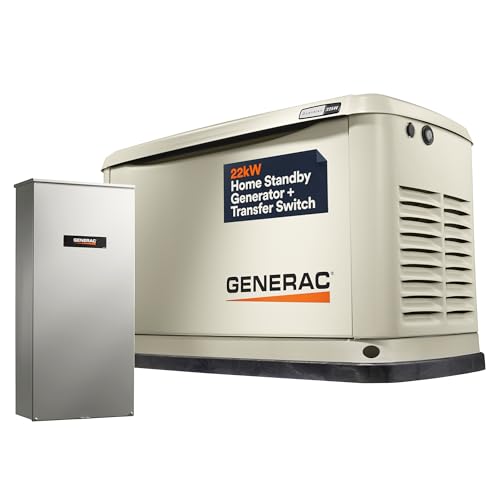
Generac Guardian 22kW Home Generator

Westinghouse 18000 Peak Watt Tri-Fuel Home Backup Generator

Westinghouse 12000 Peak Watt Tri-Fuel Portable Inverter Generator

Westinghouse 28000 Peak Watt Tri-Fuel Home Backup Generator
More Details On Our Top Picks
For a smaller home setup, this Oxseryn lands in the practical zone rather than the oversized one. The inverter design matters because it typically aims for steadier output than a basic open-frame unit, and the ECO mode points to lighter engine loading in easier conditions.
You may find it better suited to essentials, a garage fridge, or a few circuits during an outage than to whole-house duty. The trade-off is obvious, it stays more portable and modest than the bigger standby picks later in the list.
Reasons To Buy
- Inverter output suits sensitive household electronics better than a plain contractor-style frame.
- ECO mode can reduce fuel use during lighter loads, which helps in short outage routines.
- Portable form factor makes storage simpler than the heavier home standby units here.
- Open-frame design usually leaves maintenance access less cramped.
Points To Note
- 4400 watts fits partial-home coverage, not full-house comfort.
- Open-frame builds can be louder and less discreet than enclosed inverter models.
- You still need a sensible storage spot and routine care between storms.
Feature Card
Who It Suits Best
Households wanting a compact backup unit for basic outage coverage and easier storage will get the most from it.
Where A Sibling Pick Shines
Champion Power Equipment 4000-Watt Dual Fuel Inverter Generator fits better for RV use and anyone who wants a more travel-friendly portable option.
The DuroMax shifts the conversation from modest backup to serious whole-home coverage potential. Tri-fuel means it can run on gasoline, propane, or natural gas, which gives you more fuel paths than the Oxseryn or Champion models above.
That flexibility matters during a long outage, especially for homes that want options instead of one fuel source. The trade-off is size and complexity, so storage, setup, and handling are more demanding than the smaller picks.
What We Like
- Tri-fuel operation gives you more planning room during outages.
- 500cc engine displacement signals a larger power platform for heavier household loads.
- Natural gas compatibility can simplify home fuel planning where that line is already in place.
- The CO alert feature adds a useful safety-related monitor for enclosed-adjacent use areas.
- Good fit for homes that need more muscle than a compact inverter can provide.
Room For Improvement
- Its footprint and weight class are less friendly to easy moving or quick storage.
- Large portable generators usually ask more of setup and maintenance routines.
- The open-frame approach is not as quiet or tucked-away as a standby cabinet.
Core Details
Whose Shelf It Belongs On
Homes that want a large portable generator with fuel flexibility and room for substantial backup loads are the best match.
Swap It Out When
Generac Guardian 22kW Home Generator suits you better for a fixed whole-house standby setup with automatic transfer behavior.
This Champion sits in a sweet spot for people who want backup power that still travels well. Dual fuel gives you gasoline and propane flexibility, and the RV-ready angle makes it more versatile than the more home-bound Oxseryn.
Quiet technology usually signals a push toward lower operating noise, which matters in campgrounds, shared driveways, or close neighbors. The honest trade-off is wattage, because it is better for essentials and portable use than for larger home loads.
Bright Spots
- Dual-fuel setup gives you backup options without tying you to one fuel type.
- RV-ready design makes it easier to think beyond home outages alone.
- Inverter construction is a strong match for electronics and cleaner power needs.
- Quiet technology helps soften noise in mixed-use settings.
Softer Spots
- 4000 watts is a modest ceiling for larger household backup plans.
- Portable units still need seasonal upkeep and dry storage.
- You may outgrow it sooner than a larger tri-fuel model such as the DuroMax.
Quick Facts
Made For
Campers, RV owners, and households that want a quieter portable backup option will get the clearest value here.
Another Choice May Suit
Westinghouse 12000 Peak Watt Tri-Fuel Portable Inverter Generator is the stronger fit for homeowners who want more backup headroom while keeping inverter-style power.
This is the only clearly fixed whole-house standby unit in the group, and that changes the conversation completely. With transfer switch support and WiFi monitoring, it aims at homeowners who want a more permanent power plan rather than a portable stopgap.
For a home that sees outages often, that setup can feel as central as the electrical panel itself. The trade-off is installation commitment, because this class of generator asks more planning and integration than the portable Westinghouse models.
Highlights
- 22kW capacity is built for serious home coverage.
- Transfer switch support makes standby use more practical in a house setting.
- WiFi monitoring gives you remote status awareness without standing beside the unit.
- Natural gas or propane compatibility helps match the fuel setup at home.
- Automatic transfer behavior suits outage-prone homes better than portable-only options.
Honest Caveats
- Standby installation takes more planning than a portable generator.
- It makes sense for permanent backup, not casual garage storage.
- You will usually want professional-level coordination for a setup of this scale.
Details At A Glance
Right Fit For
Households that want a permanent backup system for frequent outages and full-home support are the natural match.
Look Elsewhere When
Westinghouse 18000 Peak Watt Tri-Fuel Home Backup Generator fits better for someone who still wants a large portable unit with remote start.
Compared with the Generac standby unit, this Westinghouse keeps things portable while still aiming at substantial home backup. Remote electric start and transfer switch readiness make it friendlier to outage routines than a plain pull-start machine.
Tri-fuel support gives you the same flexibility theme seen in the DuroMax, but with a more home-backup-focused layout. The main trade-off is that portability and high output still bring weight, so it rewards homes with a planned storage spot.
Positives
- Remote electric start removes some of the effort from startup.
- Transfer-switch readiness suits homeowners who already have that setup in place.
- Tri-fuel operation gives you options across gasoline, propane, and natural gas.
- Good fit for households that want strong backup without committing to a fixed standby cabinet.
Small Caveats
- Portable high-output gear still needs regular maintenance and fuel management.
- It is less discreet than inverter-style picks such as the Champion.
- Storage space matters, especially in smaller garages.
Core Details
Best Suited To
Homeowners who want a large portable backup generator with remote start and multiple fuel paths will find the strongest fit here.
Where A Sibling Pick Shines
Generac Guardian 22kW Home Generator is the better route for a fully installed standby setup that stays in place year-round.
This Westinghouse sits between the rougher portable units and the permanent standby machine. The inverter design is the headline here, because low total harmonic distortion, or low THD, means the power output is shaped to be friendlier to electronics than a basic generator feed.
Parallel capability gives you room to connect another compatible unit later, which is a practical path for growing power needs. The honest read is that it suits homes wanting cleaner portable backup, not the all-in permanence of the Generac.
Upsides
- Inverter output is a smart match for televisions, routers, and similar household electronics.
- Tri-fuel flexibility helps during fuel shortages or changing home setups.
- Remote start makes day-to-day use less fiddly.
- Parallel capability gives you an expansion path later.
- Transfer-switch readiness makes it more useful for home backup planning.
Things To Consider
- It still needs space, care, and fuel storage like any portable generator.
- Parallel use adds another layer of planning and compatibility work.
- 12000 peak watts is strong, though still below the larger Westinghouse 18000 and 28000 models.
Spec Overview
Built With In Mind
Households that want inverter-style backup power with meaningful output and fuel flexibility are the best match.
Where Another Pick Fits Better
Westinghouse 18000 Peak Watt Tri-Fuel Home Backup Generator fits better for homes that want more output and do not need inverter-style shaping as much.
The 28000 peak watt rating puts this at the top end of the portable group, and that matters for larger homes with bigger backup demands. Remote electric start and transfer switch readiness make it feel more organized than a bare-bones portable machine, even though it still lives in the portable category.
Compared with the 18000-watt Westinghouse, this one is the more muscular option for households that want extra headroom. The trade-off is obvious: a generator this large asks for committed storage, handling, and a home setup built around real backup use.
Best Bits
- Very high peak output for a portable tri-fuel unit.
- Tri-fuel support gives you broad fuel flexibility.
- Remote electric start keeps operation easier than manual-start heavy units.
- Transfer switch readiness aligns with serious home backup planning.
- Good fit for larger properties that need more headroom than mid-size generators provide.
Areas To Watch
- Size and storage demands are significant.
- It makes more sense for planned backup than for casual, occasional use.
- Routine upkeep and placement planning matter more as output climbs.
Feature Rundown
Who Will Love This
Large properties and homeowners planning for heavier backup loads will get the clearest payoff from this model.
Reach For A Different Pick When
Generac Guardian 22kW Home Generator is the better match for a permanently installed standby system that handles whole-house backup more elegantly.
How To Choose The Right Home Natural Gas Generators
Start With The Backup Load, Not The Label
Output matters more than headline branding. A 4000 to 4400 watt inverter suits essentials, a mid-range 12000 to 18000 watt portable unit handles broader household coverage, and a 22kW standby class is built for full-home planning.
Look at what you want powered at the same time, not just the biggest number on the box. Refrigeration, lighting, internet gear, and a sump pump do not all create the same demand, so the safer choice is the one that matches your real circuits.
Choose The Fuel Path That Fits Home Setup
Natural gas is convenient for homes that already have the line in place, while propane helps where stored fuel is part of the plan. Tri-fuel models add flexibility, but they also ask for more storage awareness and more attention to switching fuel sources.
That flexibility is useful during long outages, especially in areas where one fuel source becomes hard to manage. For a fixed whole-home standby system, the fuel decision and installation plan should stay aligned from the start.
Match Generator Type To Daily Use
Portable inverter generators suit households that want quieter operation and cleaner power for electronics. Open-frame portable models usually bring more raw output at the cost of noise and a rougher footprint, while enclosed standby units behave like a long-term home appliance.
That difference matters on a driveway, in a garage, or beside a utility area. The right shape is the one you can actually live with, maintain, and store without turning backup power into another household chore.
What To Weigh Before You Click
Wrong Turns To Avoid
One common miss is buying for output alone and forgetting installation. A transfer-switch-ready generator still needs the rest of the home setup to make sense, and a standby model needs more planning than a portable machine.
Another slip is ignoring maintenance access and storage space. A large tri-fuel unit can be the right power choice and still be the wrong fit for a tight garage or a setup that needs easy movement.
The Case For Spending Up
Higher-tier models usually buy you output, fuel flexibility, and better home integration. WiFi monitoring, remote start, inverter shaping, and automatic transfer support all raise the cost because they make backup use less awkward and more controlled.
That extra spend starts to make sense in outage-prone homes, larger properties, and setups that need more than a few circuits. In a small apartment-style footprint, the upgrade can be too much machine for too little demand.
Frequently Asked Questions
What size generator fits a typical home backup plan?
A smaller home can often get by with around 4000 to 4400 watts for essentials. Larger homes usually need a much higher output class, especially when HVAC, pumps, and multiple appliances matter.
Is tri-fuel better than dual fuel?
Tri-fuel gives you one more fuel path, which helps during long outages or supply changes. Dual fuel still works well for many homes and can be simpler to manage.
Do inverter generators make sense for home backup?
Yes, especially for households that want cleaner power for electronics and a quieter footprint. They are less about raw output and more about refined everyday backup use.
What does transfer switch ready mean?
It means the generator is built to work with a transfer switch setup. That makes house integration more practical than running cords everywhere.
Why choose a standby generator over a portable one?
A standby unit suits you when backup power needs to feel permanent and automatic. Portable models make more sense when storage, flexibility, and lower commitment matter more.
Final Thoughts
For Home Natural Gas Generators, the right choice comes down to how much of the house you need to keep running and how permanent you want the setup to be. The Generac Guardian fits the fixed whole-home crowd, while the Westinghouse and DuroMax portable tri-fuel models give you strong backup with more flexibility. Smaller inverter picks still earn their place for quieter essential coverage. Match the machine to the home, not the other way around, and the decision gets much easier.
