

Power outages rarely arrive politely, and the right backup setup makes the difference between a calm evening and a spoiled fridge. You may need a compact battery unit for apartment essentials, a gas generator for a bigger house, or a dual-fuel model that gives you more fuel flexibility. This roundup keeps the focus on practical fit, noise, outlets, and the kind of power you can actually use at home.
The Shortlist At A Glance

Jackery Explorer 2000 v2 Portable Power Station
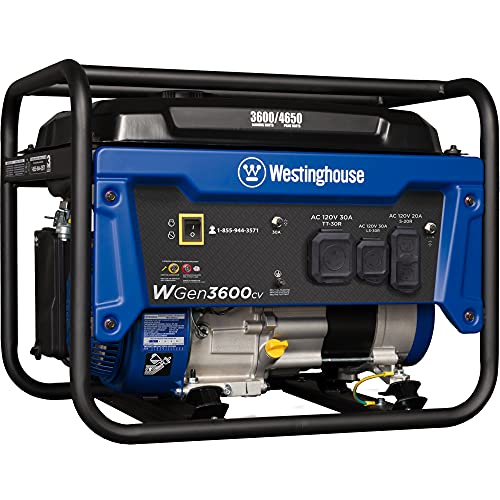
Westinghouse 4650 Peak Watt Portable Generator

Oxseryn Power Equipment 4400 Watts Inverter Generator

Westinghouse 12500 Peak Watt Home Backup Portable Generator
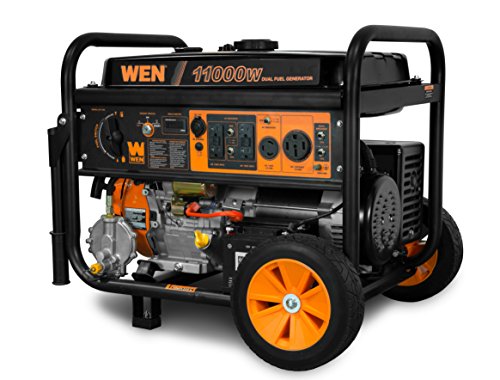
WEN 11,000-Watt 120V/240V Dual Fuel Portable Generator (DF1100T)

Oxseryn 4400-Watts Inverter Generator

WEN 6800-Watt Dual Fuel RV-Ready Electric Start Portable Inverter Generator (DF680iX)

DuroStar DS13000MX 13,000-Watt 500cc Dual Fuel Portable Generator
More Details On Our Top Picks
The Jackery leans into quiet indoor backup instead of engine noise, which matters in an apartment, a finished basement, or a house where a fridge and router need to stay up. The 2042Wh battery capacity gives you a solid reserve, and the 2200W AC output from three AC ports helps you cover several essentials at once without scrambling for adapters.
The USB-C PD 100W port is handy for modern laptops and phones, so you can keep daily devices moving while the rest of the house stays dark. The trade-off is simple: you get clean, portable power, but not the long runtime or fuel refill convenience of a gas unit like the Westinghouse 12500 or DuroStar DS13000MX.
Strong Points
- Battery power keeps it practical for indoor use and overnight essentials.
- Three AC outlets make it easier to spread power across a few devices.
- The 100W USB-C port suits newer laptops without extra bricks.
- LiFePO4 battery chemistry points to long-service, low-fuss ownership.
- Silent charging mode fits bedrooms or home offices far better than engine-driven units.
Things To Consider
- Battery units suit shorter backup needs more than multi-day whole-home use.
- Solar charging depends on panel setup, so the optional panel matters.
- Heavier reserve capacity usually means less grab-and-go convenience than smaller packs.
Feature Snapshot
Who It Suits Best
Apartment dwellers, home-office users, and families who want indoor-safe backup power will get the most from this format.
A Better Fit Elsewhere
WEN 11,000-Watt 120V/240V Dual Fuel Portable Generator (DF1100T) fits you better for long outages that call for fuel-based runtime and larger household loads.
Compared with the battery-powered Jackery, this Westinghouse unit is built for the person who wants fuel-based backup without stepping all the way up to a larger frame. The RV-ready 30A outlet matters for trailers and transfer-friendly setups, while the CO sensor gives a useful layer of shutoff awareness for home garage or outdoor placement.
The 4650 peak watt rating sits in a useful middle zone for refrigerators, sump pumps, and a few household essentials, depending on your load plan. The honest read is that this size works best when you want straightforward backup and can live with a gas engine’s routine upkeep and storage needs.
What We Like
- The 30A RV outlet makes it friendlier for travel trailers and backup tie-ins.
- Midrange output fits common household essentials without jumping to a much larger machine.
- The CO sensor is a meaningful safety-focused feature for everyday ownership.
- Gas power keeps runtime tied to fuel on hand rather than battery reserve.
Worth Noting
- Gas models need storage space, fuel care, and routine maintenance planning.
- Portable frame design still calls for a clear path for moving and positioning.
Core Details
Who Will Love This
Homeowners and RV travelers who want a straightforward gas backup for a few essential loads will feel at home with this format.
Swap It Out When
Jackery Explorer 2000 v2 Portable Power Station suits you better for indoor use where quiet operation matters more than fuel runtime.
This Oxseryn sits closer to a portable all-rounder than a heavy home backup machine, which can suit a garage, a worksite, or a smaller house with careful load planning. The open-frame style usually keeps the footprint simpler than enclosed units, and the ECO mode is a useful nod to lighter demand periods.
For weekend projects or emergency essentials, 4400 watts is enough to keep the conversation practical instead of oversized. You may find it easier to live with than bulkier full-home sets, though the open-frame approach means you trade away some noise control and shelter compared with enclosed inverter designs.
Highlights
- 4400 watts gives you workable room for selected household or RV loads.
- ECO mode helps match output to lighter-use periods.
- The open-frame format is easier to store than some larger home backup units.
- Gas power keeps refill planning simple for extended outages.
Small Caveats
- Open-frame generators are usually less sheltered than enclosed designs.
- You’ll want to plan placement carefully for noise and airflow.
- Maintenance and fuel storage are part of the ownership trade-off.
At A Glance
Right Fit For
Shop owners, RV users, and homeowners wanting a smaller gas backup for selected essentials will get the most from this pick.
Where A Sibling Pick Shines
Westinghouse 12500 Peak Watt Home Backup Portable Generator suits larger homes better, especially where transfer-switch readiness and more load headroom matter.
Moving up from the 4650-watt Westinghouse, this model is aimed squarely at larger backup plans where you want more cushion for appliances and branch circuits. Remote electric start saves you a walk to the unit, and the auto choke helps simplify the startup routine, which is handy during a storm or early-morning outage.
Transfer switch readiness is the detail that makes it feel more like a serious home backup choice than a casual portable generator. The trade-off is size and fuel upkeep, so this fits households that can accommodate a heavier gas machine and want the extra power margin to feel less stretched.
Best Bits
- Higher output leaves room for more of the house during an outage.
- Remote start keeps operation easier from the porch or doorway.
- Auto choke helps reduce fiddling during startup.
- Transfer switch readiness suits more organized home backup setups.
- CO sensor adds a practical awareness feature for outdoor placement.
Points To Note
- Bigger output usually means more storage and handling effort.
- Fuel-based units need periodic upkeep and sensible winter storage.
- It makes the most sense for homes that can use the extra wattage.
Details At A Glance
Made For
Households wanting a stronger gas backup for larger loads and a more permanent emergency setup will benefit most from this design.
A Better Fit Elsewhere
Jackery Explorer 2000 v2 Portable Power Station suits quieter indoor backup better, especially in places where fuel storage is awkward.
Dual-fuel support is the main reason this WEN stands out, because you can lean on gasoline or propane depending on what’s stored and what’s easier to manage. That makes it a smart fit for households that want a more flexible backup plan than single-fuel generators like the Westinghouse 12500.
The wheel kit and electric start make a large portable generator easier to live with, especially when it needs to move from storage to driveway or side yard. The 120V/240V output range gives it more headroom for mixed household needs, though you still want to think through load management rather than assuming every circuit can run at once.
Positives
- Dual-fuel operation adds useful flexibility during outages.
- Electric start keeps setup simpler than pull-start only models.
- Wheel kit helps move a heavier frame around the property.
- 120V/240V support broadens the range of backup uses.
Areas To Watch
- Dual-fuel convenience still means you manage two fuel options and storage habits.
- The larger frame can feel cumbersome in tight sheds or garages.
- Like most gas generators, it asks for regular maintenance attention.
Feature Rundown
Built With In Mind
Homeowners who want a flexible backup generator with stronger output and easier movement will appreciate this format most.
Look Elsewhere When
WEN 6800-Watt Dual Fuel RV-Ready Electric Start Portable Inverter Generator (DF680iX) suits you better for a lighter-duty setup with a quieter, more compact footprint.
This Oxseryn version keeps the same 4400-watt class as the earlier model, but the listing here focuses on RV readiness and emergency backup use in a very direct way. For a cabin, a small home, or a trailer setup, that can be the right amount of power without drifting into oversized territory.
The 30A outlet matters because it simplifies connection planning for RV-style use, and the EPA-compliant note signals a product positioned for broader consumer use in the United States. The trade-off is still the same kind of open-frame reality you get from most gas units in this class, so storage, airflow, and upkeep deserve attention.
Bright Spots
- 4400 watts is a workable middle ground for selected backup loads.
- RV-ready 30A output makes connection planning more straightforward.
- Open-frame design usually keeps the format straightforward to place.
- Gas power gives you runtime that tracks with fuel supply.
Minor Gripes
- Open-frame construction is less enclosed than many inverter-style alternatives.
- Gas upkeep and safe storage still come with the territory.
- Noise expectations are usually higher than with battery power stations.
Quick Facts
Whose Shelf It Belongs On
Campers, RV users, and homeowners wanting a compact gas backup for key loads will fit this option well.
Reach For A Different Pick When
Jackery Explorer 2000 v2 Portable Power Station suits you better for a quieter indoor setup with no fuel cans to manage.
Among the fuel-based choices here, this WEN sits in a useful middle zone: larger than the compact 4400-watt units, but less imposing than the 11,000-watt and 13,000-watt machines. The electric start, fuel shutoff, and CO watchdog make it feel thoughtfully sorted for regular storage and occasional emergency use.
The EV backup mention suggests a broader household role, which is handy for modern homes that need more than just lights and a fridge. The trade-off is that larger inverter convenience still comes with size, fuel handling, and the usual need to think through outlet and load priorities instead of assuming everything can run together.
Upsides
- Dual-fuel support adds flexibility across storage and runtime plans.
- Electric start makes startup easier in a stressful outage.
- Fuel shutoff is a useful maintenance-minded feature for storage periods.
- CO watchdog adds an important awareness feature for outdoor use.
- RV-ready output and EV backup mention widen the use case.
Softer Spots
- More features usually mean a little more to learn before first use.
- It still needs fuel storage space and routine generator care.
- Large inverter units are easier to justify in homes with real backup demand.
Core Details
Best Suited To
Families wanting a versatile generator for home backup, RV use, and occasional higher demand will get strong value from this design.
Another Choice May Suit
WEN 11,000-Watt 120V/240V Dual Fuel Portable Generator (DF1100T) makes more sense for you if your home backup needs stretch farther than the 6800-watt class.
This DuroStar is the biggest backup option in the roundup, and it reads that way from the start with 13,000 watts and a 500cc engine class. For larger homes or properties where backup power needs to stretch across more circuits, the gas-and-propane flexibility gives you room to plan around fuel availability.
Remote electric start and transfer-switch readiness push it toward a more serious home installation, not just a temporary outdoor setup. The honest read is that this is a lot of generator for smaller houses, so the extra capacity makes sense mainly when you actually need that overhead.
Reasons To Buy
- Very high output suits bigger household backup plans.
- Dual-fuel operation adds useful fuel flexibility.
- Remote electric start keeps operation more convenient.
- Transfer switch readiness helps with organized home backup setups.
- RV and emergency readiness broaden the practical use range.
Room For Improvement
- Large-capacity generators take more storage space and handling effort.
- Fuel management becomes a bigger part of ownership.
- Smaller homes can end up with more generator than they need.
Technical Sheet
The Right Fit
Large-house owners and property setups needing serious backup power will get the most from this generator.
Skip It When
Westinghouse 4650 Peak Watt Portable Generator is the cleaner fit for lighter household backup or RV use where simplicity matters more than raw capacity.
How To Choose The Right Generators For Home Backup
Match Output To The Loads You Actually Run
Backup power makes sense only when it lines up with your actual essentials. A battery station like the Jackery Explorer 2000 v2 covers quiet indoor needs well, while gas models such as the Westinghouse 12500 or DuroStar DS13000MX suit households that need more circuits and longer runtime.
Start by listing the things you truly need during an outage, then compare that to outlet count and rated output. Fridges, routers, lights, and a sump pump can land in very different power ranges, so a generator that sounds big on paper may still feel tight in a real outage.
Fuel, Noise, And Placement Shape Daily Use
Battery units win on simplicity indoors because they avoid exhaust and usually stay much quieter. Gas generators bring the runtime flexibility that battery packs cannot match, but they ask for fuel storage, outdoor placement, and a little more routine care.
Noise matters more than many people expect, especially in a dense neighborhood or a house with sleeping children. The Jackery’s silent charging mode feels far easier to live near than an open-frame gas unit, while a generator like the WEN DF1100T gives you more flexibility at the cost of more storage planning.
Think About Starting Method And Mobility
Remote electric start, electric start, and wheel kits sound like convenience features, yet they shape how often a unit feels easy to use. A heavy generator that stays buried in a shed tends to get used less smoothly than a midweight model that rolls out without a fight.
That’s where the WEN dual-fuel models and the Westinghouse remote-start unit stand out for many homes. A simple starting system and manageable frame make a real difference during a storm, because the unit you can deploy quickly is the one that matters.
Choose The Format That Fits Your Space
Home backup is not only about wattage, it’s also about where the unit lives between outages. A compact battery station fits a closet, utility room, or shelf much more easily than a large dual-fuel generator.
The right choice depends on whether you want quiet indoor backup, a middle-ground portable unit, or a larger transfer-switch setup. Match the machine to your storage space first, then scale up only as the home actually needs more power.
A Quick Reality Check Before You Commit
Hidden Buying Traps
Some shoppers focus on peak wattage and ignore runtime, outlets, and how the unit will sit in real life. That’s how a large generator ends up underused, or a battery station ends up stretched beyond what it should carry.
Fuel storage, ventilation, and basic maintenance also deserve attention from the start. A generator that fits your home and your habits usually feels far more useful than one that only looks impressive on paper.
The Upgrade Payoff
Higher-tier generators cost more because they usually bring larger engines, dual-fuel flexibility, remote starts, transfer-switch readiness, or longer-lasting battery chemistry. Those extras matter most in homes that lose power often, use more circuits, or need a setup that’s easier to live with during long outages.
You do not need to overbuy for a small apartment or a short outage pattern. Spending up makes sense when you want more load headroom, easier starting, or a more polished home connection plan.
Frequently Asked Questions
How much generator power does a home backup setup need?
That depends on the appliances you want to keep running and whether you plan for just essentials or more of the house. A small battery station can cover light loads, while larger gas generators suit households that need broader coverage.
Are battery power stations or gas generators better for home backup?
Battery stations are quieter and easier indoors, which suits apartments and short outages. Gas generators are better for longer runtime and larger loads, provided you can manage fuel and outdoor placement.
What does transfer switch ready mean?
It means the generator is designed to connect more cleanly to a home electrical setup through a transfer switch. That matters for people who want a more organized backup plan instead of running extension cords everywhere.
Why does a CO sensor matter?
A CO sensor adds a shutdown cue related to carbon monoxide awareness, which is helpful with fuel-burning generators placed outdoors. It does not replace careful placement and normal safety habits.
Is dual fuel worth it for home backup?
Dual fuel adds flexibility because you can choose between two fuel types depending on availability and storage. That tends to be most useful for households that want backup options to feel less tied to one fuel source.
Closing Thoughts
The best choice depends on how your home actually loses power and how much setup you want to manage on a bad day. The Jackery Explorer 2000 v2 is the calmest route for indoor essentials, the Westinghouse and WEN gas models scale better for larger homes, and the DuroStar brings the most headroom for bigger backup plans. For most homes, the sweet spot comes from matching the generator to the space, the storage, and the load you really expect to carry.
