

Power loss changes the rhythm of a house fast, from spoiled groceries to dead routers and a dark hallway at midnight. You want backup that matches your space, your appliances, and how long you expect the outage to last, not just a big number on a box.
This roundup focuses on seven different approaches, from battery backup for apartments to gas-powered units for whole-home coverage. The right match depends on where you live, what you need to keep running, and how much setup you’re willing to handle.
The Shortlist At A Glance

Jackery Explorer 2000 v2 Portable Power Station 2042Wh
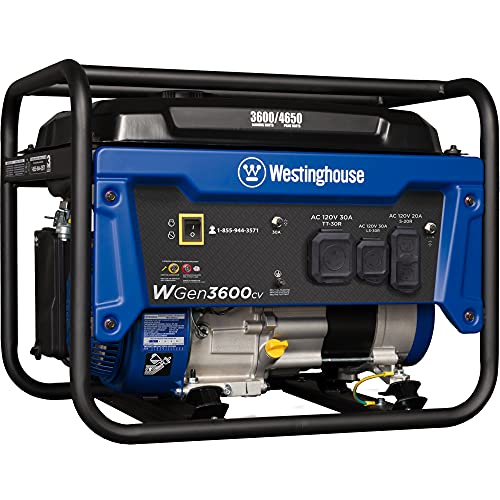
Westinghouse 4650 Peak Watt Portable Generator

Oxseryn Power Equipment 4400 Watts Inverter Generator

Westinghouse 12500 Peak Watt Home Backup Portable Generator

Oxseryn 4400-Watts Inverter Generator

Champion Power Equipment 4000-Watt Dual Fuel Portable Inverter Generator

DuroStar DS13000MX 13,000-Watt 500cc Dual Fuel Portable Generator
More Details On Our Top Picks
The Jackery Explorer 2000 v2 fits the kind of outage plan that needs quiet, indoor-friendly backup. With 2042Wh of capacity and 2200W AC output across three outlets, it can cover essentials like a router, lights, a laptop, and other moderate household gear without the fumes of a fuel engine.
The LiFePO4 battery, which is a lithium iron phosphate pack known for long service life, makes sense for homes that want a low-drama backup source kept ready year-round. The trade-off is simple, this is better for managing key devices than for running everything at once, and the 30dB silent charging mode is most useful for bedrooms, offices, and apartments.
What We Like
- Three AC outlets give you practical flexibility for a few core devices at once.
- USB-C PD 100W charging is handy for modern laptops and tablets, so you do not need a separate adapter.
- Silent charging mode keeps noise down during night use or quiet work sessions.
- 20ms switching helps bridge brief interruptions for connected essentials.
- LiFePO4 chemistry is a strong fit for long-term backup planning.
Things To Consider
- It is a power station, so it suits essentials better than whole-house loads.
- Solar panels are optional, so off-grid charging takes extra setup.
- The larger battery footprint needs a dedicated storage spot indoors.
Feature Rundown
Who It Suits Best
Apartment dwellers, remote workers, and anyone who wants indoor backup without engine noise will get the most from this setup.
A Better Fit Elsewhere
Westinghouse 12500 Peak Watt Home Backup Portable Generator suits larger homes that need far more circuit coverage during longer outages.
This Westinghouse model lands in that useful middle zone where you want more muscle than a compact inverter, but not the bulk of a full home-backup setup. The RV-ready 30A outlet matters for travelers and trailer owners, and the CO sensor adds a layer of operational caution that belongs on any fuel unit used near living spaces.
For weekend outages or a garage-based backup plan, the gas format gives you familiar refueling and steady use. The trade-off is noise and fuel handling, so it fits households that can manage outdoor placement and basic maintenance without fuss.
Upsides
- 4650 peak watts gives you a useful cushion for several appliances.
- The 30A RV outlet makes it easier to support travel trailers and similar setups.
- Gas power is straightforward to refuel during longer outages.
- The CO sensor is a helpful safety-oriented feature for real home use.
Room For Improvement
- You need outdoor placement and fuel storage, which adds routine upkeep.
- It is not the quietest match for dense neighborhoods.
- Starting and refueling ask for more hands-on attention than a battery unit.
Quick Facts
Right Fit For
Campers, RV owners, and homeowners who want a practical midrange generator will find the shape of this model easy to understand.
Another Choice May Suit
Jackery Explorer 2000 v2 Portable Power Station 2042Wh suits you better when indoor operation and low noise matter more than raw gas output.
Compared with the Westinghouse gas picks above, this Oxseryn leans toward a calmer inverter-style experience. ECO mode, which lowers engine activity under lighter loads, is the useful detail here because it can trim noise and fuel use during modest demand like lights, fans, or a fridge cycle.
That makes it a sensible fit for neighborhood outages, camping, and backup for smaller home circuits. The honest read is that the open-frame design is still a gas generator, so it needs the same outdoor placement and maintenance discipline as the heavier units.
Bright Spots
- Inverter design is a better match for sensitive electronics than a basic open-frame unit.
- ECO mode helps the engine stay calmer under lighter demand.
- RV-ready output broadens its usefulness beyond home backup.
- 4400 watts gives you enough room for practical outage coverage without jumping into the largest category.
Softer Spots
- Gas storage and routine upkeep still come with the category.
- Open-frame construction is less enclosed than some quieter enclosure styles.
- It will not replace a full-home backup system for larger households.
Technical Sheet
Built With In Mind
Campers, suburban homeowners, and anyone wanting a middleweight inverter format will appreciate the balance this model aims for.
Where A Sibling Pick Shines
Champion Power Equipment 4000-Watt Dual Fuel Portable Inverter Generator fits better for people who want the option to run either propane or gasoline.
This Westinghouse unit is aimed squarely at households that want serious backup capacity and a more home-integrated setup. Remote electric start and auto choke are practical touches, because they reduce the usual start-up friction during stressful outage conditions.
Transfer switch readiness is the feature that changes the game here, since it lets the generator work with a home transfer setup instead of relying on ad hoc extension cords. The trade-off is size and complexity, so this is better for owners who are comfortable with planned installation and outdoor storage.
Reasons To Buy
- High peak wattage supports a wider mix of home loads.
- Remote electric start is convenient when access is awkward or weather is rough.
- Auto choke simplifies the start process.
- Transfer switch readiness fits a more organized home backup plan.
Points To Note
- This size class needs space, fuel planning, and regular attention.
- It is more generator than a casual household backup unit.
- Owners typically need to think through installation before an outage, not during one.
Core Details
The Right Fit
Homeowners planning for longer outages and larger electrical loads will get the most value from this level of capacity.
Swap It Out When
Jackery Explorer 2000 v2 Portable Power Station 2042Wh makes more sense for apartment living or indoor backup without fuel handling.
This Oxseryn brings a familiar 4400-watt footprint, but its place in the list comes from the practical mix of RV readiness and emergency-home framing. For a detached garage, a side yard, or a camper setup, that combination keeps the use case broad without pushing into oversized territory.
EPA compliance is listed, and the open-frame layout keeps the shape straightforward for storage and movement. The honest trade-off is that you still need outdoor fuel handling and routine care, so it suits people who want a conventional generator at a gentler scale.
Highlights
- 4400 watts is a workable middle ground for essential backup.
- RV-ready 30A output adds travel flexibility.
- Open-frame design tends to be easier to place in a garage or utility space, while still running outdoors.
- Its straightforward format makes it easier to understand than more complicated home-backup systems.
Small Caveats
- Open-frame gas units need the usual fuel and maintenance attention.
- It is less discreet than a battery power station for quiet indoor use.
- Large homes may still want a bigger capacity option.
At A Glance
Whose Shelf It Belongs On
Homeowners and RV users who want a plainspoken midrange generator with a practical outlet layout will find this one easy to place.
Look Elsewhere When
Westinghouse 12500 Peak Watt Home Backup Portable Generator fits better for larger homes that want transfer-switch-based circuit coverage.
Dual fuel is the point that makes this Champion stand out, since you can plan around gasoline or propane depending on what’s easier to store and refill. That matters in real outage prep, because propane storage feels cleaner for some homes while gasoline can be simpler to source on short notice.
Quiet technology helps keep the footprint more livable than a plain construction-style generator, which is useful in a driveway or campsite. The trade-off is that dual-fuel convenience usually asks for a bit more attention to setup and storage than a single-fuel model.
Positives
- Dual fuel flexibility gives you more planning options during outages.
- Inverter output is friendlier for electronics than a rougher gas-only design.
- RV-ready capability broadens its use beyond the house.
- Quiet technology makes it easier to live with in close quarters.
Areas To Watch
- You still need to manage two fuel pathways, which adds a little complexity.
- Four thousand watts suits essentials, not heavy whole-home loads.
- Propane and gasoline storage each come with separate planning needs.
Feature Snapshot
Perfect Match For
Households that want fuel flexibility and a calmer operating profile will get the most out of this Champion.
Reach For A Different Pick When
Oxseryn Power Equipment 4400 Watts Inverter Generator fits better for you when a single-fuel setup and a simpler purchase path matter more.
The DuroStar DS13000MX sits at the heavy end of this list, and that’s exactly the point. A 500cc engine, dual-fuel support, and remote electric start point to a setup built for larger homes that want serious outage coverage rather than a few emergency outlets.
Transfer switch readiness and whole-home backup framing make it the obvious bridge toward more organized house-level planning. The trade-off is size, fuel use, and the need for confident storage and installation habits, so it suits people who know they need more than a compact emergency unit.
Strong Points
- 13,000 watts gives you a much larger backup envelope than the smaller options here.
- Dual fuel support adds planning flexibility.
- Remote electric start helps reduce hassle during an outage.
- Transfer switch readiness suits more complete home backup setups.
- RV and emergency framing makes it versatile across more than one use case.
Honest Caveats
- This size asks for space and careful placement.
- Fuel planning and upkeep matter more at this level.
- It is a serious machine, so small households may find it more than they need.
Details At A Glance
Who Should Grab It
Large households, rural properties, and anyone planning for extended outages will get the most from this level of output.
Where A Sibling Pick Shines
Westinghouse 4650 Peak Watt Portable Generator suits smaller setups and RV use where a midrange footprint feels easier to manage.
How To Choose The Right Generators For Home Power Outage
Match Output To The House
The first decision is power type, because capacity shapes everything else. A battery power station like the Jackery Explorer 2000 v2 suits essentials, while gas generators such as the Westinghouse 12500 Peak Watt Home Backup Portable Generator can carry much larger home loads.
Think in terms of the appliances that matter most, not just the biggest number on the page. Refrigeration, lighting, internet gear, and medical-equipment-adjacent needs create very different demands than a camping setup or a laptop station.
Choose The Fuel Plan That Fits Your Life
Fuel choice matters almost as much as wattage. Gas-only units are straightforward, dual-fuel models such as the Champion Power Equipment 4000-Watt Dual Fuel Portable Inverter Generator add flexibility, and a battery unit removes fuel handling entirely.
That trade-off shows up during storage, maintenance, and outage length. A battery unit feels tidy indoors, while a gas generator gives you more runtime planning room, especially for longer weather events.
Think About Noise, Placement, And Neighbors
Noise matters in a real neighborhood, not just on a spec sheet. A quiet inverter or silent-charging power station works better near bedrooms, patios, and attached garages than a louder open-frame generator.
Placement also changes the whole experience. Outdoor-only gas operation, cord routing, and storage space should all be part of the decision, because the easiest generator to own is the one that actually fits your home layout.
Look For Start And Connection Features That Reduce Stress
Remote start, transfer switch readiness, RV outlets, and USB-C ports each solve a different problem. Remote starting helps in bad weather, transfer switch support makes a home backup setup more orderly, and USB-C output keeps phones and laptops charged without extra adapters.
These details matter most during a real outage, when you want less juggling and fewer loose ends. The right feature mix can turn a backup plan from awkward to manageable.
What You Should Know Before Choosing
Wrong Turns To Avoid
A common mistake is buying more output than your setup can actually use. That adds cost, weight, and storage hassle without improving daily comfort.
Another miss is ignoring fuel and placement. A large gas generator can be a poor fit for a townhouse patio, while a compact power station may be too limited for a larger refrigerator-heavy home.
The Case For Spending Up
Higher-tier models cost more because they usually add capacity, better start systems, quieter operation, or cleaner integration with household circuits. In this category, those extras matter because they reduce friction during a stressful moment.
The upgrade is worth it when outages are frequent, the home load is larger, or you want a setup that feels easier to live with. For lighter needs, a simpler unit often makes more sense and leaves less gear to maintain.
Frequently Asked Questions
How much power do you need for a home outage?
That depends on the appliances you want to keep running. A small backup load needs far less than a refrigerator, sump pump, and several rooms at once.
Are battery power stations enough for outages?
They can be enough for essentials like networking gear, lights, and device charging. Larger homes usually need a gas generator for longer or heavier use.
What does RV-ready mean?
It means the generator includes an outlet format suited to RV hookups, often a 30A connection. That makes it easier to support travel trailers and similar setups.
Why choose dual fuel?
Dual fuel gives you two fuel paths, usually gasoline and propane. That flexibility helps when one fuel is easier to store or source than the other.
What feature matters most for indoor-friendly backup?
Low noise and no exhaust are the big advantages. That is why a power station often works better for apartments and inside-adjacent use.
Final Thoughts
The right backup choice depends on how your home actually lives, not on the loudest wattage number. For quiet indoor help, the Jackery Explorer 2000 v2 is the most comfortable fit, while the Westinghouse and DuroStar gas units suit bigger homes that need longer reach. Midrange inverter models sit in the useful middle and make sense for many garages, RVs, and suburban setups. Choose the one that matches your space, your load, and the amount of setup you’re willing to keep in motion.
