

Power outages are easier to live with when you already know which generator fits your home, your fuel setup, and your noise tolerance. This roundup focuses on whole-home backup, portable inverter formats, and a few smaller units that make sense for cabins, RV stops, or light-duty emergency coverage. You get a practical view of what each pick does well, plus the trade-offs that matter once the unit is in your garage or on your pad.
The Shortlist At A Glance

Westinghouse 12000 Peak Watt Dual Fuel Portable Inverter Generator

AIVOLT 1600W Super Quiet Inverter Generator 28lbs Portable
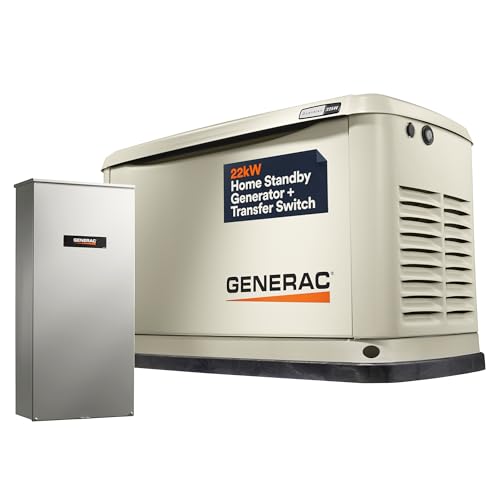
Generac Guardian 22kW Home Generator

DuroStar DS13000MX 13,000-Watt 500cc Dual Fuel Portable Generator

Westinghouse 28000 Peak Watt Home Backup Portable Generator

DuroMax XP11000iH 11,000-Watt Dual Fuel Portable Digital Inverter Generator

Westinghouse 12000 Peak Watt Tri-Fuel Portable Inverter Generator

Champion Power Equipment 11,000-Watt Wireless Remote Start Home Backup Portable Inverter Generator
More Details On Our Top Picks
This Westinghouse fits a home backup plan that still wants some flexibility, since it runs on gas or propane and includes remote electric start. Transfer-switch readiness matters here, because that makes it easier to connect to a house setup instead of treating it like a casual campsite unit. Low total harmonic distortion, or THD, is a useful sign for sensitive electronics, and the parallel-capable design gives you room to scale without replacing the whole unit.
Compared with the smaller AIVOLT, this one is built for much heavier household demand, while it stays more portable than a permanent standby machine like the Generac Guardian. The CO sensor adds another layer of everyday practicality, especially for garage storage or driveway use, though you still need normal ventilation habits and regular fuel care. For most homes that want one generator to cover outages and occasional jobsite duties, this sits in a very sensible middle ground.
Strong Points
- Dual-fuel operation lets you choose gas or propane based on what’s on hand.
- Remote start keeps setup easier during bad weather or early-morning outage checks.
- Transfer-switch readiness suits home backup wiring without feeling overly specialized.
- Low THD is a smart fit for electronics and other sensitive loads.
- Parallel capability gives you a path to more output later.
Things To Consider
- It still needs space, fuel storage, and routine upkeep, so it’s not a casual carry-around pick.
- Portable inverter frames are more involved to store than small travel units like the AIVOLT.
- You’ll want a proper plan for cords, placement, and transfer-switch use.
Feature Rundown
Who It Suits Best
You benefit most here when you want a serious portable backup source for a detached home, workshop, or mixed-use property.
A Better Fit Elsewhere
Generac Guardian 22kW Home Generator suits you better when you want automatic whole-home backup with a fixed installation.
The AIVOLT takes a very different path from the larger backup units above, because it’s built around portability first. At 28 pounds, it’s the easiest carry in this lineup, and the 57 dBA noise figure is useful for campgrounds, tailgates, or a quiet patio setup. Its pure sine wave output, meaning a cleaner electrical shape for electronics, helps it make sense for small devices and light household essentials.
Compared with the Westinghouse and DuroStar models, this one is clearly not trying to cover a full home panel. The trade-off is capacity, but that trade-off buys you easier transport, simpler storage, and a much less intimidating footprint in a closet or vehicle cargo space. The honest read is that this works best for people who value convenience more than raw output.
What We Like
- Light 28-pound build keeps carry and storage simple.
- 57 dBA output suits quieter campsites and close-quarters use.
- Pure sine wave power is friendlier for electronics and chargers.
- Eight-hour ECO mode can stretch runtime in lighter-use situations.
Room For Improvement
- It’s a small-capacity machine, so it won’t replace home-backup models.
- Gas-only operation limits fuel flexibility compared with dual-fuel picks.
- Lightweight gear still needs regular fuel and storage attention to stay ready.
Technical Sheet
Who Will Love This
You suit this generator best when camping, tailgating, or occasional backup for a few essentials matters more than full-house coverage.
Swap It Out When
Westinghouse 12000 Peak Watt Dual Fuel Portable Inverter Generator is the better call for you once whole-home backup enters the picture.
This is the clear fixed-installation choice in the group, and that matters because automatic transfer is the whole point for many homes. WiFi monitoring also changes daily ownership, since you can keep an eye on status without walking outside every time the power flickers. Natural gas or propane compatibility gives installation planners some flexibility, though you’ll still need the right setup and professional coordination for a system like this.
Compared with portable units such as the Westinghouse dual-fuel models, this one feels far more like a home appliance than a movable machine. That makes it a strong fit for households that want seamless outage coverage and less day-of-storm scrambling. It’s not for casual storage in a garage corner, but it is a very sensible answer for people who want backup to feel automatic.
Highlights
- Automatic transfer support reduces the hands-on part of outage recovery.
- WiFi monitoring gives you status visibility from inside the house.
- 22kW capacity suits many whole-home backup plans.
- Natural gas or propane compatibility can help with installation planning.
Minor Gripes
- This is a fixed system, so it needs a more committed installation path.
- It’s much less flexible than portable inverter models for travel or jobsite use.
- Maintenance is part of the ownership picture, just as it is with any standby unit.
Core Details
Built With In Mind
You fit this model best when you want a standby backup system for a primary residence and prefer less manual involvement during outages.
Where A Sibling Pick Shines
Westinghouse 12000 Peak Watt Tri-Fuel Portable Inverter Generator suits you better if you want a portable unit with more fuel choices and less permanent commitment.
The DuroStar leans into brute output with a 500cc engine and 13,000-watt class positioning, so it speaks to homes that want a hard-working portable source for heavier outage loads. Dual-fuel operation keeps the setup practical, and remote electric start takes some friction out of getting it going. Transfer-switch readiness also helps it fit a more organized home backup arrangement instead of just a loose extension-cord approach.
Against the Westinghouse 12000 dual-fuel inverter, this one reads as the tougher, less refined workhorse. That’s useful for emergency power and RV readiness, though the package feels more about strength than quiet refinement. You may find it a little more storage-hungry than the smaller inverter models, but it makes sense for a property that regularly asks a lot from backup gear.
Positives
- 500cc engine size suggests plenty of push for demanding backup jobs.
- Gas and propane support gives you useful fuel flexibility.
- Remote electric start makes restart checks simpler.
- Transfer-switch readiness helps with home backup setup.
- RV and emergency orientation broadens how you can use it.
Points To Note
- This is still a sizable portable generator, so storage and movement take planning.
- It does not offer the cleaner inverter framing of the Westinghouse and DuroMax inverter picks.
- Fuel management and periodic upkeep matter, especially during long idle stretches.
At A Glance
Perfect Match For
You fit this generator best when you need portable backup with stronger output for a larger home, barn, or emergency-ready property.
Another Choice May Suit
Champion Power Equipment 11,000-Watt Wireless Remote Start Home Backup Portable Inverter Generator suits you better if quieter operation matters more than raw output.
The Westinghouse 28000 stands out because it’s aimed at serious home backup loads, not just a few essentials. Remote electric start and auto choke work together to make startup less fiddly, which is welcome when you’re dealing with outages instead of a calm weekend project. The 30A and 50A outlets also signal that this machine is built to connect into stronger home or equipment setups.
Compared with the Westinghouse 12000 dual-fuel inverter, this model is far more about raw home coverage than cleaner inverter-style flexibility. It’s gas-powered only, so you lose fuel choice, but you gain a very strong portable backup profile for a large house. The blue finish is a small bonus in a category where many units look nearly identical, and that can help when you’re sorting equipment in a crowded storage area.
Upsides
- 28,000 peak watts point to serious household backup capacity.
- Auto choke can simplify cold-start behavior.
- Remote electric start is a practical comfort during outage conditions.
- 30A and 50A outlets increase connection flexibility.
- CO sensor adds a thoughtful layer for placement awareness.
Softer Spots
- Gas-only operation means you don’t have the dual-fuel flexibility of some rivals.
- It’s a large portable unit, so moving and storing it takes planning.
- Routine maintenance still matters, especially for a machine meant to sit ready.
Details At A Glance
Right Fit For
You suit this generator best when a larger property needs strong portable backup and you want a straightforward gas-powered setup.
Look Elsewhere When
Generac Guardian 22kW Home Generator is the better match for you if you want automatic standby power instead of a portable unit.
This DuroMax sits in the middle of the pack in a useful way, because it combines dual-fuel flexibility with digital inverter styling and remote electric start. That mix helps a lot for RV pads, backup sheds, and homes that want cleaner power than a basic contractor generator typically provides. Transfer-switch readiness also points toward more organized home use, rather than just improvised extension cords.
Compared with the heavier DuroStar DS13000MX, this one feels a bit more polished for mixed-use ownership, while it still keeps the power ceiling high enough for emergency situations. The trade-off is that you’re paying attention to fuel choice, maintenance, and storage just like any other substantial portable. You may find it especially appealing when your backup plan needs to serve both the house and the road.
Best Bits
- Dual-fuel design gives you more fueling options.
- Digital inverter output helps it fit electronics more comfortably.
- Remote electric start keeps startup easier than a manual pull system.
- Transfer-switch readiness supports home backup planning.
Worth Noting
- It still takes real storage space, so it’s not a tiny garage shelf item.
- Inverter models often cost more than plain open-frame generators with similar output class.
- Fuel and oil routines matter more when the machine sits unused between outages.
Feature Card
The Right Fit
You suit this generator best when you want a portable backup source that can serve household essentials and RV use without feeling overly basic.
Reach For A Different Pick When
Westinghouse 28000 Peak Watt Home Backup Portable Generator is the stronger fit for you when raw backup output matters more than inverter-style refinement.
This model gives you the broadest fuel flexibility in the roundup, and that can matter a lot during long outages or in places where one fuel type is easier to store than another. Gas, propane, and natural gas support make it much easier to adapt your backup plan to your property. Remote start, transfer-switch readiness, and the low-THD inverter setup round it out as a very versatile home-use option.
Against the dual-fuel Westinghouse above, this one adds natural gas into the mix, which is a real convenience for some households. The trade-off is that a more flexible machine also asks for more planning around hookups and fuel paths. For homes that want a single portable generator with a lot of scenario coverage, this is a strong, practical answer.
Reasons To Buy
- Tri-fuel support gives you the widest fuel flexibility in this lineup.
- Remote start keeps startup easier in rough weather or urgent moments.
- Transfer-switch readiness fits home backup wiring plans.
- Low THD helps it make more sense for electronics.
- Parallel capability leaves room to expand output later.
Areas To Watch
- Three-fuel convenience comes with more setup thinking than a simpler gas-only unit.
- Portable backup still means maintenance, storage, and fuel management.
- Natural gas use depends on the kind of connection your home already has.
Quick Facts
Whose Shelf It Belongs On
You suit this generator best when you want portable backup with maximum fuel flexibility and a serious home-use orientation.
Skip It When
AIVOLT 1600W Super Quiet Inverter Generator 28lbs Portable suits you better if you need something much lighter for travel and short outings.
The wireless remote start is the easy-to-like detail here, because it removes one more bit of hands-on effort from outage-day routine. Quiet technology also matters in a home-backup generator, especially in tighter neighborhoods where you don’t want the machine dominating the whole block. As a portable inverter model, it aims to be friendlier for household electronics than a standard open-frame backup unit.
Compared with the DuroMax XP11000iH, this one leans more toward convenience and everyday comfort than fuel flexibility. The included 3-year warranty mention may also matter to some shoppers, although coverage terms should always be read carefully on the product page. For homes that want a practical mix of quiet operation, remote convenience, and backup-ready sizing, this lands in a useful spot.
Best Bits
- Wireless remote start makes operation less fussy.
- Quiet technology suits neighborhoods and attached garages more comfortably.
- Portable inverter design is friendlier for many electronics.
- Home backup orientation fits household outage planning.
Small Caveats
- It’s still a substantial generator, so storage and placement matter.
- Quiet design helps, but it won’t sound silent.
- Portable backup always brings fuel and maintenance tasks with it.
Spec Overview
Who Should Grab It
You fit this generator best when you want a home-backup portable with easy remote operation and a quieter-feeling footprint.
Where Shoppers Go Wrong
Generac Guardian 22kW Home Generator is the better match for you if automatic standby backup matters more than portability.
How To Choose The Right Whole House Inverter Generators
Start With The Load, Not The Logo
Your first job is matching generator output to the appliances and circuits you actually care about. A fridge, modem, lights, and a few fans ask for a very different machine than a central AC system or a well pump.
Peak watts tell you the short burst headroom, while running watts show the steadier output you can keep using. That difference matters because many homes need more than one item to start at the same time, and startup loads can jump higher than you expect.
Match Fuel Flexibility To Your Property
Gas-only units are simpler, but dual-fuel and tri-fuel models give you more choices during a long outage. That flexibility helps when one fuel is easier to store, easier to source, or already part of your home setup.
Natural gas compatibility changes the picture for fixed homes, while propane often makes more sense for portable storage. The trade-off is that more fuel options usually mean more planning around hoses, regulators, or hookups.
Quiet Power Feels Different In Daily Life
Noise matters more than many people expect, especially near patios, attached garages, or dense neighborhoods. A quieter inverter unit can feel much easier to live with than an open-frame generator that sounds like yard equipment all evening.
Inverter design also helps with cleaner power for electronics, which is useful for routers, chargers, and modern appliances. You still need to size the unit correctly, because quiet output does not make up for a machine that’s too small for your household load.
Decide How Hands-Off You Want Backup To Be
Wireless or remote start reduces the fuss, but automatic transfer takes convenience even further. Standby systems like the Generac Guardian suit homes that want the generator to step in with less manual handling.
Portable inverter units still make sense for many households because they cost less to install and can move with changing needs. The right choice comes down to whether your backup plan needs mobility, simplicity, or seamless automatic coverage.
Things Worth Knowing First
Wrong Turns To Avoid
A common mistake is chasing watt numbers without checking the kind of loads your home actually uses. Another is buying a heavy portable unit and then discovering you have nowhere sensible to store it or no easy way to move it.
People also overlook outlet types, transfer-switch readiness, and fuel storage, which are the details that make the machine useful after the box is opened. Those small details matter more than marketing language once the weather turns rough.
What The Higher Tier Buys
Higher-tier models usually bring stronger build quality, more fuel options, cleaner inverter output, or automatic standby integration. You’re also paying for convenience features like remote start, WiFi monitoring, or quieter operation that make ownership smoother.
That extra cost makes sense for homes that face frequent outages, need electronics-friendly power, or want backup to feel close to seamless. For lighter use, a simpler portable unit can be the smarter spend because it keeps the system easier to manage.
Frequently Asked Questions
What size generator works for a whole home?
The right size depends on what you want to run at the same time, not just the number on the box. Small essentials need far less output than central HVAC or multiple large appliances.
Is inverter power better for home electronics?
Inverter output is a cleaner match for many electronics and charging gear. That makes it a sensible choice for homes that care about routers, computers, and modern appliances.
Do portable generators make sense for house backup?
Yes, especially when you want a lower-commitment setup and still need meaningful emergency power. Transfer-switch-ready models make that approach much easier to live with.
Why choose dual-fuel or tri-fuel models?
More fuel options give you flexibility during outages and in long storage periods. That can be useful when one fuel is easier to keep on hand than another.
Is a standby unit worth it for daily convenience?
Standby systems suit homes that want backup to feel automatic instead of hands-on. They also make more sense when the property already supports a permanent installation.
Closing Thoughts
The right generator depends on how your home actually loses power, how much you want to manage by hand, and where you plan to store the unit. Portable inverter models bring flexibility, cleaner output, and easier movement, while standby systems bring a calmer experience during outages. The smartest match is the one that fits your house layout and your tolerance for setup, not the loudest watt number. Pick the path that feels workable in your own driveway, and the rest gets a lot easier.
