

Choosing a high-output inverter generator usually means balancing home backup, RV hookups, and jobsite needs without getting stuck with a machine that feels oversized or underpowered. You want steady output, cleaner power for electronics, and fuel flexibility that makes sense for your setup. That’s where this list helps, because the strongest options here cover very different use cases, from whole-home backup to lighter portable use.
The Shortlist At A Glance

Westinghouse 12000 Peak Watt Dual Fuel Portable Inverter Generator
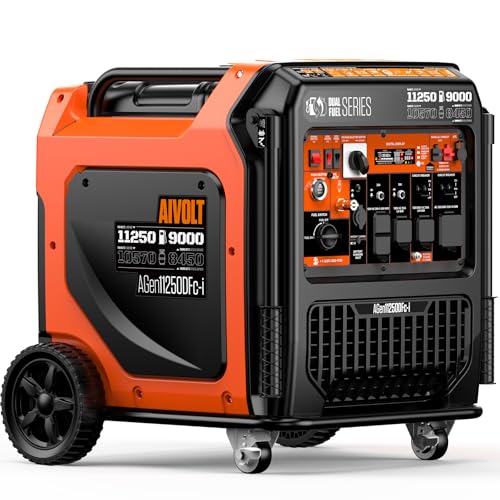
AIVOLT 11250W Dual Fuel Inverter Generator 50A for Home Backup

WEN 6800-Watt Dual Fuel RV-Ready Electric Start Portable Inverter Generator DF680iX

Champion Power Equipment 4000-Watt Dual Fuel RV Ready Portable Inverter Generator

Westinghouse 8200 Peak Watt Tri-Fuel Portable Inverter Generator

Westinghouse 1500 Peak Watt Super Quiet & Lightweight Portable Inverter Generator

Westinghouse 12000 Peak Watt Tri-Fuel Portable Inverter Generator

Champion Power Equipment 11,000-Watt Wireless Remote Start Home Backup Portable Inverter Generator
More Details On Our Top Picks
Whole-home backup is where this Westinghouse stands out, because the dual-fuel setup gives you gas or propane, and the remote electric start makes it easier to handle during a power outage. Low total harmonic distortion, or THD, matters here because it helps keep power cleaner for electronics and household devices.
You also get transfer-switch readiness, which is the feature that helps a generator tie into a home backup setup more cleanly. In a long outage, that’s the kind of detail that feels practical instead of flashy, especially for households that want a generator to act more like a backup system than a weekend accessory.
Strong Points
- Dual-fuel operation gives you more fuel flexibility during outages.
- Remote electric start simplifies use when the unit sits outdoors.
- Transfer-switch readiness fits a more serious home backup setup.
- Low THD is a useful fit for electronics and modern appliances.
- Parallel capability leaves room to expand output later.
Things To Consider
- Size and weight matter here, so storage will take planning.
- Dual-fuel convenience can add setup steps compared with a basic gas-only unit.
- Owners usually need to think about routine fuel care and off-season storage.
Feature Snapshot
Whose Shelf It Belongs On
You’ll like this most for home backup planning, especially around a transfer switch and electronics you want to keep running with less fuss.
A Better Fit Elsewhere
Westinghouse 12000 Peak Watt Tri-Fuel Portable Inverter Generator suits you better when natural gas access matters more than propane-only flexibility.
This AIVOLT leans hard into home backup and RV use, with a 50A outlet that makes sense for larger hookups. Dual fuel support gives you gas or propane, and the remote start helps when the unit sits in a spot that’s awkward to reach.
It also calls out a quiet-running design, which matters more than people expect on a driveway or beside a camper. Compared with the Westinghouse dual-fuel model above, this one reads like a stronger match for a 50A-ready setup, though it’s less about broad portability and more about anchored backup use.
What We Like
- 50A support suits larger home or RV connections.
- Dual-fuel operation adds practical fuel flexibility.
- Remote start improves convenience during bad weather or late-night use.
- Quiet-running design is easier to live with near campsites or homes.
- CO shutoff adds an extra layer of automatic safety support.
Room For Improvement
- Its larger footprint may feel bulky in tighter storage spaces.
- 50A capability is more than some households need, which can make it feel overbuilt for lighter use.
Core Details
Made For
You’re the right match for this model if you want a larger backup generator with 50A support and a straightforward RV-friendly setup.
Another Choice May Suit
WEN DF680iX fits you better when you want a smaller dual-fuel unit that feels easier to store and move around.
The WEN DF680iX sits in a practical middle zone, with enough output for RV use or backup support without moving into the biggest, heaviest class. Electric start keeps it friendly for regular use, and the fuel shutoff helps with storage by reducing leftover fuel in the system.
The CO Watchdog feature adds automatic monitoring support, which is a useful extra in a garage or beside an RV. Compared with the AIVOLT, this WEN feels more approachable for shoppers who want a simpler size and a less imposing setup.
Upsides
- Dual fuel adds a little more flexibility in planning fuel storage.
- Electric start makes repeated use less tiring.
- RV-ready output suits travel trailers and campsite hookups.
- Fuel shutoff helps with cleaner storage between uses.
- CO Watchdog adds a practical monitoring feature.
Small Caveats
- It will not cover the same large-load territory as the biggest entries here.
- Owners still need to think about fuel handling and seasonal storage.
Details At A Glance
Best Suited To
You’ll get the most out of this one if you want a dual-fuel RV generator that feels easier to handle than the largest home-backup units.
Where A Sibling Pick Shines
Champion Power Equipment 11,000-Watt Wireless Remote Start Home Backup Portable Inverter Generator suits you better for a larger home-first setup with wireless start convenience.
This Champion is the most compact-minded option in the group, which makes sense for shorter trips and lighter RV power needs. Quiet Technology is the feature to notice first, because a lower-noise generator is easier to live with in a campground or a close neighborhood.
It also keeps dual-fuel flexibility, so you’re not locked into one source of fuel. Compared with the WEN and the larger Westinghouse picks, it’s a smaller-step generator for people who value portability over high-output backup depth.
Bright Spots
- Smaller size makes storage and transport easier.
- Dual fuel gives you a backup plan for fuel sourcing.
- RV-ready design supports travel use.
- Quiet Technology helps keep noise easier to manage.
- Three-year coverage is a useful ownership detail.
Honest Caveats
- Four-thousand-watt class output is better for lighter loads.
- It will not replace the bigger home-backup machines on this list.
At A Glance
The Right Fit
This suits you best for lighter RV travel, simple backup, or anyone who wants a smaller dual-fuel inverter generator.
Look Elsewhere When
Westinghouse 12000 Peak Watt Dual Fuel Portable Inverter Generator fits better for whole-home backup and transfer-switch use.
Fuel flexibility is the whole story here, and the tri-fuel setup gives you gas, propane, or natural gas. That matters in a home backup situation where one fuel source might be easier to keep connected than another, especially for long outages or planned standby use.
Remote electric start and transfer-switch readiness round out the package, while low THD keeps the power profile friendlier for electronics. Compared with the dual-fuel Westinghouse at the top of the list, this one gives you an extra fuel path without drifting into a bigger footprint.
Reasons To Buy
- Tri-fuel support gives you the widest fuel flexibility in this roundup.
- Remote electric start makes operation less cumbersome.
- Transfer-switch readiness fits a more complete backup setup.
- Low THD helps suit electronics and modern home use.
- Parallel capability leaves room for expansion later.
Softer Spots
- More fuel options can mean a more involved setup than simpler generators.
- Storage and access planning still matter for a larger portable machine.
Feature Rundown
Who Should Grab It
You’re a strong match here if you want one portable generator that can handle backup planning around more than one fuel source.
Swap It Out When
AIVOLT 11250W Dual Fuel Inverter Generator 50A for Home Backup suits you better when a 50A outlet matters more than adding natural gas into the mix.
This Westinghouse sits far below the big backup machines in raw output, but that’s exactly why it works for lighter travel use. The lightweight build and quiet operation matter more on a campsite, a tailgate, or a small patio where you want just enough power without hauling a heavy unit around.
Parallel capability is the interesting long-term detail, since it leaves room to pair with another compatible unit later. Compared with the stronger home-backup picks, this one makes sense for portability first and total output second.
Best Bits
- Lightweight design makes moving it around much easier.
- Quiet running is easier to live with in close quarters.
- Parallel capability supports future expansion.
- CO sensor adds a useful monitoring feature.
- Long run time can suit relaxed travel days.
Areas To Watch
- Output is much lower than the backup-focused models in this roundup.
- Gas-only fueling keeps the setup simpler, but less flexible.
Key Specs
Perfect Match For
This is a strong fit for campers and tailgaters who care more about easy carrying than high-output backup coverage.
Reach For A Different Pick When
Champion Power Equipment 4000-Watt Dual Fuel RV Ready Portable Inverter Generator is the better fit when you want more output while staying in a compact class.
This Westinghouse is the bigger-flexibility sibling to the dual-fuel model earlier in the list, because it adds natural gas to the fuel mix. That extra option matters for households with an existing gas line, since it can simplify longer backup planning without forcing you to rely on just one stored fuel.
Remote start, transfer-switch readiness, low THD, and parallel capability round out a serious backup-oriented package. The honest read is that you’re paying for flexibility more than novelty here, which is exactly the point for a stationary home setup.
Positives
- Tri-fuel support gives you the broadest fuel choice among the Westinghouse 12,000-class models here.
- Remote start makes operation easier during bad weather or nighttime use.
- Transfer-switch readiness suits home backup planning.
- Low THD supports cleaner power for electronics.
- Parallel capability leaves room for growth.
Points To Note
- Tri-fuel systems can feel a bit more involved than single-fuel setups.
- Size and storage planning still matter for a unit in this class.
- Natural gas use makes the setup more location-dependent.
Technical Sheet
Who Will Love This
You’ll appreciate this most if you want a home backup generator that can use natural gas as well as stored fuel.
Skip It When
Westinghouse 12000 Peak Watt Dual Fuel Portable Inverter Generator is the simpler fit when you want gas and propane without the extra natural-gas setup.
Wireless remote start is the standout here, because it gives you a more convenient way to manage a large home-backup generator from inside or nearby. That matters in stormy weather or on a property where the unit sits farther from the house than you’d like.
Quiet Technology keeps the experience more livable than a bare-bones construction unit, and the home-backup framing tells you where it belongs. Compared with the smaller Champion 4,000-watt model, this one is for households that need far more coverage and are comfortable with a heavier-duty machine.
Highlights
- Wireless remote start is easy to appreciate in real backup use.
- High-output design suits larger household loads.
- Quiet Technology helps keep operation less intrusive.
- Portable format still gives you mobility within its size class.
- Home-backup focus makes the use case clear.
Minor Gripes
- Large backup units need space for storage and setup.
- It makes more sense for heavier use than for casual portable needs.
Quick Facts
Built With In Mind
This fits you best when home backup matters more than portability and you want wireless control built into the routine.
Another Choice May Suit
Champion Power Equipment 4000-Watt Dual Fuel RV Ready Portable Inverter Generator is the better fit for lighter RV use and easier carrying.
How To Choose The Right 9500 Watt Inverter Generators
Match Output To Real Loads
Start with the devices you actually want to keep running, not the largest number on the box. Home backup often needs a refrigerator, a furnace blower, lighting, and a few outlets, while RV use can revolve around air conditioning, charging, and kitchen appliances.
That’s why a 12,000-peak-watt machine can feel right for standby power, while a 4,000-watt unit belongs in a lighter travel setup. Peak wattage matters for startup surges, but the steadier running output is what carries the day once everything is on.
Choose Fuel Flexibility With A Plan
Dual-fuel and tri-fuel generators solve different problems. Dual-fuel gives you gas and propane, while tri-fuel adds natural gas, which becomes valuable for homes with a fixed gas line and regular outage planning.
The trade-off is setup complexity, because more fuel paths usually mean more parts of the system to think about. For occasional camping, gas-only can be perfectly sensible, but for storm prep, a second or third fuel option can be worth the extra complexity.
Think About Start Method And Placement
Remote start and wireless remote start make a noticeable difference once the generator sits outside in rain, snow, or just plain awkward placement. Electric start is also easier than pull-start setups for frequent use.
Placement matters because larger inverter generators are not grab-and-go gear. If the unit will live near a transfer switch, an RV pad, or a dedicated storage spot, you can favor size and hookup support over portability.
Look Past The Power Number
Low THD, transfer-switch readiness, RV-ready outlets, and CO shutoff all shape ownership more than a headline watt figure does. Low THD helps power electronics with a cleaner electrical profile, while transfer-switch support and RV-ready connections make installation and daily use less awkward.
CO sensing or shutoff adds another practical layer, especially around garages, patios, or enclosed storage. The right pick is usually the one that fits your space, fuel plan, and hookup style without forcing workarounds.
Things Worth Knowing First
Hidden Buying Traps
Shoppers often chase wattage alone and end up with a machine that does not match their actual connection needs. A generator can be powerful on paper, yet still feel wrong without the right outlet type or transfer-switch support.
Another common miss is storage planning. Large inverter generators need room, regular fuel care, and a spot where you can move them safely.
The Upgrade Payoff
Higher-tier models usually cost more because they add cleaner power output, remote starting, more fuel choices, and better home-backup integration. Those extras are not fluff when you’re dealing with a storm outage or a trailer setup that needs reliable starting and smoother connection options.
Paying up makes sense when your generator sees regular use or supports more than one role. For casual camping, a smaller and simpler unit can be the smarter move.
Frequently Asked Questions
Are 9500 Watt Inverter Generators Good For Home Backup?
They can be, especially for households that need a careful balance of output, cleaner power, and connection support. Transfer-switch readiness and outlet layout matter just as much as wattage.
Is Dual Fuel Better Than Gas Only?
Dual fuel gives you more flexibility, especially during outages when one fuel is easier to store or source. Gas-only can still make sense for lighter, simpler use.
What Does Low THD Mean?
THD stands for total harmonic distortion, which is a measure of how clean the electrical output is. Lower THD is generally better for electronics and sensitive household devices.
Do I Need Remote Start?
Remote start is most useful when the generator sits outside or in a fixed backup spot. It saves you from walking out to the machine each time you need it.
Which Model Fits RV Use Best?
The WEN DF680iX and the Champion 4000-Watt Dual Fuel are the most travel-friendly choices in this roundup. The larger Westinghouse and AIVOLT models lean more toward home backup and heavier-duty setups.
Closing Thoughts
The right 9500 Watt Inverter Generator for you depends on whether your main job is home backup, RV support, or a bit of both. Bigger Westinghouse and AIVOLT models make sense for serious backup planning, while the WEN and smaller Champion options fit lighter, more mobile use. Fuel choice, start method, and transfer-switch readiness matter more than a glossy headline. Pick the setup that matches your space and your routine, and the rest becomes a lot simpler.
