

Battery And Power Inverters make a lot more sense once you need AC power away from a wall outlet. For commuting, camping, jobsite work, or a temporary backup setup, the right unit turns a compatible battery or 12V source into practical charging and appliance support without a lot of fuss.
This roundup focuses on size, output, plug options, and the kind of use each item fits best. You get a mix of battery-specific compact inverters, vehicle inverters, and fuller portable power stations, so you can match the pick to your own routine instead of forcing one style to do everything.
The Shortlist At A Glance

PlantPalGear 220W Dewalt 20V Inverter with LED Light

EGO POWER+ Portable Inverter PAD5000

BELTTT 2000W Pure Sine Wave Inverter
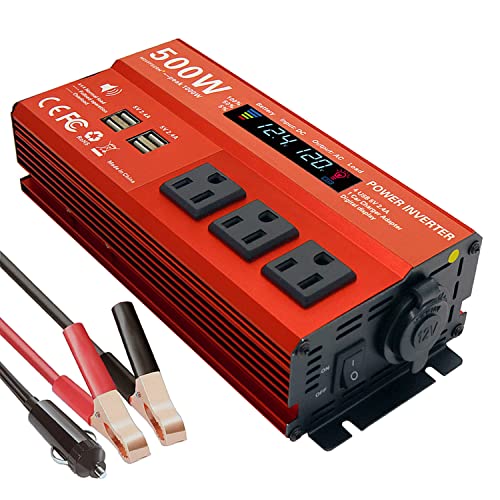
MOVFFGGRM 500W Peak 1000W Vehicle Inverter
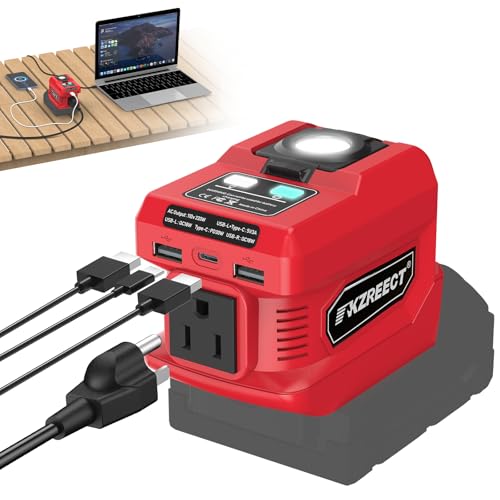
Kzreect 220W Milwaukee 18V Inverter

DaranEner Portable Power Station 192Wh
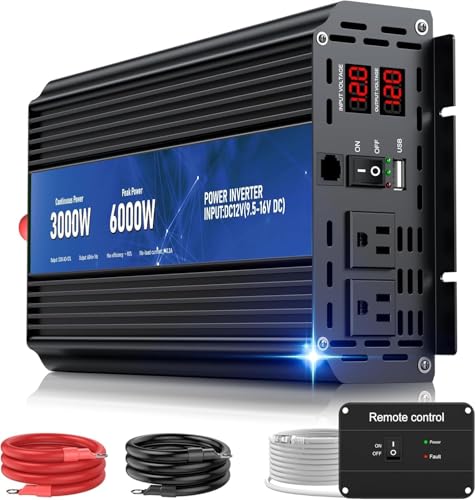
HONOURLIGHT 3000W Power Inverter with Remote

OLTEANP 1000W Power Inverter with LCD Screen
More Details On Our Top Picks
Tool-battery inverters like this one make the most sense for quick jobs, tailgate use, and basic charging away from a wall outlet. Here, the Dewalt 18V and 20V battery fit is the big draw, and the note that the battery is not included matters because you’re supposed to bring your own pack.
The layout is straightforward, with one AC outlet, two USB ports, one Type-C fast-charge port, and a 400-lumen work light. That mix suits a workbench, campsite, or roadside kit, though the modest 220W ceiling keeps it in light-duty territory rather than appliance duty.
Strong Points
- Compatible with common Dewalt 18V and 20V packs, so it fits an existing tool setup.
- One AC outlet plus USB-A and Type-C charging covers phones, small electronics, and compact accessories.
- The 400-lumen light adds practical visibility for evening jobs or a dark trunk.
- Small format keeps it easier to stash in a gear bag than a full power station.
Small Caveats
- The battery is separate, so your total setup cost depends on the packs you already own.
- 220W is fine for lighter electronics, but it leaves little room for higher draw gear.
- The single-outlet design means you’ll be sharing power across several small devices.
Core Details
Who It Suits Best
You’ll like this most if you already own Dewalt batteries and want a compact backup for phones, small gadgets, and light-duty field work.
Where A Sibling Pick Shines
PlantPalGear’s unit is easier to carry, but BELTTT’s 2000W pure sine wave inverter is the better fit for RV owners and heavier off-grid setups.
Compared with the PlantPalGear pick, this EGO unit stays in a slightly more flexible power bracket at 400W while still keeping the format portable. The battery and charger are sold separately, so it fits best inside an existing EGO setup rather than as a standalone first purchase.
Quiet operation is the clear selling point, especially for campsite use, late-night porch tasks, or a garage where you want less noise around you. The honest read is that its usefulness depends on already having the right battery platform, which keeps the package clean but limits casual plug-and-play convenience.
What We Like
- 400W output gives you more headroom than the smallest tool-battery inverters here.
- Quiet running suits shared spaces, camp setups, and early-morning use.
- Battery-platform design keeps the unit compact for transport and storage.
- Works neatly for EGO tool owners who already manage matching batteries.
Areas To Watch
- The separate battery and charger mean you need compatible gear on hand.
- It still sits below the heavier vehicle inverters here for high-demand appliances.
- Those new to EGO gear may need a little setup planning before use.
Feature Rundown
Who Should Grab It
This fits EGO tool owners who want a quiet portable inverter for light travel, yard work, and backup charging.
A Better Fit Elsewhere
Kzreect’s 220W Milwaukee 18V inverter suits people who already carry Milwaukee packs and want a similar compact setup with USB-C on board.
Once you move past the small battery units, BELTTT’s 2000W inverter starts looking more like a serious power bridge for RVs, trucks, and solar setups. Pure sine wave output means the AC power is shaped to resemble household current, which matters for sensitive electronics and some motors.
The dual AC outlets, 20A socket, USB port, hardwire port, and remote controller make it far more flexible than the compact tool-battery models. The trade-off is simple, though, this is built for installed or semi-permanent use, so it asks for more planning and space than the pocketable options.
Highlights
- Pure sine wave output is a strong fit for gear that prefers cleaner AC power.
- 2000W output gives you room for more demanding travel and backup loads.
- Dual AC outlets plus a 20A socket create useful setup flexibility.
- Hardwire port and remote controller suit a more permanent installation.
- The USB port covers smaller devices without adding another adapter.
Worth Noting
- This is larger and less portable than the Dewalt and Milwaukee battery units.
- Installation takes more thought, especially in an RV or truck build.
- It makes more sense for users who actually need the higher output headroom.
Technical Sheet
Best Suited To
You’re the right match for this model if your RV, truck, or solar setup needs a more serious inverter with flexible mounting and remote access.
Swap It Out When
HONOURLIGHT’s 3000W inverter makes more sense for larger off-grid systems that need even more capacity and a display you can check at a glance.
This MOVFFGGRM unit stays close to the everyday car-inverter sweet spot, with a 12V input and enough output for road-trip gear, handheld electronics, and charging stations in the back seat. Four USB ports help it shine in a family car, where several phones or accessories tend to need attention at the same time.
Unlike the battery-platform picks, this one belongs in a vehicle and leans into convenience rather than portability off the grid. The built-in cigarette-lighter-style socket adds another layer of usefulness, although that also keeps the focus on car-based use instead of campsite independence.
Upsides
- Four USB ports are handy for a crowded cabin or a long road day.
- 1000W peak output gives the unit more flexibility than tiny travel adapters.
- 12V vehicle input keeps it simple for car and truck use.
- The extra socket broadens the number of small accessories you can run.
Points To Note
- This is built around vehicle use, so it is less suited to off-grid setups.
- The practical ceiling still sits below the bigger 2000W and 3000W options.
- More ports can mean more cable clutter in the cabin.
Details At A Glance
Whose Shelf It Belongs On
This fits drivers who want a tidy in-car power hub for family trips, commuting, and road electronics.
Another Choice May Suit
PlantPalGear’s Dewalt-based inverter is a better match for jobsite users who already carry tool batteries and want a more portable setup.
Kzreect follows the same compact battery-tool logic as the Dewalt unit, but it speaks to Milwaukee 18V owners instead of Dewalt users. The added USB-C power delivery output, plus two USB-A ports and a 400-lumen light, make it feel a touch more modern for mixed-device charging.
Tool-only packaging keeps the footprint small, which is handy in a toolbox, camping kit, or emergency drawer. One thing worth considering, though, is that 220W still means light-duty use, so you should treat it as a charging helper rather than a small appliance hub.
Bright Spots
- Milwaukee 18V compatibility is the main draw for existing tool owners.
- USB-C PD gives you a useful fast-charge path for newer devices.
- Dual USB-A ports and one AC outlet keep the layout versatile.
- The 400-lumen lamp adds real value for dark-site work or roadside stops.
Room For Improvement
- The modest 220W output keeps this in the light-duty category.
- Tool-only packaging means your battery choice affects the overall cost.
- It is a better mobile charger than a device for larger gear.
Feature Card
Right Fit For
You’re the best match for this unit if you already own Milwaukee 18V batteries and want a compact backup charger with a usable light.
Look Elsewhere When
EGO POWER+ PAD5000 is a better fit for shoppers who prefer the EGO battery ecosystem and want a slightly different portable inverter setup.
DaranEner moves beyond inverter-only designs and gives you a self-contained portable power station, which is easier to understand at a glance than a battery adapter stack. The 192Wh battery capacity, LiFePO4 battery chemistry, two AC outlets, and USB-C PD 60W fast charge make it a tidy fit for basic backup and light travel power.
LiFePO4, short for lithium iron phosphate, usually points to a chemistry chosen for stable everyday cycling and a long service life profile rather than sheer compactness. The trade-off is size versus flexibility, because a self-contained station is more versatile than the smallest tool-battery units, but less modular than a system built around batteries you already own.
Best Bits
- Built-in battery means you do not need a separate tool pack to get started.
- Two AC outlets suit light household gear, chargers, and small travel appliances.
- USB-C PD 60W is useful for laptops and modern devices that accept it.
- LiFePO4 chemistry gives the unit a sturdy long-term power-station profile.
Honest Caveats
- The 192Wh capacity is sensible, but it still suits light backup more than full-home tasks.
- It is bulkier than the compact Dewalt and Milwaukee inverter options.
- You will want to think about what you actually plan to keep running, not just the headline numbers.
Core Details
Made For In Mind
This suits campers, apartment dwellers, and families who want a simple portable backup source without assembling a battery-based inverter setup.
Reach For A Different Pick When
BELTTT’s 2000W pure sine wave inverter is the better match for RV owners who need a stronger installed power solution.
HONOURLIGHT sits at the high-output end of this list, and it shows in the jump to 3000W continuous power with 6000W peak support. That kind of capacity makes sense for RVs, trucks, solar systems, and backup setups where you want broader headroom than the midrange 1000W and 2000W picks can offer.
The LCD display and remote control are useful in a mounted setup, since you can check status without crawling back to the unit itself. The honest read is that this kind of capacity brings more wiring and planning with it, so it belongs in serious vehicle or off-grid builds rather than casual weekend kits.
Standout Traits
- 3000W output gives you more room for demanding vehicle and backup needs.
- 6000W peak rating helps cover brief startup spikes.
- LCD display improves quick status checks in an installed setup.
- Remote control adds convenience when the inverter sits out of easy reach.
- Dual AC outlets and a USB port keep the output mix practical.
Softer Spots
- The size and installation needs are well beyond the compact battery models.
- It only makes sense when your power demands justify the extra capacity.
- Wire management and mounting matter more with a unit this serious.
Spec Overview
Built With In Mind
This belongs with RV builders, truck travelers, and off-grid users who need serious output and a more permanent installation style.
Where Shoppers Go Wrong
OLTEANP’s 1000W inverter is a smarter match for lighter mixed travel use, since it asks for less space and less installation effort.
OLTEANP lands in the middle of the pack in a useful way, not too small and not overly specialized. With 1000W output, two AC outlets, an LCD screen, a 36W Type-C port, and a 5V/3A USB port, it gives you a nice middle ground for travel, laptops, and general mobile charging.
That mix makes sense for drivers who want more than a basic plug adapter but do not need the bulk of a 2000W or 3000W setup. The trade-off is that its strongest appeal comes from balance, so shoppers chasing either very compact portability or heavy-duty power will find better fits elsewhere in this list.
Positives
- 1000W output gives you a useful step up from the smallest vehicle inverters.
- Two AC outlets make it easy to split power between a couple of devices.
- LCD screen helps you keep an eye on the unit in real time.
- Type-C and USB ports support a good mix of modern charging needs.
Minor Gripes
- It is still not a match for the larger 2000W and 3000W units for bigger loads.
- Drivers wanting ultra-compact gear may prefer a battery-platform inverter instead.
- The broad middle-ground design means it is strong, but not especially specialized.
Core Details
The Right Fit
You’re a strong match for this pick if you want a midrange car inverter for trips, work drives, or a laptop on the move.
Skip It When
PlantPalGear’s Dewalt battery inverter is the better call for tool users who value portability over vehicle-based power conversion.
How To Choose The Right Battery And Power Inverters
Match The Power Source To Your Routine
Your first decision is simple, though it matters more than most specs on the page. Battery-platform inverters like the Dewalt and Milwaukee options stay compact because they borrow energy from tool packs, while 12V vehicle inverters and portable stations bring their own power strategy.
That choice shapes everything else, including portability, setup time, and how many moving parts you need to keep track of. Daily commuters and jobsite users usually lean toward small battery inverters, while RV owners and campers often get more value from the bigger 12V units or self-contained stations.
Look Closely At Output And Waveform
Wattage tells you how much power the inverter can supply, and it sets the ceiling for what you can reasonably plug in. The 220W units here are for phones, small electronics, and light accessories, while the 1000W, 2000W, and 3000W models step into more demanding territory.
Waveform matters too, especially on the BELTTT pure sine wave inverter. Pure sine wave means the AC output is smoother and closer to household power, which is a better fit for sensitive electronics than a basic modified output design.
Check The Ports, Not Just The Headline Number
Two inverters with similar wattage can feel very different in daily use. USB-C PD, multiple USB-A ports, AC outlets, a 20A socket, or a remote controller can decide whether the unit feels convenient or cramped in a real truck, tent, or garage.
The same is true for size and mounting. A small tool-battery inverter slips into a gear bag, while a 3000W inverter belongs in a planned installation where cable routing and placement already make sense.
Think About The Environment You Use It In
Campers often care about noise, storage, and quick setup, which is why quiet battery-based units and compact stations stand out. Truck and RV owners usually care more about sustained output, clear displays, and a layout that does not get in the way once installed.
That last point is easy to miss, and it’s where a lot of mismatched purchases happen. A strong inverter for a work van can feel awkward in a weekend kit, while a tiny battery adapter can feel underpowered the moment you ask it to do more than charge a phone.
What To Weigh Before You Commit
Mistakes Worth Dodging
One common miss is buying for the battery brand first and the workload second. Tool-platform inverters are handy, but they only make sense when the battery ecosystem already fits your life.
Another is overlooking output math, especially startup demand from certain devices. A unit that looks strong on paper can still feel cramped in practice when you ask it to run gear that needs a bigger burst than the continuous rating suggests.
The Upgrade Payoff
Higher-tier models usually cost more because they bring larger inverters, cleaner waveform output, stronger cooling, remote controls, LCD monitoring, and more involved construction. That extra hardware is useful, but it also adds size, setup time, and a little more complexity.
Paying up makes sense when your use case is steady and demanding, such as an RV, a work truck, or a home backup corner that needs more than phone charging. For casual camping or quick roadside charging, a simpler unit often keeps life easier.
Frequently Asked Questions
What is the difference between a battery inverter and a 12V vehicle inverter?
A battery inverter runs from a compatible tool pack, so it is usually smaller and easier to carry. A 12V vehicle inverter plugs into a car or truck electrical system and tends to offer broader output options.
What does pure sine wave mean?
Pure sine wave means the AC output is shaped to resemble standard household power. That can matter for sensitive electronics and equipment that prefers a smoother input.
How much wattage do you need for basic travel charging?
For phones, tablets, and small accessories, lower-wattage options are usually enough. Once you add laptops or more demanding gear, a midrange or larger inverter becomes more practical.
Why does the battery not being included matter?
It means the inverter is only part of the setup, so you need a compatible battery or power source separately. That can be convenient for tool owners, but it changes the total setup cost.
Is a portable power station the same thing as an inverter?
Not exactly, because a portable power station combines stored energy and output ports in one unit. An inverter usually focuses on converting power from a battery or vehicle source into AC power.
Closing Thoughts
The right Battery And Power Inverters come down to how you actually move through your day. Compact tool-battery units suit quick jobs and travel bags, while the 1000W, 2000W, and 3000W picks make more sense once your power needs grow and your setup gets more permanent. A portable power station sits in the middle for shoppers who want a self-contained backup without extra parts. Match the wattage, ports, and power source to your routine, and the choice becomes much easier.
