When you plan a solar generator, scalability decides whether you can add capacity later or face a full replacement. You need a base system that can absorb more batteries, panels, and inverter output without breaking voltage limits or MPPT headroom. The key is matching load growth to modular architecture, but the real constraint often appears in the details you haven’t sized yet.
What Solar Generator Scalability Means
Solar generator scalability means you can increase a system’s power and storage capacity without replacing the entire setup. You gain modular capacity through adding battery units, solar panels, or compatible input sources in measured steps, so your configuration grows with demand.
This approach supports system scalability because each increment extends runtime, load handling, and redundancy while keeping the core architecture intact. You’re not locked into a fixed output ceiling; instead, you can align expansion with changing energy profiles, budget limits, and site constraints.
In technical terms, scalability lets you preserve efficiency as capacity rises, which matters upon you want reliable performance and want your system to fit into a larger community of users who value adaptable, future-ready power infrastructure.
How To Choose A Scalable Base System
Whenever you choose a scalable base system, start with the battery platform and inverter capacity, because those core specs determine how far the platform can expand without a full replacement.
You should verify that the chassis, charge controllers, and software structure support future proof sizing, not just today’s load.
Look for modular starter systems with documented expansion limits, standardized connectors, and clear compatibility paths from the manufacturer.
Check PV input range, MPPT channel count, and grid tolerance so your setup fits your site’s electrical profile.
If you’re planning with a like-minded community of owners, choose equipment with proven upgradeability and transparent spec sheets.
A strong base system lets you grow methodically, protect your investment, and stay aligned with others who value reliable, expandable power.
How Solar Generator Battery Expansion Works
Once you’ve chosen a scalable base system, battery expansion is the mechanism that lets you raise usable storage without replacing the core platform.
You add modular battery units in a battery stack design, so each pack contributes capacity while the controller keeps voltage, state-of-charge, and discharge limits aligned.
Your system’s storage synchronization strategy coordinates charge and release across the primary generator and added modules, preventing imbalance and preserving cycle life.
Because the batteries communicate with the inverter and management software, you can expand in stages, from a baseline setup to much higher kilowatt-hour totals, without redesigning the whole framework.
This approach keeps you in control, and it keeps your system part of a larger, capable community of expandable power users.
Add Solar Panels Without Overbuilding
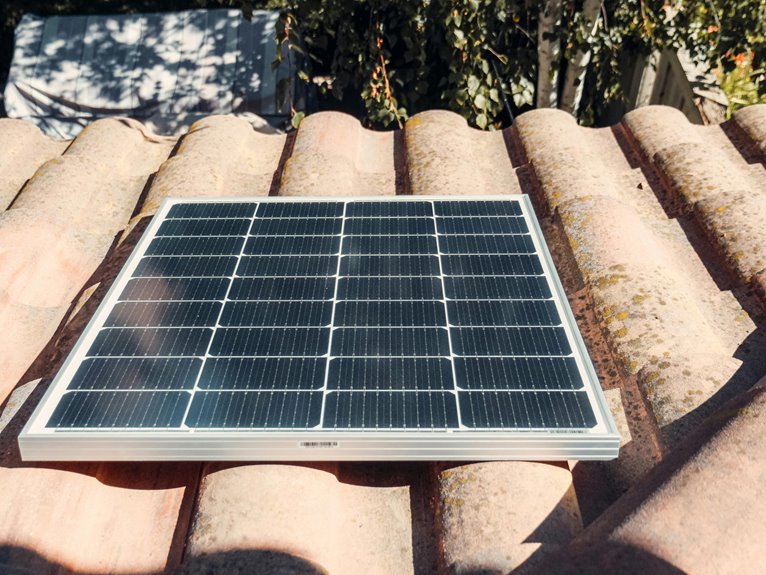
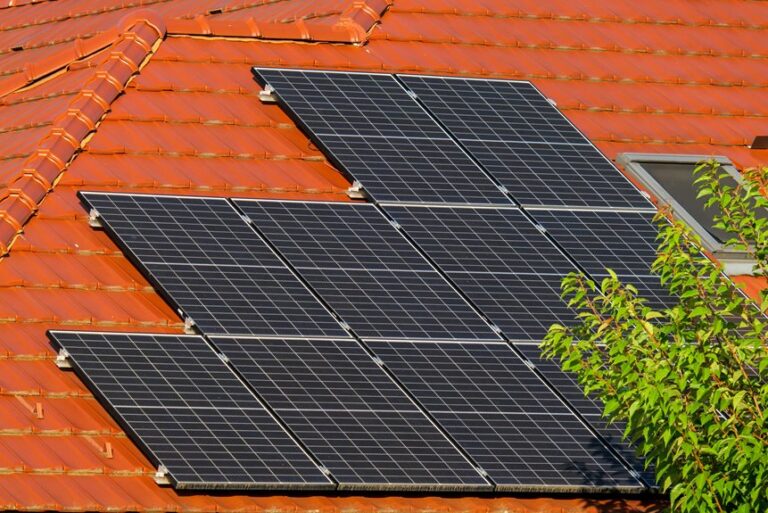
To expand solar input without overbuilding, you should size panel additions against your inverter’s maximum PV input, MPPT channel count, roof space, and local irradiance, not just against desired nameplate watts.
You’ll avoid stranded capacity by matching string voltage and current to your array design, then checking panel compatibility across brand, wattage, and electrical specs.
If your site has roof space limits, prioritize higher-efficiency modules or reconfigure spacing before adding more hardware.
Use your region’s solar resource data to estimate realistic output, since poor irradiance can make oversized arrays uneconomic.
Add panels in staged increments so you can verify gains, monitor clipping, and keep the system balanced.
That approach helps you grow with confidence, stay technically aligned, and keep your solar community’s standards high.
Choose An Inverter That Can Grow With You
You should choose an inverter with enough power headroom to handle future battery and load expansion without operating at its limit.
Verify that its input capacity can accept additional solar arrays, grid support, or generator input as your system grows.
This lets you scale output and charging performance without replacing the inverter.
Inverter Power Headroom
Verify continuous wattage, peak wattage, and thermal derating so the inverter stays stable as your system scales. Should you undersize it, you’ll cap your upgrade path and force costly replacement.
Choose a unit with generous DC-to-AC conversion capacity, resilient cooling, and configurable settings so you can join a community of users who plan ahead. That way, your structure remains efficient, resilient, and ready for added modules without sacrificing performance.
Expandable Input Capacity
As your system expands, the inverter’s input capacity has to keep pace with added solar, grid, and generator sources so you don’t bottleneck future upgrades. You want input flexibility that lets you scale PV strings, MPPT channels, and AC charging without replacing the core unit. Strong multi source integration keeps your setup resilient and lets you stay in control as demand rises.
- Verify maximum PV input, not just output wattage.
- Check MPPT count for string-level optimization.
- Confirm grid voltage compatibility up to your site’s limits.
- Choose models that accept generator input and firmware expansion.
When you plan for growth now, you join a class of users who treat scalability as engineering, not guesswork.
Why Modular Solar Generator Parts Help
Modular solar generator parts help because they let you add capacity in controlled increments instead of replacing the whole system. You can start with a baseline battery block, then scale as load grows; modular parts simplify upgrades, and staged expansion lowers upfront cost. That means you stay aligned with your energy needs and your budget, without guessing at final demand.
| Benefit | Technical effect |
|---|---|
| Incremental batteries | Capacity rises without full swap |
| Standard interfaces | Integration stays predictable |
| Shared controls | Monitoring remains consistent |
| Add-on inverters | Output scales with demand |
| Compatible modules | Expansion stays efficient |
With this architecture, you belong to a system that can evolve cleanly. Each added module preserves design coherence, reduces replacement waste, and keeps performance assessment straightforward.
Plan Portable Vs. Fixed Expansion
You need to distinguish portable expansion from fixed expansion because each path changes how you allocate battery modules, inverter capacity, and wiring complexity.
Portable upgrades let you add capacity with minimal infrastructure changes, while fixed expansion usually demands planned space, panel integration, and electrical validation.
You’ll get the best results when you match expansion mode to load profile, site constraints, and long-term capacity targets.
Portable Expansion Options
Portable expansion gives you a flexible way to increase solar generator capacity without committing to a permanent fixed installation, especially whenever power needs might change over time.
You can add modules, move them, and reconfigure output with minimal downtime, which keeps you aligned with a modular user community.
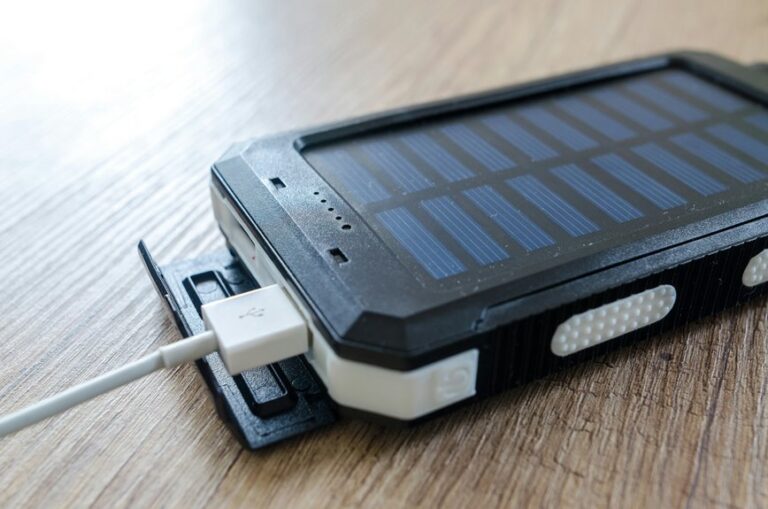
- portable battery stacking lets you grow capacity incrementally
- quick swap portability supports fast unit replacement and transport
- modular packs preserve compatibility across expanding configurations
- staged upgrades limit upfront cost while keeping options open
You gain technical agility without redesigning the whole system. If your load profile shifts, you can redistribute batteries, verify charge synchronization, and keep performance predictable.
This approach suits mobile workflows, shared camps, and backup setups where belonging depends on dependable, adaptable power.
Fixed Expansion Planning
As a solar generator becomes a fixed installation, expansion planning shifts from mobility to infrastructure, so you need to compare portable add-on growth against a permanently wired design before committing to capacity upgrades.
In a fixed layout, you should evaluate site planning in advance: roof orientation, battery room clearance, conduit routes, and inverter placement all shape future capacity. Modular batteries let you stage growth from baseline storage to larger banks without replacing core hardware, but each step might require panel upgrades or reprogramming. That means installer scheduling matters, because labor windows and parts availability can delay your timeline. Should you choose a wired expansion path, you gain cleaner synchronization, better load control, and stronger long-term integration. You’re building with a community of systems that scale deliberately, not reactively, together.
Weigh Cost, Efficiency, And Growth Potential
Cost shouldn’t be judged on sticker price alone, because modular solar generator systems can reduce upfront spending via letting you add battery units in stages instead of replacing the entire setup. You evaluate cost tradeoffs by comparing initial outlay, added storage efficiency, and long term ROI across your load profile.
- Start with baseline kWh, then scale only once usage rises.
- Track inverter, MPPT, and battery efficiency under each expansion step.
- Favor systems that accept more PV input without wasted headroom.
- Choose design that supports future growth without full replacement.
Once you plan this way, you join a user group that optimizes capital, preserves performance, and keeps expansion technically clean. That approach helps you spend less now while protecting tomorrow’s capacity.
Avoid Common Solar Generator Sizing Mistakes
You can’t size a solar generator by average load alone, because peak demand drives inverter and battery requirements. If you underestimate surge currents or simultaneous appliance use, you’ll create a capacity bottleneck that limits runtime and system stability.
You should also account for future expansion now, since modular upgrades work best when the base design already supports higher input and storage levels.
Underestimating Peak Loads
- Measure startup current, not just running watts.
- Verify inverter surge rating and battery discharge limits.
- Account for simultaneous motor starts.
- Use surge load planning to preserve system stability.
When you size for the worst-case transient, you protect uptime, extend component life, and keep your power team aligned.
Treat each load profile as part of a shared operating envelope, and you’ll avoid the concealed bottleneck that undermines otherwise well-designed systems.
Ignoring Future Expansion
Should you size a solar generator only for today’s load, you can lock yourself into a system that can’t absorb future batteries, higher PV input, or added inverter capacity. You need to model expansion from the start, not as an afterthought. Check whether the platform supports modular batteries, extra MPPT channels, higher grid voltage, and synchronized inverter operation.
If you expect backup planning to improve, confirm that emergency storage can scale from a baseline pack to larger configurations without replacing the core unit. Also verify roof area, panel compatibility, and installer timelines, because these constraints can block growth even when electronics are ready. When you choose an expandable architecture, you stay aligned with the same technical standard as other forward-looking owners.
Build A Solar Generator That Can Grow
Build a solar generator around modular battery units so capacity can grow in measured steps instead of forcing a full system replacement. You’ll gain modular stacking and staged upgrades, which let your crew add storage as demand rises.
- Start with a baseline size that matches today’s load.
- Add battery modules to extend kWh without redesigning everything.
- Sync extra units with the primary inverter for efficient dispatch.
- Verify PV input, voltage limits, and MPPT channels before expansion.
This approach keeps you in control of cost, timing, and performance. You’re not locked into a fixed ceiling; you’re building a platform that scales with your household or site. Whenever you plan each increment carefully, your system stays compatible, stable, and ready for the next upgrade.
Frequently Asked Questions
How Many Expansion Batteries Can One Solar Generator Support?
You can connect one or more expansion batteries, depending on your solar generator’s capacity planning and expansion port compatibility. With the correct modules, the system scales cleanly and stays fully integrated.
Can Different Solar Panel Brands Be Mixed in One System?
Yes, you can mix different solar panel brands only if you first confirm that their voltage, current, and connector specifications match; otherwise, system performance can suffer. Matching electrical characteristics gives you more consistent and reliable operation.
How Long Does a Modular Solar Generator Expansion Usually Take?
A modular solar generator expansion typically takes one to three days, depending on part delivery, installer scheduling, and the time needed to reconfigure the system. Plug and play units can reduce the timeline, while more complex setups may take longer.
What Grid Voltage Limits Should an Expandable System Handle?
Handle grid voltages up to 290V. Check the voltage tolerance and inverter compatibility so your expandable system operates safely, matches your setup, and stays connected to your energy community.
Do Scalable Systems Need Breaker Panel Upgrades During Expansion?
Yes, panel upgrades may be needed during expansion when breaker sizing or load balance cannot support the added load. Check panel capacity, inverter output, and circuit ratings at the start so the system can expand safely and remain properly coordinated.