

Choosing a whole-house battery used to feel like a luxury. Now, with storms knocking out grids for days and electricity rates climbing every summer, having a stored energy reserve at home is moving from nice-to-have to practical common sense. I pulled together this list for homeowners who want reliable backup power, off-grid flexibility, or just lower reliance on the utility, without sorting through a thousand confusing listings.
A Side-By-Side Look

ECO-Worthy Cubix100 48V 600Ah 6-Pack Server Rack Battery Kit
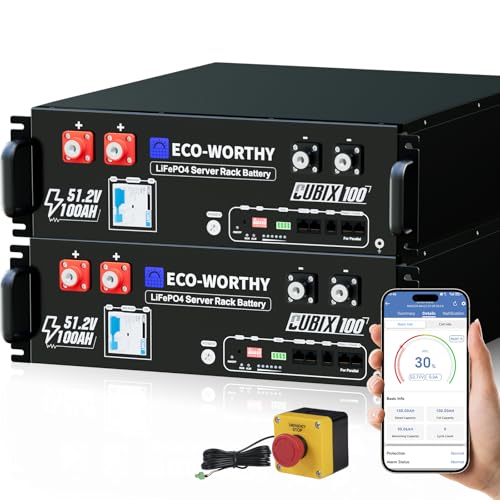
ECO-WORTHY Cubix100 48V 200Ah LiFePO4 Lithium Battery (2 Pack)

EF ECOFLOW Delta 3 Portable Power Station 1024Wh
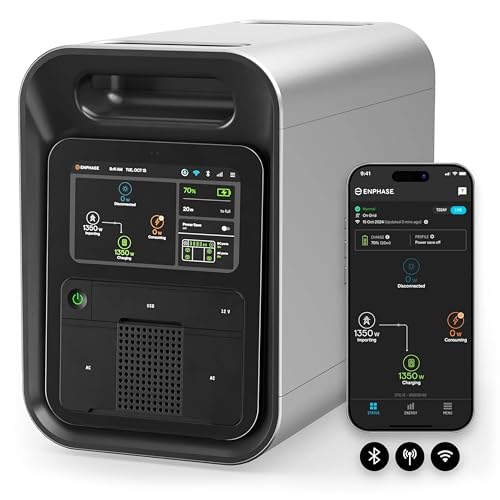
Enphase IQ PowerPack 1500 Wh Portable Power Station

ECO-WORTHY 48V Home Backup Power 10240Wh Liber 10KP
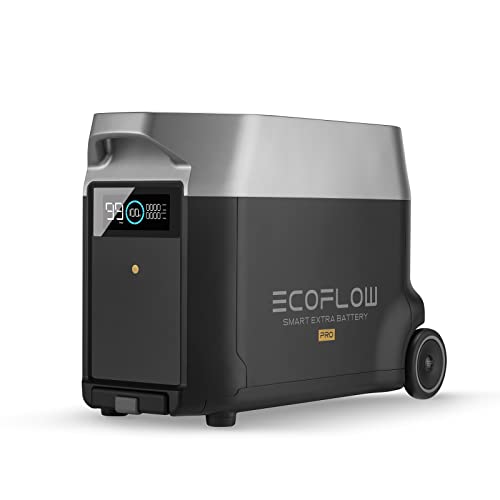
EF ECOFLOW DELTA Pro 3600Wh Extra Battery
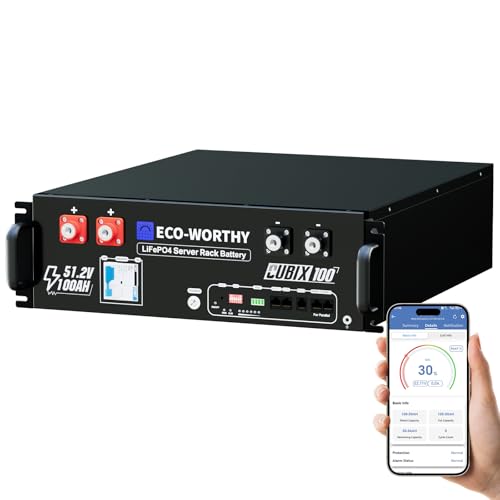
ECO-WORTHY Cubix100 48V 100Ah LiFePO4 Server Rack Battery

BLUETTI Apex 300 Portable Power Station 2764.8Wh
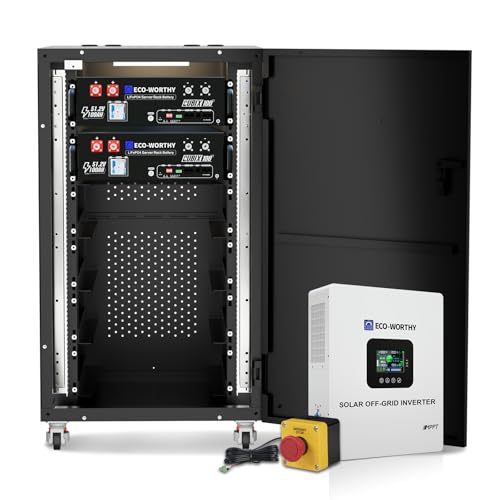
ECO-WORTHY Cubix100 48V 200AH Battery with V3 Cabinet

ECO-WORTHY 48V Home Backup Power 5120Wh 5000W Inverter
Why These Options Stand Out
This six-pack of LiFePO4 rack batteries stacks up to a serious 30.72kWh of usable capacity, the kind of reservoir that keeps a full household running through multi-day outages rather than just buying time for a few hours. Each module sits in a standard server-rack form factor, so the wall footprint stays reasonable even at this scale.
I see this kit working best for households that already have a hybrid inverter and want a turnkey battery bank without sourcing individual cells. The included rack hardware keeps cable routing tidy, which matters once you start dealing with six paralleled modules and the BMS (battery management system) wiring that goes with them.
What Makes Sense
- Six pre-matched modules remove the guesswork of pairing batteries manually
- LiFePO4 chemistry typically delivers thousands of deep cycles, useful for daily solar cycling
- Standard rack sizing simplifies mounting in utility closets or garage corners
- Total capacity covers fridges, internet, lighting, and well pumps for a day or more
- Bundle cost usually beats buying modules one at a time
Worth Noting
- Six modules weigh several hundred pounds combined, so floor loading matters
- Requires a compatible 48V inverter and proper cable sizing for safe installation
- The footprint is larger than a single-portable unit, so plan dedicated wall space
Feature Snapshot
Made For
Homeowners with a hybrid inverter who want to back up large loads, including well pumps and kitchen appliances, for multiple days.
Skip It When
Shops looking for a quick plug-and-play option should consider the EF ECOFLOW Delta 3 Portable Power Station instead, since it requires no wiring at all.
Two 100Ah modules paired through the rack deliver about 10.24kWh, a comfortable mid-size that handles overnight essentials without the cost of a six-pack. The built-in Bluetooth lets me check state of charge from my phone, which removes a lot of the “did it actually charge?” guesswork common with dumb batteries.
For a cabin with moderate loads or a home running a solar array in the 5kW range, this hits a sweet spot. It is essentially half the kit of the six-pack above, which makes it more approachable for first-time installers who are still learning their inverter menu screens.
Strong Points
- Bluetooth app shows voltage, current, and state of charge without extra meters
- Modular design lets you add more banks later as needs grow
- Mid-size capacity keeps upfront cost reasonable
- Standard rack format fits common cabinet solutions
Trade Offs
- 10kWh runs out fast on central air or electric stoves
- Still needs a compatible inverter and proper fusing between modules
Right Fit For
Mid-size households pairing with a 5kW solar inverter and prioritizing overnight essentials like refrigeration and lighting.
Another Choice May Suit
Anyone needing fewer than 5kWh for a small apartment or short weekend outages may prefer the portable EF ECOFLOW Delta 3 instead.
The Delta 3 is the most grab-and-go option in this lineup, and for many households that is exactly the point. At just over a kilowatt-hour, it is small enough to live in a closet but powerful enough to keep a fridge cold for several hours or run a microwave, fans, and laptops through a typical afternoon outage.
Compare that to the rack batteries above, which demand permanent installation and inverter work. This one unboxes, charges from a wall outlet, and works the same evening. For renters, apartment dwellers, or anyone whose electrical panel is locked behind HOA rules, that portability changes the math entirely.
What Helps Most
- 1800W output covers most kitchen appliances and power tools
- No installation required, just plug in and go
- Compact enough to fit under a desk or beside a bed
- Can be recharged from car outlets during road trips
Points To Note
- 1kWh is a short bridge, not a multi-day solution
- Cannot power 240V appliances like electric dryers or central HVAC
Quick Facts
Best Suited To
Apartment residents, RV travelers, and homeowners wanting short-bridge backup without any electrical work.
Look Elsewhere When
Anyone needing to power central HVAC or a well pump should reach for the ECO-WORTHY 48V Home Backup Power 10240Wh Liber 10KP instead.
Enphase brings its solar pedigree to a portable form factor, and the result feels more like a serious energy tool than a camping accessory. The integrated IQ8 microinverters (small devices that convert DC battery power into usable AC electricity) inside the unit handle grid-to-backup switching in under 10 milliseconds, which is fast enough that most electronics never notice the grid went down.
That speed matters more than people expect. Computers, modems, and many appliances reboot or reset when power blips for even a half-second, so a fast-transfer unit keeps your work-from-home day uninterrupted. Eleven output ports cover everything from USB-C laptops to standard 120V plugs.
The Helpful Details
- Sub-10ms transfer keeps sensitive electronics from rebooting
- Eleven ports, including USB-C and four AC outlets, cover most household needs
- Enphase app shows real-time usage and charge status remotely
- 2,500-cycle rated LFP cells for years of regular use
Honest Caveats
- Premium pricing compared to similar-capacity competitors
- 1500Wh still won’t run a household indefinitely
Whose Shelf It Belongs On
Remote workers and homeowners who cannot tolerate even brief power interruptions during outages.
Reach For A Different Pick When
Someone needing 240V capability for larger appliances should swap to the BLUETTI Apex 300, which supports dual-voltage output.
This is the “stop worrying about which appliance to unplug” option. The Liber 10KP inverter pushes 10kW of continuous output, so the same battery bank that would otherwise dim if you started a microwave can handle well pumps, electric ranges, and even some central air units. Two 51.2V 100Ah batteries stack to 10,240Wh of storage.
For households with electric cooking or HVAC equipment, inverter capacity matters just as much as battery capacity. Many DIYers learn the hard way that a 5kW inverter cannot start a 3-ton air conditioner’s compressor, even with plenty of battery behind it. The 10kW rating here sidesteps that headache.
Useful Strengths
- 10kW inverter handles compressor startup loads without tripping
- 10kWh battery covers most homes overnight
- Integrated MPPT solar charge controller (a device that optimizes variable solar panel output) simplifies off-grid solar pairing
- UL1973 and UL1741 tested components for documented safety review
Things To Consider
- Requires professional installation for the high-amperage connections
- Battery bank plus inverter together weigh roughly 250 pounds
Who Should Grab It
Households with electric stoves, well pumps, or partial-home HVAC who need both battery capacity and inverter muscle.
A Better Fit Elsewhere
Renters and apartment dwellers should consider the smaller EF ECOFLOW Delta 3 instead, since this kit demands permanent installation.
This is the add-on that doubles a DELTA Pro setup from 3.6kWh to 7.2kWh, essentially giving the main unit a twin. It uses the same charging methods as the host unit, including high-rate AC, solar, and the brand’s MultiCharge approach, so nothing changes about how you top it off.
The honest read is that this only makes sense if you already own or are buying a DELTA Pro. As a standalone purchase, the larger ECO-WORTHY racks give more capacity for less money. Where this one shines is in keeping a modular EcoFlow ecosystem tidy as your needs grow.
Standout Benefits
- Cleanly doubles capacity of an existing DELTA Pro
- Maintains all the same charging options as the host unit
- Stacks physically with the main unit for cable management
- Useful for multi-day outages when chained with solar panels
Factors To Consider
- Requires an existing DELTA Pro to function
- Adds significant weight to the original setup
Perfect Match For
Existing EcoFlow DELTA Pro owners looking to stretch their backup capacity without switching brands.
Swap It Out When
First-time buyers without a DELTA Pro should reach for the BLUETTI Apex 300 instead, which ships as a complete expandable unit.
A single 100Ah module is the gentlest entry point into 48V rack batteries, ideal for someone who wants to learn the system before committing to a six-pack. At roughly 5kWh, it covers a few essentials for a short outage, enough to keep a fridge cold and the internet running overnight.
Think of it as a starting brick. Most DIYers who buy this end up adding modules within a year, which is exactly the kind of low-pressure approach I recommend for first-time installers.
Benefits That Matter
- Lowest-cost way to enter the 48V rack ecosystem
- Compatible with the same cabinets as larger Cubix100 packs
- Simple to expand by paralleling additional modules later
- LiFePO4 chemistry handles daily cycling without rapid degradation
Where It May Fall Short
- 5kWh only covers essential loads, not whole-home comfort
- Still requires inverter and breaker installation knowledge
At A Glance
Best Suited To
DIYers learning the system and homeowners planning to grow capacity over time without replacing components.
Consider Something Else When
Households needing more than overnight coverage should jump to the two-pack ECO-WORTHY Cubix100 200Ah instead.
The Apex 300 steps into territory most portable stations avoid, dual 120V and 240V output. That distinction matters for RV owners and homeowners with a 240V well pump or dryer, since most consumer-grade power stations stop at 120V and refuse to run 240V loads entirely.
At 2,764Wh with 3,840W of output, it sits between the small Delta 3 and the full rack systems. The expandability through BLUETTI’s B300K and B500K battery packs means you can start with one unit and grow into multi-day territory.
Positive Takeaways
- 120V and 240V in a single unit, rare for portable power stations
- Expandable with extra BLUETTI battery packs as needs grow
- 3,840W output handles heavier tools and appliances
- LFP cells rated for thousands of cycles
Some Limits To Know
- Heavier than smaller portables, closer to 80 pounds
- Higher upfront cost than basic 120V-only stations
Who Will Love This
RV travelers, off-grid cabin owners, and homeowners needing 240V capability from a portable format.
Where A Sibling Pick Shines
Anyone who only needs standard 120V outlets can save money with the Enphase IQ PowerPack 1500 instead.
The V3 cabinet version wraps the two-pack 200Ah kit and a 5000W inverter into a single enclosed rack cabinet, which solves one of the messier parts of DIY battery installation. Loose batteries stacked on shelves with exposed busbars look fine in a garage, but the enclosed format opens up basement and utility-room placement.
For homeowners who care about aesthetics or live in spaces where exposed wiring is a concern (shared walls, finished basements, HOA rules), the cabinet format often justifies the slight price premium over the bare components.
Notable Upsides
- Enclosed cabinet keeps wiring and busbars protected
- Two 100Ah modules plus 5kW inverter in a tidy package
- UL9540 and UL1741 reviewed for documented safety
- Easier to mount in finished spaces than loose components
Worth Bearing In Mind
- Total package weighs more than bare components due to cabinet
- 5kW inverter limits heavy-load startups compared to the Liber 10KP
Built With In Mind
Homeowners wanting a finished, enclosed battery installation without sourcing separate cabinet hardware.
Not Your Match When
Anyone needing 10kW inverter capacity for central AC should consider the ECO-WORTHY 10240Wh Liber 10KP instead.
This single-battery 5kWh kit with a 5000W MPPT inverter represents a sensible middle path. You get enough storage for overnight essentials plus an inverter capable of running most household circuits, without committing to the multi-thousand-dollar scale of the six-pack.
For households averaging modest evening draw, this covers the basics without overspending. The 5000W inverter handles kitchen circuits and a well pump without straining, which is plenty for most non-electric-Heating homes.
A Favorable Mix
- 5kWh battery and 5kW inverter sized for typical essential loads
- Single-battery simplicity for first-time installers
- MPPT solar charge controller built into the inverter
- Expandable with additional battery banks later
Where It Is Less Suited
- 5kWh runs short for whole-home comfort during longer outages
- 5kW inverter cannot start large central AC compressors
Made For
Homeowners wanting a balanced starter backup kit for essential circuits without overspending on capacity they may not need.
Look Elsewhere When
Anyone needing multi-day runtime should jump to the ECO-WORTHY Cubix100 600Ah six-pack instead.
What To Weigh Before Buying A Whole House Battery
Capacity versus Real Load
The single biggest decision is how much storage you actually need. A kilowatt-hour covers roughly an hour of microwave use or several hours of fridge-only operation. Households running central air, electric cooking, or well pumps should look at the 10kWh-plus tier, while apartments and short-bridge use cases land comfortably in the 1-3kWh range.
Inverter Headroom
Battery capacity means little if the inverter cannot handle startup surges. Motors in refrigerators, well pumps, and air conditioners draw several times their rated wattage at startup. A 5kW inverter often works, but for central air or electric ranges, 10kW avoids frustrating trips.
Chemistry and Cycle Life
LiFePO4 (lithium iron phosphate) has largely replaced older lithium-ion and lead-acid for home backup. It runs cooler, lasts thousands of cycles, and tolerates deep discharges. That is why every kit in this roundup uses LFP chemistry.
Installation Footprint
Portable units like the Delta 3 require no installation. Rack systems demand wall space, ventilation, and proper cable sizing. Plan the location before ordering; a closet or utility corner with airflow is ideal.
Key Considerations Across These Picks
Pitfalls Shoppers Hit
The most common mistake is sizing purely by battery capacity and ignoring inverter limits. A 30kWh bank paired with a 3kW inverter still cannot run your microwave and fridge at the same time. The reverse is also true: a massive inverter with a tiny battery drains in minutes. Match both sides to your actual load.
Where The Extra Money Goes
Higher-tier models earn their cost through longer cycle life, faster transfer switches, and dual-voltage output. The Enphase IQ PowerPack’s sub-10ms transfer alone justifies its premium for anyone running home office equipment, while the BLUETTI Apex 300’s 240V capability opens up RV and well-pump use cases that basic units cannot touch.
Frequently Asked Questions
How long can a whole-house battery power my home?
That depends on your battery capacity and what you run. A 10kWh system typically covers essentials (fridge, lights, internet, phone charging) for 12-24 hours. Whole-home comfort including HVAC and electric cooking drains most batteries in just a few hours.
Do I need solar panels to use these batteries?
No. Every battery in this roundup can charge from a standard wall outlet, a generator, or solar panels. Solar is the most cost-effective long-term charging method for daily cycling, but it is optional for emergency backup use.
Can I install these myself?
Portable units like the EF ECOFLOW Delta 3 require no installation. Rack systems involve high-amperage DC wiring and typically benefit from a licensed electrician, especially for the inverter connections. Local codes vary, so check before starting.
What is the difference between LiFePO4 and regular lithium batteries?
LiFePO4 (lithium iron phosphate) is a safer, longer-lasting chemistry that tolerates thousands of deep discharge cycles without significant degradation. Older lithium-ion chemistries offer slightly higher energy density but shorter lifespans and greater thermal runaway risk.
How do I know what capacity I need?
Start by listing the appliances you cannot live without during an outage, then add up their wattage and estimate daily runtime. Multiply by hours of use, and you get a rough kWh target. For most households targeting essentials only, 5-10kWh is the starting range.
Bottom Line
A whole-house battery is one of the few home upgrades that pays off the first time the grid goes dark. Match capacity to your actual loads, pick an inverter with enough headroom for startup surges, and do not skip the installation planning. Any of the ten picks above will serve you well; the right one depends on whether you live in an apartment, a cabin, or a full electric home.
