

Backups matter most when the lights go out, the fridge is full, and your routine still has to keep moving. This roundup helps you sort through large tri-fuel and dual-fuel options, plus a few smaller inverter picks that suit lighter-duty home use. You’ll see which models fit whole-home needs, RV travel, quieter neighborhood setups, and easier portability. The right choice depends on fuel flexibility, start method, outlet setup, and how much power you actually need.
Quick Shortlist At A Glance

DuroMax XP13000HXT 13,000-Watt Tri Fuel Generator

Champion Power Equipment 4000-Watt Dual Fuel RV Ready Inverter Generator

Champion Power Equipment 2500-Watt Ultralight Portable Inverter Generator

DuroStar DS13000MX 13,000-Watt Dual Fuel Portable Generator

Westinghouse 12000 Peak Watt Tri-Fuel Portable Inverter Generator
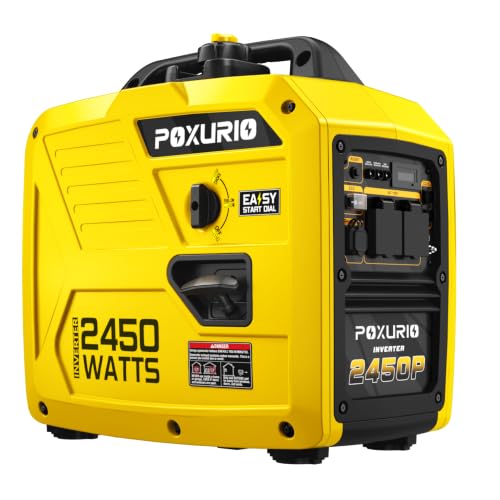
POXURIO 2450-Watt Inverter Generator for Home Use

DuroStar DS13000MXT 13,000-Watt Tri Fuel Portable Generator

Champion Power Equipment 12,500-Watt Electric Start Tri Fuel Home Backup Generator
More Details On Our Top Picks
The DuroMax XP13000HXT leans hard into backup power for a house that needs real headroom. A 500cc engine and tri-fuel setup give you gas, propane, or natural gas flexibility, which matters when fuel storage and outage length are unpredictable.
The built-in CO alert adds a practical layer for garage or outdoor placement, though that never replaces sensible placement and ventilation. Compared with the smaller Champion inverter models above, this one fits far better when you want to keep multiple circuits alive instead of just a few essentials.
Strengths
- Tri-fuel support gives you more options during outages or long projects.
- The 500cc engine points to the kind of reserve you want for demanding household loads.
- CO alert functionality adds a useful safety-minded feature for everyday ownership.
- Portable format still leaves room for temporary placement near a transfer setup.
Points To Note
- The larger frame fits homeowners better than anyone seeking quick grab-and-go use.
- Fuel switching and storage planning take a little more attention than a single-fuel unit.
- Owners commonly keep these units cleaned and covered to reduce wear from dust and weather exposure.
Feature Snapshot
Who It Suits Best
Homeowners who want serious standby coverage and fuel flexibility will get the most from this one.
Swap It Out When
Champion Power Equipment’s 4000-Watt Dual Fuel RV Ready Portable Inverter Generator fits travel-minded users who care more about quieter operation and compact size than whole-home capacity.
This Champion makes more sense for road trips and campsite power than for running a full home panel. Dual fuel support gives you gas or propane flexibility, while the inverter design helps suit electronics and quieter campsites better than a loud conventional unit.
The trade-off is obvious, though, because 4000 watts sits far below the big DuroMax and DuroStar machines in this list. For RV owners or weekend campers, that lighter footprint often matters more than raw output.
What We Like
- Dual fuel support gives you a practical backup plan when one fuel is harder to source.
- Inverter design usually suits phones, tablets, and sensitive gear better than basic open-frame units.
- RV-ready positioning makes it a natural fit for travel setups and tailgate use.
- Its size suits storage in a garage or trailer compartment better than the larger home-backup units.
Worth Noting
- Output is modest beside the 13,000-watt generators in this roundup.
- It fits light-to-medium use, not heavy whole-house coverage.
Details At A Glance
Made For
RV owners, campers, and tailgaters who want flexible fuel use in a more manageable size will appreciate this setup.
A Better Fit Elsewhere
Westinghouse’s 12000 Peak Watt Tri-Fuel Portable Inverter Generator suits homeowners more closely because it brings larger-capacity backup power with inverter output.
Portability is the whole story here, and that’s a useful contrast with the heavier backup units already listed. At 39.7 pounds, this Champion makes sense for moving between a campsite, garage, or small storage area without a wrestling match.
The 53 dBA quiet rating, 1850 running watts, and up to 11.5 hours of runtime shape a clear profile for light-duty use. You may find it especially comfortable for overnight camping, a few essentials during an outage, or any setting where noise matters more than raw output.
Highlights
- Light weight makes transport and storage much easier than full-size home backup units.
- Quiet operation suits campgrounds and neighborhood settings better than louder open-frame machines.
- Clean power under 3% THD helps explain its appeal for sensitive electronics.
- Long runtime supports practical overnight or weekend use without constant refueling.
- CO Shield auto shutoff adds a thoughtful layer for everyday safety awareness.
Areas To Watch
- Power output stays in light-duty territory, so large appliances are outside its comfort zone.
- Single-unit coverage can feel limited in a home outage compared with the larger DuroMax options.
Core Details
Whose Shelf It Belongs On
Campers, van travelers, and homeowners who need a compact backup for a few essentials will get the most from it.
Where A Sibling Pick Shines
Champion Power Equipment’s 4000-Watt Dual Fuel RV Ready Portable Inverter Generator suits you better when travel power needs rise and the extra output matters.
Compared with the DuroMax above, this DuroStar swaps tri-fuel flexibility for a simpler gas-and-propane setup. That trade-off can suit homeowners who know their fuel preference already and want electric start plus a transfer-switch-ready layout for storm prep.
It is also pitched for RV and emergency use, so the shape of the feature set feels broad rather than niche. The honest read is that it looks strongest for families who want one generator to cover backup chores without getting overly complicated.
Upsides
- 13,000-watt class output suits larger home circuits and heavier backup loads.
- Remote electric start adds convenience during weather events or late-night setups.
- Transfer-switch readiness helps fit the way many homes handle backup power.
- Dual fuel support gives you a solid fallback between gas and propane.
Minor Gripes
- Lacks natural gas support, unlike the tri-fuel models in this roundup.
- Its size and purpose lean toward planned placement instead of casual portable use.
- Periodic upkeep and fuel stabilization matter more on large standby-style units like this.
Spec Overview
The Right Fit
Homeowners who want a serious backup unit with fewer fuel variables will find this one easy to picture in a storm-ready setup.
Look Elsewhere When
DuroStar’s DS13000MXT makes more sense for households that want the extra flexibility of natural gas alongside gas and propane.
This Westinghouse stands out because it mixes tri-fuel flexibility with inverter-style output. That combination matters for homes where you want backup capacity but still care about electronics-friendly power, quieter operation, and a setup that feels less rough around the edges than a standard open-frame unit.
Remote start, transfer-switch readiness, low THD, parallel capability, and a CO sensor give it a polished feature list. You may find it a better fit than the bigger DuroMax if your backup plan leans toward cleaner power rather than maximum bulk.
Bright Spots
- Tri-fuel support gives you useful flexibility across gas, propane, and natural gas.
- Inverter design helps make the power feel more suited to electronics and mixed household loads.
- Remote start adds comfort during outages and bad weather.
- Parallel capability leaves room to scale later in a more controlled way.
- Transfer-switch readiness fits orderly home backup planning.
Small Caveats
- Its premium feature mix can feel more involved than basic portable generators.
- Parallel setup only matters if you plan to expand with a matching unit.
Feature Rundown
Best Suited To
Households that want tri-fuel flexibility without giving up inverter-style power will get the most from this one.
Where Shoppers Go Wrong
DuroStar’s DS13000MX is the simpler route for households that prefer gas and propane only, especially when the added feature set here feels more than necessary.
This POXURIO model sits well below the heavy backup machines, and that difference matters. It is a straightforward 120V inverter generator with a 1.6-gallon fuel tank and up to 8.3 hours of use, so it makes sense for smaller backup jobs, patio needs, or an apartment storage area with limited room.
The yellow housing helps it stand apart visually, though the bigger story is the modest size and simpler power level. You may find it useful for basic household essentials, but it won’t replace the larger DuroMax or Westinghouse units for serious outage coverage.
Best Bits
- The smaller footprint makes storage and movement easier than full-size backup generators.
- Inverter design generally suits lighter electronics use better than simple non-inverter models.
- The 1.6-gallon fuel tank gives you a clear, manageable refill routine.
- Its lower output can feel less overwhelming for occasional home use.
Room For Improvement
- Power output stays far below the 13,000-watt class in this roundup.
- Home backup coverage is limited to light-duty needs.
- Routine fuel care and dry storage still matter for a machine this size.
Quick Facts
Right Fit For
Small households, patio setups, and anyone who needs lighter backup power will find this easier to handle than the larger generators here.
Another Choice May Suit
Champion Power Equipment’s 2500-Watt Ultralight Portable Inverter Generator fits mobile users better, since its lighter carry weight makes transport less of a chore.
Natural gas support is what pushes this DuroStar into a very practical lane for home backup. Compared with the dual-fuel DS13000MX, it gives you gas, propane, and natural gas, so the setup can match more household fuel strategies without forcing you into one plan.
Remote electric start, transfer-switch readiness, and whole-home backup positioning make the feature set feel coherent rather than crowded. The honest read is that this one suits households that want a large generator to behave like a serious long-term utility, not just an emergency tool.
Positives
- Tri-fuel compatibility gives you the most flexible fuel spread in the DuroStar pair here.
- Remote electric start adds day-to-day convenience during stressful outage conditions.
- Transfer-switch readiness makes home integration feel more organized.
- Whole-home backup positioning fits larger properties and heavier electrical plans.
- RV and emergency readiness broadens its usefulness beyond one narrow task.
Areas To Watch
- The larger format calls for planned placement and routine maintenance attention.
- Tri-fuel flexibility helps most when you already have fuel access sorted.
Feature Card
Built With In Mind
Homeowners who want tri-fuel flexibility and natural gas support in a backup unit will appreciate this one most.
Reach For A Different Pick When
Westinghouse’s 12000 Peak Watt Tri-Fuel Portable Inverter Generator fits better for homes that want cleaner inverter output and a slightly more refined power profile.
This Champion aims for home backup without leaning too far into bulk or complexity. Electric start keeps day-to-day use straightforward, and tri-fuel support gives you more than one path during an outage, which is useful for households that want a practical setup instead of a showpiece.
Compared with the stronger-output DuroMax and DuroStar units, it gives up a little ceiling but stays easier to place as a home emergency machine. That middle-ground approach should appeal to homeowners who want backup capability without committing to the heaviest profile in the lineup.
Reasons To Buy
- Tri-fuel support makes fuel planning easier in changing outage conditions.
- Electric start is a welcome convenience for everyday household ownership.
- Home backup orientation suits storm planning and standby use.
- The 12,500-watt class still gives you substantial coverage for important circuits.
Honest Caveats
- It sits below the 13,000-watt class in raw output.
- Owners should expect the upkeep that comes with a large standby-style generator.
Core Details
Perfect Match For
Homeowners who want a backup-focused generator with simpler starting and a more balanced footprint will like this model.
Skip It When
DuroMax’s XP13000HXT suits you better if you want the highest-output feel in this group and more backup headroom overall.
How To Choose The Right 13000 Watt Tri-Fuel Generators
Match Output To Real Loads
Start with the appliances and circuits you actually plan to keep on. Large tri-fuel generators in this class suit refrigerators, lights, sump pumps, and selected household equipment, while inverter models like the Westinghouse and Champion options work better for smaller, cleaner-load scenarios.
Peak wattage and running wattage are not the same thing, so the running figure matters more for steady use. That’s the number that tells you whether the generator can keep going once everything is already turned on.
Fuel Flexibility Changes The Experience
Tri-fuel units give you gas, propane, and natural gas, which can be a major advantage during long outages or busy storm seasons. Dual-fuel units reduce the choice to two fuels, and that can still be enough for many homes that already know their backup plan.
Natural gas helps when you want a fixed home connection, while propane gives you stored reserve and gas offers everyday convenience. The trade-off is usually more setup thought, especially around hose routing, storage, and where the unit will sit.
Start Method And Connection Style Matter
Remote electric start and standard electric start both make life easier than pull-starting a large machine by hand. Transfer-switch readiness also matters because it points to a cleaner home hookup instead of improvised extension-cord use.
For RV travel or campsite use, an RV-ready inverter model can be a smarter fit than a full-size backup generator. For home outage planning, the bigger frame and stronger output usually win out.
Think About Noise, Size, And Care
Inverter generators usually feel more neighbor-friendly and easier on electronics, while open-frame workhorses favor output and toughness. Size and weight also shape where the generator lives, because large models are better suited to a garage, pad, or dedicated storage area.
Routine care matters too, especially fuel management, dry storage, and periodic upkeep on larger engines. A little attention between outages goes a long way when you want the unit ready on the next stormy night.
Things Worth Knowing First
Wrong Turns To Avoid
Shoppers often overbuy wattage for a few essentials or underbuy because the sticker number looks impressive. A better approach is to map the actual loads first, then choose the smallest unit that still leaves breathing room.
Another common miss is ignoring fuel access. A tri-fuel generator sounds flexible, but the real convenience depends on whether you can store propane safely, tap natural gas, or keep gas on hand without hassle.
Where The Extra Money Goes
Higher-tier models usually pay for larger engines, cleaner inverter output, better start systems, and more complete home-backup features. Remote start, CO sensing, transfer-switch readiness, and parallel capability all add convenience and planning value.
That extra spend starts to make sense for households that depend on a generator during long outages or travel often with power-hungry gear. For occasional light use, a smaller inverter unit often feels easier to live with.
Frequently Asked Questions
What size generator fits a typical house backup plan?
A large home backup setup usually needs far more than a few appliance watts. The right size depends on whether you want essentials only or several circuits at once.
Is tri-fuel better than dual-fuel?
Tri-fuel gives you one more backup path, which helps during supply problems or long outages. Dual-fuel still works well for many homes that mainly rely on gas and propane.
Do inverter generators matter for home backup?
They matter most when cleaner output and quieter operation are priorities. Standard open-frame units still make sense when raw output is the bigger concern.
What does transfer-switch ready mean?
It means the generator is designed with home connection planning in mind. That usually makes a more organized setup than running a tangle of cords around the house.
How much maintenance does a large portable generator need?
Larger generators benefit from routine fuel care, dry storage, and periodic checks. Owners often keep them covered and ready so the unit does not sit idle for too long.
Closing Thoughts
You have a clear spread here, from heavy-duty home backup machines to lighter inverter picks for travel and essentials. The DuroMax and DuroStar models suit homes that need serious power, while the Westinghouse brings a more polished inverter feel to the same backup conversation. For RV use and smaller jobs, the Champion and POXURIO units keep things simpler. Choose the model that matches your fuel plan, your space, and the loads you truly need to keep running.
