

Big portable generators earn their keep when the lights go out, the sump pump starts cycling, or a jobsite needs steady power far from an outlet. This roundup focuses on large-capacity gas, dual-fuel, and tri-fuel models that suit home backup, RV setups, and heavier outdoor work. You’ll see where remote start, transfer switch readiness, and carbon-monoxide sensing matter, along with the trade-offs that come with size, fuel choice, and storage.
The Shortlist At A Glance

AIVOLT 1600W Super Quiet Inverter Generator

DuroStar DS13000MX 13,000-Watt 500cc Dual Fuel Portable Generator

Westinghouse 28000 Peak Watt Home Backup Portable Generator

DuroMax XP13000HXT 13,000-Watt 500cc Tri Fuel Portable Generator

Westinghouse 18000 Peak Watt Tri-Fuel Home Backup Portable Generator
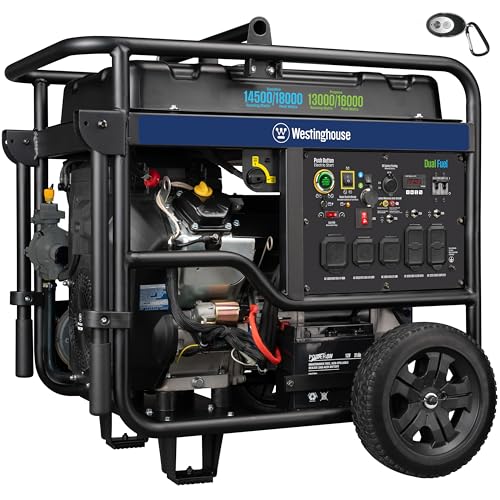
Westinghouse 18000 Peak Watt Dual Fuel Home Backup Portable Generator

DuroMax XP15000HX 15,000-Watt Dual Fuel Portable Generator

Westinghouse 14500 Peak Watt Tri-Fuel Home Backup Portable Generator
More Details On Our Top Picks
Compared with the larger home-backup units below, this AIVOLT keeps the footprint small enough for camping, tailgates, and light emergency use. The inverter format matters because it delivers cleaner, steadier power for sensitive electronics, and the stated 57 dBA noise level is the kind of detail that helps in a quiet campground or close-packed patio. CO auto-shutoff adds a useful layer for everyday peace of mind, though the output ceiling is plainly far below the heavy-duty models in this list.
At 28 pounds, it’s easy to move around without planning your whole day around it. The trade-off is simple, you’re choosing portability and quieter operation over the muscle needed for major household circuits, so it fits a very different job than the DuroMax and Westinghouse backup picks.
Strong Points
- 28-pound build keeps transport manageable for campsites, cabins, and quick porch setup.
- Inverter output suits laptops, phone chargers, and other sensitive gear better than rougher open-frame units.
- Quiet operation helps in shared outdoor spaces where louder equipment feels intrusive.
- CO auto-shutoff adds a useful layer of everyday caution.
- Eco mode can stretch fuel use during lighter loads, which helps on longer weekends away from home.
Things To Consider
- The smaller output works for essentials, not whole-home coverage.
- Gas-only operation means you won’t get fuel flexibility like the dual-fuel and tri-fuel picks here.
- The lightweight frame is easier to carry, but it also signals a more modest duty cycle.
Feature Snapshot
Who It Suits Best
Weekend campers, apartment backup shoppers, and anyone who wants a small generator for charging and light appliance support will get the most from it.
A Better Fit Elsewhere
DuroMax XP15000HX suits households that need serious outage coverage, especially for running multiple large appliances at once.
For a household that wants one machine to bridge outages and RV trips, the DS13000MX sits in a useful middle lane. Dual fuel means it can run on gas or propane, and that flexibility matters during storm season or when you’d rather store one fuel type longer term. Remote electric start adds convenience, though the generator’s bulk means it fits best in a garage, shed, or trailer rather than a cramped storage nook.
Compared with the AIVOLT, you’re trading easy portability for real backup muscle. Compared with the tri-fuel Westinghouse units, you give up natural gas compatibility, but the setup stays simpler for shoppers who mainly want gas and propane.
What We Like
- Dual-fuel setup gives you two fuel paths, which is handy during shortages or planning gaps.
- Remote electric start makes startup less awkward when the unit sits outdoors.
- Transfer switch readiness fits home backup planning more cleanly than a small camping generator.
- 500cc engine size signals a heavy-duty class suited to larger electrical loads.
- RV and emergency positioning broadens its use beyond household outages.
Worth Noting
- Its size makes storage and movement a real consideration.
- You won’t get the same fuel variety as a tri-fuel model.
- Maintenance and refueling are easier with clear access space around the unit.
Core Details
Who Will Love This
Households wanting a capable dual-fuel backup source for storms, outages, and RV use should look here first.
Another Choice May Suit
Westinghouse 18000 Peak Watt Tri-Fuel Home Backup Portable Generator makes more sense for homes that want natural gas in the mix.
This Westinghouse model targets homes that want a deeper reserve than the smaller dual-fuel units provide. Remote electric start and auto choke are practical touches because they reduce the awkwardness of cold starts, especially after the unit has sat in a garage through a long season. Transfer switch readiness and 30A plus 50A outlets make it a stronger fit for planned home backup than for casual weekend power.
The honest read is that the sheer size puts it in serious territory, so you’re buying for capacity, not for easy shuffling around the yard. That makes it a better match than the AIVOLT or even the DuroStar DS13000MX for homes with larger electrical demands and enough storage space to match.
Highlights
- Higher peak output helps support a wide range of larger household loads.
- Remote electric start keeps startup simple from a convenient distance.
- Auto choke helps the engine settle into starting without extra fuss.
- 30A and 50A outlet support suits more demanding home backup layouts.
- CO sensor adds an important layer of shutdown awareness.
Points To Note
- The physical footprint is substantial, so storage planning matters.
- Large-capacity generators usually need regular upkeep and fuel rotation.
- Its output level is more than many homes need for lighter backup plans.
Details At A Glance
Right Fit For
Homeowners with larger backup plans, especially those wiring through a transfer switch and needing stronger output headroom, fit this category well.
Where A Sibling Pick Shines
DuroMax XP13000HXT is the better lane for people who want more fuel flexibility in a slightly smaller package.
This DuroMax stands out because it gives you three fuel paths instead of two. Gas, propane, and natural gas support can make a huge difference for homes that want backup options during long outages or prefer a cleaner-running connection to the house supply. CO alerting adds another practical layer, and remote electric start keeps daily use from feeling cumbersome.
Compared with the DS13000MX, this model asks for a bit more planning up front but pays you back with natural gas compatibility. That extra flexibility makes it a smarter fit for households that already have a natural gas line and want to avoid relying on a single fuel type.
Bright Spots
- Three-fuel support gives you more choices in changing outage conditions.
- Natural gas compatibility helps it suit homes with permanent utility access.
- Remote electric start keeps operation less tiring than manual-start designs.
- CO alert feature adds a useful layer for home installation awareness.
- Transfer switch readiness supports a more organized backup setup.
Areas To Watch
- Tri-fuel flexibility can add setup complexity for first-time owners.
- Natural gas use depends on an appropriate home connection.
- The larger frame means storage and movement deserve real planning.
Feature Rundown
Built With In Mind
Households that want utility-grade flexibility and already have a natural gas option will get the most out of it.
A Better Fit Elsewhere
DuroStar DS13000MX makes more sense for homes that only need gas and propane support without the extra tri-fuel layers.
This Westinghouse sits in a sweet spot for people who want serious outage support without jumping all the way to the biggest frame in the group. Tri-fuel operation gives you gas, propane, and natural gas options, so you can match the fuel to your setup rather than forcing your setup to match the generator. Remote electric start and transfer switch readiness make it feel more like planned home equipment than an occasional emergency tool.
It lands between the heavy Westinghouse 28000 Peak Watt unit and the more flexible but slightly narrower DuroStar DS13000MX. That middle position is useful for households that want broad fuel choice and substantial capacity, but not the bulk of the biggest backup machines.
Positives
- Tri-fuel support gives you room to work around fuel availability.
- Remote electric start reduces hassle during outage conditions.
- Transfer switch readiness helps with a cleaner home-backup layout.
- CO sensor adds a practical safety-minded touch.
- The capacity level suits many homes that need more than a midsize portable unit.
Small Caveats
- Tri-fuel units usually ask for a bit more setup knowledge.
- The frame is still large enough to require storage planning.
- Regular maintenance matters more on big backup generators than on small weekend units.
Core Details
Perfect Match For
Homeowners who want flexible fuel options and substantial backup capacity without moving into the very largest generator class fit this one well.
Look Elsewhere When
Westinghouse 14500 Peak Watt Tri-Fuel Home Backup Portable Generator suits households that want a lighter tri-fuel step with less bulk.
This dual-fuel Westinghouse is for households that want a strong backup machine without stepping into tri-fuel complexity. Gas and propane support cover the most common home-use scenarios, while remote electric start and transfer switch readiness make the workflow feel orderly rather than improvised. It’s a sensible choice for storm prep, though the larger body still expects dedicated storage space and routine upkeep.
Compared with the tri-fuel sibling above, you lose natural gas compatibility, but you also trim away one layer of setup complexity. For many homes, that trade-off feels clean and practical, especially when gas and propane already cover the intended use case.
Upsides
- Dual-fuel design keeps the fuel question straightforward.
- Remote electric start helps during weather-related outages.
- Transfer switch readiness suits planned backup wiring.
- The output level can cover substantial household needs.
- Propane storage can be convenient for longer-gap emergency prep.
Minor Gripes
- No natural gas option means less flexibility than the tri-fuel models.
- The unit still takes real space in storage.
- Large portable generators reward regular maintenance and safe fuel handling.
Technical Sheet
Whose Shelf It Belongs On
Households that want a straightforward dual-fuel backup generator with strong output and planned-home features will appreciate it most.
Swap It Out When
Westinghouse 18000 Peak Watt Tri-Fuel Home Backup Portable Generator is the better fit for homes that want natural gas as a third fuel path.
This is the unit in the list that most clearly matches the keyword’s high-output intent. The XP15000HX pairs 15,000 watts with dual-fuel support, remote electric start, and transfer switch readiness, so it fits large homes that need a generator with real headroom for outages and heavier loads. The RV and emergency-ready positioning also makes it useful beyond the house, assuming you have the storage space and the appetite for a substantial machine.
Compared with the 13,000-watt DuroStar, it steps up output while keeping the same basic fuel family. Against the Westinghouse 18000 models, it gives you a slightly different balance of capacity and setup style, which makes it appealing for households that want a strong middle ground without moving into the largest frame here.
Reasons To Buy
- 15,000-watt output brings serious reserve capacity for outage planning.
- Dual-fuel support gives you gas or propane flexibility.
- Remote electric start keeps operation more convenient day to day.
- Transfer switch readiness fits a more permanent home-backup setup.
- RV and emergency readiness widen the practical use case.
Honest Caveats
- Large output means a large footprint and heavier storage needs.
- Dual fuel is flexible, but it still leaves out natural gas.
- Big portable generators need thoughtful fueling, placement, and upkeep.
Feature Card
The Right Fit
Large-home owners and people who want a high-output dual-fuel generator for backup plus travel-oriented use should focus here.
Reach For A Different Pick When
DuroMax XP13000HXT is a smarter choice for anyone who wants natural gas support in a slightly smaller package.
For many homes, this Westinghouse strikes a good middle path between the smaller dual-fuel choices and the bigger 18,000 to 28,000-watt machines. Tri-fuel support gives you gas, propane, and natural gas options, and that can matter a lot in places where one fuel is easier to keep on hand than another. Remote electric start and transfer switch readiness make the unit feel built for planned backup, not just emergency improvisation.
The trade-off shows up in capacity, because 14,500 peak watts sits below the largest Westinghouse backup picks in this roundup. That’s fine for many mid-large homes, and it may feel more manageable than the huge units if your storage space and backup needs are both reasonable.
Best Bits
- Tri-fuel support gives you the widest fuel flexibility in a mid-large class.
- Remote electric start adds comfort during outage conditions.
- Transfer switch readiness makes home integration easier to plan.
- Its output level suits many households without pushing into the largest frame here.
- The fuel mix can help you adapt to supply changes more easily.
Room For Improvement
- It still asks for meaningful storage space and routine upkeep.
- Tri-fuel capability may feel more involved than a simple gas-and-propane setup.
- The lower peak figure, compared with the 18,000 and 28,000-watt units, matters for very large homes.
Quick Facts
Made For
Households wanting broad fuel choice and strong backup output without stepping all the way into the largest generators will feel at home with this pick.
Consider Something Else When
Westinghouse 28000 Peak Watt Home Backup Portable Generator is the better move for very large homes that need the deepest reserve in this list.
How To Choose The Right 15000 Watt Portable Generators
Match Output To Real Loads
Big portable generators sound similar on paper, but the useful difference is how they handle your actual appliances. A household that wants to keep a refrigerator, lights, a sump pump, and a furnace fan going needs a very different setup from someone powering a fridge and a few chargers during short outages. Peak wattage is the brief surge number, while running output tells you the steadier amount the unit can sustain.
That distinction matters because startup surges are where many people get caught out. Motors in pumps, compressors, and some tools ask for more power at startup than during normal use, so extra capacity brings breathing room. A model that looks adequate on a spec sheet can feel tight in a real outage.
Fuel Choice Changes The Experience
Dual-fuel and tri-fuel units are not just about convenience, they shape how you plan storage and refueling. Gas is common, propane stores well, and natural gas works well for homes already connected to a line. Each option changes how much prep you need before storm season or jobsite use.
The trade-off is complexity. More fuel paths often mean more setup decisions, more hoses or connections, and more room for user error, especially for first-time owners. That’s why a simpler gas-and-propane model can be the right call for some households even when a tri-fuel unit sounds more flexible.
Look Closely At Installation Features
Transfer switch readiness, 30A and 50A outlets, and remote electric start all point to easier ownership. Transfer switch compatibility helps a generator connect in a more organized way, while the outlet mix tells you how many common backup setups it can support. Remote start saves you from walking outside in bad weather every time the unit needs to come online.
These details matter most for homeowners, not casual campers. A generator with strong output but awkward connection options can create the sort of headache that makes storm prep harder than it should be.
Think About Storage, Noise, And Maintenance
Large-frame generators take more than floor space, they need access around the housing, a sensible fueling routine, and a place where maintenance won’t feel like a chore. Louder open-frame units fit jobsite use better, while quieter inverter designs suit campsites, patios, and close neighborhoods. A CO sensor or CO auto-shutoff feature is worth paying attention to because it adds another layer of attention to exhaust conditions.
For most homes, the smartest choice is the unit that fits your space and upkeep habits, not just the biggest number. A slightly smaller generator that you can store, start, and maintain properly tends to serve you better than a larger machine that sits awkwardly unused.
What To Weigh Before You Choose
Mistakes Worth Dodging
Many shoppers focus on peak watts and forget outlet types, start method, and fuel source. That leads to a unit that looks powerful but doesn’t fit the way your home or RV actually connects. Another common miss is underestimating storage space, especially with the larger Westinghouse and DuroMax models in this roundup.
Noise is another easy detail to overlook. A quieter inverter generator can feel much more comfortable near people, while a louder high-output machine makes more sense for a detached garage, work zone, or distant backup spot.
The Upgrade Payoff
Higher-tier generators usually cost more because they carry bigger engines, more outlets, better start systems, and fuel flexibility. Tri-fuel support, transfer switch readiness, and remote electric start all add complexity to the build, and that complexity tends to show up in the price. You’re paying for setup ease as much as raw wattage.
The upgrade is worth it when outage coverage matters more than portability. A large home, a property with a sump pump, or a setup that relies on natural gas can justify the jump, while a smaller cabin or travel setup usually does not need that much machine.
Frequently Asked Questions
What Does Peak Wattage Mean On A Generator?
Peak wattage is the short burst a generator can deliver for startup loads. Running wattage is the steadier output that matters for ongoing use.
Is Dual Fuel Better Than Gas Only?
Dual fuel adds flexibility because you can choose between gas and propane. That helps during storage planning and supply changes, though it usually adds some setup complexity.
Do You Need Transfer Switch Readiness?
Transfer switch readiness matters most for home backup use. It makes the generator fit a more organized connection setup with less improvisation.
Are Tri-Fuel Models Harder To Own?
Tri-fuel models ask for more attention because you’re managing three fuel paths. The upside is more flexibility, especially for homes that already use natural gas.
Why Does A Smaller Inverter Generator Still Matter Here?
A smaller inverter generator fits travel, light backup, and electronics better than a heavy open-frame unit. It solves a different problem, so the lower output is a feature, not a flaw.
Closing Thoughts
Your best match comes down to the space you need to cover and how much fuel flexibility you want. The DuroMax XP15000HX feels like the strongest all-around fit for serious home backup, while the Westinghouse tri-fuel models make a lot of sense for households that value natural gas compatibility. Smaller options like the AIVOLT still matter for travel and light use, because not every power need calls for a giant frame. Pick the machine that fits your outage plan, your storage space, and the way you actually live.
