

Shopping for a 3500-watt-class generator usually comes down to one simple problem, you want enough power for essentials without dragging around more bulk than you need. That makes the right pick feel very different for a campsite, a tailgate, a garage, or backup for a few home circuits. The seven options below lean in different directions, from lightweight inverter models to more traditional open-frame choices. The sweet spot is the one that fits your space, fuel preference, and how often you plan to move it.
Quick Look At The Shortlist
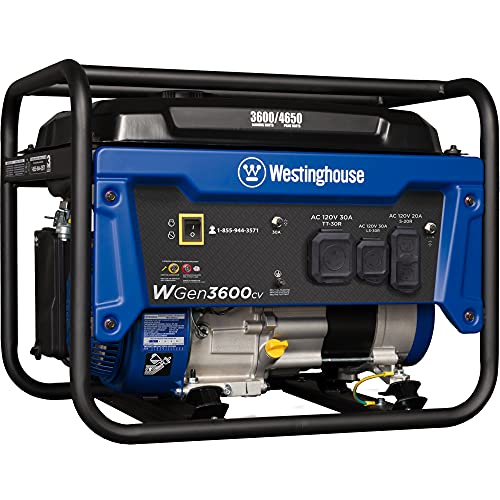
Westinghouse 4650 Peak Watt Portable Generator

Oxseryn Power Equipment 4400 Watts Inverter Generator

WEN 3600-Watt Portable Inverter Generator 56360i

WEN Quiet and Lightweight 3600-Watt Dual Fuel RV-Ready Portable Inverter Generator DF360iX

PowerSmart 4300 Watt Portable Generator with Inverter Technology

LIFAN 3500W Compact Gas Inverter Generator

Oxseryn 4400-Watts Inverter Generator
More Details On Our Top Picks
The Westinghouse model makes sense for a garage, a jobsite edge, or a weekend RV setup that needs straightforward power without a lot of fuss. The 30A RV outlet gives you a clearer path for camper use, and the carbon monoxide sensor adds an extra layer of caution that many households will appreciate. It leans more toward practical backup than lightweight travel, so the trade-off is size rather than simplicity.
You may find it most useful for home outage planning, where you want a gas-powered unit that can cover essentials and still feel reasonably manageable to move. Compared with the lighter WEN 3600-watt inverter picks, this one reads as the stronger utility-first choice, though it is less travel-friendly.
Strong Points
- 30A RV outlet suits camper hookup needs.
- CO sensor adds a useful safety layer for household backup planning.
- Gas power keeps refueling familiar for long outage prep.
- Works well for mixed home and travel use.
Things To Consider
- Less compact than the smaller inverter picks in this roundup.
- Gas units need routine fuel handling and storage attention.
- Best suited to users comfortable with a more traditional generator format.
Key Specs
Who It Suits Best
Homeowners and RV owners who want a single gas-powered backup option with a stronger utility focus will get the most from it.
A Better Fit Elsewhere
WEN 3600-Watt Portable Inverter Generator 56360i suits campers who care more about lighter carry and a quieter-feeling setup.
This Oxseryn unit sits in a useful middle ground, especially for someone who wants inverter-style power without moving all the way into a more compact camping-first machine. ECO mode is the kind of feature that matters in ordinary use, because it aims to match output to load rather than running flat-out all the time. The open-frame design makes the shape more familiar and less refined than the WEN inverter models, but that can also keep it feeling straightforward.
It works well for emergency home backup, garage power, or a weekend setup where quiet operation matters but you still want a more open utility format. Compared with the Westinghouse 4650, this one reads as the quieter, more electronics-friendly choice, though it gives up the dedicated RV safety cue of the CO sensor.
What We Like
- Inverter setup is friendlier for mixed household electronics.
- ECO mode helps the generator work less aggressively under lighter loads.
- Open-frame layout is easy to understand at a glance.
- Works for backup power and RV duty.
Minor Gripes
- Open-frame styling is less compact than the smallest inverter choices here.
- Gas upkeep still means fuel storage and seasonal maintenance.
- Owners who want a travel-first build may prefer a lighter unit.
Feature Snapshot
Who Will Love This
Shoppers who want an inverter generator with a more utility-driven shape will get strong mileage out of it.
Where A Sibling Pick Shines
WEN Quiet and Lightweight 3600-Watt Dual Fuel RV-Ready Portable Inverter Generator DF360iX suits campers who want fuel flexibility in a smaller package.
This WEN model is the kind of generator that makes sense for camping, tailgates, and short backup needs where easy handling matters more than raw size. Fuel shut off is worth a look because it helps the machine clear fuel from the system before storage, which many owners like for seasonal use. The body style is lighter and more travel-friendly than the Westinghouse or Oxseryn picks, and that difference shows up quickly once you start loading it into a truck bed.
For most weekend users, it lands in a comfortable place between portability and usable output. The honest read is that it suits simpler routines better than heavy-duty household backup, but that narrower focus is part of its appeal.
Best Bits
- Lightweight design helps with loading and transport.
- RV-ready setup fits common camping use.
- Fuel shut off supports cleaner storage habits.
- Inverter format suits electronics better than plain open-frame alternatives.
Softer Spots
- Less suited to larger backup jobs than the bigger-output picks.
- Still needs standard gas-generator care and fuel rotation.
- Compact builds can feel less substantial to users who want a heavier chassis.
Details At A Glance
Built With In Mind
Campers, tailgaters, and occasional backup users who want portability first will find it a very natural fit.
Another Choice May Suit
PowerSmart 4300 Watt Portable Generator with Inverter Technology fits home backup users who want more engine size and a stronger 30 amp setup.
The dual-fuel angle makes this WEN stand apart from the plain-gas 56360i, because you can work with more than one fuel source depending on the setup. That flexibility matters for RV travel and home planning, especially when you want options during longer outage prep or a trip where fuel access may vary. CO Watchdog is another practical touch, and the name gives you a clear clue about its role in gas-awareness monitoring.
Compared with the simpler WEN 3600 model, this one asks for a little more attention to fuel choice, but it also rewards that with more adaptability. One thing worth considering is that dual-fuel convenience feels especially useful for people who keep both campsite use and home backup in view.
Highlights
- Dual-fuel support gives you more setup flexibility.
- CO Watchdog adds another useful safety-oriented feature for gas-powered use.
- RV-ready design fits travel planning well.
- Quiet and lightweight framing helps in mixed-use scenarios.
- Fuel shut off helps with storage after use.
Areas To Watch
- Dual-fuel systems can mean more setup decisions before use.
- Storage and fuel handling still matter just as much as on other gas models.
- Shoppers who only need one fuel source may not use the extra flexibility often.
Core Details
Perfect Match For
RV users and emergency planners who want fuel flexibility without moving up to a heavier machine will appreciate it most.
Reach For A Different Pick When
WEN 3600-Watt Portable Inverter Generator 56360i fits better for campers who want a simpler single-fuel setup and less to think about.
PowerSmart shifts the emphasis toward engine size and home-oriented power, which is useful for people who want a more serious backup machine without jumping into a much larger class. The 223cc four-stroke engine is the kind of detail that matters because displacement, which is the engine’s internal size measure, often points to stronger load handling and a more planted feel. The 30 amp outlet also makes it easier to line up with backup or RV needs than a smaller single-outlet design.
Compared with the WEN portable inverters, this one reads as more rugged and less travel-first. That makes it a better fit for garages, sheds, and emergency home power, though it may feel like more machine than casual campers need.
Plus Points
- 223cc engine gives it a more substantial hardware profile.
- 3500W rated output sits in the useful middle of this category.
- 30 amp outlet helps with RV or backup planning.
- Inverter technology broadens its appeal for mixed household use.
Worth Noting
- More engine heft usually means a less easygoing carry experience.
- Gas maintenance and storage habits still come with the territory.
- Casual travelers may find smaller inverter models easier to live with.
Technical Sheet
The Right Fit
Homeowners who want a more substantial backup unit with RV-friendly output options will likely get the most use from it.
Look Elsewhere When
LIFAN 3500W Compact Gas Inverter Generator suits campers who value easier carry and a smaller camping-first footprint.
LIFAN takes a travel-first approach, and that is obvious from the compact format and the RV camping focus. Pure sine wave output matters because it helps power electronics with a smoother electrical shape, which is especially useful for devices that do better with steadier current. The 6.5-hour figure at 50 percent load is the sort of detail that helps you picture a realistic campsite routine rather than just a spec sheet.
Compared with the PowerSmart and Westinghouse picks, this one feels more like a companion for trips than a home-first backup machine. Parallel readiness is handy, because it gives you room to expand later with a second compatible unit, though that also means planning ahead.
Bright Spots
- Compact build works well for RV storage and transport.
- Pure sine wave output is a good match for electronics.
- ECO mode supports calmer operation under lighter loads.
- Parallel-ready design leaves room to scale later.
- Fuel-efficiency figure gives you a clearer camping-use picture.
Small Caveats
- 3000W running power is more modest than the larger picks here.
- Parallel setup only helps when you plan to add another compatible unit.
- Compact units still need the usual gas handling and maintenance habits.
Feature Rundown
Whose Shelf It Belongs On
RV campers and mobile users who want a compact inverter with cleaner power characteristics will get the best fit here.
Swap It Out When
WEN Quiet and Lightweight 3600-Watt Dual Fuel Portable Inverter Generator DF360iX suits you better when fuel flexibility matters more than compact size.
This Oxseryn lands as a straightforward all-rounder for people who want RV readiness and emergency backup in the same machine. The open-frame design keeps it closer to the utility side of the category, which makes sense for a garage or home storage spot, and the 30A outlet gives you a practical connection path. It shares some of the same use-case territory as the first Oxseryn model, but this version feels more direct in its pitch.
For users who want a no-nonsense generator that can handle home fallback and travel duty, it is easy to understand. The trade-off is that open-frame utility style tends to feel less polished than the quieter, more compact WEN inverter choices.
Upsides
- RV-ready outlet supports campground and backup planning.
- Open-frame format stays simple and familiar.
- Good fit for emergency power storage in a garage or shed.
- Useful middle ground for mixed-purpose use.
Room For Improvement
- Open-frame builds usually take up more visual and physical space.
- Gas upkeep still asks for storage discipline and periodic attention.
- Users wanting a more travel-friendly inverter profile may prefer the WEN 3600 models.
Core Details
Made For
Shoppers who want a practical, RV-ready backup generator without moving into a more compact travel-first build will like this profile.
Where Shoppers Go Wrong
WEN 3600-Watt Portable Inverter Generator 56360i suits people who really need lighter carry and a simpler camping setup.
How To Choose The Right 3500 Watt Generators
Match Output To The Real Load
Start with the things you actually plan to run, not the label on the box. A 3500-watt-class generator can be a strong fit for lights, a fridge, a sump pump, phone charging, or RV basics, but starting wattage and steady running wattage are not the same thing. That matters most at home, where a compressor or small motor can ask for more at startup than it needs once it settles.
The better move is to list your essentials in order and choose a unit with enough margin for the hardest item on that list. The PowerSmart 4300 Watt model has more engine heft, while the WEN 3600-watt units lean toward lighter, more manageable use. That difference shows up in daily ownership more than people expect.
Choose The Right Fuel Style
Gas-powered units are common in this category because fuel is easy to source and refuel. Dual-fuel models add flexibility, which helps during outage planning or travel where one fuel type may be easier to manage than another. That extra convenience usually comes with a little more complexity, so it fits planners more than casual weekend users.
Fuel shut off is another small feature that matters in real life, because it supports cleaner storage habits after a trip or a season of use. The WEN DF360iX and the WEN 56360i show two different approaches to storage-minded design, and the right one depends on whether you want more flexibility or simpler routine handling.
Look At Portability, Not Just Power
Weight, frame shape, and carry feel change how often you actually use a generator. A compact inverter like the LIFAN makes sense for RV storage, while an open-frame unit such as the Oxseryn models may feel more natural in a garage or back-up corner. That contrast matters because a machine that is awkward to move often ends up staying in place.
For campers, quieter operation and compact storage usually matter more than raw output. For homeowners, a larger frame and a 30A outlet can be more useful than a lighter body. You get the best result by matching the shape of the generator to the place it will live.
Things Worth Knowing First
Mistakes Worth Dodging
One common slip is focusing only on peak watts and ignoring rated or running output. Another is buying a unit that looks portable on paper but feels clumsy once you start loading it into a vehicle or rolling it through a yard. Both mistakes are easy to avoid once you think about the actual space it will occupy.
It also helps to avoid ignoring outlet type. An RV-ready 30A outlet changes the whole setup for travel use, while a simpler outlet layout may still be fine for home backup. The wrong choice here does not make the machine bad, it just makes your life harder.
What The Higher Tier Buys
More expensive models in this category usually buy you better fuel flexibility, cleaner power delivery, or a more substantial engine and outlet setup. That can mean fewer compromises for mixed-use households, especially when one machine has to cover both camping and backup duty. The WEN dual-fuel model is a good example of paying for added flexibility rather than just raw output.
Higher-tier units also tend to feel more refined in storage and handling details. That matters most for people who use a generator often enough to notice the difference between a routine task and a clumsy one.
Frequently Asked Questions
What size generator works best for a small home backup plan?
A 3500-watt-class generator usually suits essentials like lights, refrigeration, and charging. Larger home circuits or multiple motor loads can push you toward a higher-output model.
Are inverter generators better for electronics?
Inverter models are usually the safer fit for sensitive electronics because they produce steadier power. That makes them attractive for phones, laptops, and modern home devices.
Does RV-ready always mean easy camper hookup?
RV-ready usually points to an outlet and setup that fit common travel use, but you still need to match the connector and electrical needs. The 30A outlet on some models makes that process more straightforward.
Is dual fuel worth it for occasional use?
Dual fuel makes the most sense when you want flexibility during outages or travel. For simple, occasional use, a single-fuel unit can be easier to live with.
What maintenance habit matters most?
Fuel storage and periodic upkeep matter most for gas generators. Features like fuel shut off help, but they do not replace regular care.
Closing Thoughts
The best 3500 watt generators for your setup depend less on a number and more on how you plan to use the machine. A camper who wants compact storage will look at the WEN and LIFAN models very differently from a homeowner who wants a 30A backup unit sitting in the garage. That’s the real filter here, not just watts on a page. Choose the one that fits your space, fuel habits, and the kind of quiet, practical support you actually need.
