

Generator batteries hate being ignored. A good trickle charger keeps a stored unit closer to ready, which matters for storm prep, weekend cabins, and backup power in a garage that sits quiet for weeks at a time.
These seven picks cover different battery chemistries, charge rates, and use cases, from small sealed lead-acid packs to more flexible smart chargers for mixed equipment. You get a clearer path to the right fit without digging through a maze of vague listing language.
Quick Look At The Shortlist

PZ.P 15-Amp 12V/24V Smart Battery Charger

Battery Tender 6V/12V 2 AMP Selectable Battery Charger
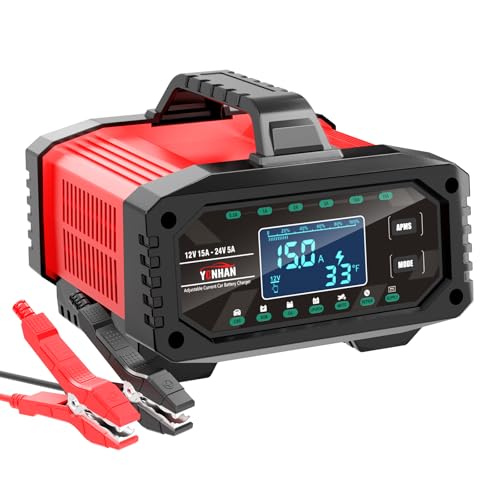
YONHAN Battery Charger 0-15A 12V/24V Adjustable Current

1.5A 6V/12V Car Battery Charger
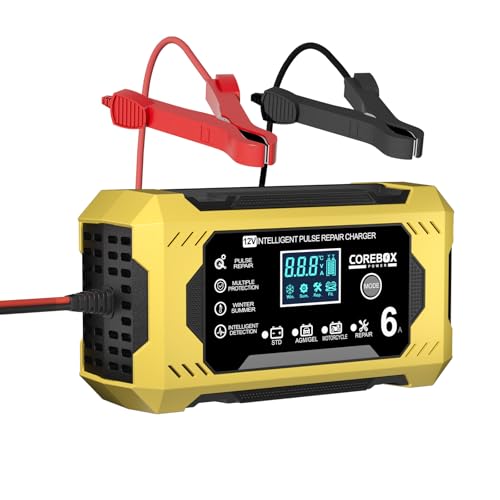
Battery Charger 6-Amp 12V Automatic Smart Battery Trickle Charger

KITUREK 12V 1300mA Sealed Lead Acid Smart Battery Charger Maintainer

Car Battery Charger Automatic Trickle Charger and Battery Maintainer 12V6A
More Details On Our Top Picks
The broad 12V and 24V support makes this PZ.P charger feel built for a garage with more than one machine. The 9-stage charging process means it handles the battery in steps, and temperature compensation helps the charger adjust its behavior as the room or shed gets colder or warmer.
That flexibility suits you well if your generator battery shares space with a motorcycle, truck, lawn mower, or boat battery. The trade-off is simple, more features usually mean more settings to think through, so it fits someone who wants control rather than a bare-bones plug-and-walk unit.
What We Like
- Works with both 12V and 24V setups, which helps in mixed equipment storage.
- LiFePO4 and lead acid support broadens the use case beyond a single battery type.
- Stage-based charging suits long storage periods, where gentle upkeep matters.
- Temperature compensation adds a practical layer for unheated spaces.
- Useful for multiple vehicles, so one charger can cover more of your shed or garage.
Things To Consider
- The feature set feels more involved than a simple low-amp maintainer.
- Its versatility is helpful, but it may be more charger than you need for a single small battery.
- Multiple modes usually reward a careful read of the listing before first use.
Feature Rundown
Who It Suits Best
You benefit most if your garage or utility space holds several machines and you want one charger that can pull double duty. It also fits well for generator owners who prefer a smarter, more adjustable unit.
Another Choice May Suit
Battery Tender 6V/12V 2 AMP Selectable Battery Charger suits a simpler maintenance routine better, especially for someone who wants a compact, low-output option for lighter standby use.
Small-output chargers earn their keep in storage bays and utility shelves, and this Battery Tender model leans hard into that role. The 6V and 12V support gives you some flexibility, while the 2-amp output stays calm enough for routine maintenance rather than fast recovery.
That makes it a sensible match for generator batteries that sit for long stretches between outages. Compared with the more aggressive PZ.P unit, this one feels simpler and easier to live with, though it won’t be the tool you reach for when you want more charging muscle.
Highlights
- 2-amp output is gentle and well suited to maintenance duty.
- Works with both 6V and 12V batteries, which adds welcome flexibility.
- Compact format is easy to store near a workbench or shelf.
- Good fit for standby batteries that spend much of their time idle.
Small Caveats
- Low output keeps things controlled, but it is not the fastest route to a full charge.
- It suits simpler needs better than a mixed-vehicle setup with many battery types.
- As with most maintenance chargers, tidy cable storage helps keep the setup less fussy over time.
Quick Facts
Who Will Love This
You fit this charger best if you want a compact maintainer for a generator battery or a similar standby setup. It also suits someone who prefers a straightforward low-amp routine.
Where A Sibling Pick Shines
YONHAN Battery Charger 0-15A 12V/24V Adjustable Current suits a shop with several battery sizes, because it gives you more current control than this simpler Battery Tender.
The adjustable current range is the story here, because it lets you move from slow maintenance to a more assertive charge rate without changing chargers. That matters in a garage where a generator battery may share attention with a car or larger 12V and 24V setup.
Compared with the 2-amp Battery Tender, the YONHAN gives you more room to tailor the charge to the battery and the job. The trade-off is that flexibility asks a little more from you, so it suits a hands-on owner who wants control and doesn’t mind learning the modes.
Bright Spots
- 0 to 15A adjustment gives you real control over charging pace.
- 12V and 24V support makes it useful in mixed equipment spaces.
- LiFePO4 support broadens compatibility for newer battery setups.
- Battery maintainer and trickle-charger roles help with storage use.
- Temperature compensation is helpful in a cold or warm garage.
Areas To Watch
- The wider range adds flexibility, but it can feel more technical than a simple maintainer.
- Owners who want a set-it-and-forget-it routine may prefer a smaller-output charger.
- Using the higher current settings is better suited to batteries that can accept that pace.
Core Details
Best Suited To
You fit this pick best if you keep several vehicles or generator batteries on hand and want one charger with a wider operating range. It also makes sense for hands-on users who want to tailor current more closely.
Look Elsewhere When
Battery Tender 6V/12V 2 AMP Selectable Battery Charger is a calmer match for someone who values a simpler routine and smaller output over adjustable current.
This VibeXtr charger keeps the pitch straightforward, with a 1.5A output that sits between very slow maintenance and more aggressive charging. The overcharge protection and temperature compensation matter most in storage situations, where a generator battery can sit unattended for long stretches.
Compared with the more adjustable YONHAN and the broader PZ.P, this one is easier to think about because it stays focused on the basics. That’s helpful for someone who wants a small, practical charger for lead acid, AGM, gel, or LiFePO4 batteries without a lot of extra fuss.
Reasons To Buy
- 1.5A output gives you a modest step up from the smallest maintainers.
- Works as a charger, maintainer, trickle charger, and desulfator.
- Supports several battery types, which adds flexibility for garage use.
- Temperature compensation helps the charger stay more responsive in changing conditions.
Worth Noting
- The 1.5A pace is measured, so it fits upkeep better than quick recovery.
- Its broader battery support is useful, though the setup still rewards a quick read-through before use.
At A Glance
Right Fit For
You benefit most if you want a simple, low-amp charger for a generator battery or a small fleet of household equipment. It also suits someone who wants one charger for several common battery chemistries.
Swap It Out When
COREBOX Battery Charger 6-Amp 12V Automatic Smart Battery Trickle Charger is a stronger match for anyone who wants a faster middle-ground option for larger garage jobs.
Six amps is a useful middle point for generator battery upkeep, because it gives you more pace than the small maintainers without jumping into oversized territory. This COREBOX unit also adds temperature compensation and desulfation, meaning it tries to serve both routine upkeep and batteries that have spent too long sitting.
Compared with the 1.5A VibeXtr, this one is the more serious garage all-rounder, especially for truck, motorcycle, lawn mower, and marine use. The honest read is that it suits a person who wants one charger to stay busy across several machines rather than one tiny standby battery.
Positives
- 6-amp output gives you a stronger maintenance-and-charge balance.
- Automatic operation keeps day-to-day use straightforward.
- Temperature compensation adds value in sheds, garages, and colder storage spaces.
- Desulfation support is useful for neglected batteries that need more than basic upkeep.
- Broad use across cars, trucks, motorcycles, lawn mowers, and marine batteries.
Points To Note
- The stronger output is useful, but tiny batteries may not need that much current.
- It makes most sense for someone who keeps more than one vehicle or tool battery on hand.
- Like many smart chargers, the benefits show up best with regular storage care rather than one-off use.
Details At A Glance
The Right Fit
You suit this charger best if your generator battery is only one part of a larger garage battery routine. It also works well for someone who wants a single 12V charger with enough current for real utility use.
A Better Fit Elsewhere
KITUREK 12V 1300mA Sealed Lead Acid Smart Battery Charger Maintainer suits a smaller SLA-only setup better, especially when low-current maintenance matters more than speed.
This KITUREK charger is the narrowest fit in the group, and that’s exactly why it can make sense. It stays focused on 12V sealed lead acid batteries, with a 1300mA output that suits patient maintenance rather than quick turnaround.
The compact body size, listed at 2.89 by 1.95 inches, hints at easy storage in a drawer, cabinet, or glovebox. Compared with the broader COREBOX and YONHAN units, this one is for someone with a specific SLA battery to keep healthy, not a whole rack of mixed batteries.
Best Bits
- 1300mA output keeps the charging pace gentle.
- Built specifically for 12V sealed lead acid batteries.
- Compact footprint helps with storage in tighter spaces.
- Short-circuit protection adds a reassuring layer for regular use.
Softer Spots
- The narrow battery focus means it is less versatile than the multi-chemistry picks.
- Low current suits maintenance, but not quick recovery work.
- The tiny size is handy, though smaller cables and accessories often benefit from careful coiling after use.
Core Details
Whose Shelf It Belongs On
You fit this charger best if your generator battery uses sealed lead acid chemistry and you want a compact maintainer that stays out of the way. It also suits owners with one or two specific standby batteries to manage.
Reach For A Different Pick When
PZ.P 15-Amp 12V/24V Smart Battery Charger suits a broader garage more cleanly, especially when you need support for several battery types and voltages.
Digital display chargers make day-to-day use a little easier, because you can check status without guessing what the unit is doing. This TEMOLA model also includes pulse repair, which places it closer to a serious garage tool than a basic trickle charger for a battery that only sees occasional attention.
Its 12V and 6A setup puts it in the same practical zone as the COREBOX, though the digital display gives it a more hands-on feel. The trade-off is that a more feature-rich charger usually asks for a bit more attention up front, but you get clearer feedback during use.
Plus Points
- Digital display makes it easier to track charger status.
- 6-amp output gives a solid middle-ground pace for many garage batteries.
- Automatic trickle-charging and maintainer functions support storage care.
- Pulse repair adds extra utility for batteries that have been sitting a while.
- Works with AGM, motorcycle, and LiFePO4 batteries.
Areas To Watch
- The extra display and modes may feel busy to someone who wants a very basic charger.
- It makes the most sense in a garage where you actually want to monitor charge behavior.
- More features also mean a little more cable and setup management after each use.
Feature Snapshot
Built With In Mind
You suit this charger best if you like clearer feedback and want a 12V unit that does more than basic maintenance. It also works well for someone managing a busy garage with several compatible batteries.
Another Choice May Suit
Battery Tender 6V/12V 2 AMP Selectable Battery Charger is the calmer route for a minimal-maintenance setup, especially where a tiny output and simple routine matter more.
How To Choose The Right Trickle Chargers For Generator Battery
Match Output To The Battery’s Job
Generator batteries that sit in storage for long periods usually benefit from lower, steadier output, while larger or more heavily used batteries can justify a stronger amp rating. The sweet spot depends on whether you want routine maintenance, faster recovery, or a charger that can handle both without fuss.
For a quiet backup setup, 1.3A to 2A feels easy to live with. In a mixed garage, 6A or adjustable current gives you more room to cover a car battery, a mower, or a second machine without buying another unit.
Check Chemistry Before Anything Else
Battery type matters just as much as output. Lead acid, AGM, gel, SLA, and LiFePO4 each respond differently, so a charger that lists broad compatibility can be useful, while a chemistry-specific model can be cleaner for a single battery type.
That trade-off is simple, broad support buys flexibility, narrow support buys focus. You get the best result by matching the charger to the battery that actually lives in your generator or storage rack.
Look At The Environment Around It
A charger in a heated basement has an easier life than one in an uninsulated shed. Temperature compensation helps units adapt to colder or warmer spaces, and a smaller body can be easier to tuck away near a workbench or utility shelf.
Cable length, storage habits, and how often you unplug the charger matter too. A tidy setup tends to stay in use longer, because it feels less like a chore and more like part of normal upkeep.
Choose Between Simplicity And Control
Some owners want a charger that acts like background equipment, and others want settings, display feedback, and more modes. The simple path is friendlier for occasional use, while the more adjustable path makes sense when you manage several batteries across the year.
That choice becomes clearer once you picture your routine. A storm-prep generator in a single shed needs less complexity than a garage with motorcycles, a truck, and seasonal tools all sharing charging duty.
Things Worth Knowing First
Hidden Buying Traps
One common miss is buying for voltage alone and forgetting battery chemistry. Another is choosing too much output for a small standby battery, which can be more charger than the setup needs.
Storage habits also get overlooked. A charger that lives in a dry, organized spot is easier to keep using than one buried under cords and seasonal gear.
What The Upgrade Payoff
Higher-tier models usually cost more because they add smarter control, wider compatibility, or better feedback during charge. Adjustable current, temperature response, and display information all help you manage more than a single simple battery.
The upgrade makes sense for mixed garages, frequent use, or batteries that sit through long stretches of storage. For a basic generator battery in a quiet corner, a modest maintainer can still be the cleaner fit.
Frequently Asked Questions
Can A Trickle Charger Stay Connected To A Generator Battery?
Smart maintainers are designed for long-term connection, as long as the unit matches the battery type and voltage. A basic charger without maintenance logic is a poorer fit for that job.
Do You Need 12V Or 24V For A Generator Battery?
Most home generator batteries fall into 12V territory, but the equipment label should decide that call. A 24V model only makes sense for compatible setups.
Is A Higher Amp Charger Always Better?
No, because a small standby battery usually benefits from gentler output. Higher amp output helps more when you need a stronger recovery pace or multi-use flexibility.
What Does Temperature Compensation Do?
It helps the charger adjust to colder or warmer surroundings. That matters in sheds, garages, and other spaces that don’t stay at one steady temperature.
Should You Choose Lithium Support For A Generator Battery Charger?
Only when your battery actually uses lithium chemistry such as LiFePO4. Lead acid and lithium are not the same, so the charger needs to match the battery inside your setup.
Closing Thoughts
The right charger depends less on buzzwords and more on the battery in front of you, the space around it, and how often you need it ready. A simple maintainer works well for a quiet backup generator, while a broader smart charger makes more sense in a garage with several machines. You now have a cleaner way to separate gentle upkeep from feature-heavy flexibility, which should make the shortlist easier to sort. Choose the one that fits your routine, and the battery tends to feel like less of a last-minute problem.
