

When your project starts with 12V and ends with USB gear, the right converter keeps the setup tidy instead of temperamental. You may be wiring a car dash cam, a Raspberry Pi, a bench project, or a small accessory that just wants steady 5V without drama. The eight picks below focus on output stability, current capacity, enclosure style, and how much room you have to work with. That mix matters more than flashy claims.
Quick Look At Our Shortlist

Weewooday 12v to 5v DC Converter Buck Module

12V to 5V DC Converter Waterproof 6.3-22V 3A

Weewooday 3 Pieces DC Converter 12v to 5v 3a
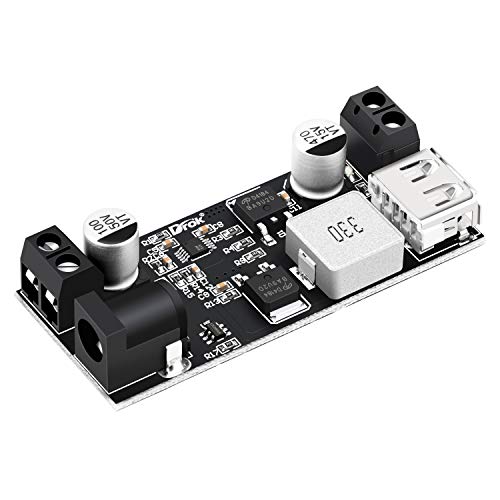
DROK Buck Converter 12v to 5v 5A USB Voltage Regulator

DROK 12V to 5V Waterproof DC Buck Converter 8-35V

Weewooday 2 Pieces DC Converter 12V to 5V 3A


PlusRoc Waterproof DC 12V/24V to 5V 3A USB-C Converter
More Details On Our Top Picks
Car-accessory wiring often gets crowded fast, and this little buck module keeps the footprint small while still giving you a USB output. The built-in chip protection is the part that matters most in a tight dash or hobby box, because overvoltage, overcurrent, heat, and short-circuit stress are common annoyances in mixed DIY setups.
The honest read is that this suits simple, single-device jobs better than more demanding rigs. Compared with the two-pack and the higher-current options later in the list, it feels like the tidy, no-frills choice for someone who wants one board and one clean output.
Strong Points
- USB output keeps small builds straightforward.
- High stated conversion efficiency helps limit wasted energy.
- Built-in protection supports peace of mind in cars and benches.
- Small module size makes routing easier in cramped enclosures.
Things To Consider
- Single-piece packaging makes it less flexible for spare projects.
- Plain module styling gives you less enclosure protection than sealed picks.
- Best fit stays around modest USB loads rather than heavier equipment.
Feature Snapshot
Who It Suits Best
DIY tinkerers building a compact 12V-to-USB setup for a car, dash accessory, or small bench project will get the most from it.
Where A Sibling Pick Shines
Weewooday 2 Pieces DC Converter 12V to 5V 3A is a better fit for someone who wants a spare board or a second small project running at the same time.
Waterproof sealing changes the story here, because this pick makes more sense where dust, moisture, or splash exposure are part of daily use. The aluminum case also suits installs that need a sturdier shell than the bare module style used by the Weewooday options above.
You get a 5V, 3A, 15W output with a 6.3V to 22V input window, so it fits a wider spread of vehicle power sources than a plain 12V-only board. For someone mounting gear in a truck cab, camper, or outdoor project box, that extra range is the practical advantage.
What We Like
- Sealed design helps it fit exposed locations better.
- Aluminum housing supports better heat spread than soft shells.
- Input range covers more than a narrow 12V source.
- Stated 3A output works for many small accessories.
Softer Spots
- It is still a compact regulator, so large loads call for a heavier option.
- Sealed construction can make visual inspection less convenient.
- Bulkier housing may matter in very tight hidden spaces.
Core Details
Who Should Grab It
Vehicle owners and outdoor installers who want a sealed 12V-to-5V supply for smaller electronics will find the fit strongest here.
A Better Fit Elsewhere
DROK 12V to 5V Waterproof DC Buck Converter 8-35V suits someone who wants a similar sealed style with a broader 8V to 35V input window.
The three-pack angle gives this Weewooday bundle a clear job: keeping a few small projects moving without forcing you to restock each time. In a garage, on a test bench, or in a hobby enclosure, that extra quantity matters just as much as the 12V-to-5V conversion itself.
Like the single-module Weewooday pick, it leans on a compact buck design, meaning a step-down circuit that trims voltage to a lower level efficiently. The trade-off is simple, though, because you are getting quantity rather than added enclosure protection or a more elaborate housing.
Highlights
- Three modules support multiple builds or backups.
- 96% stated conversion rate is appealing for light-duty electronics.
- 3A maximum output covers many compact USB-style loads.
- No-load current is listed, which helps with planning low-draw projects.
Room For Improvement
- Wire-interface style asks for more careful mounting and spacing.
- Open-module format needs a protected location for best longevity.
- Best suited to small jobs, not heavier shared power needs.
Details At A Glance
Made For
Small electronics projects, repair benches, and anyone who wants a few spare converters on hand will get the most value from this bundle.
Skip It When
DROK Buck Converter 12v to 5v 5A USB Voltage Regulator is a better fit for a single device that needs more current headroom than a typical 3A module.
This DROK module stands apart because it stretches beyond the narrower 12V-only lane and accepts 9V to 36V input. That wider input range makes it easier to use in mixed electrical setups, especially where a stable 5V USB supply has to come from different source voltages.
The 5A output spec puts it above the 3A picks earlier in the list, so it suits more demanding USB-powered gear or situations where a little extra current headroom is helpful. The trade-off is that this is more converter than the tiny bare modules, so it makes more sense in a planned enclosure than in a cramped last-minute install.
Upsides
- 5A output leaves more room for hungry accessories.
- 9V to 36V input span supports broader source compatibility.
- Selectable 5V to 5.3V output range can help with device matching.
- Useful for setups where one converter must do more work.
Small Caveats
- Higher capacity usually means a larger installation footprint.
- Voltage range flexibility asks for a little more setup attention.
- Best results come from tidy mounting and decent airflow.
Technical Sheet
The Right Fit
DIY installs, electronics projects, and vehicle setups that need a stronger 5V supply without moving to a huge power supply will suit this pick well.
Another Choice May Suit
DC 12V 24V to 5V 10A Power Converter is a better fit for larger loads and users who want even more current headroom.
Compared with the earlier waterproof DORHEA unit, this DROK version gives you a broader 8V to 35V input range, which is the kind of flexibility that helps in mixed automotive and DIY installs. The sealed housing also makes it a sensible choice where dust, damp air, or occasional spray are part of the environment.
It keeps the output at 5V, 3A, 15W, so the appeal is not raw muscle, but practical enclosure design and wider source compatibility. In a boat console, a workshop cabinet, or a weather-exposed project box, that balance makes sense.
Bright Spots
- Waterproof style helps in exposed locations.
- 8V to 35V input range covers many supply scenarios.
- Compact regulator format still keeps installation manageable.
- 3A output fits plenty of light electronics.
Areas To Watch
- Sealed design is less convenient for quick inspection or rework.
- 3A limit keeps it in the light-duty lane.
- As with most sealed modules, mounting space matters.
Quick Facts
Built With In Mind
Anyone mounting a 5V accessory in a damp, dusty, or outdoor-adjacent space will appreciate the sealed design.
A Better Fit Elsewhere
PlusRoc Waterproof DC 12V/24V to 5V 3A Buck Converter is the better call for Raspberry Pi 4 users who want USB-C output alongside a sealed enclosure.
This two-piece bundle feels aimed at practical people, the sort who keep a spare converter in the parts bin because projects have a habit of multiplying. It keeps the same 12V to 5V, 3A, 15W shape as the single-module Weewooday pick, but the second unit changes the math for anyone managing more than one install.
The double USB interface is the useful detail here, since it lets you power two devices from one converter rather than splitting your setup across separate boards. The catch is that you still want to stay within the 3A ceiling, because dual ports do not create extra power out of thin air.
Reasons To Buy
- Two modules make spares and side projects easier to handle.
- Dual USB ports suit simple two-device setups.
- Compact design works well in modest enclosures.
- Stated 96% conversion rate supports efficient everyday use.
Points To Note
- Dual ports still share the same overall output limit.
- Open-module style wants a protected mount point.
- Best for light electronics rather than power-thirsty devices.
Feature Rundown
Whose Shelf It Belongs On
Anyone who keeps one converter for a project and another as a spare will see the value in this bundle.
Look Elsewhere When
DROK 12V to 5V Converter Waterproof DC Buck Converter 8-35V is the more sensible match for a wet or dusty install.
Once your setup moves past small USB gadgets, the extra current here starts to matter. This converter turns 12V or 24V input into a stable 5V, 10A output, which gives you far more room than the 3A and 5A picks above for larger accessories or multi-device power plans.
For workshops, custom panels, and bigger vehicle installs, that higher ceiling is the whole point. The trade-off is straightforward, because more capacity usually comes with a stronger need for careful wiring, sensible heat management, and enough room to mount the module properly.
Best Bits
- 10A output gives serious headroom for larger 5V loads.
- Works from both 12V and 24V inputs.
- Stable output suits setups that dislike voltage drift.
- Good fit for more demanding control or accessory boards.
Honest Caveats
- Higher power use makes layout and airflow more important.
- Probably more converter than a tiny single-device job needs.
- Installation takes more planning than the compact USB modules.
Spec Overview
Made For
Custom dashboards, larger accessory arrays, and hobby systems that need more 5V current will benefit most from this converter.
Not Your Match When
Weewooday 1 Piece 12v to 5v Dc Converter Buck Module is the easier fit for a simple, compact USB task in a tight space.
USB-C output gives this PlusRoc model a more current-gen feel than the older USB-only boards, and that matters when your target gear expects a newer connector shape. The sealed enclosure keeps it in the same general lane as the waterproof DROK pick, but the USB-C port and Raspberry Pi 4 mention make the fit more obvious for modern hobby hardware.
Stable 5V at 3A keeps it in the familiar light-duty range, so the appeal is not sheer output size. Instead, you get a tidy combination of waterproof housing, multi-protection, and a port style that suits current USB accessories without extra adapters hanging off the side.
Positives
- USB-C output suits newer accessories and single-board computers.
- Waterproof sealed enclosure works well in exposed locations.
- Multi-protection support adds confidence for routine use.
- 12V and 24V input make it adaptable in vehicle projects.
Trade Offs
- 3A output keeps it in the small-device category.
- Sealed body can make quick inspection less convenient.
- Best sense comes in modern USB-C setups, not legacy-only gear.
Core Details
The Right Fit
Raspberry Pi 4 projects, modern USB-C accessories, and vehicle installs that need a sealed 5V source will appreciate this model most.
Where Another Pick Suits Better
DROK Buck Converter 12v to 5v 5A USB Voltage Regulator is the smarter move for someone who needs more current than 3A provides.
How To Choose The Right 12 To 5v Converter
Match The Input Range To Your Source
Your source voltage is the first thing to check because it decides whether the converter can actually work in your setup. A plain 12V board suits a simple car circuit, while a wider input range such as 6.3V to 22V or 8V to 35V gives you more room in mixed vehicle or bench power situations.
The trade-off is easy to miss, because a wider input window often costs more and can bring a slightly larger shell. For a hobby desk, that may not matter much; for a hidden dash install, size and mounting space matter a lot.
Set Your Output Needs Honestly
Output current tells you how much load the converter can support, and that number should be based on the device you plan to power, not wishful thinking. A 3A module suits small USB accessories, while 5A and 10A options make more sense for heavier devices or multiple outputs.
Think in terms of ownership, not lab specs. A Raspberry Pi, a dash accessory, or a phone charger has very different needs from a larger control panel, and matching the current headroom now usually saves frustration later.
Pick The Right Enclosure Style
Bare boards are easy to fit into tight spots, but they want a protected enclosure and careful placement. Waterproof or sealed modules bring extra peace of mind in damp, dusty, or outdoor-adjacent spaces, though they can be less convenient to inspect once installed.
Aluminum cases often feel sturdier, while compact exposed modules give you more flexibility in cramped spaces. The best choice depends on whether you care more about simple routing or a tougher shell.
Think About Ports, Quantity, And Future Use
USB output keeps things simple, and USB-C is the cleaner fit for newer gear. Dual USB or multi-pack options help when you want to power two devices or keep spares ready, which is handy in garages, vans, and hobby benches.
That kind of planning matters because these converters tend to be small parts that solve big annoyances. The right one feels almost invisible after installation, which is exactly what you want.
Things Worth Knowing First
Common Shopping Slip Ups
One common mistake is matching only the input voltage and ignoring output current. Another is putting a bare module in a damp or dusty spot and expecting it to behave like a sealed unit.
You also want to check the connector style before you commit, because USB, dual USB, and USB-C are not interchangeable in real use. A small mismatch here can turn a neat setup into a pile of adapters.
The Upgrade Payoff
Higher-tier converters usually cost more because they support broader input ranges, higher current, or tougher housings. That extra cost often goes toward a sturdier case, better heat handling, or a connector style that fits newer gear.
The upgrade makes sense when your project runs longer, sits in a harsher space, or powers devices that dislike voltage sag. For a simple one-device setup, a basic 3A module is often enough.
Frequently Asked Questions
What Does A 12 To 5v Converter Do?
It steps higher DC voltage down to a stable 5V output. That lets you run USB-style accessories from a 12V or similar source.
Do You Need Waterproof Housing For Car Use?
Not every car install needs it, but exposed or moisture-prone spots benefit from a sealed shell. A tucked-away interior mount can often use a plain module instead.
Is 3A Enough For Most Small Devices?
For many compact accessories, yes, 3A is enough. Larger loads or multiple devices usually call for 5A or 10A headroom.
What Is A Buck Converter?
A buck converter is a step-down circuit that lowers voltage efficiently. It is the standard design for turning 12V into 5V in compact electronics.
Why Would You Choose USB-C Over USB-A?
USB-C is a better fit for newer gear and many modern hobby boards. USB-A still works fine for older accessories and simple charging setups.
Closing Thoughts
The right 12 To 5v Converter depends less on flashy output numbers and more on how you plan to mount and use it. A small bare module suits tidy indoor projects, a sealed model makes more sense near moisture or dust, and the higher-current picks serve heavier 5V loads. Choose the option that fits your space, your device, and your wiring comfort, and the setup will feel much less fussy.
