

Choosing a 110 to 12 volt converter gets easier once you match the output to the device, the wiring length, and the place you plan to use it. A small car gadget at home calls for a very different setup than a tire inflator, heater, or laptop in a vehicle. The list below focuses on wattage, port layout, and the kind of day-to-day use each option handles best.
The Shortlist At A Glance

Pro Chaser 400W Vehicle Power Inverter, USB-A, PD 65W USB-C, Dual AC
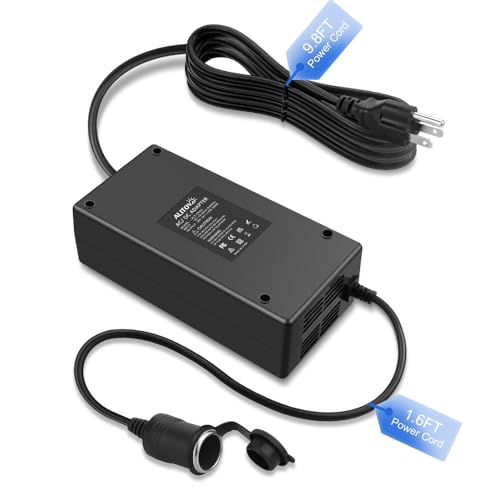
ALITOVE AC to DC Converter 110V to 12V 30A 360W Pro Max

IMAYCC 12V Power Supply, 110V to 12V DC Converter 600W 50A
LBSC Car Cigarette Lighter Adapter 110V-240V to 12V 2A 24W

Ohleats AC to DC Converter 100-240V to 12V 2A 24W

DOBVDLA AC to DC Converter 12V 15A 180W Power Supply Adapter

Gicle AC to DC Converter AC/DC 12V 15A 180W Power Supply Adapter
More Details On Our Top Picks
The Pro Chaser unit leans toward people who need more than a bare-bones plug adapter. Its dual AC outlets, USB-A QC 18W port, and USB-C PD 65W port make it useful in a car, on a road trip, or at a worksite where several devices need different inputs.
With 400 watts of continuous output and 800 watts of peak capacity, it sits well above the small 24W converters in this list. The trade-off is size and heat load, so it makes more sense for active travel use than for tiny accessories that barely sip power.
Reasons To Buy
- Dual AC outlets let you run two plug-in devices at once.
- USB-C PD 65W suits modern laptops and fast-charging gear.
- USB-A QC 18W keeps older phones and accessories covered.
- 400W continuous output handles far more than a basic car gadget.
- The wider port mix helps you pack fewer chargers on the road.
Areas To Watch
- It makes more sense for travel gear than for tiny household devices.
- Higher output usually brings more heat, so placement matters.
- The extra feature set adds complexity compared with simpler converters.
Feature Rundown
Who It Suits Best
Travelers, commuters, and mobile workers who carry a laptop plus smaller electronics will get the most out of it.
A Better Fit Elsewhere
ALITOVE AC to DC Converter 110V to 12V 30A 360W Pro Max suits you better when your goal is powering 12V equipment from household current rather than converting car power for electronics.
This ALITOVE converter is built around household-to-12V use, not car-to-AC conversion. The 11-foot cord gives you room to place the device where it’s convenient, which helps in garages, utility rooms, or kitchen setups that need a little distance from the wall outlet.
The 30A, 360W rating gives it serious headroom for equipment that pulls more current than a small fan or phone charger. That said, it makes less sense for casual travel use, and the cigarette lighter style output points it toward dedicated 12V gear instead of general charging.
What We Like
- High current capacity suits demanding 12V equipment.
- Long 11-foot lead helps with flexible placement.
- The cigarette lighter socket format matches many car accessories.
- Household AC input makes it useful for indoor setups.
Small Caveats
- Its role is narrow, so it is not a general charging hub.
- The cable length helps placement, but it can add clutter in tight spaces.
- Heavy-duty gear like this usually deserves careful ventilation around the unit.
Core Details
Made For
Home tinkerers and garage setups that power larger 12V tools or accessories from wall current will get the best match here.
Where A Sibling Pick Shines
Pro Chaser 400W Vehicle Power Inverter, USB-A, PD 65W USB-C, Dual AC is a better fit for mobile charging and laptop use inside a vehicle.
IMAYCC pushes far beyond the small 2A options in this roundup, so the first thing that stands out is current capacity. A 600W, 50A supply suits higher-draw 12V equipment, especially diesel heater setups that need a more serious power source than a tiny adapter can offer.
The honest read is that this unit sits in a specialist lane. It fits fixed or semi-fixed installations better than casual desk use, and the stronger output usually means you need to think more carefully about the load, the wiring, and where the adapter will live.
Positives
- 50A output gives plenty of room for heavier 12V loads.
- 600W capacity suits gear that outgrows basic household adapters.
- It is a strong match for diesel heater power needs.
- Higher headroom can help avoid strain from startup draw.
- The format suits users who already know the device they need to power.
Points To Note
- This is more specialized than the simpler converters in the list.
- Setup deserves care, since high current equipment usually rewards tidy wiring.
- It is not the neatest fit for tiny accessories or casual charging.
Spec Overview
Best Suited To
You are the right fit for this model when your setup revolves around a diesel heater or another serious 12V load.
Skip It When
Ohleats AC to DC Converter 100-240V to 12V 2A 24W is a better match for lighter household devices that need a simpler, quieter adapter.
LBSC keeps things simple, and that simplicity is the point. With a 12V, 2A, 24W output, it works best for modest car accessories at home, such as a purifier, humidifier, Bluetooth gadget, or a camping shower with restrained power needs.
Compared with the stronger ALITOVE and IMAYCC options, this one is much more about light duty than muscle. The trade-off is obvious, yet that also makes it easier to slot into small setups where you just want a tidy wall-to-12V adapter and nothing extra.
Bright Spots
- Low-power design fits small accessories neatly.
- The 110V to 240V input range gives flexible household compatibility.
- Its compact role makes storage and setup straightforward.
- Good for home use with car-style electronics.
Worth Noting
- 2A output limits it to lighter devices.
- It is not the right match for inflators or heavy loads.
- Small adapters like this still benefit from clear airflow during use.
Details At A Glance
Whose Shelf It Belongs On
You will like this most for small indoor car gadgets that need a plain, space-saving power bridge.
Another Choice May Suit
Pro Chaser 400W Vehicle Power Inverter, USB-A, PD 65W USB-C, Dual AC suits commuters who want charging flexibility for laptops and phones on the move.
Ohleats keeps the same modest 24W class as the LBSC unit, but the pitch here is quieter operation and steady everyday utility. The thermal-sensor-controlled heat sink helps manage warmth, which matters for enclosed spaces, desk corners, or any setup where you would rather not hear extra fan noise.
That makes it a nice fit for light 12V devices that stay close to their rated load. It is not built for bulky inflators or refrigerator-style gear, yet for ordinary car accessories, the restrained design feels sensible rather than bare.
Upsides
- Quiet cooling suits bedrooms, offices, and calm work areas.
- The thermal sensor adds a more attentive cooling setup.
- 100V to 240V input keeps it versatile for home outlets.
- 24W output fits light car accessories without extra bulk.
Trade Offs
- It is limited to low-power accessories.
- Bulkier 12V devices need a stronger adapter.
- Like most compact converters, it should be kept clear of clutter around the vent area.
Core Details
Who Will Love This
You are the best fit here when you want a quiet, low-power adapter for simple car accessories at home.
Consider Something Else When
DOBVDLA AC to DC Converter 12V 15A 180W Power Supply Adapter is the smarter step up for gear that asks for more current and broader device support.
DOBVDLA lands in the middle of the pack in a useful way. The 12V, 15A, 180W rating gives it more muscle than the 2A models, while the cigarette lighter socket format keeps it familiar for common vehicle accessories.
It also adds overload and short-circuit protection, which is the sort of detail that matters once you start using a converter regularly in a garage or workshop. The catch is that it still isn’t meant for portable battery packs, so the fit stays narrow despite the nicer protection features.
Best Bits
- 15A output gives more room than light-duty adapters.
- 180W capacity fits a broad set of 12V accessories.
- Overload and short-circuit protection add useful peace of mind.
- Wide AC input range helps with household compatibility.
Minor Gripes
- It is not intended for portable battery packs.
- As with any mid-power adapter, airflow and clean placement help it stay dependable.
- The cigarette lighter format is familiar, but not every device will use it directly.
Feature Snapshot
The Right Fit
You are looking at the right option for mid-demand 12V equipment, especially in a home garage or workshop setup.
Reach For A Different Pick When
IMAYCC 12V Power Supply, 110V to 12V DC Converter 600W 50A is the better move for diesel heater projects and heavier current demands.
Gicle follows the same 12V, 15A, 180W lane as DOBVDLA, but its product framing points more directly toward tire inflators, car refrigerators, and paddle board pumps. That makes it easy to place mentally, because you know right away the sort of gear it is meant to support.
The straightforward design will suit people who want a no-nonsense wall-to-vehicle-style adapter for recurring household use. Nothing here feels flashy, and that’s part of the appeal for utility gear that needs to sit in a garage shelf or trunk kit without drama.
Strong Points
- 15A output supports several common 12V accessories.
- 180W capacity gives useful breathing room for midrange gear.
- The device focus is clear, which helps with quick selection.
- Good fit for storage in a garage kit or travel bin.
Honest Caveats
- Its strength is utility, not broad feature depth.
- It is better for named accessory types than for general-purpose charging.
- As with similar converters, tidy cable routing makes day-to-day use easier.
Quick Facts
Who Should Grab It
You will appreciate this most when your regular use case revolves around inflators, portable coolers, or similar 12V gear.
Where A Sibling Pick Shines
LBSC Car Cigarette Lighter Adapter 110V-240V to 12V 2A 24W is a better fit for lighter, lower-power household accessories.
How To Choose The Right 110 To 12 Volt Converter
Start With The Device, Not The Adapter
Your first job is matching the converter to the equipment you plan to power. A 2A, 24W unit fits small accessories, while inflators, heaters, and coolers usually need far more headroom.
That difference matters because underpowered gear can struggle at startup or simply fall short once running. A little margin is healthier than forcing a converter to live at its limit.
Check The Input, Output, And Connector Type
Some models convert wall current into 12V output for indoor use, while others turn 12V vehicle power into AC for travel charging. Those are different jobs, so the wording on the listing needs a close look.
Connector style matters too. Cigarette lighter sockets suit many car accessories, but USB-C PD, USB-A, or dual AC outlets open the door to a wider mix of electronics.
Match Wattage To Real-World Use
Wattage is the rough ceiling for how much power the unit can support. A laptop-friendly inverter like the Pro Chaser sits in a much higher class than the light-duty LBSC or Ohleats converters.
For garage tools and heater setups, current rating is just as important as wattage. Higher amperage gives the device more room to work without feeling strained.
Plan For Heat, Space, And Cable Length
More powerful converters usually need better airflow, and that is worth respecting during setup. A thermal sensor, heat sink, or overload protection can help, but placement still matters in tight spaces.
Cable length changes how tidy the setup feels. An 11-foot lead gives flexibility, while a short lead keeps a small desk or shelf arrangement cleaner.
Things Worth Knowing First
Wrong Turns To Avoid
One common mistake is choosing output that is far below the load. Another is assuming a car-style socket means every accessory will behave the same way, which is rarely true.
It also helps to avoid stuffing a converter into a cramped spot with no airflow. Heat buildup can become a nuisance long before the rest of the setup fails.
When Paying More Pays Off
Higher-tier models usually cost more because they handle more current, add more ports, or include better protection. That extra headroom matters for laptops, inflators, heaters, and other equipment that asks for a steadier supply.
The upgrade makes sense when the converter is part of a regular routine, not a once-a-year backup. For casual accessory use, a lighter model often does the job without extra complexity.
Frequently Asked Questions
What size converter do you need for a car fridge?
You usually want more than a tiny 24W adapter for that job. A midrange or higher-output converter is the safer place to start.
Can a 110 to 12 volt converter run a laptop?
A plain 12V adapter usually cannot, but a vehicle inverter with AC outlets can. The Pro Chaser model in this list is the more relevant type.
Are cigarette lighter sockets useful at home?
Yes, especially for car accessories that already use that plug style. They make indoor use feel familiar and simple.
Why does amperage matter so much?
Amperage tells you how much current the converter can supply. Higher numbers usually help with equipment that draws more power at startup or during steady use.
What is the safest way to choose between two similar models?
Start with the device you need to power, then compare wattage, current, and connector type. The better match is the one that fits the load without forcing compromises.
Closing Thoughts
The right 110 to 12 volt converter depends less on brand name and more on how hard your gear works. A compact 24W model suits light accessories, while a 180W, 360W, or 600W unit belongs in a more demanding setup. For travel charging, the Pro Chaser stands apart; for household 12V gear, the ALITOVE and IMAYCC options make more sense. Match the converter to the job, and the whole setup feels calmer from day one.
