

Home backup power gets a lot easier to judge once you stop looking at wattage alone and start matching capacity, output, and setup style to your routine. A family that wants to keep lights, Wi-Fi, and a fridge running through an outage needs a very different setup from someone who just wants a compact station for a van, workshop, or weekend cabin. This roundup focuses on those real-world splits, so you can narrow the field without wading through spec noise.
Quick Look At The Shortlist

Jackery HomePower 3000 2x200W Panels

Anker SOLIX F3800 400W Solar Panel

Daran Solar Generator 192Wh 300W

ECO-WORTHY 1200W 24V 5.52KWH Kit
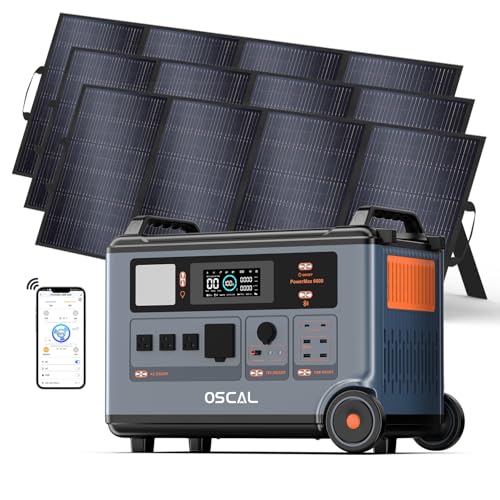
OSCAL PowerMax 6000 3x400W Solar Panel
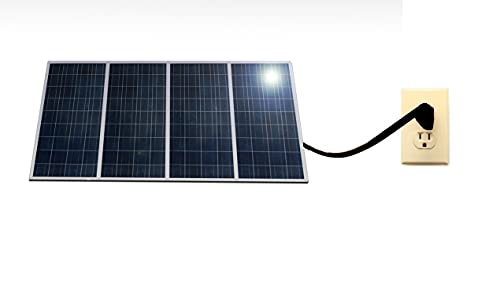
Plug and Play Solar Panel Power 800W
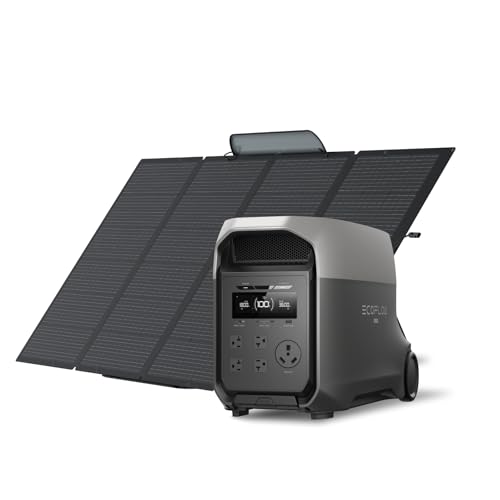
EF ECOFLOW Delta 3 Ultra 3072Wh

ECO-WORTHY 10KW Output 9.36KWH Kit

Portable Solar Generator 300W 296Wh
More Details On Our Top Picks
Jackery’s 3072Wh pack sits in the zone where you can think beyond phones and lamps, which matters during a real outage. The 3600W AC output and 7200W surge rating point toward heavier household loads, while the two 200W panels make the kit feel more complete from day one.
The LFP battery, a lithium iron phosphate cell type known for steady cycling, is a sensible fit for home backup use, especially when you want something that can live in a garage or utility room. It’s a strong match for households that want a simpler backup path than a full fixed system, though the size and output level are more than a casual weekend-camping setup needs.
Strong Points
- 3072Wh capacity gives you room for critical loads, not just charging small devices.
- 3600W AC output supports more demanding home appliances than entry-level stations.
- The 7200W surge rating helps with startup spikes from certain motors and compressors.
- Two 200W panels make the bundle feel ready for practical solar charging.
- LFP battery chemistry usually suits frequent use better than smaller lithium packs.
Things To Consider
- The footprint is better suited to a storage corner than a backpack or compact shelf.
- High-capacity gear usually asks for a bit more planning around placement and cable runs.
- More output means more hardware to keep organized, especially in shared utility areas.
Feature Snapshot
Who It Suits Best
You get the most from this setup when you want serious backup capacity for a house, workshop, or RV setup with real power needs.
A Better Fit Elsewhere
Anker SOLIX F3800 suits you better when dual-voltage flexibility matters more than Jackery’s simpler all-in-one backup layout.
Dual-voltage output is the key reason this unit stands apart, because 120V and 240V support can open up more home-use scenarios than a standard single-voltage station. With 3840Wh of storage and a 400W panel in the bundle, you’re looking at a setup that leans into heavy household duty rather than light portability.
The 6,000W output figure makes sense for larger loads, especially in a home where you want backup for more than just a few essentials. It feels closer to a serious utility reserve than a grab-and-go device, so the trade-off is size and cost of commitment, not flexibility.
What We Like
- Dual-voltage output broadens compatibility with more household equipment.
- 3840Wh storage gives you meaningful runtime for critical circuits.
- 6,000W output supports a more demanding backup plan.
- The included 400W solar panel helps round out the kit.
- LFP battery chemistry suits repeat use and long ownership cycles.
Points To Note
- It’s a large system, so storage and placement deserve real planning.
- Dual-voltage gear can involve more setup thought than smaller stations.
- The bundle makes most sense for homes that truly need its output range.
Technical Sheet
Who Should Grab It
You get the most value here when you want a backup system for a larger home, detached workshop, or serious emergency plan.
A Better Fit Elsewhere
Jackery HomePower 3000 2x200W Panels fits better for families that want a simpler step into high-capacity backup without dual-voltage complexity.
This one makes sense for smaller backup jobs, like keeping a phone, tablet, lamp, or router alive during a short outage. At 192Wh, the battery capacity is modest, which is exactly why it stays far more manageable than the larger Jackery or Anker units.
The 300W output and 600W surge rating keep the focus on basics, and the PD fast-charging support adds convenience for everyday device charging. It’s a practical fit for camping essentials, dorm-style use, or light emergency packing, though you’ll outgrow it quickly once you start asking for appliance-level power.
Highlights
- 192Wh capacity keeps the package small and easy to store.
- 300W output suits lighter electronic gear and simple backup needs.
- 600W surge rating gives a little room for brief startup demand.
- AC outlets make it easier to charge or run familiar household devices.
- PD fast charging helps with phones and compact electronics.
Areas To Watch
- The capacity is limited, so runtime stays focused on essentials.
- It’s not the right fit for appliance-heavy home backup.
- Owners often prefer a larger carrying bag or shelf space nearby for cables and the panel.
Core Details
Built With In Mind
You’ll like this best for travel bags, quick backup, and small-space setups where portability matters more than runtime.
Where A Sibling Pick Shines
Portable Solar Generator 300W 296Wh suits you better if you want more usable capacity while staying in the compact category.
Compared with the portable stations above, this ECO-WORTHY kit is aimed at fixed off-grid work, not casual mobility. The bundle combines six 195W panels, two 12.8V 280Ah lithium batteries, a 60A MPPT charge controller, and a 3000W pure sine wave inverter, so the whole setup is built around a system role.
MPPT, or maximum power point tracking, is the controller style that helps solar harvest stay efficient as sunlight shifts. That matters in cabins, sheds, and other places where you want a stable installation, although the trade-off is that you’re dealing with a real project rather than a box you just plug in.
Reasons To Buy
- The kit format gives you major building blocks in one package.
- Two lithium batteries add meaningful storage for off-grid living.
- The pure sine wave inverter is a better fit for sensitive electronics than rougher wave output.
- Six panels help make a fixed solar array more realistic.
- The 60A MPPT controller suits a more serious solar build.
Room For Improvement
- The system style asks for planning, mounting, and careful wiring.
- It makes more sense for a permanent space than a portable backup plan.
- Maintenance and clean installation matter more here than with a simple power station.
Feature Rundown
Whose Shelf It Belongs On
You fit this kit best when you’re building a cabin, workshop, or backup system with fixed equipment and room for installation.
Another Choice May Suit
Jackery HomePower 3000 2x200W Panels suits you better if you want a self-contained backup unit instead of a panel-and-component project.
Split-phase output is the headline here, and that matters because 120V/240V support can bring this closer to what many homes actually use. The 6000W AC rating, 9000W peak figure, and three 400W solar panels make the bundle feel built for serious backup rather than casual portability.
Compared with the Jackery and Anker picks, this one leans harder into higher-load home coverage and charging speed. The trade-off is that you’re moving into a bigger, more committed setup, so it suits homes that have the space and need for it.
Bright Spots
- 120V/240V split-phase output fits more household setups.
- 6000W AC output supports larger backup needs.
- 9000W peak headroom helps with startup surges.
- Three 400W panels create a substantial solar bundle.
- AC and solar charging figures point to flexible replenishment options.
Minor Gripes
- The larger format is better for homes than for tight storage areas.
- Higher-output systems usually call for more setup thought and cable management.
- It makes less sense for light, occasional use.
Details At A Glance
The Right Fit
You’ll appreciate this most for a house that needs a stronger solar backup plan with room for higher-demand circuits.
Swap It Out When
Anker SOLIX F3800 Portable Power Station and 400W Solar Panel suits you better when dual-voltage flexibility and brand ecosystem feel more important than OSCAL’s charging-heavy format.
Direct wall connection is the unusual bit here, and that gives this product a different feel from the power stations above. The 800W solar panels and 800W inverter point to a modest, easy-to-grasp setup that suits simple home power supplementation rather than full backup coverage.
For someone easing into solar, the appeal is clarity: fewer moving parts, less bulk, and a form factor that doesn’t ask for a big equipment corner. The catch is that this is still an 800W-class setup, so it belongs in the small-to-mid range of home use, not at the center of a whole-house plan.
Upsides
- The plug-in style feels approachable for basic solar use.
- 800W panels and inverter keep the scope easy to understand.
- The simple setup suits small spaces and light backup goals.
- It can make solar feel less intimidating for first-time installers.
Softer Spots
- The power range is modest compared with the larger systems in this roundup.
- It is a better fit for supplementation than full-house resilience.
- Depending on your wiring layout, placement may need a little care.
Quick Facts
Made For
You suit this best when you want a straightforward solar starter setup for modest home use.
Look Elsewhere When
Portable Solar Generator 300W 296Wh makes more sense if you want something easier to move between rooms, vehicles, or campsites.
Like the Jackery unit, this one sits in the 3072Wh class, which gives you a serious amount of stored power without moving into the heaviest fixed-system category. The 3600W output and 7200W surge rating make it feel ready for household backup, while the included 400W panel adds useful solar support.
The LFP battery is a smart fit for repeated home use, and the overall shape works well for people who want a portable power station that still feels substantial. Compared with the Anker F3800, this one reads as a more balanced all-round option, though the exact best fit still depends on whether you need dual-voltage output.
Positives
- 3072Wh capacity gives you room for meaningful backup.
- 3600W output handles more than just charging small devices.
- 7200W surge rating helps with short startup spikes.
- LFP battery chemistry supports repeated use with less fuss.
- The 400W solar panel helps keep the system useful off-grid.
Honest Caveats
- It still asks for thoughtful storage and cable organization.
- Portable does not mean tiny, so placement matters.
- You may find the setup more than you need for light emergency charging.
At A Glance
Who Will Love This
You’ll like this most if you want a high-capacity portable backup station for home, RV, or mixed-use storage.
Where A Sibling Pick Shines
Anker SOLIX F3800 Portable Power Station and 400W Solar Panel suits you better when dual-voltage support is the deciding factor.
This is the biggest fixed-install setup in the group, and the scale shows up immediately in the panel count, battery bank, and inverter rating. You’re getting 12 panels at 195W each, two 48V 100Ah lithium batteries, and a 10KW 120V/240V inverter, which points squarely at home-scale off-grid planning.
The UL references on the inverter and battery components matter because they help mark the kit as a more structured system rather than a loose collection of parts. That doesn’t make installation simple, though, and the honest read is that this fits people who are prepared for a real build rather than a weekend add-on.
Best Bits
- 10KW output supports a very serious home solar plan.
- 9.36KWH storage gives you a large reserve for fixed use.
- 12 panels create a major solar collection setup.
- The 120V/240V inverter broadens compatibility with household loads.
- The battery and inverter references make the kit feel well structured.
Small Caveats
- The system is better for installation-minded spaces than for portability.
- Setup effort is much higher than with a standalone power station.
- Maintenance and room planning matter a lot with this size of kit.
Core Details
Best Suited To
You fit this system best when you’re designing a serious off-grid home or large backup installation.
Reach For A Different Pick When
ECO-WORTHY 1200W 24V 5.52KWH Kit suits you better if you want a smaller project with less installation overhead.
This EnginStar bundle is built around portability, and that shows up in the 296Wh battery, 300W power station, and foldable 60W panel. It sits close to the Daran pick in scale, but the bundled panel and pure sine wave output make it feel more like a tidy travel kit than a bare power block.
Pure sine wave output means the inverter aims for cleaner AC power that suits many electronics more comfortably than rougher wave shapes. That matters for vans, camping, and light home backup, although the small capacity means you’ll want to treat it as a device charger and mini emergency reserve, not a full household system.
Standout Traits
- 296Wh capacity keeps the bundle portable and easy to move.
- Pure sine wave output is a thoughtful touch for electronics.
- The foldable 60W panel helps round out the kit.
- 300W output covers small backup and travel charging needs.
Worth Noting
- The runtime is modest, so it suits lighter use best.
- It’s a compact carry, but cable storage still matters.
- You’ll outgrow it fast in a room with larger appliances.
Spec Overview
Perfect Match For
You suit this best if you want a small solar-ready station for trips, vans, or light emergency storage.
Where Another Pick Suits Better
Daran Solar Generator 192Wh 300W suits you better when you want a similar compact profile with a slightly leaner setup.
How To Choose The Right Solar Powers For Home
Match Output To The Loads You Actually Run
The first thing to sort out is output, because watts tell you what a unit can support at one time. Small stations like the 300W Daran and 296Wh EnginStar make sense for charging devices and keeping a router alive, while 3600W and 6000W units move into fridge, tool, and heavier appliance territory. Capacity matters too, since watt-hours tell you how long stored power lasts, which is why a 3072Wh pack feels far more like home backup than a 192Wh or 296Wh unit.
Decide Between Portable And Fixed Layouts
Portable power stations are easier to move, store, and understand, especially in a garage or utility closet. Fixed kits like the ECO-WORTHY 1200W and 10KW systems ask for installation planning, but they also give you a more structured off-grid path with panels, controller, inverter, and batteries working together. That trade-off usually pays off in cabins, workshops, and homes where you want the system to stay put.
Look Closely At Battery Type And Voltage
LFP or LiFePO4 batteries are a strong fit for repeated home use because they’re built for frequent cycling rather than occasional emergency duty. Voltage also matters more than many people expect, since 120V/240V split-phase output can handle a broader range of household loads than a standard 120V-only setup. For a larger home, that difference can shape the whole shortlist.
Think About Charging Path And Storage Space
Solar input is only part of the story, because AC charging, panel size, and panel count affect how convenient the system feels after the purchase. A 400W panel bundle or three-panel setup is easier to live with than a twelve-panel kit, but the smaller bundle won’t feed the same scale of backup. Storage space, cable handling, and placement all deserve attention too, since a tidy setup usually gets used more often.
A Quick Reality Check
Common Shopping Slip Ups
A common mistake is treating wattage like the whole story and ignoring capacity, voltage, and panel count. Another is underestimating storage and cable space, which becomes annoying fast with higher-output units. You avoid most frustration by matching the system size to the room, circuit, or travel setup you actually have.
What The Higher Tier Buys
More expensive systems usually pay for bigger battery banks, higher output, dual-voltage support, and fuller solar bundles. That’s why the Anker and OSCAL class sit above the compact stations, while the ECO-WORTHY kits cost more in part because they turn solar into a build rather than a box. Paying up makes sense when you want a more complete backup plan and not just emergency charging.
Frequently Asked Questions
What size solar setup works for a home?
A small home backup setup can start around compact stations for devices and routers, but serious outage coverage usually calls for a much larger battery and output range. The right size depends on whether you need light emergency support or appliance-level backup.
Is portable backup enough for household use?
Portable stations work well for essentials, yet they are limited compared with a fixed solar system. For a fridge, lights, and longer runtime, a higher-capacity unit or full kit fits better.
What does LiFePO4 mean?
LiFePO4 is lithium iron phosphate, a battery type often chosen for steadier repeat use. It is common in solar gear because it fits regular charging and discharging better than smaller everyday packs.
Do panel bundles matter as much as battery size?
They matter because the panels shape how fast you can refill the battery from sunlight. A large battery with too little panel support can feel slow to recover after heavy use.
Should you choose split-phase output?
Split-phase output helps when your home uses both 120V and 240V loads. That matters more for larger houses and heavier equipment than for basic charging or small backup tasks.
Final Thoughts
You get the best result by matching solar size to the way you actually live, not to the biggest number on the page. Small portable stations solve travel and light backup neatly, while the large Jackery, Anker, OSCAL, and ECO-WORTHY systems step in when household continuity matters more. The middle ground can be the sweet spot for many homes, especially when storage space and setup simplicity still matter. Choose the system that fits your rooms, your loads, and your comfort with installation, and the whole setup feels much easier to live with.
