

Camping power has changed a lot, and the right setup now depends on how much you carry, how many devices you charge, and whether you want solar input or fuel-based backup. You may need a light packable unit for a weekend tent trip, or a larger station that can keep a fridge, lights, and phones going at camp or at home. This roundup keeps the focus on practical fit, not hype, so you can match capacity, output, and portability to the way you actually travel.
Quick Look At The Shortlist

Jackery Explorer 2000 v2 Portable Power Station 2042Wh 2200W AC Output

Anker SOLIX C200 DC Power Bank Station and 60W Solar Panel 192Wh Portable Power Station

Jackery Solar Generator 300 and 40W Solar Panel 292Wh 300W AC Outlet

Jackery HomePower 3600 Plus Portable Power Station with 2X 200W Solar Panels 3600W AC Output
BLAVOR Portable Power Station 1600W Peak 3200W Built-in Solar Panel 1024Wh LiFePO4 Battery
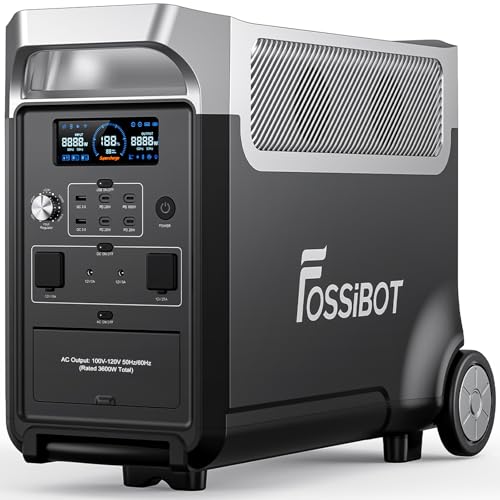
FOSSiBOT F3600 Portable Power Station 5x120V AC Output 3600W 3840Wh LiFePO4 Battery

Honda EB2200i 2200 Watt 120V Super Quiet Inverter Generator EB2200ITAN

Honda EU2200i 2200 Watt Inverter Generator EU2200ITAN
More Details On Our Top Picks
The big draw here is usable capacity, since 2042Wh gives you far more breathing room than a small weekend unit. For a long campsite stay, that means lights, phones, and a cooler-sized load can share space with less constant babysitting, though the trade-off is the heavier footprint that comes with a large battery.
LiFePO4, short for lithium iron phosphate, usually points to steadier long-term use than older battery chemistries, and the 2200W AC output gives you room for more demanding gear. The 100W USB-C PD port helps with modern laptops and tablets, while the optional solar-panel pairing makes the system more flexible for off-grid trips or outage prep.
Strong Points
- Large 2042Wh capacity suits multi-day camping or backup use.
- 2200W AC output opens the door to larger appliances and tools.
- 100W USB-C PD is useful for fast laptop charging.
- LiFePO4 chemistry is a strong match for repeated use over time.
Things To Consider
- The size makes it less suited to ultralight packing.
- Solar panels are optional, so you’ll need to plan that part separately.
- It makes more sense for base camp than for short grab-and-go trips.
Key Specs
Who It Suits Best
Campers who want a large, portable power station for extended stays or emergency-ready use will get the most from this one.
Where A Sibling Pick Shines
Jackery Solar Generator 300 and 40W Solar Panel suits lighter trips better, especially for hikers and weekend travelers who want less weight.
This setup leans small and tidy, which is exactly why it suits short camping trips and travel bags so well. The 192Wh battery is modest compared with the Jackery 2000 v2, but that smaller size usually pays off when you care more about easy carry than all-day power.
The included 60W solar panel adds a useful starter path for sunlight charging, and the LiFePO4 battery points to a more durable class of chemistry. You give up the roomy AC-style flexibility of larger stations, yet you get a neat package that fits light loads, small devices, and low-fuss outings.
Highlights
- Compact shape is easy to pack for travel.
- Included solar panel simplifies a basic off-grid setup.
- LiFePO4 battery suits repeat use over time.
- Good match for phones, lights, and smaller accessories.
Room For Improvement
- 192Wh leaves less headroom for larger appliances.
- Smaller systems like this need more careful load planning.
- The setup is less suited to long outage coverage.
Feature Snapshot
Who Should Grab It
Light packers and travelers who mainly need phone, light, and small-device charging will appreciate the size and simplicity.
Look Elsewhere When
Jackery Explorer 2000 v2 is the stronger fit for campers who need to run larger gear or want more runtime between charges.
At 7.5 pounds, this one is built for hauling, not just storing in the garage. That matters on a hike-in campsite or a road trip with tight packing space, and the integrated handle makes the carry feel much more natural than a boxy unit would.
The 300W rated output with 600W peak surge keeps it in the small-appliance and electronics lane, while the pure sine wave AC outlet is a cleaner fit for sensitive gear such as laptops and camera batteries. Compared with the Anker SOLIX C200, this Jackery gives you more traditional outlet variety, though it still sits well below the larger 2000-class stations for raw capacity.
Upsides
- 7.5-pound weight makes it easy to carry.
- Integrated handle keeps transport simple.
- Pure sine wave output suits sensitive electronics.
- Useful port mix for travel gear and small devices.
Softer Spots
- Small capacity limits longer off-grid use.
- 300W output keeps it in a lighter-duty class.
- The panel is modest, so charging expectations should stay realistic.
Core Details
Made For
Campers, hikers, and road-trippers who want a small power source for devices and short outings will find the fit strong.
A Better Fit Elsewhere
Anker SOLIX C200 DC Power Bank Station works better for shoppers who want a smaller, simpler charging kit with an included panel and less outlet demand.
This is the heavyweight in the Jackery group, and the 3584Wh battery plus 3600W output make that clear right away. For RV trips, larger cabins, or serious backup planning, that level of headroom can feel like carrying a whole wall socket in reserve.
The included 2 x 200W solar panels matter just as much as the battery, because they help shape a real charging setup instead of leaving you to build one piece by piece. The trade-off is plain, though: this is much less about portability and much more about stationary power support, especially compared with the Jackery Explorer 2000 v2 or the smaller travel units above it.
Reasons To Buy
- Large 3584Wh battery suits extended backup use.
- 3600W AC output supports more demanding equipment.
- Two included 200W solar panels add strong charging potential.
- Expandable design gives you room to scale later.
- Good fit for RV life and home emergency planning.
Minor Gripes
- The size is more utility-first than camp-friendly.
- Setup space matters more with a system this large.
- It makes more sense for base use than carry-around travel.
Details At A Glance
Built With In Mind
Home backup users, RV travelers, and off-grid campers with larger power needs will get the most value from this system.
Swap It Out When
Jackery Explorer 2000 v2 is the lighter fit for campers who still want serious capacity without moving into this much hardware.
The built-in solar panel is the headline here, because it simplifies the kind of setup that can otherwise feel fiddly at camp. You still get a 1024Wh LiFePO4 battery and 100W USB-C fast charging, so it sits in a useful middle ground for campers who want more than a tiny pack but less than a full home-backup rig.
With 1600W continuous output and 3200W peak output, this BLAVOR unit has more muscle than the smaller Jackery 300 class, though the exact load fit still depends on the gear you bring. It makes sense for campers who like straightforward hardware and do not want to piece together a separate panel on day one.
Bright Spots
- Built-in solar panel keeps the setup simple.
- 1024Wh capacity gives solid breathing room for camp electronics.
- 100W USB-C charging suits larger mobile devices.
- LiFePO4 battery is a practical fit for repeated trips.
Points To Note
- The built-in panel also means the unit is less modular.
- Portability is better than the large home-backup models, but it still has real heft.
- Gear planning matters, since peak output is not the same as continuous output.
Feature Rundown
Right Fit For
Campers who want a single-piece solar generator with a practical battery size and modern charging ports will feel at home here.
Another Choice May Suit
Anker SOLIX C200 DC Power Bank Station fits better for light packers who care more about small size than output headroom.
Five AC outlets and a 3600W output put this unit in serious power territory, especially for a campsite that also serves as a home overflow setup. The 3840Wh battery already gives it serious range, and the expandable design pushes it further for people who want room to grow instead of replacing the whole system later.
Compared with the Jackery HomePower 3600 Plus, this FOSSiBOT leans into outlet count and modular expansion rather than bundled solar panels. That makes it a sharper fit for custom off-grid builds, though it asks you to think more carefully about charging gear and space.
Best Bits
- Five AC outlets support more gear at once.
- 3600W output suits demanding camp or backup loads.
- 3840Wh capacity gives long runtime potential.
- Expandable design helps it scale with bigger setups.
Small Caveats
- The large format is not a casual carry.
- Expansion adds flexibility, but also adds planning.
- It makes more sense for a fixed camp base than for wandering travel.
Technical Sheet
The Right Fit
Campers building a larger solar power setup for RVs, cabins, or off-grid living will benefit most from this one.
Reach For A Different Pick When
Jackery Explorer 2000 v2 is easier to live with for campers who want strong capacity without stepping into a full-scale expansion path.
This is the gas-powered option in the group, so it speaks to campers who care more about refill speed and run time than battery charging. The 2200W inverter format gives you a familiar power profile for backup use, and the claimed 8.1-hour runtime gives it a practical edge for longer stretches away from a wall outlet.
Compared with the solar stations above, it trades silent battery convenience for fuel-based independence, which suits job sites and remote backup better than a quiet tent loop. The honest read is that this model makes sense when you want proven generator behavior and you do not mind handling gas as part of the routine.
What We Like
- 2200W inverter output handles a useful range of loads.
- Up to 8.1 hours of runtime helps with longer stretches.
- Good fit for backup power and job-site use.
- Compact enough for portable generator duty.
Trade Offs
- It needs fuel handling, unlike the battery stations.
- The camping experience is less quiet than a solar unit.
- Maintenance is part of the ownership routine.
Spec Overview
Whose Shelf It Belongs On
Campers and job-site users who want a fuel generator with quiet-ish inverter behavior and familiar 120V output will like this fit.
Another Choice May Suit
Honda EU2200i is the closer camping match for people who want the same brand focus with a more campsite-oriented portable profile.
This Honda leans toward quieter campsite behavior and a clean 120V inverter setup, which is why it still belongs in a solar-focused roundup. You sacrifice battery convenience, but you gain fuel-based flexibility for longer trips or home backup situations where charging access is limited.
For camping, that quieter profile matters more than many people expect, especially around neighbors in packed campgrounds. Compared with the EB2200i, this model is the more natural fit for relaxed camp use, while still staying useful for backup power at home.
Positives
- Quiet inverter format suits campground manners better than many fuel units.
- 2200W output covers a practical range of gear.
- 120V output makes it easy to plug into familiar equipment.
- Works well for both camping and backup use.
Areas To Watch
- It still requires gas, so it is not a solar setup.
- Fuel storage and routine upkeep are part of ownership.
- Battery-based stations stay simpler for indoor-style backup habits.
Feature Card
Made For
Campers who want a quieter fuel generator for campsite use and home backup will find this a practical fit.
Skip It When
Jackery Explorer 2000 v2 suits campers better when solar charging and battery-only operation matter more than fuel handling.
How To Choose The Right Solar Power Generators For Camping
Start With Your Power Needs
Battery capacity, usually shown in watt-hours, tells you how much energy the unit stores. Small weekend setups can live with far less than a family base camp, but the gap shows up fast once you start running lights, phones, fans, or a cooler. The Jackery Explorer 2000 v2 and Jackery HomePower 3600 Plus sit at the roomy end, while the Anker SOLIX C200 and Jackery Solar Generator 300 are better suited to lighter carry plans.
AC output matters just as much, because it tells you what the inverter can handle in real use. A 300W or 200W-style travel station is fine for electronics and small accessories, while 1600W, 2200W, or 3600W opens the door to more demanding gear. Match the output to the gear you truly pack, not the gear you hope you’ll bring someday.
Weight And Portability Change The Whole Trip
Camp power should fit the way you move, not just the way you power things. A 7.5-pound unit like the Jackery Solar Generator 300 feels very different from a 3584Wh station built for RVs or home backup, and that difference matters on trails, in packed trunks, and at narrow tent sites.
Built-in handles, panel bundles, and compact frames make day-to-day ownership easier. Bigger systems can still be excellent, but they make the most sense when the campsite stays put and the power demand stays high.
Solar Panels, Battery Type, And Charging Style
Some picks come with panels, some pair with them, and some are sold as the power station only. That affects both convenience and flexibility, because an included panel gets you started faster while a separate panel path lets you tailor the setup later. LiFePO4 batteries are common in this group because they suit repeated use and longer ownership better than older battery styles.
You’ll also want to look at port mix. USB-C PD is useful for newer laptops, while multiple AC outlets help when you want to plug in several devices without adapters everywhere. The honest read is that the best camping fit is usually the one that matches your charging habits, not just the largest number on the page.
Think About Camp Style, Not Just Specs
Weekend car campers can usually prioritize convenience and size. Extended off-grid stays, RV travel, and storm prep all point toward larger batteries and higher output, because the gear load grows quickly in those settings.
Fuel generators still belong in the conversation, especially for backup power and longer runtime without solar charging. Honda’s EB2200i and EU2200i make sense for campers who want that route, while battery stations feel calmer and easier for quiet campsites. Choose the power source that fits your routine, and the rest of the purchase gets a lot simpler.
Things Worth Knowing First
Mistakes Worth Dodging
Plenty of shoppers focus on battery size and overlook output. That usually leads to a unit that can store enough energy but still can’t run the gear you packed, which is a frustrating mismatch in a campground. Port count, charging speed, and panel compatibility deserve attention too.
Another common miss is forgetting how much space the setup will occupy once the panels, cables, and charging gear are added. A compact station can still become a bulky system in real life, especially with larger solar panels spread around a tent or RV pad.
The Upgrade Payoff
Higher-tier models cost more because they use larger batteries, stronger inverters, and more capable charging layouts. That extra spend often buys less recharge anxiety, better support for larger appliances, and fewer compromises during longer trips.
The upgrade makes sense for people who camp often, travel with family, or want one setup that can move from campsite to home backup. For lighter weekend use, a smaller station usually makes more sense than paying for headroom you’ll rarely touch.
Frequently Asked Questions
Can a solar generator run a cooler at camp?
Some larger stations can handle a cooler, but the exact fit depends on the cooler’s draw and startup load. Smaller travel units are usually better kept for phones, lights, and light electronics.
What does LiFePO4 mean?
LiFePO4 stands for lithium iron phosphate, a battery chemistry often used in newer portable power stations. It’s popular in this category because it suits repeated charging use well.
Do you need solar panels with every unit?
No, some models work as stand-alone battery stations and others include panels in the package. The right choice depends on how soon you want to start charging from sunlight.
Are fuel generators still useful for camping?
Yes, especially for longer stays or situations where solar charging access is limited. They’re less convenient for quiet campsites, but they still cover a useful power niche.
What size works for weekend camping?
For simple trips, smaller stations around the travel-sized range are often enough for phones, lights, and small devices. Larger setups make more sense once you add appliances, family use, or backup planning.
Closing Thoughts
The right camping power setup depends on how you travel, not on one universal number. A light weekend packer will probably prefer the Jackery Solar Generator 300 or Anker SOLIX C200, while a long-stay camper gets more value from the Explorer 2000 v2 or the larger HomePower 3600 Plus. Fuel models from Honda still matter for people who want longer runtime without solar dependence. Match the unit to your camp style, and the rest becomes much easier to live with.
