

Choosing solar panels gets easier once you match the panel to how you actually live. A foldable option suits camping and backup kits, while rigid bifacial panels make more sense for rooftops, vans, and long-term off-grid setups. The right fit depends on output, weather resistance, and how much space you can spare.
That’s the practical lens here: portable power for weekend travel, steady charging for battery banks, and larger arrays for homes or cabins. You’ll also see where each pick asks for a trade-off, because no panel does everything well.
Quick Look At Our Top Picks

Renogy 200W Portable Solar Panel Foldable Solar Charger

FlexSolar 100W Foldable Portable Solar Panel Charger

Callsun N-Type 16BB 400W Bifacial Solar Panel

Renogy 100W Solar Panel N-Type 12V 100 Watt

ECOBOSS 200 Watt TÜV Certification N-Type Solar Panel
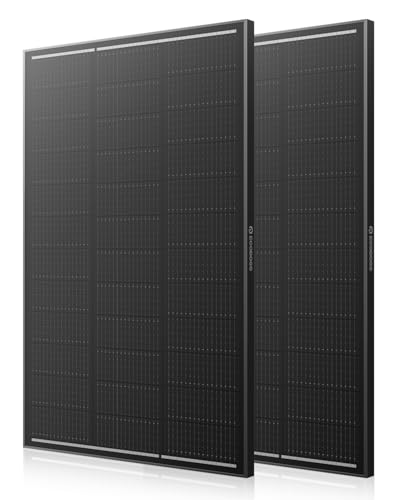
ECOBOSS 200W TÜV Certification Solar Panel 2PC 100 Watt

TWELSEAVAN 400W Portable Solar Panel for Power Station

Renogy 1180W Solar Panels 2pcs 590 Watt N-Type Bifacial Solar Panel

Renogy Solar Panels 100W 2PCS N-Type Solar Panel
More Details On Our Top Picks
Foldable panels usually live or die by setup ease, and this Renogy format leans practical with a kickstand and USB-A plus Type-C output. The IP65 rating points to dust protection and water resistance, which helps on damp campsites or in a garage during storm season.
You get a more travel-friendly shape than the rigid picks below, though the trade-off is that portable panels rarely feel as set-and-forget as roof mounts. For weekend campers, tailgaters, and RV owners who move often, that balance makes sense.
Strong Points
- Foldable design packs away cleanly for car trunks, storage bays, or a closet shelf.
- Kickstand support helps you angle the panel without much fuss at a campsite.
- USB-A and Type-C outputs add direct charging options for small gear.
- IP65 resistance is a useful buffer against weather exposure during outdoor use.
Points To Note
- Portable panels need more hands-on placement than a fixed rooftop setup.
- The foldable format takes up less space than rigid panels, but it still needs a dry storage spot.
- Direct device charging is handy, though battery stations remain the better hub for larger loads.
Feature Snapshot
Who It Suits Best
You’ll get the most out of this panel in an RV, car-camping, or emergency kit setup where portability matters more than permanent mounting.
A Better Fit Elsewhere
Renogy 100W Solar Panel N-Type 12V 100 Watt suits rooftop or trailer installs better, especially for you if you want a fixed panel with less day-to-day handling.
This FlexSolar pick stays focused on light travel and everyday emergency charging. The PD3.0 USB-C, QC3.0 USB-A, and DC ports matter because they let you top up phones, power banks, and compatible gear without dragging out a larger setup.
Compared with the Renogy 200W foldable above, this one feels more compact and easier to carry for short outings. The IP67 water resistance also gives you a bit more confidence around wet grass, splashy ground, or unpredictable weather.
What We Like
- Foldable form keeps the panel easy to pack in a day bag or vehicle bin.
- USB-C, USB-A, and DC ports cover several common charging needs.
- IP67 protection is a strong fit for damp outdoor conditions.
- It works well for smaller backup kits where space matters more than raw output.
Small Caveats
- 100 watts suits smaller jobs, so larger battery stations may need more panel area.
- Direct device charging is convenient, though cable management still matters in camp use.
Core Details
Who Should Grab It
This suits travelers, casual campers, and anyone building a small emergency kit around phones and compact battery banks.
Swap It Out When
TWELSEAVAN 400W Portable Solar Panel for Power Station fits better for RV users or anyone who wants much more charging headroom in a portable frame.
Higher-output systems start to matter fast once you run a fridge, lights, or a larger inverter setup. This Callsun pair is built around two 200-watt panels, N-type cells, and a bifacial layout, which means the rear side can also help gather light in the right conditions.
The anti-shade design is the practical hook here, especially for rooftops, van installs, or marine setups where some sectioning happens in real life. Compared with the smaller Renogy and FlexSolar picks, this one asks for more mounting space but returns a lot more charging potential.
Highlights
- Two-panel 400-watt setup suits more demanding battery banks and off-grid loads.
- Bifacial construction can add useful gain from reflected light around bright surfaces.
- Anti-shade layout helps the array stay more usable when part of it is blocked.
- Designed for 12V and 24V systems, which broadens system planning options.
Honest Caveats
- The larger footprint needs serious mounting room.
- Rooftop or fixed installation feels more appropriate than quick carry-around use.
- Cleaning and wiring matter more at this scale, so setup care pays off.
Technical Sheet
Built With In Mind
You’ll appreciate this most in an RV, van, boat, or home backup system where more output matters than portability.
Another Choice May Suit
Renogy 100W Solar Panel N-Type 12V 100 Watt is the easier call for smaller roofs, lighter builds, or simpler installs.
Fixed solar setups often work best when the panel is simple, durable, and easy to plan around. This Renogy 100-watt panel uses N-type 16BB cells, so you’re looking at a modern cell layout that suits RVs, trailers, boats, rooftops, and smaller off-grid systems.
Compared with the foldable Renogy 200W, this model is less about travel convenience and more about a stable mount. That makes it a cleaner fit for someone who wants a panel to sit in place and do its job quietly.
Upsides
- 100-watt size works well for compact battery systems.
- N-type 16BB cell design gives the panel a more current-focused build.
- Good fit for vehicles and structures that need a steady mounted panel.
- Smaller size usually makes positioning and wiring less awkward.
Areas To Watch
- Single-panel 100-watt output is better for smaller loads than for heavy daily use.
- Fixed-install style asks for proper mounting space.
- Maintenance is straightforward, though rooftop dust and debris still need regular attention.
At A Glance
The Right Fit
This suits you best for a compact vehicle setup, a small cabin, or a simple off-grid starter system.
Where A Sibling Pick Shines
Renogy Solar Panels 100W 2PCS N-Type Solar Panel suits a home or cabin setup better when you want two panels instead of one.
Some setups need a little more weather tolerance, and this ECOBOSS panel leans that way with its IP68 sealing and monocrystalline build. Monocrystalline means the cells come from a single silicon crystal structure, which is valued for compact, efficient panel design in space-conscious installs.
The 25.8% efficiency claim and 16BB layout point to a panel built for strong electrical performance in a 200-watt format. For RVs, vans, marine use, or emergency backup, that mix makes sense, though the fixed-panel format still asks for proper mounting space.
Bright Spots
- IP68 sealing gives you a stronger weather-resistance profile than many portable panels.
- 200-watt output fits moderate off-grid charging without jumping into a huge array.
- Monocrystalline construction supports a compact, efficient panel design.
- Works across RV, van, marine, and backup power setups.
Worth Noting
- Rigid-panel mounting takes more planning than a foldable kit.
- Cleaning matters, especially in marine or roadside environments where grime builds up.
Details At A Glance
Perfect Match For
You’ll like this best for a vehicle, boat, or backup system where weather resistance and a firmer build matter.
Look Elsewhere When
FlexSolar 100W Foldable Portable Solar Panel Charger suits light travel better, especially for commuters and campers who want a smaller carry load.
This ECOBOSS pair gives you a split 2-panel layout, which can be useful on rooftops or awkward mounting areas. The 100-watt-per-panel format means you can space them out more easily than a single larger sheet, and that flexibility matters in trailers, campers, and cabin builds.
Compared with the single 200-watt ECOBOSS panel, this version gives you more layout freedom, though you’ll handle two pieces instead of one. For split installs or starter systems that may grow later, that trade-off feels reasonable.
Reasons To Buy
- Two separate panels make placement easier in split mounting zones.
- 100-watt sections can simplify transport and handling.
- IP68 sealing supports outdoor and rooftop use.
- The 200-watt combined output suits modest off-grid storage needs.
Softer Spots
- Two pieces mean a little more wiring and planning.
- Storage takes a bit more coordination than a single-panel setup.
- Regular inspection of connectors helps keep split systems tidy over time.
Quick Facts
Who Will Love This
This fits you well if your mounting space is split across two zones or you want a modular setup for a camper, trailer, or small cabin.
Not Your Match When
Renogy 200W Portable Solar Panel Foldable Solar Charger is the easier path for travel-heavy use where you want one carryable panel instead of two rigid pieces.
For power-station owners who want serious portable output, this TWELSEAVAN panel lands in a useful middle ground between travel gear and larger fixed arrays. The ETFE surface, MC4 output, IP65 protection, solar angle guide, and four kickstands all point toward real campsite usability rather than just spec-sheet theater.
The honest read is that this is a larger, more involved portable panel, so it suits you best when the power target justifies the footprint. Compared with the Renogy 200W foldable, it gives you more output headroom, but it also asks for more setup space.
Standout Traits
- 400-watt output suits larger portable battery stations.
- ETFE outer layer is a practical choice for outdoor wear.
- Four kickstands help you set a better angle quickly.
- MC4 output fits many power-station and extension-cable setups.
- IP65 protection supports outdoor use in rougher conditions.
Minor Gripes
- The larger foldable format takes more room to store and carry.
- It feels most useful when paired with a power station that can actually use the extra output.
- Panel cleaning and folding discipline matter, especially after dusty trips.
Feature Rundown
Whose Shelf It Belongs On
This makes sense for RV owners, campers, and emergency-power setups that need a portable panel with real output.
Reach For A Different Pick When
FlexSolar 100W Foldable Portable Solar Panel Charger suits smaller bags, lighter trips, and less demanding charging jobs.
Large home and cabin systems need more than casual charging hardware, and this Renogy pair speaks that language clearly. Two 590-watt bifacial panels, N-type cells, and a monocrystalline build make it suited to rooftop arrays where you want serious output and a more permanent installation.
Compared with the 400-watt Callsun set, this option steps into much larger territory, so the gain is scale rather than portability. The trade-off is plain, you’re dealing with a substantial array that belongs on roofs, cabins, and other fixed spaces.
Best Bits
- 1180-watt combined output suits larger residential or cabin installations.
- Bifacial construction can make use of reflected light in the right setup.
- N-type monocrystalline design points to a more advanced panel architecture.
- Two-panel format works well for serious rooftop planning.
Room For Improvement
- The large footprint asks for careful roof planning.
- Install and maintenance work take more effort at this scale.
- It’s not the kind of panel you move around casually.
Core Details
Made For
You’ll get the most from this on a home roof, large cabin array, or serious off-grid system with room to spare.
Look Elsewhere When
Renogy 100W Solar Panel N-Type 12V 100 Watt is the easier fit for small RVs, trailers, or lighter backup use.
Two 100-watt panels are a sensible way to build a small off-grid system without jumping straight into a larger array. This Renogy set uses N-type 16BB cells and carries an IP67 rating, so it suits RVs, marine setups, rooftops, farms, trailers, cabins, and home backup work.
Compared with the single Renogy 100W panel earlier in the list, this pair gives you more layout flexibility and a bit more total output. That makes it a tidy starter option for you if your battery system is still growing.
Positives
- Two-panel layout gives you more placement options.
- 200-watt combined output works well for starter off-grid systems.
- N-type 16BB construction supports a modern cell design.
- IP67 resistance helps in outdoor and marine-style environments.
- The pair format can make staged installation easier.
Things To Consider
- Two panels mean a little more mounting and wiring work.
- Storage and transport take more planning than with a single panel.
Feature Card
Who It Belongs On
This fits you best for a beginner off-grid setup, a cabin, or a vehicle system that needs two manageable panels instead of one larger unit.
Where Another Pick Suits Better
Callsun N-Type 16BB 400W Bifacial Solar Panel suits larger RVs and more demanding electrical loads better, especially when you want stronger output in one system.
How To Choose The Right Solar Panels
Match Output To Real Use
Start with the load you actually plan to run. A phone charger and small power bank sit in a very different lane from a fridge, inverter, or cabin battery bank.
Portable 100-watt panels suit lighter needs, while 200 watts and above make more sense for regular backup or travel power. Larger arrays, such as the 400-watt and 1180-watt picks above, belong in systems that need steady daily charging.
Choose The Right Form Factor
Foldable panels are easier to move, store, and reset as the sun shifts. That helps campers, van owners, and anyone who doesn’t want permanent hardware on a roof.
Rigid panels are the better long-term fit for rooftops, cabins, and fixed off-grid builds. They usually ask for more installation effort, but they reward you with a cleaner permanent layout.
Pay Attention To Cell Type And Protection
N-type and 16BB cell layouts point to more modern panel construction. N-type refers to a cell design that’s often chosen for efficiency-focused builds, while 16BB means the cell uses sixteen busbars, the conductive lines that help move current through the panel.
Weather ratings matter just as much in real use. IP65, IP67, and IP68 help show how well a panel is sealed against dust and moisture, and that becomes important on rooftops, boats, campsites, and storm-prone storage areas.
Think About Mounting And Maintenance
Portable panels need space to unfold, store, and dry out after use. Rigid panels need proper mounting hardware, cleaner cable routing, and a little more long-term attention.
For most setups, the easier panel is the one that matches your habits. A neat array that fits your routine beats a larger panel that stays awkward to place.
Things Worth Knowing Before You Order
Hidden Buying Traps
One common mistake is chasing wattage without checking where the panel will actually sit. A large array can be a poor match for a compact roof or a crowded campsite.
Another miss is forgetting about connectors and charging paths. A panel that looks strong on paper still needs to pair cleanly with your power station, charge controller, or battery system.
The Upgrade Payoff
Higher-tier panels usually cost more because of cell design, sealing, mounting quality, and larger usable output. Bifacial construction, stronger weather resistance, and more advanced cell layouts all add material and engineering cost.
That extra spend makes sense when you depend on the system every day or need better performance in a fixed install. For occasional camping, a simpler foldable panel often gives you enough without overcommitting.
Frequently Asked Questions
What wattage works for a small camping setup?
100-watt panels often suit light charging, small battery banks, and weekend trips. A 200-watt panel gives you more breathing room for repeated use.
What does bifacial mean on solar panels?
Bifacial panels can gather light from both sides, with the rear side helping in the right setting. That works best near bright surfaces, reflective rooftops, or raised mounts.
Are foldable panels harder to maintain?
They need a bit more handling because you unfold, reposition, and store them often. Dry storage and careful folding help keep them in better shape over time.
Why do some panels use IP67 or IP68 ratings?
Those ratings describe stronger resistance to dust and water exposure. They matter most for outdoor installs, marine use, and rough weather conditions.
Do two smaller panels beat one large panel?
Two smaller panels can be easier to place across split roof sections or uneven mounting areas. A single large panel can be simpler for clean, uninterrupted space.
Closing Thoughts
The right solar panel comes down to where you’ll use it and how much power your setup actually needs. Portable picks work best for travel, rigid panels fit better for roofs and cabins, and larger arrays reward serious off-grid planning. The short version is simple: match the form, wattage, and weather protection to your routine, and the panel will feel much easier to live with. That’s the kind of choice that saves frustration later.
