

Running an RV air conditioner from solar takes more than a big battery. You need the right mix of inverter output, battery capacity, charging speed, and wiring that fits the way you travel, whether that means weekend stops, desert boondocking, or long hours with the cab windows closed.
Some of the picks below are air conditioners built for RV installs, while others are solar generator systems that can support off-grid cooling through the right setup. That mix matters, because you may be choosing between a direct replacement unit and a power source that keeps a separate AC system running.
Quick Look at the Shortlist
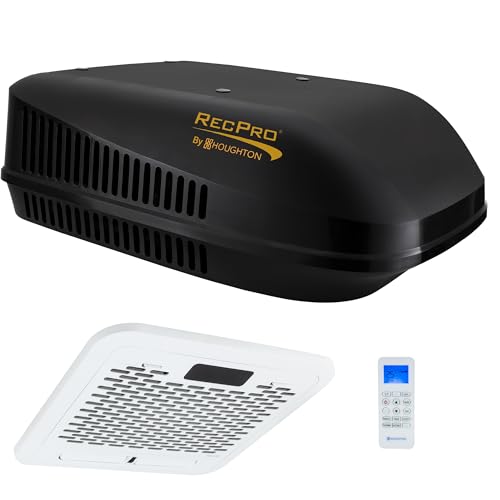
RecPro RV Ducted Black Air Conditioner 15K

RecPro 13.5K Non-Ducted RV Air Conditioner, White

AFERIY 3840Wh Portable Power Station, Expandable Solar Generator

outequip RV Air Conditioner, 12V 10000 BTU Rooftop

Jackery HomePower 3600 Plus Portable Power Station, 2X 200W Panels

RecPro 9.5K BTU Low Profile RV Black Air Conditioner
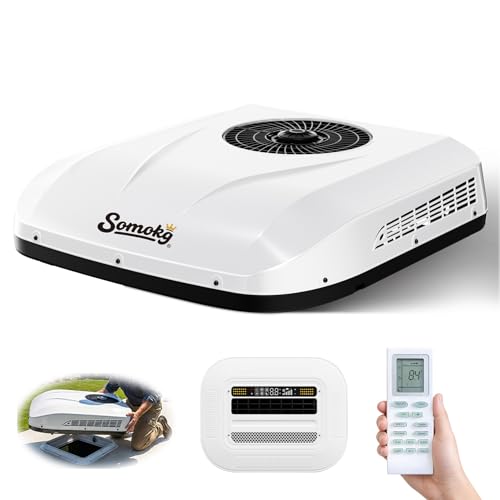
Somokg 12V RV Air Conditioner 11000 BTU
More Details On Our Top Picks
For RV travelers who spend real time in variable weather, this RecPro unit stands out because it combines ducted airflow with a built-in heat pump. That means your rig gets a more integrated feel than a plain cooling-only roof unit, especially on shoulder-season trips where mornings start cool and afternoons turn warm.
The 110 to 120V setup fits common shore-power situations, so it makes sense for parked RV life more than dry camping. The trade-off is obvious, though, since a hardwired, ducted system asks for more planning than a portable power station and AC combo like the AFERIY or Jackery picks.
Strong Points
- Ducted design spreads air through the coach more evenly.
- Built-in heat pump adds shoulder-season flexibility.
- Remote control keeps adjustments simple from the couch or bed.
- Black finish suits darker roof hardware and a cleaner look.
Things To Consider
- The 110 to 120V setup points more toward shore power than off-grid solar use.
- Ducted installs suit coaches already built for that layout.
- Routine upkeep matters, especially filter cleaning and checking roof seals around any rooftop unit.
Feature Rundown
Who It Suits Best
You get the most out of this RecPro model in a coach already set up for ducted airflow and regular campground power.
A Better Fit Elsewhere
Somokg 12V RV Air Conditioner 11000 BTU fits off-grid campers better, since its 12V battery-powered design speaks more directly to solar-minded travel.
This white RecPro model takes a simpler route than the ducted 15K unit above, because it’s built for non-ducted layouts and cooling-only use. That keeps the install logic cleaner for many older rigs and smaller campers, where you want less complexity and a more direct swap.
The 13,500 BTU output gives you a useful middle ground for warm-weather trips without jumping into a heavier all-season setup. One thing worth considering is that cooling-only design, since you’re trading away the heating flexibility that the first RecPro option offers.
What We Like
- Non-ducted format fits straightforward rooftop replacements.
- 13,500 BTU output suits many mid-size RV spaces.
- Wireless remote keeps control easy from inside the cabin.
- White housing blends well with common RV roofs.
Worth Noting
- Cooling-only construction leaves heating to a separate setup.
- Non-ducted fit means you need the right RV layout.
- Regular filter care and roof inspection help with long-term reliability.
Core Details
Who Will Love This
You fit this model best if your rig already uses a non-ducted opening and you mainly want dependable cooling.
Swap It Out When
RecPro RV Ducted Black Air Conditioner 15K makes more sense for coaches that already use ductwork and need heating support too.
This AFERIY unit shifts the conversation from air conditioner hardware to the power source that can support one. Its 3,840Wh battery capacity and 3,600W AC output make it a serious match for travelers who want solar-backed runtime for an RV AC setup rather than a rooftop replacement.
The expandable design is the real draw, because moving up to 11,520Wh gives you room to scale for longer stays or more demanding loads. The honest read is that this kind of system suits planning-minded setups, since the battery alone doesn’t tell the whole story and your solar input, inverter load, and wiring still need to line up.
Highlights
- Large starting capacity supports demanding off-grid use.
- Expandability gives you room to grow later.
- Five 120V AC outlets help with multi-device setups.
- LiFePO4 battery chemistry is known for long-cycle use in many portable power systems.
- Fast recharge timing suits travelers who move often.
Areas To Watch
- Solar AC support depends on the rest of your system, not just the power station.
- Large-capacity gear takes more storage and transport planning.
- For rooftop air conditioners, you still need matching connectors, panels, and load management.
Details At A Glance
Built With In Mind
You suit this AFERIY system best if you want a portable solar generator that can support RV cooling, emergency backup, or campsite power from one large unit.
Another Choice May Suit
Jackery HomePower 3600 Plus Portable Power Station, 2X 200W Panels works better for you if you want a bundled solar-panel setup instead of building out the array separately.
Compared with the RecPro units above, this outequip rooftop model leans toward a more universal 12V setup that can suit RVs, vans, trucks, campers, and even tractors. That broader vehicle list makes it appealing for mixed fleets or travelers who want one climate-control style across different builds.
The low-profile design helps keep the roofline less bulky, which matters in garages, under branches, and on rigs where height is always on your mind. You may find the all-in-one layout easier to plan around than a separate solar generator arrangement, although the 12V electrical side still needs a proper match to your vehicle system.
Upsides
- 12V operation suits many mobile power layouts.
- Low-profile body helps reduce rooftop bulk.
- Works across multiple vehicle types, not just RVs.
- Heating support adds flexibility beyond summer use.
Small Caveats
- Vehicle-to-vehicle fit can vary, so mounting space matters.
- Roof units usually need careful sealing and periodic inspection.
- The broader fit profile may mean more planning before install.
Technical Sheet
Whose Shelf It Belongs On
You fit this outequip unit best if your vehicle already runs on 12V and you want a rooftop solution with a smaller visual footprint.
Reach For A Different Pick When
RecPro 13.5K Non-Ducted RV Air Conditioner, White makes more sense for a classic RV rooftop swap that doesn’t need the same broad vehicle compatibility.
This Jackery bundle makes a stronger first impression than the bare power-station format because the two 200W solar panels are already part of the package. For RV cooling support, that matters a lot, since a paired kit removes some of the guesswork around matching your generator to a solar input path.
The 3,584Wh battery and 3,600W AC output place it squarely in the serious portable-power bracket, while the expandable design to 21kWh gives you a path for longer off-grid stays. The trade-off is size, cost of entry, and the fact that a bundled kit still demands sensible load management if you want to keep an RV air conditioner running for more than a short spell.
Reasons To Buy
- Two included solar panels simplify the starting setup.
- Large battery capacity supports backup and travel use.
- Expandable storage helps as your power needs grow.
- 3600W AC output gives useful room for demanding appliances.
- Home and RV use make it flexible for mixed households.
Points To Note
- The bundled format can take up more storage room.
- High-capacity systems reward careful cable and load planning.
- Long-term upkeep usually means keeping panels clean and connections tidy.
Feature Card
Perfect Match For
You suit this Jackery bundle best if you want a solar generator package that already includes panels and can pull double duty for home backup and RV use.
Look Elsewhere When
AFERIY 3840Wh Portable Power Station, Expandable Solar Generator fits better for you if you want a power station first and plan to choose solar panels separately.
This is the more compact-minded RecPro option, and it makes sense for smaller RVs or layouts where a 9.5K BTU unit is a better fit than a larger 13.5K or 15K model. The low-profile shell and non-ducted design keep the footprint straightforward, which can matter a lot in tight roof spaces.
Because it skips the heat pump, you’re looking at a cooling-first solution rather than an all-season system. That trade-off is useful for campers who already have separate heating plans or who mainly need summer relief without adding extra complexity.
Best Bits
- Lower BTU output suits smaller cabin volumes.
- Low-profile shape helps with clearance concerns.
- Remote, LED display, and timer add easier day-to-day control.
- Different operating modes give you more setting choices.
Room For Improvement
- No heat pump means no built-in heating assist.
- Smaller capacity may feel tight in larger RV interiors.
- Like most rooftop units, regular maintenance of filters and seals still matters.
Core Details
The Right Fit
You suit this RecPro model best if your RV is smaller, your install is non-ducted, and you want a simpler cooling-only setup.
Where A Sibling Pick Shines
RecPro RV Ducted Black Air Conditioner 15K makes more sense for larger rigs that already rely on ductwork and want heat pump support too.
This Somokg unit is the most solar-minded air conditioner in the list because it runs on 12V DC, which lines up better with battery systems and off-grid travel than the shore-power RecPro models. The 11,000 BTU output lands in a useful middle zone for vans, trailers, and smaller RVs that need real cooling without jumping to a larger rooftop footprint.
The low power draw claim and 43 lb build make it feel aimed at solo installers and smaller rigs, not heavy-duty fleet builds. You also get heating support, so the unit has more seasonal reach than the RecPro 9.5K cooling-only option, though install planning still matters and the lighter weight does not remove the need for a secure rooftop mount.
What We Like
- 12V DC power aligns well with battery-based travel setups.
- 11,000 BTU gives useful cooling without moving into a much larger system.
- Heating support extends use into cooler conditions.
- 43 lb weight helps keep handling more manageable during installation.
- Solo-install positioning suits smaller projects and tight timelines.
Honest Caveats
- Rooftop installs still need careful sealing and secure mounting.
- 12V systems depend on your battery bank and wiring quality.
- For larger motorhomes, a higher-capacity unit may feel more comfortable.
Quick Facts
Who Should Grab It
You suit this Somokg unit best if your rig runs on 12V power, you spend time off-grid, and you want a roof AC that stays relatively light.
Skip It When
RecPro 13.5K Non-Ducted RV Air Conditioner, White is the safer choice for a standard campground setup that already expects a traditional AC install.
How To Choose The Right Solar Generators For Rv Air Conditioner
Match Power Output To The AC Load
Air conditioners ask for more than steady wattage, because startup draw can be much higher than running draw. That’s why inverter output matters as much as battery capacity, especially for larger units like the 13.5K or 15K RecPro models.
A 3,600W class power station makes more sense for serious RV cooling support than a small camping battery bank. For off-grid travel, that margin helps your system breathe instead of straining at every compressor start.
Size The Battery For Real Run Time
Watt-hours tell you how much stored energy sits inside the battery, and that number shapes how long you can cool before recharging. A 3,840Wh system like the AFERIY gives you far more staying power than a small portable unit.
Capacity alone does not tell the whole story, though, because insulation, outside temperature, and thermostat settings all change the result. A shaded campsite and a modest cabin load can stretch runtime, while a hot afternoon in direct sun drains it much faster.
Choose The Right Electrical Match
Some RV air conditioners run on 110 to 120V shore power, while others use 12V DC and fit battery-centered builds better. That split is a big reason the list includes both rooftop AC units and solar generator systems.
Your best match depends on whether you want to replace the AC unit itself or power an existing one. A 12V rooftop model such as the Somokg or outequip units fits a different plan than a portable power station paired with a separate AC.
Think About Installation And Storage
Roof-mounted air conditioners ask for sealing, structure, and roof-height clearance. Portable power stations avoid rooftop installation, but they need cargo room and proper cable management.
For frequent movers, lighter gear and simpler setup can matter more than raw capacity. For long stays, a bigger battery and a more permanent AC install usually feel worth the added effort.
What To Weigh Before You Commit
Common Shopping Slip Ups
Many people focus only on BTU numbers and miss the electrical side of the equation. A high-output AC still needs the right voltage, inverter headroom, and battery support to make sense.
Another common miss is buying a rooftop unit that does not fit the coach layout. Non-ducted and ducted systems are different animals, and the wrong one turns a simple project into a hassle.
What The Higher Tier Buys
More expensive setups usually bring larger batteries, stronger output, or bundled solar panels. Those additions matter because RV cooling is a heavy load, and the extra room helps the system stay steadier.
You also tend to get more flexibility, such as expansion paths, more outlets, or better seasonal range. That matters most for travelers who camp off-grid often rather than just using backup power a few times a year.
Frequently Asked Questions
Can A Solar Generator Run An RV Air Conditioner?
Yes, but only a properly sized system can handle the startup and running load. Bigger inverters and larger battery banks give you the best chance of stable operation.
Is A 12V RV AC Better Than A 120V Unit?
A 12V unit fits battery-based travel better and can be easier to pair with off-grid power. A 120V unit often makes more sense for campground power and traditional RV electrical layouts.
How Much Battery Capacity Do You Need?
That depends on the AC size, outside heat, insulation, and how long you want to cool. Larger capacity gives you more breathing room, especially for long stops.
Do Ducted And Non-Ducted Units Work The Same?
No, they move air differently and fit different roof setups. You need the style that matches your RV’s existing layout.
Are Solar Panels Necessary For RV Cooling?
For portable generator setups, panels help restore the battery and extend off-grid use. For shore-powered rooftop AC units, panels are not part of the unit itself.
Closing Thoughts
The best choice depends on your RV, your camping style, and whether you need a full air conditioner or a solar generator that can support one. The RecPro models suit traditional RV installs, while the AFERIY, Jackery, and Somokg picks lean toward off-grid power and battery-backed cooling. Match the electrical side first, then match the comfort side, and the right pick becomes much easier to see.
