

Solar power can feel simple right up until you need it to keep a fridge cold, a phone charged, and a light on after dark. That’s where the right solar generator matters, especially for cabins, RVs, backup rooms, and homes that live beyond the grid. You want enough battery capacity, sensible outlet layout, and charging options that fit your daily routine without becoming a headache.
This roundup focuses on eight portable power stations and solar bundles that suit different off-grid setups. Some are compact enough for weekend use, while others are built for whole-home backup and heavier appliance loads. You’ll see the practical trade-offs clearly, so you can match the machine to your space instead of overbuying or underpowering your setup.
Quick Look At The Shortlist

EBL Portable Power Station 1000W Solar Generator 999Wh

Jackery HomePower 3000 and 2x200W Solar Panels, 3072Wh, 3600W AC Output

Jackery HomePower 3600 Plus Portable Power Station with 2X 200W Solar Panels, 3600W AC Output, 3584Wh LFP Solar Generator
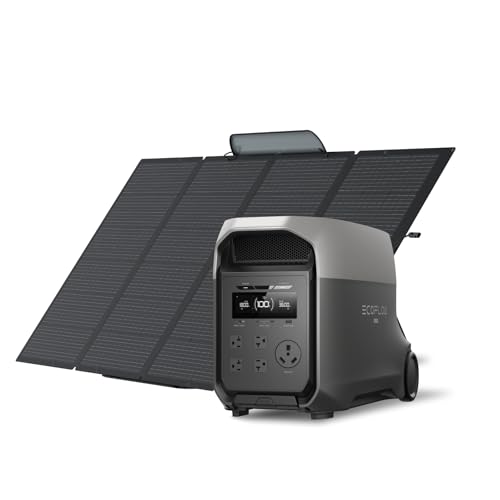
EF ECOFLOW Delta 3 Ultra 3072Wh Solar Generator with 400W Solar Panel

Anker SOLIX F3800 Portable Power Station and 400W Solar Panel, 3,840Wh
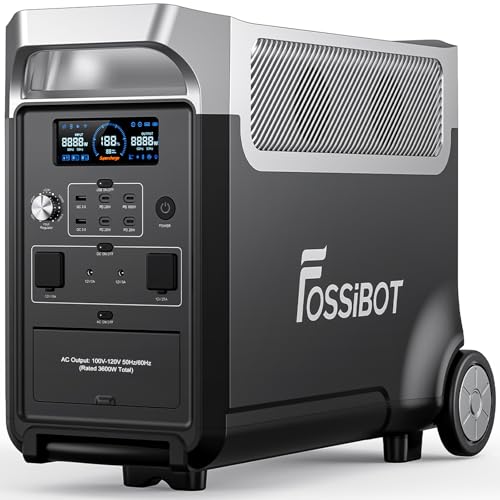
FOSSiBOT F3600 Portable Power Station, 5x120V AC Output 3600W/3840Wh LiFePO4 Battery

PECRON Solar Generator E3600LFP 3072Wh with 2x300W Solar Panels, 5x3600W AC Outlets Portable Power Station

Schneider OffGrid 517Wh Portable Power Station, PPS500 Portable Solar Generator with Wireless Charging Pad
More Details On Our Top Picks
EBL’s 999Wh size sits in a practical middle zone, large enough for phone charging, lights, and modest appliance support without feeling oversized. The 10W wireless pad is handy on a desk or nightstand, and the multiple ports suit a busy room where different plugs tend to pile up.
You may find this better for short outages, weekend cabins, or an RV setup than for whole-house coverage. Compared with the heavier Jackery and Anker units, it trades raw muscle for easier handling and a friendlier footprint.
Strong Points
- 999Wh gives you a useful buffer for day-to-day backup tasks.
- Wireless charging reduces cable clutter around a bedside table or work nook.
- Multiple output ports help you run several small devices together.
- Compact size is easier to store in a closet, trunk, or camper.
Things To Consider
- The lower wattage ceiling limits heavier kitchen gear and larger tools.
- Wireless charging is convenient, though it does not replace wired speed for every phone.
- The smaller battery means you’ll want to manage loads carefully during longer outages.
Feature Snapshot
Who It Suits Best
Casual off-grid households and RV owners needing a compact backup source should get the most from this EBL unit.
A Better Fit Elsewhere
Jackery HomePower 3000 and 2x200W Solar Panels suits you better when longer outage support matters more than compact storage.
Jackery’s 3072Wh class feels well matched to home backup, especially in a house where you want meaningful runtime without stepping into full heavy-duty territory. The included 2x200W panel bundle gives the setup a more complete starting point, which is helpful for people building an outage plan from scratch.
That 3600W AC output gives you more room for everyday appliances than the EBL pick, though it still sits below the dual-voltage Anker model in outright flexibility. For most homes, that middle ground makes sense, because it keeps the system capable without pushing it into overkill.
What We Like
- 3072Wh capacity supports a serious backup routine for essential household gear.
- 3600W AC output opens the door to more demanding plug-in devices.
- The two-panel bundle helps you start with a more complete solar setup.
- LFP battery chemistry, a lithium iron phosphate pack, usually means steadier long-term use patterns than basic lithium packs.
Worth Noting
- The system is large enough that storage space matters.
- Panel placement still needs a clear, sun-friendly spot for decent charging results.
- It feels more like a home fixture than a grab-and-go camping unit.
Core Details
Who Should Grab It
Homeowners who want a rounded backup setup for outages and daily essentials should look closely at this Jackery bundle.
Swap It Out When
Anker SOLIX F3800 fits better for homes that need 120V and 240V dual-voltage support and a larger overall electrical plan.
The 3584Wh battery and 3600W AC output put this Jackery model squarely in serious backup territory. Expandability to 21kWh is the real talking point, because it lets your setup grow instead of forcing a full replacement later.
That kind of headroom is useful in a home that may add more loads over time, or in an RV setup that keeps getting more ambitious. Compared with the simpler HomePower 3000, this one gives you a better path for long-term planning, though it asks for more space and a bigger budget commitment.
Upsides
- 3584Wh capacity gives you a deep energy reserve for backup planning.
- Expandability up to 21kWh helps the system grow with your setup.
- 3600W AC output supports more demanding household equipment.
- The two-panel bundle gets the solar side started right away.
- LFP chemistry is a sensible match for frequent use patterns.
Areas To Watch
- The larger footprint takes planning for storage and placement.
- Expandable systems make sense most for households that expect changing loads.
- The added scale is overkill for light camping or occasional phone charging.
Details At A Glance
Best Suited To
Growing homes, larger RV builds, and off-grid setups that may expand later are the best match for this Jackery package.
Reach For A Different Pick When
EBL Portable Power Station 1000W Solar Generator 999Wh makes more sense for lighter use and easier storage.
EcoFlow leans into high output without losing the practical 3072Wh battery class, which makes it appealing for home use and RV systems that see real demand. The 400W solar panel in the bundle gives you a stronger starting point for daytime replenishment than the small-portable tier.
The 3600W output, with 7200W surge, gives this model more breathing room for motors and startup-heavy equipment than the EBL unit and even more flexibility than several midrange picks here. The trade-off is size, because power density usually comes with a heavier presence in storage and transport.
Highlights
- 3072Wh capacity supports substantial backup needs.
- 3600W output, plus 7200W surge, handles demanding appliance starts more confidently.
- The 400W solar panel adds a strong charging companion.
- LFP battery chemistry fits regular home-backup cycles well.
Small Caveats
- The larger format is less casual to move around.
- Big output can tempt you to run more than your solar input can replace quickly.
- Set it up where ventilation and storage space are easy to manage.
Quick Facts
Right Fit For
Homes and RV setups with appliances that need stronger startup headroom are the best match for this EcoFlow bundle.
A Better Fit Elsewhere
Schneider OffGrid 517Wh Portable Power Station, PPS500 Portable Solar Generator with Wireless Charging Pad suits lighter travel and simpler daily charging needs.
Anker goes bigger on capacity and electrical flexibility, with 3840Wh, 120V and 240V dual-voltage output, and a 6000W solar generator rating. That combination makes it easier to think about heavier home use, workshop support, or a setup that needs more than the usual portable station profile.
Compared with the Jackery and EcoFlow picks, this one has the feel of a more expansive electrical hub. The honest read is that it makes the most sense when your space and appliance mix justify the scale, because carrying and placing a unit this large is never casual.
Reasons To Buy
- 3840Wh battery capacity gives you a broad energy reserve.
- Dual-voltage output widens the range of equipment you can support.
- 6000W generator rating points to serious power headroom.
- The 400W solar panel provides a meaningful solar starting point.
- LiFePO4 battery chemistry is a solid match for recurring backup use.
Points To Note
- The scale asks for a real storage plan.
- Dual-voltage capability is most useful for homes with matching equipment.
- It feels more like a stationary backup asset than a weekend carry-along.
Core Details
The Right Fit
Homes with a larger backup plan and equipment that benefits from dual-voltage support will get the most from this Anker setup.
Look Elsewhere When
FOSSiBOT F3600 Portable Power Station, 5x120V AC Output 3600W/3840Wh LiFePO4 Battery suits you better when multiple standard outlets matter more than dual-voltage output.
Five 120V AC outlets make this FOSSiBOT model stand out for a garage, cabin, or workshop where several standard plugs need to stay available at once. The 3840Wh battery and 3600W output keep it in the same serious class as the larger Jackery and Anker picks, but the outlet layout shifts the appeal toward everyday practicality.
Expandable capacity up to 11520Wh is the real long-view feature, because it gives you room to build a larger energy bank over time. The catch is that growth-minded systems usually ask for more planning, so this works best when you know your future load may keep climbing.
Best Bits
- Five AC outlets are useful in spaces with several corded devices.
- 3840Wh capacity gives you a healthy energy reserve.
- 3600W output suits many household and workshop tasks.
- Expandable design helps the system grow with changing needs.
- LiFePO4 battery chemistry fits frequent backup use well.
Honest Caveats
- The larger system needs a permanent-ish storage plan.
- Expansion only pays off when you plan to add capacity later.
- Bulkier units tend to be less convenient for travel use.
Spec Overview
Built With In Mind
Garage users, cabin owners, and off-grid households that run several standard devices at once will appreciate this FOSSiBOT layout.
Where A Sibling Pick Shines
PECRON Solar Generator E3600LFP 3072Wh with 2x300W Solar Panels suits you better when a solar bundle and broad outlet count need to arrive together.
PECRON pairs 3072Wh with two 300W solar panels, so the kit feels more complete than a bare power station. That matters for off-grid living, because a bundled panel setup cuts down the guesswork around getting your charging chain started.
The five AC outlets and 3600W output keep it useful in real household or RV routines, while the 18.43kWh expansion ceiling gives it a long runway for future growth. Compared with the FOSSiBOT pick, it leans harder into the solar bundle story, which makes it appealing for people who want more of the system in one package.
Positives
- Two 300W panels create a substantial solar starting point.
- 3072Wh capacity works well for essential backup planning.
- Five AC outlets support multiple devices at once.
- 18.43kWh expansion ceiling gives the setup serious growth room.
- 3600W output keeps the station relevant for heavier plug-in gear.
Room For Improvement
- The bundled system takes more setup space than a single compact unit.
- Large expansion potential only matters for households that will actually add modules.
- Solar panels are useful, though placement still needs decent sun exposure.
Feature Rundown
Whose Shelf It Belongs On
Off-grid households and RV owners who want a bundled solar setup with room to grow should take a close look at this PECRON package.
Another Choice May Suit
Jackery HomePower 3600 Plus Portable Power Station with 2X 200W Solar Panels is the better fit for you when brand-agnostic expandability and a slightly different home-backup angle matter more.
Schneider keeps things simple with a 517Wh portable station and a wireless charging pad, which makes it easy to live with around camp, a small apartment, or a desk-side backup spot. The lower capacity puts it far below the bigger Jackery, EcoFlow, and Anker units, yet that’s also what makes it easier to store and move.
This is the sort of pick that fits light off-grid habits rather than long outage coverage. For charging phones, small electronics, and a few basics, it stays nicely compact, though you should not expect it to shoulder the same workload as the heavier stations above it.
Bright Spots
- 517Wh capacity is manageable for light backup and travel use.
- The wireless charging pad keeps a phone spot tidy.
- Compact shape is easy to tuck into a car, shelf, or cabinet.
- Works well as a small, low-fuss power companion.
Softer Spots
- The smaller battery is not meant for long household outages.
- Heavy appliance use belongs with a much larger unit.
- One thing worth considering is your storage plan, since small units still need a dry, accessible spot.
Core Details
Who Will Love This
Campers, apartment dwellers, and anyone wanting a compact backup station for small devices should find this Schneider unit appealing.
Where Shoppers Go Wrong
Jackery HomePower 3000 and 2x200W Solar Panels is the safer path for anyone who needs stronger outage coverage and a bigger solar bundle.
How To Choose The Right Solar Generators For Off Grid Living
Start With The Load, Then Work Backward
Your first job is matching battery capacity and output to the things you actually plan to run. A small cabin with lights, phones, and a router can live comfortably in a very different size class than a home that needs fridge support or power tool use.
Watt-hours, the battery’s stored energy, tell you how long the station can keep going, while watts tell you how much it can deliver at once. That distinction matters more than flashy bundle language, because a roomy battery with weak output still leaves you short on heavier appliances.
Think About How You’ll Recharge It
Solar panel size matters just as much as battery size in an off-grid setup. A 400W or 600W bundle can make more sense for daily living than a bare station with no clear charging plan, especially in a cabin that sees steady sunlight.
Also look at outlet layout, because you’ll feel that every day. A station with several AC outlets, USB ports, or a wireless pad keeps the setup usable in a busy room, while a sparse layout starts to feel cramped fast.
Choose The Right Battery Chemistry And Expansion Path
LiFePO4, short for lithium iron phosphate, is the battery type shown on several picks here. It suits regular backup use because it’s built for repeated cycling, which is helpful when your power station sees frequent charging and discharging.
Expandable systems cost more, but they also fit households that expect growth. A small homestead, RV, or workshop can outgrow a fixed-capacity unit quickly, so extra module support can be worth paying for when your setup is still evolving.
Match The Size To The Way You Live
Portable does not always mean light, and that’s where many off-grid setups go sideways. A 3000Wh-plus station may be right for a home backup closet, while a 500Wh unit is easier to carry to camp or park in a small vehicle.
The honest read is that there’s no universal sweet spot, only the right fit for your load, storage space, and charging habits. You’ll save yourself frustration by treating the station as part of a larger energy plan, not just a box with outlets.
What To Weigh Before You Click
Traps First Timers Fall Into
One common mistake is sizing the battery for convenience instead of workload. A compact station can be great for phones and lights, yet it falls short once you ask it to handle appliances that need higher startup power.
Another misstep is forgetting about the solar side. A strong power station without enough panel input can feel slow to recover, especially in off-grid living where wall charging may not be part of the plan.
The Upgrade Payoff
Higher-tier models usually cost more because they deliver larger batteries, stronger output, better expansion potential, and more complete solar bundles. That extra money also often goes toward dual-voltage support, more outlet options, or a layout that makes the whole system easier to live with.
Paying up makes sense when the station will cover your primary backup role or support a growing off-grid home. For casual camping or light phone charging, the extra scale can be overkill.
Frequently Asked Questions
What size solar generator works best for a small off-grid cabin?
A compact to midrange station around 500Wh to 1000Wh can cover lights, devices, and basic daily use. Larger cabins with refrigerators or longer outage needs usually belong in the 3000Wh class or higher.
Do LiFePO4 batteries matter for off-grid living?
Yes, because LiFePO4 battery packs are commonly chosen for repeated charging cycles and steady backup routines. That makes them a sensible match for homes, RVs, and cabins that use the station often.
How much solar panel power should you look for?
Panel output should rise with the battery size and your daily energy use. A bigger battery without enough solar input can take too long to recover in real off-grid conditions.
Are portable power stations enough for whole-home backup?
Some larger units can support important household loads, but full-home backup depends on the appliances you plan to run. The safe approach is to match the station to essential circuits and realistic demand.
Is wireless charging worth having on a solar generator?
It’s a handy convenience for phones and small routines, especially near a bed, desk, or camp table. It does not replace the value of solid AC output or enough battery capacity.
Closing Thoughts
The right solar generator for off-grid living depends on how much you need to power, how often you’ll recharge, and how much room you have to store the unit. Compact models fit lighter travel and small backup tasks, while the larger Jackery, EcoFlow, Anker, FOSSiBOT, and PECRON picks make more sense for homes and serious cabin setups. Keep your focus on capacity, output, panel input, and outlet layout, and the right choice becomes easier to see. A sensible match will feel useful from day one and stay useful as your routine settles in.
