

Charging an EV at home takes more planning than plugging in a phone, especially when outages, trips, or off-grid stops enter the picture. These eight solar generator setups cover everything from compact travel backup to full-home support, so you can match capacity, inverter output, and solar input to the way you actually drive and live. The right pick depends on whether you need overnight charging support, short-term emergency power, or a system that can grow with your setup.
Quick Look At The Shortlist

Jackery Explorer 2000 v2 Portable Power Station 2042Wh

EF ECOFLOW Delta 3 Classic with 220W Solar Panel 1024Wh

Jackery HomePower 3000 and 2x200W Solar Panels 3072Wh

Jackery Explorer 2000 v2 and 2x200W Solar Panels 2042Wh

Jackery Solar Generator 300 and 40W Solar Panel 292Wh

Jackery HomePower 3600 Plus Portable Power Station 3584Wh

EF ECOFLOW DELTA Pro 3 Solar Generator 4096Wh
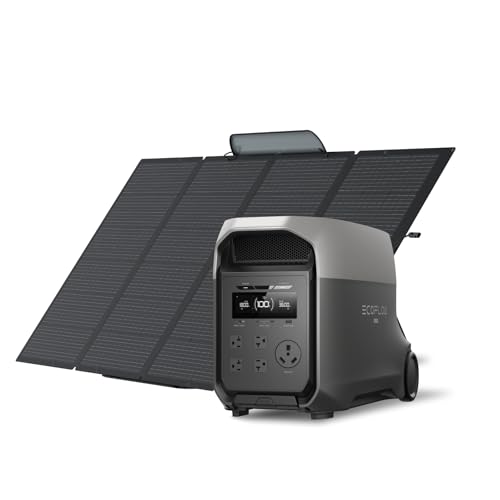
EF ECOFLOW Delta 3 Ultra 3072Wh Solar Generator 400W
More Details On Our Top Picks
Jackery’s 2042Wh size sits in a useful middle lane, large enough for practical backup planning without jumping straight to the biggest chassis in this list. The 2200W AC output gives you room for more demanding household gear, while the LiFePO4 battery chemistry, a lithium-iron-phosphate pack known for durable cycle life, makes sense for repeated use around outages or road trips.
For garage storage, tailgates, or a home office that needs breathing room during short interruptions, this one feels less intimidating than the larger HomePower models. The honest read is that the separate panel setup adds flexibility, but it also means you’ll want to think through your solar pairing instead of treating it like a one-box fix.
Strong Points
- 2042Wh gives you a practical buffer for essential devices and shorter backup sessions.
- 2200W AC output opens the door to more demanding appliances than the compact 300 model.
- USB-C PD 100W is useful for fast laptop charging and high-draw portable electronics.
- LiFePO4 chemistry suits frequent cycling better than many older battery styles.
- Reasonable size for storage in a utility room, trunk, or garage shelf.
Things To Consider
- The solar panel is optional, so you need to account for the extra purchase separately.
- Its footprint is still substantial, which can matter in tight apartments or packed RV bays.
- More capacity also means more weight to move compared with the ultra-light 300 model.
Feature Snapshot
Who It Suits Best
Homeowners and weekend travelers who want a mid-size backup unit with serious output will get the most from this pick.
A Better Fit Elsewhere
EF ECOFLOW DELTA Pro 3 Solar Generator 4096Wh suits you better when your plan leans toward larger house loads and heavier emergency coverage.
This Delta 3 Classic lands in a very usable size for apartments, small homes, and backup setups that need speed more than sheer bulk. The included 220W panel changes the ownership picture, because you start with a paired solar setup instead of piecing it together later.
Its 10ms UPS function, a fast-switching uninterruptible power supply mode, matters most for devices that dislike even a tiny outage gap. Compared with Jackery’s 2000 v2, this one feels a touch more streamlined for daily backup habits, though the smaller battery means you are trading away longer runtime.
What We Like
- 1024Wh capacity suits shorter backup needs without feeling oversized.
- 1800W AC output covers a useful range of everyday devices.
- 10ms UPS support can help keep sensitive electronics from dropping out during brief interruptions.
- 100W USB-C output is handy for modern laptops and larger tablets.
- Included 220W panel simplifies a starter solar setup.
Points To Note
- The capacity is modest beside the larger Jackery and ECOFLOW systems here.
- UPS timing is helpful, but you still need to think through what loads stay connected.
- For longer outage coverage, you may outgrow it faster than the high-capacity picks.
Quick Facts
Who Should Grab It
Urban homeowners and apartment dwellers who want a compact solar-backed backup kit will appreciate the balance here.
Another Choice May Suit
Jackery Explorer 2000 v2 Portable Power Station 2042Wh fits better for you when longer runtime matters more than a lighter starter footprint.
Jackery built this one for people who want backup capacity to feel more like a household system than a portable accessory. The 3072Wh battery, 3600W AC output, and 7200W surge rating give it a much larger posture than the 2000 v2, and that extra headroom matters when several things need power at once.
The included pair of 200W panels makes the kit feel complete out of the box, which is helpful for emergency planning in a home with more than one critical circuit. It is not the unit you casually lift for a picnic, but for RV parking, outage prep, or a garage-based setup, the scale is the point.
Highlights
- 3072Wh capacity gives you a deeper reserve for longer backup use.
- 3600W AC output supports heavier household loads than the mid-size models.
- Two 200W panels are included, so the solar side feels more complete.
- 7200W surge rating helps with startup spikes from tougher equipment.
- Well suited to home, RV, and emergency storage roles.
Small Caveats
- The size is substantial, so storage space matters.
- Moving it around the house is less convenient than with smaller units.
- The larger setup makes the upfront footprint more demanding for compact living spaces.
Details At A Glance
Built With In Mind
Homeowners and RV users who want substantial backup capacity with panels already in the box will get the most from this pick.
Where A Sibling Pick Shines
EF ECOFLOW Delta 3 Classic with 220W Solar Panel 1024Wh fits better for smaller spaces and lighter daily backup needs.
This bundle keeps the same 2042Wh and 2200W core as the standalone Explorer 2000 v2, but the included 2x200W panels change the story for outage prep. That makes it easier to think in terms of a working solar package rather than sourcing panels later, which is a real convenience in a storm-prone home.
The 20ms UPS rating, or transfer speed for backup power, gives it a more responsive feel than the non-UPS version above. For desktop setups, networking gear, and home office use, that difference matters more than it sounds on paper, although the extra panel kit also adds bulk you need to store somewhere sensible.
Reasons To Buy
- 2042Wh capacity stays in the practical mid-size range.
- 2200W AC output is strong enough for a wide mix of household gear.
- Included 2x200W panels make the solar side easier to plan.
- 20ms UPS support is useful for devices that dislike longer outages.
- USB-C PD 100W keeps modern charging gear in play.
Room For Improvement
- The added panel package increases storage and transport demands.
- It still sits below the larger HomePower models for all-day backup needs.
- Households with very large loads may want more capacity headroom.
Core Details
Whose Shelf It Belongs On
Home office users and emergency planners who want the Explorer 2000 v2 with solar included will appreciate this setup.
Swap It Out When
Jackery HomePower 3000 and 2x200W Solar Panels 3072Wh suits you better when your backup list includes larger household circuits.
Jackery’s small 300-watt class setup is the easiest one in this group to carry, and that matters more than specs alone for travel and quick stops. At 7.5 pounds, it stays friendly for RV storage, weekend bags, and short power gaps where you only need the basics.
The pure sine wave AC outlet is worth noting because that waveform is gentler for some electronics than a rougher alternative. Compare it with the larger systems above and the trade-off is obvious, you get portability and simplicity, but not enough capacity for serious home backup or EV-related charging ambitions.
Best Bits
- 7.5-pound weight makes it easy to move around camp or pack for travel.
- 292Wh capacity is enough for small devices and short usage windows.
- Pure sine wave AC output suits sensitive electronics more comfortably.
- 2 AC outlets, a 100W USB-C port, 2 USB-A ports, and a 120W car port give you flexible device coverage.
- Good fit for RV trips, weekend use, and light emergency backup.
Areas To Watch
- The small battery size limits how far it can stretch for larger loads.
- It is better for devices and accessories than for meaningful EV charging support.
- Owners who need long outage coverage will outgrow it quickly.
Feature Card
Right Fit For
Travelers, RV users, and campers who want a light power source for small electronics will feel right at home with this one.
A Better Fit Elsewhere
EF ECOFLOW Delta 3 Classic with 220W Solar Panel 1024Wh is the smarter step up for you when backup runtime matters more than portability.
This is the kind of unit you choose when backup power needs room to grow rather than a fixed ceiling. The 3584Wh battery and 3600W AC output already sit in serious territory, and the expandable design up to 21kWh makes it feel closer to a modular home system than a single box.
For households with refrigerators, networking gear, and critical tools to keep going, that scalability is the real attraction. Compared with Jackery’s 3000 model, this one is aimed at people who expect tomorrow’s needs to be larger than today’s, though the extra flexibility also means more planning up front.
Upsides
- 3584Wh capacity gives you a substantial starting point for home backup.
- 3600W AC output can support demanding household loads.
- Expandable design up to 21kWh adds long-term flexibility.
- Two 200W panels are included, which helps the solar side start strong.
- Works well for homes, RVs, and emergency storage plans.
Worth Noting
- The larger format takes more storage space than the mid-size options.
- Expandable systems ask for more planning than compact plug-and-play models.
- For light travel, the capacity may feel excessive.
Technical Sheet
The Right Fit
Homeowners who want a scalable emergency backup platform with room to expand will benefit most from this setup.
Reach For A Different Pick When
Jackery HomePower 3000 and 2x200W Solar Panels 3072Wh fits better if you want a simpler large-capacity setup without expansion planning.
EcoFlow pushes this one into serious home-backup territory with 4096Wh of capacity and a 4000W AC output that can handle a wide range of large loads. The 120/240V output is especially important for homes that need more than light appliance support, because that split-voltage flexibility broadens what the system can realistically cover.
For a garage, utility room, or RV setup that leans heavy, this is the kind of station that feels built around real household continuity. The trade-off is plain enough, though, size and power density come with a bigger footprint than the smaller Delta 3 Classic or Jackery 2000 v2.
Bright Spots
- 4096Wh capacity gives you substantial backup endurance.
- 4000W AC output supports demanding household equipment.
- 120/240V output broadens compatibility for more serious home setups.
- Two 400W panels are included, which strengthens the solar package.
- Good fit for power outages, RV use, and larger home backup plans.
Softer Spots
- The size and weight profile are better suited to stationary use.
- Storage and setup space matter more than they do with the compact picks.
- For lighter travel, the unit may feel like more than you need.
At A Glance
Whose Shelf It Belongs On
Homeowners who want a heavy-duty backup station with broad output options will get the most from this model.
Look Elsewhere When
EF ECOFLOW Delta 3 Ultra 3072Wh Solar Generator 400W suits you better if you want a slightly smaller but still feature-rich setup.
The Delta 3 Ultra sits between the mid-size and heavy-duty picks, which makes it appealing for homes that want strong output without jumping to the biggest EcoFlow system. With 3072Wh of storage, 3600W output, and a 400W panel included, it looks well prepared for regular backup routines and RV life.
You may find this one especially appealing in a family garage or utility space where both stationary backup and portable use matter. Compared with the Delta Pro 3, the output is lower, but the package can feel easier to live with for households that do not need the full 240V-heavy setup.
Best Bits
- 3072Wh capacity gives you a strong reserve for everyday backup use.
- 3600W output supports a broad range of home and RV gear.
- Surge output reaches 7200W, which helps with startup demands.
- Included 400W solar panel adds real value to the package structure.
- Balanced size for users who want serious power without the heaviest form factor.
Minor Gripes
- The system still takes meaningful storage space.
- It sits below the Delta Pro 3 for the most demanding home setups.
- For quick hand-carry travel, the format is more than you need.
Feature Rundown
Best Suited To
Households and RV users who want a versatile solar generator with strong output and a panel included will find a good fit here.
Where A Sibling Pick Shines
EF ECOFLOW DELTA Pro 3 Solar Generator 4096Wh suits you better when whole-home output and 120/240V support matter more.
How To Choose The Right Solar Generators For Ev Charging
Start With The Energy Job
EV charging asks for more than casual backup power, so the first step is separating trickle support from real charging assistance. A 292Wh unit like the Jackery Solar Generator 300 can keep small electronics moving, but it won’t carry the same weight as a 3072Wh or 4096Wh station.
Capacity, measured in watt-hours, tells you how long a battery can supply power. For driveway charging support, home backup, or overnight use during outages, you want a much larger reserve than you’d choose for a weekend campsite.
Check Output Before Anything Else
AC output, the amount of power the inverter can deliver through standard outlets, matters just as much as stored energy. The Jackery Explorer 2000 v2 at 2200W sits in a useful middle range, while the ECOFLOW DELTA Pro 3 at 4000W is built for heavier household loads.
That difference shapes what you can actually run at once, especially around home circuits and chargers. A higher output model gives you more breathing room, but it also tends to bring a larger body, more weight, and a higher planning load for storage and placement.
Think About Solar Input And Panel Pairing
Included panels simplify the start, especially in the Jackery HomePower 3000, HomePower 3600 Plus, and ECOFLOW bundles. A system with panels in the box is easier to organize for a storm prep shelf or an RV bay.
Panel wattage affects how quickly you can refill the station in strong sun, though weather and placement still shape the result. The trade-off is simple: bundled panels usually cost more up front, but they save you from matching components later.
Choose The Form That Matches Daily Life
Portability matters more than many people expect. The 7.5-pound Jackery Solar Generator 300 fits a travel-first routine, while the heavier HomePower and DELTA Pro units fit homes where the station may stay parked most of the time.
Also look for features that fit the way you use power, such as USB-C PD, UPS response time, or 120/240V output. Those details can matter more than flashy capacity numbers once you start using the system around a house, garage, or RV.
What To Weigh Before You Click Through
Common Shopping Slip Ups
Many people focus on battery size alone and miss the inverter output, which is the part that decides what the unit can actually run. That mistake shows up fast with higher-draw appliances or broader home backup plans.
Another common miss is buying a solar generator without enough panel support. A battery can only help for so long, and a mismatched solar side leaves you with slower recovery than you expected.
What The Higher Tier Buys
Spending up usually buys more capacity, stronger output, and more flexible voltage support. In this group, the step from Jackery Solar Generator 300 to the DELTA Pro 3 is dramatic, because the larger system is built for heavier household continuity rather than light portability.
That higher tier also tends to bring better long-term fit for home outages, RV systems, and heavier backup routines. You are paying for a wider safety margin in daily use, not just a bigger number on the box.
Frequently Asked Questions
Can A Solar Generator Charge An EV?
These units can support charging-related needs, but the fit depends on battery size, inverter output, and the charger in use. The smaller travel models are far better for accessories than for meaningful EV charging support.
Which Capacity Range Makes Sense For Home Backup?
Mid-size units around 2000Wh to 3000Wh suit shorter outages and essential loads. Larger systems around 3584Wh to 4096Wh make more sense for households that want deeper reserve power.
Does A Higher Watt Output Always Matter More?
Higher output matters when you need to run heavier appliances or charge several devices together. For lighter use, a compact station with lower output can be easier to store and live with.
Why Do Some Kits Include Panels?
Included panels make the setup more direct because you are not matching the solar side later. That helps when you want a ready-to-use emergency kit or an RV system with fewer moving parts.
Is LiFePO4 Worth Looking For?
LiFePO4 battery chemistry is popular in this category because it suits repeated charging cycles well. For a solar generator that may see frequent use, that detail carries real practical value.
Closing Thoughts
The right solar generator for EV charging support depends on how much power you need, how often you plan to move it, and whether your setup lives at home or travels with you. Compact units work for light backup and accessories, while the larger Jackery and ECOFLOW systems are built for serious home continuity. Match the battery, output, and panel package to your actual routine, and the choice gets a lot clearer. That is the easiest way to avoid overbuying or ending up short on power.
