

RV power gets easier once your battery matches how you travel. Long weekends, off-grid cabins, fishing trips, and full-time rig life all ask for different things, from compact fit to higher storage and easier monitoring.
This roundup focuses on lithium options and one matching solar maintainer, so you can compare usable capacity, low-temperature protection, Bluetooth tracking, and install-friendly sizing without wading through fluff. The right choice keeps lights, fans, pumps, and small appliances steadier, like a well-packed pantry instead of a half-empty shelf.
Quick Look At The Shortlist

dumfume 12V 150Ah Max LiFePO4 Battery, IP65 Waterproof 100A BMS
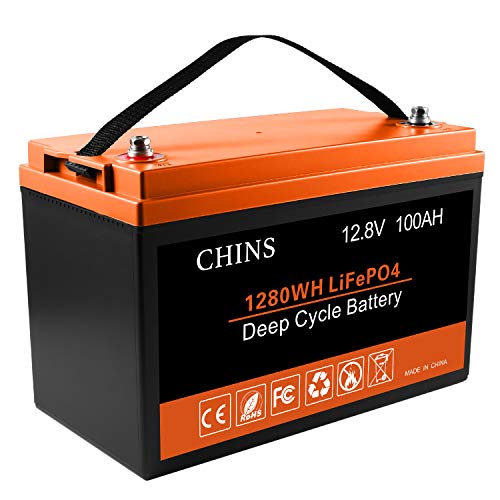
CHINS LiFePO4 Battery 12V 100AH Lithium Battery

ECO-WORTHY 12V 100AH LiFePO4 Lithium Battery with Bluetooth

WEIZE 12V 100Ah Deep Cycle Battery, Group Size 31 Battery

dumfume 12V 600Ah LiFePO4 Lithium Battery with 200A BMS

12V 200Ah LiFePO4 Lithium Battery, Max. 2560Wh

HumsiENK 12V 100Ah LiFePO4 Lithium Battery with Bluetooth (Group 24)

SUNER POWER Waterproof 30W 12V Solar Battery Charger & Maintainer PRO

12V 100Ah LiFePO4 Lithium Battery with Bluetooth
More Details On Our Top Picks
A 150Ah lithium pack like this suits longer weekends, larger inverter loads, and rigs that want fewer recharge cycles during a trip. The IP65 rating means sealed protection against dust and water spray, which matters in a damp bay or a storage area that sees road grit.
The 100A BMS, or battery management system, helps govern charge and discharge behavior, and the low-temperature protection is the part that matters in shoulder-season camping. Compared with the smaller CHINS and ECO-WORTHY picks, this one leans more toward reserve power than app features, so you trade monitoring extras for a simpler, sturdier setup.
Strong Points
- 150Ah capacity gives you more breathing room for lights, fans, and short appliance use.
- IP65 sealing suits dusty compartments and wet outdoor conditions better than an unsealed case.
- Low-temperature protection helps in cold campsites where charging habits matter.
- 100A BMS keeps the system straightforward for common RV power layouts.
- Works well as a single-battery upgrade for travelers who want more buffer without a huge bank.
Things To Consider
- No Bluetooth means you won’t get phone-based status checks like you do with ECO-WORTHY or HumsiENK.
- The larger capacity can be overkill for short day trips or very small rigs.
- Battery weight and fit still deserve a quick compartment check before you commit.
Feature Snapshot
Who It Suits Best
You want a solid lithium battery for regular RV travel, mixed weather, and moderate off-grid use.
Where A Sibling Pick Shines
CHINS LiFePO4 Battery 12V 100AH Lithium Battery suits lighter-duty setups and smaller power budgets better.
For compact RV electrical upgrades, a 100Ah battery like this keeps the footprint familiar while giving you lithium-style weight savings and steadier output than older lead-acid setups. The built-in low-temperature protection is especially useful for shoulder-season travel, where charging in the cold can become a nuisance.
Compared with the dumfume 150Ah pick, this one is easier to slot into smaller power plans and simpler to justify for first-time lithium setups. The trade-off is plain enough, you get less storage headroom, so long boondocking stays or higher inverter loads call for a larger battery bank.
What We Like
- 100Ah sizing fits many common RV compartments without forcing a layout rethink.
- Built-in protection for colder charging conditions supports three-season travel.
- The 100A BMS suits typical 12-volt systems used for lights, fans, and small electronics.
- LiFePO4 chemistry usually means a flatter voltage curve than older battery styles, which helps equipment stay steadier.
Worth Noting
- No Bluetooth, so you’ll check status through the system rather than on a phone screen.
- 100Ah can feel tight for long dry-camping stretches with heavy appliance use.
- Cold-weather owners still need to think about charging conditions and storage habits.
Core Details
Made For
You want a straightforward lithium battery for a starter RV solar setup or a modest marine system.
Another Choice May Suit
ECO-WORTHY 12V 100AH LiFePO4 Lithium Battery with Bluetooth suits you better if phone-based monitoring matters more than simplicity.
The Bluetooth feature is the headline here, and it matters most when your battery lives under a seat, in a rear bay, or inside a setup you do not want to open every day. From your phone, you can check voltage, current, and remaining capacity, which makes it easier to keep track of a fishing trip or a weekend away from hookups.
Compared with CHINS, this ECO-WORTHY unit gives you more visibility into what the battery is doing, and that can take some guesswork out of a multi-battery bank. The trade-off is that app-based monitoring is only useful when you actually want that extra data, so simple users may see it as nice rather than necessary.
Highlights
- Bluetooth 5.1 lets you check battery status from a phone.
- Voltage, current, and capacity data help you judge usage during a trip.
- Group 24 size is handy for common marine and RV compartment fits.
- Supports battery-bank building, which helps larger solar setups scale more easily.
- Low-temperature protection is useful for colder camps and storage areas.
Areas To Watch
- Bluetooth is most useful only when you like active monitoring.
- Bank expansion adds planning, wiring, and layout considerations.
- The app advantage does not replace good installation habits or proper charging gear.
Details At A Glance
Best Suited To
You want phone-based battery checks for a fishing rig, RV bank, or off-grid cabin setup.
A Better Fit Elsewhere
HumsiENK 12V 100Ah LiFePO4 Lithium Battery with Bluetooth suits you better if you want a Group 24 battery with a similar monitoring angle and a more compact framing.
Group 31 sizing is the big practical angle here, because many RV compartments and replacement trays are already built around that format. The 1150A max discharge figure gives you a clearer sense of its ability to handle heavier bursts, and the 3 percent self-discharge rate points to slower power loss while it sits in storage.
Compared with the lithium options above, this WEIZE pick is about fit and familiar deep-cycle behavior more than app-based features or cold-weather lithium handling. The honest read is that it suits a more traditional setup, especially for owners who want a known battery style in a standard compartment.
Upsides
- Group 31 format works well in many common RV battery bays.
- High max discharge suits systems that need strong short bursts.
- Low self-discharge helps during periods of storage or infrequent use.
- Simple setup can feel easier for straight replacement jobs.
Small Caveats
- This is less feature-heavy than the Bluetooth lithium picks.
- Group 31 fit should be checked against your compartment dimensions.
- Traditional battery ownership usually means more attention to upkeep than lithium setups.
Technical Sheet
Whose Shelf It Belongs On
You want a replacement battery that lines up with a Group 31 compartment and a more familiar deep-cycle setup.
Reach For A Different Pick When
dumfume 12V 150Ah Max LiFePO4 Battery, IP65 Waterproof 100A BMS suits you better if you want lithium efficiency and more stored energy.
Six hundred amp hours is serious storage, and that matters most for longer off-grid stays, large inverter loads, or RV life that runs several devices at once. The 200A BMS and 7680Wh figure point to a battery built for bigger demand, while the IP65 rating makes the package better suited to rougher environments than a bare indoor pack.
Compared with the 150Ah dumfume unit, this one gives you far more reserve, but it also asks for more space, more planning, and a larger use case to justify it. For most rigs, that scale is more than enough, though full-timers or serious home-storage setups may appreciate the cushion.
Reasons To Buy
- 600Ah capacity offers a very large energy reserve for extended use.
- 7680Wh storage suits heavier RV, home, or cabin demand.
- 200A BMS supports stronger load handling than smaller packs.
- IP65 sealing adds confidence in dustier or wetter storage areas.
- Low-temperature cutoff helps make cold-weather charging more predictable.
Points To Note
- This is far more battery than many weekend rigs actually need.
- Large capacity usually means more space planning and heavier handling.
- Storage and wiring should be mapped out before installation day.
Core Details
Who Should Grab It
You want a large lithium reserve for full-time RV living, cabin power, or a roomy off-grid bank.
Look Elsewhere When
12V 200Ah LiFePO4 Lithium Battery, Max. 2560Wh suits you better if you want a large step up without jumping to this scale.
A 200Ah battery often lands in the sweet spot for campers who have outgrown a single 100Ah pack but do not want to jump all the way to a huge bank. The 2560Wh rating gives you a clearer sense of that middle ground, and the low-temperature protection helps it stay practical for cooler travel seasons.
Compared with the 600Ah dumfume, this option asks for less room and less system planning while still giving you a meaningful increase over the smaller 100Ah choices. That makes it a sensible upgrade for RV owners who run a fridge, lights, and charging gear without wanting to micromanage every amp-hour.
Best Bits
- 200Ah capacity gives a useful middle ground for many rigs.
- 2560Wh storage helps support longer trips with fewer recharge stops.
- Low-temperature protection keeps cold-weather use more manageable.
- Lithium format usually keeps maintenance lighter than older battery styles.
Softer Spots
- Still larger and heavier than a 100Ah setup.
- The lack of app monitoring may matter to status-focused owners.
- Fit and cable planning still matter in tighter battery compartments.
Feature Rundown
Right Fit For
You want a step-up battery for longer dry camping, a heavier RV load, or a modest home-energy backup.
A Better Fit Elsewhere
ECO-WORTHY 12V 100AH LiFePO4 Lithium Battery with Bluetooth suits you better if app monitoring matters more than raw capacity.
Group 24 fit makes this one useful in tighter battery bays, especially in boats and smaller RV compartments where every inch matters. Bluetooth adds a second layer of convenience, since you can watch battery status without opening the box or guessing at remaining reserve.
Compared with the ECO-WORTHY Bluetooth model, this HumsiENK option leans a little harder into compact fit, which helps when your storage space is tight. The trade-off is familiar, 100Ah gives you useful everyday capacity, but it won’t replace a larger bank for long off-grid stays.
Positives
- Group 24 sizing helps in smaller battery compartments.
- Bluetooth monitoring makes routine status checks more convenient.
- Low-temperature protection adds practical value for colder climates.
- 15,000+ cycle claim suggests long service potential on paper.
- Built-in 100A BMS keeps the setup straightforward.
Minor Gripes
- 100Ah capacity is best for moderate rather than heavy loads.
- Bluetooth features are most useful for owners who check battery status often.
- Compact sizing still needs a proper compartment measurement first.
At A Glance
The Right Fit
You want Bluetooth monitoring in a compact battery body for a boat, camper, or off-grid starter system.
Swap It Out When
dumfume 12V 150Ah Max LiFePO4 Battery, IP65 Waterproof 100A BMS suits you better if you want more capacity than compact sizing.
This one is less about storage and more about keeping a 12-volt battery from sitting idle too long. The built-in MPPT charge controller, or maximum power point tracking controller, helps the panel work more efficiently in changing sunlight, which matters on a parked trailer, boat, or RV in mixed weather.
Compared with the larger batteries in this roundup, the SUNER POWER maintainer is the support tool that helps your main battery stay ready. It makes the most sense for seasonal storage, not for replacing a house battery bank, and that distinction is the whole point.
Bright Spots
- Waterproof build suits outdoor parking and marine storage.
- 30W output is handy for maintaining rather than running loads.
- MPPT control helps make better use of available sunlight.
- Works well for RVs, boats, cars, and trailers sitting between trips.
Room For Improvement
- 30W is for maintenance duty, not for heavy power needs.
- The panel matters most when parked in useful sun exposure.
- It is a support piece, not a full battery replacement.
Quick Facts
Built With In Mind
You want a solar maintainer for a parked RV, boat, or trailer that spends time off the grid.
Where Shoppers Go Wrong
12V 100Ah LiFePO4 Lithium Battery with Bluetooth suits you better if you need stored power for daily use rather than battery upkeep.
This BUKNUWO battery keeps the formula familiar, 100Ah capacity, Bluetooth monitoring, and a 12.8V label that fits standard RV and marine systems. The appeal is straightforward, you get useful app visibility without jumping into a huge bank or a complicated layout.
Compared with the HumsiENK Group 24 model, this one leans more toward a standard 100Ah Bluetooth battery than a compact-fit specialty piece. That makes it a neat middle-of-the-road choice for a boat, camper, or backup setup where you want monitoring without fuss.
Standout Traits
- Bluetooth adds convenient status checking.
- 100Ah capacity fits many everyday RV power needs.
- Multiple size options in the line suggest flexible planning for larger systems.
- LiFePO4 chemistry suits regular cycling better than many older battery types.
Honest Caveats
- The 100Ah format may feel modest for heavy inverter use.
- Bluetooth is helpful, though not essential for every setup.
- Space and cable planning still matter in smaller battery boxes.
Feature Card
Who It Suits Best
You want a straightforward Bluetooth battery for a normal RV, boat, or off-grid starter system.
Where Another Pick Suits Better
ECO-WORTHY 12V 100AH LiFePO4 Lithium Battery with Bluetooth is a better fit for you if phone monitoring and bank expansion matter more.
How To Choose The Right Rv Solar Battery
Match Capacity To Your Trip Length
Battery capacity, usually shown in amp-hours, tells you how much stored energy you can draw before needing a recharge. A 100Ah battery suits lighter RV use, while 150Ah and 200Ah give more breathing room for fridges, fans, charging gear, and a little inverter use.
For longer boondocking stays, more capacity helps you avoid living on a tight margin. The trade-off is simple, bigger batteries take more space, weigh more, and usually cost more to build into your setup.
Choose The Right Chemistry And Protection
LiFePO4, short for lithium iron phosphate, is the chemistry behind most of the batteries in this list. It fits RV use well because it handles repeated cycling better than many older battery styles and tends to hold voltage more steadily during a trip.
Low-temperature protection matters for shoulder-season camping, mountain trips, or winter storage. IP65 sealing also helps in dusty compartments or damp outdoor conditions, though it does not make sloppy installation disappear, so your wiring and mounting still need care.
Think About Monitoring And Fit
Bluetooth is worth paying attention to when your battery sits in a hard-to-reach bay or you like checking voltage from a phone. ECO-WORTHY, HumsiENK, and BUKNUWO make sense for that kind of routine, while simpler packs keep the system less fussy.
Physical fit matters just as much. Group 24 and Group 31 labels help you match the box size to your compartment, and that saves you from the awkward problem of owning a strong battery that refuses to fit cleanly.
Balance Bank Size With Charging Support
A bigger battery only helps when your charging setup can refill it in a reasonable way. Solar, alternator charging, shore power, and any maintainer you use should all line up with the battery size you choose.
That’s where a solar maintainer like the SUNER POWER panel can make sense for storage or parked rigs. It keeps a battery ready between trips, but it does not replace the storage role of the main house battery.
A Quick Reality Check
Common Shopping Slip Ups
Shoppers often focus on amp-hours and skip the compartment measurement, which leads to awkward returns or rework. You also want to check whether the battery is meant for maintenance, like the SUNER POWER panel, or for real house power.
Bluetooth can look handy, but it only matters when you actually want regular data. A simple battery may be the smarter move for a weekend rig that mostly just needs reliable storage.
The Upgrade Payoff
Higher-tier batteries usually cost more because they add capacity, monitoring, colder-weather protection, stronger BMS limits, or more durable sealing. Those features matter most for full-timers, frequent dry campers, and owners who want fewer surprises in remote spots.
The extra spend feels easier to justify when your RV stays off-grid often or powers more than lights and phone charging. For lighter seasonal use, a simpler 100Ah battery often makes more sense and keeps the setup easier to live with.
Frequently Asked Questions
What size Rv Solar Battery works for a weekend camper?
For short trips, a 100Ah lithium battery usually covers lights, fans, and device charging well enough. You can move up to 150Ah or 200Ah when you run a fridge longer or stay off-grid more often.
Does Bluetooth monitoring matter on an Rv Solar Battery?
Bluetooth helps when the battery sits in a cramped bay or you like checking status from a phone. It matters less for a simple setup where you only want dependable stored power.
Why does low-temperature protection matter?
It matters because cold charging conditions can make battery management more complicated. That feature is useful for mountain trips, shoulder seasons, and storage spaces that run chilly.
Is a solar maintainer the same thing as a house battery?
No, a maintainer keeps a parked battery from drifting down too far, while a house battery stores the energy you use every day. The SUNER POWER panel fits the first job, not the second.
What is the simplest upgrade path for an older RV system?
A 100Ah lithium battery in a familiar size like Group 24 or Group 31 is often the cleanest starting point. That keeps installation straightforward while still moving you into lithium territory.
Closing Thoughts
The right Rv Solar Battery comes down to how you travel, how long you stay off-grid, and how much space your compartment gives you. A 100Ah battery works well for lighter camping, 150Ah and 200Ah step up for longer stays, and larger banks like the 600Ah dumfume are for serious storage needs. Bluetooth helps when you want visibility, while low-temperature protection and a sound BMS make everyday use less stressful. Match the battery to the rig, and the whole setup feels easier from the first trip.
