

Anyone with flashlights, vape mods, RC toys, or a stack of household cells eventually hits the moment where the right charger becomes more important than the batteries themselves. A mismatched wall wart can underfeed a 21700 or quietly cook an old Ni-MH. I put together this roundup for people who want their charging setup to feel intentional, whether they’re topping off a single 18650 after a long shift or running a four-bay station for a mixed household. The eight picks below cover real budgets, real chemistries, and real-world headaches, so you can match the gear to the way you actually charge.
The Picks In Brief
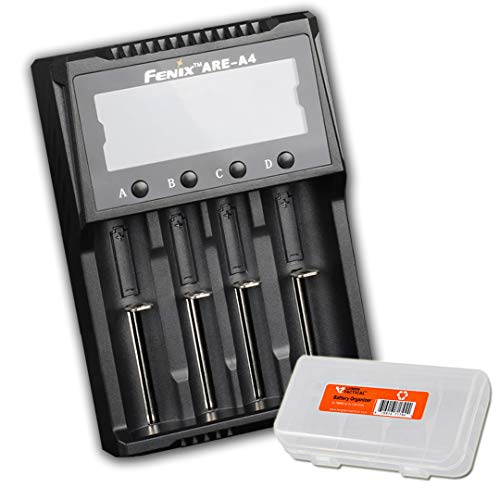
FENIX ARE-A4 Smart Battery Charger with LumenTac Organizer

XTAR MC1 Plus 18650 Battery Charger 1A
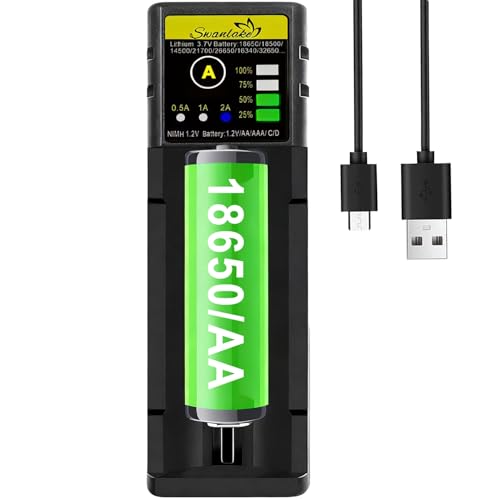
Swanlake Universal Battery Charger for Li-ion and Ni-MH

C3400 Charger Tester Analyzer with Car Adapter

Keenstone Smart Universal Charger LCD Display

EdisonBright Fenix ARE-A2 Charger with BBX5 Carry Case

Blomiky 2 Pack 3.7V 1200mAh Li-ion Battery with USB Cable

DEWALT FLEXVOLT 20V/60V MAX 9.0Ah Battery DCB609
A Deeper Look At The Lineup
The FENIX ARE-A4 is the charger I reach for when a household has grown into “everything rechargeable.” Four bays, each running on its own channel, means a 21700 and a pair of AA Ni-MH cells can charge side by side without one starving the other. The LCD screen tells you what each bay is doing in real time, so you stop guessing whether that old 18650 is actually filling up or just sitting there.
This unit ships with a LumenTac organizer, which is a quietly useful bundle for anyone tired of loose cells rattling around a junk drawer. For mixed chemistry households, especially those running flashlights, headlamps, and radios on different formats, the ARE-A4 makes the daily top-off routine feel less like triage.
Bright Spots
- Independent charging channels, so each bay runs at its own optimal rate
- Wide chemistry support across Li-ion, Ni-MH, and Ni-Cd families
- Clear LCD readout for current, voltage, and charge status per slot
- Included LumenTac case keeps loose cells sorted and protected
- Smart current adjustment helps extend overall battery lifespan
Things To Consider
- Larger desk footprint than a single-bay charger, so plan some space
- Adapter and cables add a bit of clutter behind the outlet
Made For
Households juggling multiple rechargeable formats and chemistries, from outdoor enthusiasts to preppers.
Consider Something Else When
The XTAR MC1 Plus is a better match for travelers who only need to feed one 18650 at a time.
The XTAR MC1 Plus does one job, and it does it well. A single bay, a real 1A constant current output, and a tiny display that tells you the basics. For anyone whose EDC flashlight, vape mod, or work light runs on a single 18650, this is the kind of charger that disappears into a bag and earns its weight on every trip.
The 0V activation function is a quiet rescue feature for cells that have sat too long and dropped below a usable voltage. Compared to the FENIX ARE-A4 above, the MC1 Plus sacrifices throughput for portability, but the trade-off is honest and useful for people who travel light.
Real Benefits
- Genuinely pocket-sized, fits in a backpack or travel pouch
- Constant current output helps preserve cell longevity over time
- Activation mode can recover deeply discharged Li-ion cells
- Simple operation without menu diving or button confusion
Trade Offs
- Single bay only, so swapping between batteries takes patience
- No Ni-MH support, so AA households will need a second charger
- Micro-USB input rather than modern USB-C on most units
Who It Suits Best
Travelers, shift workers, and EDC fans who top off one cell at a time and value portability.
Look Elsewhere When
The Swanlake universal charger suits multi-format families who need AA and 18650 support in one station.
The Swanlake universal charger is the kind of flexible bay that quietly solves the “I have everything” problem. It accepts a long list of Li-ion sizes and the common Ni-MH household formats, including C cells that many chargers ignore. A “Q1” button lets you toggle between 0.5A, 1A, and 2A rates, which matters more than people expect when you want fast top-offs on bigger cells.
For mixed households running both rechargeable AA toys and 18650 flashlights, this is the all-in-one that replaces a pile of single-purpose units. Where the FENIX ARE-A4 leans on independent channel intelligence, the Swanlake leans on adjustable per-slot current at a friendlier cost.
The Case For It
- Supports C cells and other formats that often get left out
- Three current settings let you match speed to cell size
- LCD progress indicator shows approximate fill level
- Auto shutoff once cells reach full charge
Honest Caveats
- Lacks independent channels, so mixing cell sizes can stretch charge times
- 2A mode should be reserved for larger cells to avoid stress on smaller formats
- Build is functional rather than premium, so handle the springs with care
Feature Snapshot
Best Suited To
Families and hobbyists who want one station that handles both household AAs and Li-ion 18650s without juggling multiple plugs.
Swap It Out When
The FENIX ARE-A4 makes more sense for users who want truly independent channels and a sturdier enclosure.
The C3400 is less of a charger and more of a battery workbench. It charges, discharges, and analyzes round cells across Li-ion, Ni-MH, and Ni-Cd chemistries, which makes it a different kind of tool than anything else on this list. People sorting through old flashlight batteries or maintaining a fleet of RC packs find this level of data useful for spotting weak cells before they ruin a session.
The car adapter is a real perk for road trips, mobile repairs, or anyone running gear off-grid. Where the Swanlake above focuses on flexible charging, the C3400 leans hard into measurement and capacity testing.
What Makes Sense
- Capacity testing reveals true cell health beyond surface voltage
- Wide cell format support across Li-ion and Ni-MH families
- 12V car adapter included for mobile and field use
- Useful for matching cells in packs that need balanced capacity
Points To Note
- Interface is functional, not pretty, with a steeper learning curve
- Cycle testing takes hours, so patience is part of the workflow
- Bulkier than simple chargers and less travel-friendly
The Right Fit
Bench hobbyists, RC enthusiasts, and flashlight collectors who want hard data on cell condition rather than guesswork.
A Better Fit Elsewhere
The XTAR MC1 Plus is a smarter grab for travelers who just need a quick, reliable single-cell charge.
The Keenstone universal charger pulls in chemistries that the average household never thinks about, including LiFePO4, IMR, and INR formats. For two-way radio users, flashlight modders, and anyone dealing with RCR123A cells, this coverage matters. The four-slot LCD display gives real-time feedback on each bay, similar in spirit to the FENIX ARE-A4 but at a different price tier.
Built-in circuit protection helps defend against bad cells, which is reassuring for anyone charging older or unknown-condition batteries. Where the Swanlake unit focuses on size flexibility, the Keenstone focuses on chemistry flexibility.
Everyday Advantages
- Handles uncommon chemistries like LiFePO4 and IMR safely
- Per-bay LCD readout keeps each slot’s status clear
- Wide support for radio and flashlight cell formats
- Built-in protection circuitry reduces risk on older cells
Worth Noting
- LiFePO4 support needs correct voltage selection, so read the manual
- Slot spacing can be tight with protected 26650 cells
Quick Facts
Who Will Love This
Two-way radio operators, preppers, and flashlight hobbyists working with diverse Li-ion and Ni-MH cell types.
Reach For A Different Pick When
The FENIX ARE-A4 is the better match for users who value a bundled carrying case alongside charging.
The EdisonBright Fenix ARE-A2 is the lighter, simpler cousin of the ARE-A4 above. Two bays cover the common Li-ion sizes plus AA, AAA, and C Ni-MH cells, which is enough for most people who aren’t running a charging station. The bundled BBX5 carry case is a useful touch for keeping cells and the charger together in one bag.
Built-in protection covers short circuits, overcurrent, overvoltage, and reverse polarity, which is reassuring for anyone who has fumbled a cell into a slot the wrong way around. Compared to the Keenstone, this is a more restrained package aimed at casual daily use.
Where It Excels
- Two-bay design fits smaller desks and travel kits
- Multi-level protection reduces risk on old or damaged cells
- Includes BBX5 case for tidy storage on the go
- LCD screen shows per-bay charging status clearly
Soft Spots
- Only two bays, so heavy users will queue cells overnight
- No LiFePO4 mode, which matters for some specialty users
Built With In Mind
Casual users with one or two devices who want dependable charging without a four-bay footprint.
Another Choice May Suit
The Swanlake universal charger fits households needing C-cell support and adjustable current modes.
The Blomiky pack is the odd one out, and on purpose. It isn’t a charger, it’s a replacement Li-ion pack with a JST plug aimed at specific RC trucks and foam blasters. For parents whose kid’s toy finally died mid-play, this is the kind of swap-in fix that saves a trip to the hobby shop.
The included USB cable makes topping off the pack straightforward, and the built-in overcurrent protection helps keep things safe during those long foam-dart battles. Where the C3400 above is about analysis, the Blomiky pack is about getting a single toy back in action quickly.
Where It Delivers
- Two-pack format means less downtime between play sessions
- JST plug matches common RC toy connectors
- USB charging cable included out of the box
- Built-in overcurrent protection for safer top-offs
A Few Limitations
- Only fits specific RC toy models, so confirm connector type first
- Lower capacity than larger hobby-grade packs
Perfect Match For
Parents and hobbyists running compatible RC trucks and foam blasters who need a quick replacement pack.
Not Your Match When
Anyone running higher-drain RC vehicles should look at dedicated hobby-grade packs with higher C ratings.
The DEWALT FLEXVOLT DCB609 isn’t an 18650 charger, and that is the point. It represents the platform-style battery system that sits on the other end of the rechargeable spectrum, where tool voltage changes automatically based on the tool it pairs with. For contractors and serious DIYers, this is the battery that replaces a stack of dedicated packs.
Backwards compatibility with the 20V MAX line keeps older tools in play, while 60V and 120V brushless tools get the higher output they need. Compared to the smaller Li-ion chargers in this roundup, the FLEXVOLT is a different category entirely: a heavy-duty workhorse rather than a household top-off station.
Benefits That Matter
- Automatic voltage switching between 20V and 60V platforms
- Large 9.0Ah capacity supports longer runtimes on demanding tools
- Backwards compatible with the 20V MAX tool family
- Solid build suited for jobsite conditions
Things To Weigh Up
- Only useful inside the DEWALT tool ecosystem
- Heavier than compact cells, which adds fatigue on overhead work
Core Details
Right Fit For
Contractors and serious DIYers already invested in DEWALT cordless tools who need a single high-capacity pack.
Where Another Pick Suits Better
The FENIX ARE-A4 covers household Li-ion and Ni-MH cells, which the FLEXVOLT system never touches.
Picking The Right Rechargeable 18650 Li Ion Battery Setup
Start with the chemistry and cell formats you actually own. A household running 18650 flashlights, 21700 work lights, and AA remotes needs a charger that recognizes all of them, which is where universal units like the Swanlake or Keenstone earn their place. Anyone charging single cells on the go benefits more from a compact single-bay unit like the XTAR MC1 Plus than from a four-bay station that stays home.
Independent charging channels matter more than people expect. Bays that share a current budget force you to babysit what gets plugged in together, which slows down real use. Chargers with separate channels, such as the FENIX ARE-A4, let mixed sizes charge at their own optimal rates without compromise.
For deeper analysis or fleet maintenance, the C3400 tester is the kind of gear that turns vague “this battery feels weak” into actual capacity numbers. Hobbyists running RC packs or staging flashlights for emergency kits get real value from that data, even if casual users won’t.
If your rechargeable life is dominated by cordless power tools rather than handheld cells, you are looking at platform batteries like the DEWALT FLEXVOLT, which sit in a different category altogether. Choosing between a household Li-ion charger and a tool platform battery comes down to whether your gear has standardized swappable packs or loose 18650s.
Slip Ups Shoppers Run Into
Pitfalls Shoppers Hit
The most common mistake is grabbing a charger based on size alone. A “universal” label means little if the unit shares current across bays or skips common formats like C cells. Confirm that each bay runs independently and that the chemistry list includes everything you actually own.
Another trap is ignoring LiFePO4, IMR, or INR cells. Standard Li-ion chargers handle these poorly, and mismatched voltage ranges shorten cell life. Pick a unit like the Keenstone that explicitly supports those chemistries when your collection includes them.
Where The Extra Money Goes
Higher-tier chargers earn their premium through independent channels, accurate readouts, and broader chemistry coverage. The difference shows up in cell longevity, fewer mystery dead cells, and less time swapping batteries in and out.
Spending more makes sense when a single charger feeds a household, a workshop, or an emergency kit. For a single flashlight or vape mod, a compact unit does the same job at a fraction of the cost.
Frequently Asked Questions
Can one charger handle both 18650 and AA batteries?
Yes, several universal chargers on this list support both. The Swanlake and Keenstone units cover Li-ion sizes and Ni-MH AA, AAA, and C cells in one bay set.
What does independent charging mean?
Independent bays each manage voltage and current on their own. That lets you charge a 18650 and an AA Ni-MH side by side without one cell slowing the other down.
Is LiFePO4 support important?
LiFePO4 cells, sometimes called LFP, use a different voltage curve than standard Li-ion. Chargers without dedicated support can undercharge or stress them over time.
How does a battery tester differ from a regular charger?
A tester like the C3400 runs discharge cycles to measure real capacity, not just fill level. That data is useful for spotting weak cells before they fail in real use.
Are tool platform batteries a substitute for 18650 chargers?
No, they serve different ecosystems. A DEWALT FLEXVOLT pack only fits DEWALT tools, while an 18650 charger handles loose flashlights, radios, and household cells.
Closing Remarks
The right charger depends less on specs and more on the way you actually charge. Match the unit to your chemistry mix, your bay count, and your tolerance for guessing. A household with diverse cells does well with an independent multi-bay, while a single-cell traveler gets more mileage from a pocket unit. The gear above covers those everyday scenarios without overpromising, so the choice comes down to the routine you already have.
