

You want steady power without turning a campsite into a racket, and that means looking closely at noise level, output, and how easy a unit is to move. These seven picks cover everything from ultralight weekend use to heavier backup duty, so you can match the generator to your tent, trailer, or emergency setup without overbuying.
Quick Look At Our Shortlist

Oxseryn Power Equipment 4400 Watts Inverter Generator

ERAYAK 2400W Portable Inverter Generator
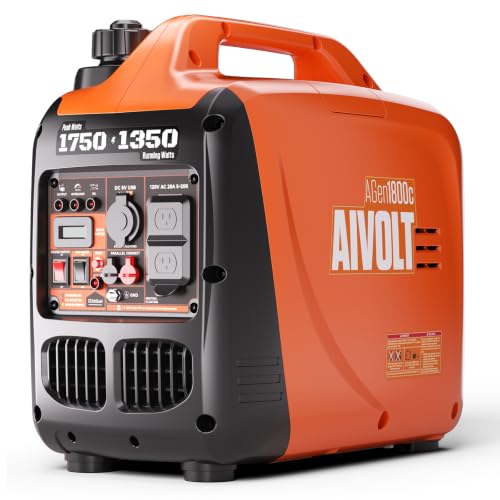
AIVOLT 1750W Inverter Generator Portable Gas Generator

AIVOLT 1600W Super Quiet Inverter Generator 28lbs

Pulsar PGD40ISCO Ultra Light Quiet 4000W Portable Gas Inverter Generator

Oxseryn 2800-Watts Portable Inverter Generator

PowerSmart 2500 Watt Portable Inverter Generator
More Details On Our Top Picks
The bigger output makes this Oxseryn a practical step up for campsites that also need backup-style flexibility. The open-frame build keeps it straightforward rather than fancy, and ECO mode helps it feel less wasteful during lighter loads.
That mix suits RV weekends, backyard get-togethers, and home-use plans where you want one machine for more than one job. The trade-off is size and noise, which usually come with this style of generator, so it fits best in settings where portability matters less than capacity.
What We Like
- 4400 watts gives you room for a broader mix of gear.
- ECO mode helps the engine back off under lighter demand.
- RV-ready wording makes the setup fit travel rigs more naturally.
- Open-frame construction keeps the layout plain and easy to understand.
Things To Consider
- Open-frame generators usually feel less compact in a packed vehicle.
- Higher-output units tend to ask for more storage space.
- Campers chasing the quietest possible footprint may prefer a smaller inverter.
Feature Snapshot
Who It Suits Best
You get the most from this pick when your campsite setup leans toward trailers, larger tents, or mixed home-and-outdoor use.
A Better Fit Elsewhere
AIVOLT 1750W Inverter Generator Portable Gas Generator suits solo campers who care more about one-hand carry and lower output than broad power reserves.
The ERAYAK lands in a useful middle space, smaller than the 4400-watt Oxseryn but still roomy enough for camping plus home backup habits. That makes it easy to picture in a garage, a trailer tongue area, or the back of a vehicle on a weekend trip.
You also get ECO mode and a gas engine, which keeps the package familiar instead of fussy. For most mixed-use households, that balance is the point, although heavier electrical demands will naturally push you toward something larger.
Bright Spots
- 2400 watts gives you a solid middle ground for camp basics.
- Small-form portability makes loading and storage less awkward.
- ECO mode suits quieter, lighter-duty stretches of use.
- Gas-powered operation stays familiar for routine refueling.
Small Caveats
- Midrange output still calls for realistic load planning.
- Campers running several appliances at once may need more headroom.
- A compact body can still mean careful packing around handles and cords.
Core Details
Who Will Love This
You suit this model best when you want a portable camp generator that still feels credible for home-use chores.
Another Choice May Suit
Oxseryn 2800-Watts Portable Inverter Generator fits you better when you want a bit more output and a fuel shutoff feature in the same general size class.
Weight matters more than people expect once you’re hauling gear from the trunk to the site, and this AIVOLT keeps that part easier. At 26.5 pounds, it sits in the category of small generators that feel manageable in one hand rather than like a loading chore.
The other big draw is the cleaner power language, with low total harmonic distortion, or THD, which matters for sensitive electronics that dislike rougher output. That makes it a smart camping fit for phones, laptops, and small devices, though the lower wattage means you still need to keep the load modest.
Reasons To Buy
- 26.5-pound weight keeps hauling simple.
- One-hand carry makes quick moves less awkward.
- Under 3% THD is helpful for sensitive electronics.
- ECO mode stretches lighter-use stretches more sensibly.
- CO auto-shutoff adds a useful layer of operational caution.
Worth Noting
- Lower wattage suits modest camp loads rather than bigger rigs.
- Smaller fuel and output expectations suit shorter sessions better.
- Lightweight gear can still feel less planted in rough storage.
Details At A Glance
Built With In Mind
You fit this generator best when you camp light, move often, and want a more portable machine than the larger Oxseryn and Pulsar options.
Swap It Out When
ERAYAK 2400W Portable Inverter Generator suits you better when your campsite routine needs more power headroom and a less exacting load plan.
This one trims size and output a little more than the 1750W AIVOLT, so it feels aimed at very modest camp power needs. At 28 pounds, it stays portable without pretending to be featherlight, and the 57 dBA figure gives you a clearer noise reference than vague quiet claims.
The pure sine wave wording matters for the same reason the THD figure does on the previous pick, it signals cleaner output for devices that prefer steadier current. For tent camping, tailgate use, or short backup runs, that combination makes sense, though you’ll want to respect the lower running output.
Positives
- 28-pound frame stays easy to shift.
- 1260W running output suits small appliance loads.
- 57 dBA gives a concrete noise benchmark.
- Pure sine wave output helps with sensitive electronics.
Areas To Watch
- Lower running output narrows what you can power together.
- Smaller capacity works better for short, simple routines.
- Compact bodies often reward careful cord and fuel storage.
Spec Overview
The Right Fit
You fit this model well when your camping setup is small, tidy, and mostly built around modest electrical needs.
Where A Sibling Pick Shines
AIVOLT 1750W Inverter Generator Portable Gas Generator suits you better when you want a lighter carry and a bit more electrical breathing room.
Pulsar’s PGD40ISCO sits closer to the power-forward end of this lineup, with 4,000 peak watts and 3,200 rated watts for bigger campsite jobs. That difference matters in real use, because you’re less boxed in by appliance overlap, though it still keeps the portable inverter format instead of jumping to a bulky machine.
It suits travel trailers, small groups, or anyone who wants more headroom than the lighter AIVOLT units offer. The honest read is that the extra power will usually mean more weight and a larger footprint, so it pays to value output before chasing convenience alone.
Upsides
- 4,000 peak watts supports a broader load mix.
- 3,200 rated watts gives the spec sheet real staying power.
- Portable inverter design still fits camping storage better than large open-frame units.
- White finish gives it a cleaner visual profile than many dark utility models.
Points To Note
- Higher output usually asks for more room in transport.
- Heavier-duty use can mean more attention to fuel planning.
- Shoppers focused on ultralight hauling may find it more than they need.
Technical Sheet
Who Should Grab It
You suit this generator best when campsite power demand stays high and you want fewer compromises on output.
Look Elsewhere When
AIVOLT 1600W Super Quiet Inverter Generator 28lbs fits better for campers who care more about compact handling than extra headroom.
This Oxseryn lands in a nice middle lane, with 2,800 watts, a 1.1-gallon fuel tank, and a 39-pound frame that stays portable without feeling tiny. The fuel shutoff feature matters in real ownership because it helps you manage storage and routine maintenance more cleanly after a trip.
Compared with the smaller PowerSmart and AIVOLT units, you get more breathing room for campsite appliances without jumping all the way up to the 4400-watt Oxseryn. That makes it appealing for campers who want a practical backup machine that still feels reasonable to move around.
Best Bits
- 2800 watts gives more usable range than the compact picks.
- Fuel shutoff helps with storage and post-trip routine care.
- 1.1-gallon tank suits moderate sessions without constant refilling.
- 39-pound weight keeps portability within reach for many setups.
Honest Caveats
- Midweight gear still calls for careful lifting and loading.
- The tank size fits moderate use better than marathon runtime goals.
- Campers after the lightest carry may prefer the AIVOLT 1750W model.
Feature Rundown
Whose Shelf It Belongs On
You suit this generator best when you want a middleweight camping unit with more flexibility than a compact carry model.
Reach For A Different Pick When
ERAYAK 2400W Portable Inverter Generator fits you better if you want a slightly lighter, simpler portable option for lighter trips.
PowerSmart keeps the pitch simple, and that can be the right answer for campers who want clean inverter power without extra complexity. The 2500-watt class sits between the smaller AIVOLT units and the more powerful Oxseryn and Pulsar models, so it feels like a practical middle step.
That kind of balance usually works best for general campsite duty, from charging devices to running a few essentials. You may find it especially appealing for weekend trips, since it avoids the overbuilt feeling of larger output units while still giving you useful headroom.
Highlights
- 2500 watts gives you a sensible middle point.
- Clean power wording suits electronics-focused camp setups.
- Portable inverter format keeps the footprint manageable.
- Simple spec profile makes comparison shopping easier.
Softer Spots
- Midrange output still needs careful appliance planning.
- Campers needing larger backup capacity may outgrow it.
- Basic presentation means fewer standout extras than some rivals.
Core Details
Made For
You fit this generator best when you want straightforward portable power for regular camping use.
Where Another Pick Suits Better
Pulsar PGD40ISCO Ultra Light Quiet 4000W Portable Gas Inverter Generator suits you better when your gear list and appliance load run larger than a typical weekend setup.
How To Choose The Right Quiet Camping Generators
Power, Noise, And Real Camp Use
Start with the load you actually plan to run, not the biggest number you can find. A phone charger, fan, and small cooler ask for very different headroom than a coffee maker or a trailer setup.
Noise matters just as much at a campsite, because a quieter generator feels less intrusive to the space around you. Decibel numbers help here, but the practical question is whether the unit stays easy to live with after sunset.
Portability Beats Raw Output For Many Trips
Weight and handle design matter more than people expect once the generator leaves the driveway. A 26.5-pound unit like the AIVOLT 1750W is a different kind of task than a larger open-frame machine, and that difference shows up in how often you’ll move it.
Storage also matters, especially in an SUV, trailer, or packed garage. Smaller inverter units take up less room, but the trade-off is less room for powering multiple devices at once.
Features That Make Ownership Easier
ECO mode, fuel shutoff, and cleaner output are not just spec-sheet decoration. They change how the unit behaves during lighter use, how it stores after a trip, and how comfortably it works with sensitive gear.
Look for details that fit your habits, not your wish list. Weekend campers usually want simple handling, while people blending camping with backup use often need more output and a broader feature set.
Things Worth Knowing First
Hidden Buying Traps
One common mistake is choosing a generator by peak wattage alone. Running wattage, weight, and noise level tell you more about the day-to-day experience.
Another slip is underestimating how much space the unit takes in transit. A machine can look compact in a listing and still feel awkward once cords, fuel, and accessories join the load.
Where The Extra Money Goes
Higher-tier models usually pay for more output, cleaner power delivery, and features that make the machine easier to live with. That can include fuel shutoff, lighter framing, or more refined inverter behavior.
The upgrade makes sense for campers who also want backup power or run a wider mix of gear. For simple tent trips, that extra cost can be hard to justify.
Frequently Asked Questions
How much power do you need for camping?
Most camping setups do fine with modest output for lights, charging, and a small appliance or two. Bigger trailers or backup-style use call for more breathing room.
Why choose an inverter generator?
Inverter units are built to give steadier electrical output, which matters for sensitive electronics. They also tend to be easier to live with in campsites because many are designed around lower-noise operation.
Does weight really matter that much?
Yes, especially once you move the generator from the vehicle to the site. A lighter unit gets used more naturally because it feels less cumbersome to carry.
What does ECO mode do?
ECO mode lets the engine back off during lighter demand. That can make everyday campsite use feel more sensible and less wasteful.
Should you favor a bigger model for backup use?
A larger model usually gives you more flexibility when camps turn into outage support. The trade-off is extra size, weight, and less casual portability.
Final Thoughts
The right quiet camping generator depends on how you travel, how much gear you run, and how often you want to move the unit. The light AIVOLT models make sense for simple trips, while the Oxseryn and Pulsar options suit campers who need more output or broader backup use. PowerSmart and ERAYAK sit in a very usable middle zone, which is often where many setups land. Match the generator to your camp routine, and the whole setup feels easier from the first start.
