

Power cuts feel manageable until the fridge warms up, the internet drops, and the house goes quiet in all the wrong ways. This roundup focuses on propane-ready home generators that fit different spaces, from compact inverter picks for lighter backup to heavier tri-fuel units for whole-home coverage. You’ll see where each model fits best, what kind of upkeep it brings, and where the trade-offs start to matter.
The Shortlist At A Glance

Westinghouse 2550 Peak Watt Portable Inverter Generator

DuroMax XP13000HXT 13,000-Watt 500cc Tri Fuel Generator

Champion Power Equipment 4000-Watt Dual Fuel Inverter Generator

DuroStar DS13000MX 13,000-Watt 500cc Dual Fuel Generator
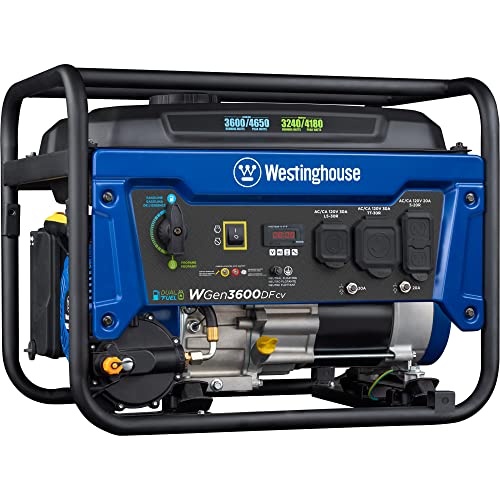
Westinghouse 4650 Peak Watt Dual Fuel Portable Generator

Westinghouse 18000 Peak Watt Tri-Fuel Home Backup Generator
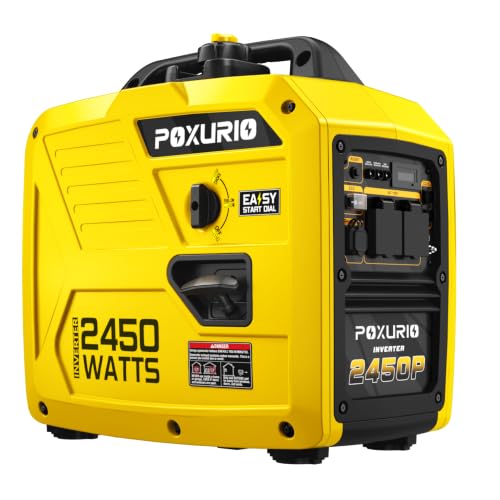
2450-Watt Inverter Generator for Home Use

DuroStar DS13000MXT 13,000-Watt 500cc Tri Fuel Generator
More Details On Our Top Picks
For apartment-sized backups, weekend cabins, and tight garage storage, this Westinghouse keeps the footprint modest. The inverter design matters because it usually gives you steadier power for sensitive electronics than a basic open-frame unit, and the 30A RV outlet opens up more connection flexibility.
The trade-off is simple, you’re choosing portability over brute force. Compared with the larger DuroMax and DuroStar units below, this one makes more sense for essentials, small appliances, and lighter propane use rather than whole-house coverage.
Strong Points
- Lightweight build makes moving and storing easier.
- RV-ready 30A outlet broadens connection options.
- Dual-fuel setup gives you fuel flexibility.
- Parallel capability leaves room to scale later.
- CO sensor adds a useful layer of shutdown awareness.
Things To Consider
- Output suits lighter backup, not full-house loads.
- Smaller format means you’ll refill more often during longer outages.
- Portability is a plus, though it usually brings a lighter-duty frame than the bigger home-backup models.
Feature Snapshot
Who It Suits Best
You’ll get the most from this pick in a small home, RV setup, or backyard emergency kit where easy handling matters as much as output.
Where A Sibling Pick Shines
Westinghouse 4650 Peak Watt Dual Fuel Portable Generator suits you better when your backup list includes a refrigerator, a sump pump, and a few extra circuits.
Once you move into real backup planning, the XP13000HXT starts making sense fast. The 500cc engine, tri-fuel setup, and CO alert point toward homes that need a serious margin of power and the option to choose propane, gas, or natural gas depending on the outage setup.
That flexibility does come with bulk and noise expectations that are closer to a home-backup workhorse than a casual portable unit. Compared with the Westinghouse 2550, this is for owners who want to keep more circuits alive, not just the basics.
What We Like
- Tri-fuel design gives you three fuel paths.
- Large output capacity suits more demanding backup plans.
- CO alert adds a practical safety-minded feature.
- Strong fit for transfer-switch-based home setups.
Points To Note
- Size and weight are part of the package, so storage and placement need forethought.
- Higher-output units like this usually need more space, more fuel planning, and more routine care.
- It makes sense for serious backup use, but it can be more generator than a small household needs.
Core Details
Who Should Grab It
You’ll appreciate this model most in a home that needs broad circuit coverage and fuel flexibility during longer outages.
A Better Fit Elsewhere
Champion Power Equipment 4000-Watt Dual Fuel RV Ready Portable Inverter Generator suits lighter-duty households and RV users who want easier handling.
This Champion sits in the useful middle ground between the compact Westinghouse 2550 and the heavier DuroMax units. The dual-fuel setup and RV-ready format suit campers, tailgaters, and homeowners who want backup without hauling around a giant frame.
The quiet-technology angle matters most in close quarters, like a driveway beside the house or a campsite with nearby neighbors. The honest read is that this is a practical balance pick, not the answer for full-home loads, but that balance is exactly the point for many setups.
Upsides
- Dual-fuel design gives you flexible fueling.
- RV-ready setup suits travel and temporary backup.
- Inverter design is a plus for steadier household electronics.
- Moderate size makes it easier to store than large home-backup units.
Worth Noting
- Power output fits lighter backup, not whole-home duty.
- Quiet technology helps, though any generator still needs sensible placement.
- Moving up to a larger model may make sense for heavier appliances.
Details At A Glance
Made For
You’ll like this one most for RV trips, shorter outages, and backup plans that favor portability over maximum output.
Look Elsewhere When
DuroStar DS13000MX makes more sense for you when whole-home transfer-switch planning matters more than compact handling.
Remote electric start changes the feel of this DuroStar in a very practical way, especially during storms or early-morning outages. The 13,000-watt class and transfer-switch-ready design point toward households that want a stronger backup plan without jumping to an even larger tri-fuel unit.
Compared with the DuroMax XP13000HXT, this one trims the fuel menu to gas and propane, which some homes will actually prefer for simplicity. The trade-off is less flexibility, but the layout stays focused on home backup, RV use, and emergency readiness.
Reasons To Buy
- Remote start is convenient in bad weather.
- Transfer-switch-ready design supports home backup planning.
- Large output suits heavier household loads.
- Dual-fuel setup gives you gas and propane options.
Room For Improvement
- Large-capacity equipment needs thoughtful storage and placement.
- Dual-fuel is useful, though tri-fuel flexibility is broader.
- Routine upkeep matters more once a generator becomes part of a serious home-backup plan.
Quick Facts
The Right Fit
You’ll get the most value from this model in a house that wants easy starting, meaningful output, and backup connections that feel organized.
Where Another Pick Suits Better
Westinghouse 18000 Peak Watt Tri-Fuel Home Backup Generator suits larger homes that want the extra headroom and natural gas support.
This Westinghouse feels like the middle lane done well, with enough capacity for core household backup but not so much bulk that storage becomes a project. The RV-ready 30A outlet and CO sensor make it especially appealing for owners who want one unit that can serve both travel and emergency use.
Compared with the smaller Westinghouse 2550, it has more breathing room for heavier essentials. The honest caveat is that it still sits below the giant DuroMax and Westinghouse home-backup machines, so you’re choosing a sensible middle ground rather than a full-house solution.
Best Bits
- Dual-fuel design keeps fueling flexible.
- RV-ready outlet broadens real-world use.
- CO sensor adds a helpful protective layer.
- Midrange size is easier to manage than larger backup units.
Softer Spots
- Output is solid for essentials, but not for very heavy whole-home loads.
- Like most generators in this class, placement and routine care still matter.
Feature Rundown
Whose Shelf It Belongs On
You’ll fit this generator best in a home or RV setup that needs practical backup without going into oversized territory.
Skip It When
Westinghouse 18000 Peak Watt Tri-Fuel Home Backup Generator is the smarter route for very large households that need more circuit coverage.
For large homes, this is the sort of generator that starts to feel like a serious utility rather than a weekend accessory. The tri-fuel setup, remote electric start, transfer-switch readiness, and CO sensor all point toward a system built for more demanding outage planning.
Compared with the Westinghouse 4650 and the DuroStar DS13000MX, this one sits higher on output and fuel flexibility. The trade-off is size, placement, and upkeep, so it suits a home where backup power is part of the long-term plan instead of an occasional convenience.
Highlights
- Tri-fuel support gives you the widest fueling flexibility in this list.
- Remote start improves convenience during stressful outages.
- Transfer-switch-ready design supports a more permanent home setup.
- Large output better matches bigger homes and heavier circuits.
Small Caveats
- Large-capacity backup units need more storage space and a clear placement plan.
- Natural gas, propane, and gasoline readiness is helpful, though setup becomes more involved.
- This level of power can be more than a small household needs.
Core Details
Best Suited To
You’ll get the most value from this pick in a larger home that needs strong backup coverage and fuel choices that suit long outages.
A Better Fit Elsewhere
DuroStar DS13000MX fits you better if you want a dual-fuel setup with remote start but don’t need tri-fuel flexibility.
This POXURIO unit stands out more for sensible runtime than for raw output. The 1.6-gallon fuel tank and up to 8.3 hours of use make it appealing for overnight backup, a few appliances, or a job where you want a compact gasoline inverter with manageable reach.
Compared with the Westinghouse 2550, it stays in the small-generator lane but leans harder into runtime planning. The trade-off is predictable, you get a lighter load solution instead of a propane-ready backup machine, so it suits households that mainly need essentials rather than fuel flexibility.
Positives
- Inverter design supports more stable household power use.
- Large fuel tank helps extend runtime between refills.
- Compact format is easier to store than larger home-backup units.
- Good fit for lights, routers, and small appliances.
Areas To Watch
- Gas-only operation means less fuel flexibility than the dual- and tri-fuel options above.
- It suits lighter backup needs, not full-home support.
- Inverter units tend to reward regular maintenance and clean fuel handling.
Feature Card
Built With In Mind
You’ll like this best for a smaller home, shed, or emergency kit where runtime matters more than a fuel menu.
Another Choice May Suit
Westinghouse 4650 Peak Watt Dual Fuel Portable Generator suits you better once your backup list includes a refrigerator or a sump pump.
The DS13000MXT lands very close to the DS13000MX, but the tri-fuel setup gives it a broader emergency toolkit. That matters for households that want gas, propane, and natural gas support without stepping up to the Westinghouse 18000 class.
You’ll still want space, planning, and a realistic sense of household load, because this is not a small portable. For a home that prizes flexibility over compactness, it’s a strong middle-to-large backup option.
Bright Spots
- Tri-fuel support gives you multiple fueling paths.
- Remote electric start makes operation easier.
- Large output suits broader home backup use.
- Transfer-switch-ready design supports home integration.
Honest Caveats
- Like other high-output units, it needs room and a plan.
- Tri-fuel convenience comes with more setup complexity than a simple small inverter.
- It’s more generator than many smaller homes will need.
Technical Sheet
Who Will Love This
You’ll appreciate this model most when you want a flexible backup generator for a larger home and expect outages to last long enough for fuel choice to matter.
Swap It Out When
Champion Power Equipment 4000-Watt Dual Fuel RV Ready Portable Inverter Generator is the better fit for lighter travel use and easier storage.
How To Choose The Right Propane Home Generators
Size, Output, And Real Load Needs
Start with the appliances you actually want to keep running. A small inverter like the Westinghouse 2550 or the POXURIO 2450-watt model handles lights, networking gear, and a few essentials, while the 13,000-watt and 18,000-watt units move into refrigerator, pump, and whole-home planning.
The number on the box matters less than the mix of loads you’re trying to cover. Starting wattage, which is the brief surge many motors need, can be higher than running wattage, so pumps and compressors deserve special attention.
Fuel Flexibility And Storage Practicality
Dual-fuel and tri-fuel machines make life easier during long outages because you can work with what’s available. Propane stores cleanly and keeps well, natural gas supports fixed home setups, and gasoline can help in a pinch.
The trade-off is that more fuel paths usually mean more setup, more connections, and more things to think through before the lights go out. For a garage or shed, that’s manageable, but a small storage area may suit a simpler dual-fuel inverter better.
Noise, Portability, And Daily Handling
Inverter generators tend to be friendlier near living spaces because they’re designed around steadier output and quieter operation. That makes them a better match for patios, RVs, and close-by backup use, while open-frame home-backup units are better left to spaces where noise is less of a concern.
Portability also affects whether you’ll actually use the machine the way you planned. A lighter model is easier to roll out for storm season, but a heavier one can make sense if it stays near a transfer switch and serves as part of your home’s standby routine.
Connection Types And Home Backup Setup
An RV-ready 30A outlet is useful for travel rigs and certain home applications, while transfer-switch-ready designs are aimed at more permanent emergency power plans. Those details matter because they decide how cleanly the generator fits into your routine.
Think about who will operate it, where it will sit, and how often it will need to move. A straightforward setup is easier to live with, while a more capable machine rewards households willing to do a little more planning.
Things Worth Knowing First
Wrong Turns To Avoid
Many shoppers get distracted by wattage alone and miss the practical details, such as outlet type, fuel source, and whether the unit suits their storage space. A generator that looks powerful on paper can still be awkward in a real garage.
Another common miss is ignoring maintenance habits. Oil care, fuel handling, and periodic start-ups matter more as the generator gets larger and more central to your outage plan.
Where The Extra Money Goes
Higher-tier models usually buy you more output, broader fuel choices, remote start convenience, and home-backup features such as transfer-switch readiness. Those extras are not just nicer on paper, they can save time and make outage setup feel less clumsy.
That upgrade starts to make sense once you’re protecting several rooms, a refrigerator, or a sump pump at the same time. For a light-duty backup setup, spending up may not change daily life much, but for a larger household it can make the generator feel far more useful.
Frequently Asked Questions
What Size Propane Generator Works For A Home?
A smaller inverter can cover essentials like lights, internet gear, and a few appliances. Larger homes usually need a much higher output class for broader circuit coverage.
Is Dual Fuel Better Than Propane Only?
Dual fuel gives you more flexibility in an outage because you can switch between fuel sources. Propane-only use is simpler, though it narrows your options.
What Does A CO Sensor Do On A Generator?
A CO sensor helps the unit respond to dangerous carbon monoxide buildup awareness. It adds a useful layer of protection, especially around home backup use.
Should You Choose An Inverter Model?
Inverter models suit households that want steadier output for electronics and a more manageable noise profile. Open-frame units make more sense for bigger loads and fixed backup setups.
Do You Need A Transfer Switch?
A transfer switch is useful when you want a cleaner connection to selected home circuits. It makes emergency power more organized and easier to manage.
Closing Thoughts
The right propane home generator comes down to how much of your house you want to keep comfortable when the grid goes quiet. Small inverter units handle the basics with less fuss, while the heavier dual-fuel and tri-fuel picks give you more room to plan around outages that last longer than expected. The best match is the one that fits your space, your fuel setup, and the appliances you truly care about. Choose for your routine, not for the biggest number on the page.
