

When you need a clean connection for a generator, the details matter fast. The right 4-prong setup can make a house connection, RV hookup, or cord replacement feel straightforward instead of fussy, especially during a storm cleanup or a weekend outage. This roundup focuses on plug styles, cord lengths, and adapter shapes that fit common 30-amp and 50-amp needs. You’ll see which picks suit simple replacement jobs, longer runs, and mixed equipment setups.
Quick Look At The Shortlist
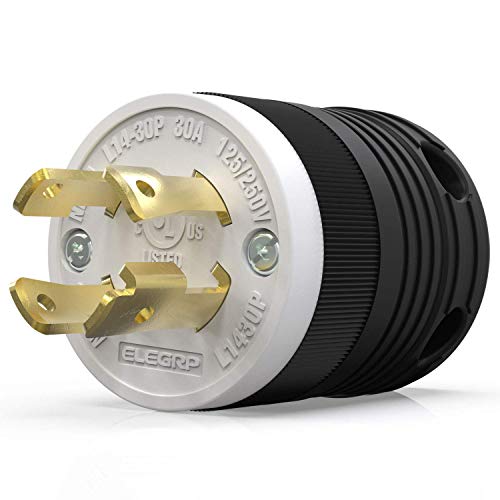
ELEGRP NEMA L14-30R Locking Connector

PlugSaf 25FT 30 Amp Generator Cord

Cable Matters 4 Prong to 4 Wire Range Cord
LANDNOR 50AMP 15Feet Generator Cord with Inlet Box

POWGRN 20FT 30 Amp Generator Extension Cord

Miady NEMA L14-30R Generator Plug

CAMPELIFY RV Generator Power Adapter

CircleCord NEMA TT-30P to L14-30R Adapter Cord
This ELEGRP connector fits the kind of repair job that usually shows up after a worn receptacle gets loose or the old one starts feeling unreliable. The locking style matters because it helps the plug stay put once connected, which is exactly what you want on a generator line that may get bumped in a garage or shed.
Compared with the cord-based picks in this roundup, this one is about restoring a connection point rather than adding reach. The industrial-grade build and 4-wire, grounding-style layout suit DIY electrical replacement work, though you still need the rest of the setup to match the L14-30 format.
Strong Points
- Locking female connector helps keep the connection steady during routine use.
- 30-amp, 125/250V format fits common generator hookup needs.
- Grounding-style, 4-wire layout supports a more complete replacement path.
- Industrial-grade construction suits a garage, utility room, or workshop setting.
Small Caveats
- You only get the connector side, so the rest of the setup has to match.
- The black and white finish is plain, which is fine for utility use but not decorative.
- Connector replacements can take a careful hand during installation.
Feature Card
Who It Suits Best
You get the most from this one during a straightforward receptacle replacement or bench-side cord build where the L14-30 format already matches your gear.
Where A Sibling Pick Shines
PlugSaf 25FT 30 Amp Generator Cord fits you better when you need actual reach rather than a replacement connector.
A 25-foot generator cord lands in a useful middle zone, long enough for many driveway-to-entry runs without turning into a coil you trip over. The 10AWG build, meaning 10-gauge wire, gives this one a sturdy feel for everyday generator-to-house use, and the twist-lock ends suit setups that need a firmer hold.
Compared with the shorter POWGRN cord later in the list, this one gives you more room to position the generator away from windows and doors. The trade-off is simple enough, extra length means more bulk to store, so it suits shoppers who want range more than a compact carry.
What We Like
- 25-foot reach gives you flexible placement around a home or garage.
- 10-gauge construction is a solid match for a 30-amp cord.
- Twist-lock ends help the connection stay seated during use.
- STW jacket is a practical choice for heavy-duty outdoor cord work.
Points To Note
- The extra length takes more storage space than a shorter run.
- Green jacket color is easy to spot, but it still needs tidy coiling after use.
- You need compatible L14-30P and L14-30R gear for the connection to make sense.
Core Details
Made For
You benefit most from this cord during home backup setups where the generator sits a bit farther from the entry point and you want a cleaner cable path.
A Better Fit Elsewhere
POWGRN 20FT 30 Amp Generator Extension Cord suits tighter storage spaces and shorter runs better than this longer PlugSaf cord.
This Cable Matters cord shifts the conversation from generator hookups to range wiring, which makes it a very different kind of 4-prong solution. The 4-foot length keeps things tidy behind a stove or wall-side installation, and the 50-amp rating puts it in a heavier-duty lane than the 30-amp picks above.
Because it uses a NEMA 14-50 plug, it works for modern range-style outlets rather than the L14-30 twist-lock setup you see on generator cords. That difference matters a lot in real homes, so this pick suits stove replacement work far more than portable power transfer.
Bright Spots
- Short 4-foot length keeps the cord path compact behind a range.
- 50-amp rating gives it room for heavier appliance duty.
- 6/8 AWG conductor sizing points to a sturdier cord build.
- UL listing adds useful confidence for appliance replacement work.
- Fits range-side use better than the generator-only cords in this roundup.
Worth Noting
- This is for electric range use, not L14-30 twist-lock generator hookups.
- The short length is tidy, but it leaves little slack for awkward layouts.
- You need a compatible appliance and outlet format for the cord to make sense.
Details At A Glance
Right Fit For
You get the most from this cord during an electric stove replacement or a range upgrade in a newer home with a 4-wire 50-amp outlet.
Another Choice May Suit
Miady NEMA L14-30R Generator Plug is the better match for generator-side connector replacement work.
This LANDNOR setup is aimed at a more complete generator-to-house path, not a simple cord swap. The pre-drilled inlet box matters because it gives you a cleaner starting point for mounting, which is useful during a backup-power setup where you want the connection point organized and fixed in place.
Compared with the plug-only items above, this package feels more installation-focused. The 15-foot cord also sits between short adapter cables and longer transfer runs, so it suits homes that need some reach without turning the setup into a long, unwieldy line.
Upsides
- Inlet box included, so you’re not piecing together a house-entry setup.
- 15-foot cord gives useful reach without feeling overly long.
- Twist-lock style connection supports a more secure hookup path.
- STW construction is a sensible fit for generator cabling.
Areas To Watch
- This is more involved to install than a simple plug or adapter.
- The setup makes the most sense for a fixed transfer-point arrangement.
- Storage takes a little planning because you’re handling both cord and box.
Spec Overview
The Right Fit
You’ll appreciate this most in a home backup setup where you want a mounted entry point and a cord long enough to reach comfortably from the generator.
Look Elsewhere When
PlugSaf 25FT 30 Amp Generator Cord suits a simpler, plug-only generator run better than this inlet-box arrangement.
POWGRN lands in a sweet spot for people who need decent reach without going all the way to a bulkier long-run cord. At 20 feet, it’s long enough for many generator placements around a house or shed, and the cord organizer is a nice practical touch that helps after the job is done.
Compared with the 25-foot PlugSaf cord, this one gives up a little reach in exchange for easier storage. That trade-off tends to work well for garage shelves, utility closets, and anyone who wants a cord that’s easier to coil and carry.
Best Bits
- 20-foot length works well for many common backup-power layouts.
- 10-gauge build suits a 30-amp extension cord well.
- Cord organizer helps keep storage tidier between uses.
- Flame-resistant jacket is a useful practical detail for utility storage.
Things To Consider
- The shorter length may feel tight on larger properties.
- Green cable color is visible, but it still needs careful coiling.
- You need matching L14-30 ends at both sides of the run.
Feature Rundown
Whose Shelf It Belongs On
You’ll like this cord most for a typical home backup setup where 20 feet gives enough working room and easy storage still matters.
Where A Sibling Pick Shines
PlugSaf 25FT 30 Amp Generator Cord fits larger yards better, since the extra 5 feet can matter near tricky placement points.
Miady keeps things simple, which is often exactly what you want from a replacement female plug. The 7,500W figure gives you a quick sense of the load range it’s built around, and the locking style is handy in a utility space where a connection can get tugged or nudged.
Unlike the ELEGRP connector earlier in the list, this one leans into a plain, utility-first replacement role with the same core L14-30R format. That makes it a sensible fit for basic repair work, especially when the rest of the generator cord path is already sorted.
Positives
- Industrial-grade locking design suits routine generator connector replacement.
- 30-amp format fits common portable-power setups.
- Grounding type layout supports a more complete connection style.
- UL listing is a useful detail for home utility gear.
Minor Gripes
- This is a connector-only item, so it doesn’t add cord length.
- The plain style is practical, but it won’t stand out visually.
- Replacement work may take patience if your existing setup is tight.
Technical Sheet
Best Suited To
You’ll get the best value from this connector in a straightforward repair or spare-parts situation where you already know the L14-30 layout.
Skip It When
ELEGRP NEMA L14-30R Locking Connector is the better pick for shoppers who want a similar replacement part with a slightly more premium-feeling industrial finish.
This CAMPELIFY adapter is the kind of short connector that makes RV and camper power matching less awkward. The 12-inch length keeps the setup compact, which helps when you’re trying to keep cable clutter down around a trailer or campsite-style power connection.
Compared with the longer generator cords in this list, this one solves a different problem entirely, converting one plug format to another instead of extending distance. That makes it a smart fit for mobile setups, though the shorter reach means it’s not the answer for generator placement across a yard.
Highlights
- 12-inch length keeps the adapter compact and easy to store.
- STW10/3 construction suits a heavier-duty camper cord role.
- Male 4-prong to 50-amp female layout serves format conversion well.
- Small footprint helps when space around the hookup is tight.
Areas To Watch
- This is an adapter, not a long extension, so reach stays limited.
- It only makes sense for compatible 30-amp and 50-amp matching gear.
- Short cords can be easy to misplace, so storage matters.
Feature Snapshot
Who Should Grab It
You benefit most from this adapter in a camper or RV setup where you need a compact format change rather than a long run.
A Better Fit Elsewhere
CircleCord NEMA TT-30P to L14-30R Generator Adapter Cord suits travel-trailer owners who need a different 3-prong to 4-prong bridge.
CircleCord is aimed at a very specific conversion job, taking a 3-prong TT-30P source and bridging it to an L14-30R connection. The blue STW 10 AWG cable gives it a clean utility look, and the compact shape works well for trailer or transfer-switch situations where a short adapter makes more sense than a long cord.
Compared with the CAMPELIFY adapter, this one solves a different compatibility puzzle, which matters a lot in RV and emergency-power use. The catch is that the format is narrow by design, so it suits a matching setup rather than a general-purpose generator cord.
Reasons To Buy
- TT-30P to L14-30R format handles a specific adapter need neatly.
- 10 AWG cord construction is a practical match for the role.
- Blue jacket makes the cord easy to spot in mixed gear.
- Compact adapter shape helps reduce clutter around the hookup point.
Honest Caveats
- This only helps when your source and destination formats match the adapter.
- The short adapter style won’t replace a real extension cord.
- Adapter cords are easy to overlook in storage, so labeling helps.
Core Details
Who Will Love This
You’ll appreciate this most in a travel trailer or transfer-switch setup where you need a precise 3-prong to 4-prong bridge.
Swap It Out When
CAMPELIFY RV Generator Power Adapter is the better fit for campers who need a 30-amp male to 50-amp female conversion instead.
How To Choose The Right 4 Prong Generator Plugs
Match The Connector Type First
NEMA codes matter more than the shape alone. L14-30, TT-30, and 14-50 all look like practical power hardware, but they serve different jobs, and the wrong one simply will not fit your equipment.
Generator owners usually benefit from checking both ends of the run before anything else. A female plug replacement, a male cord end, and an adapter cord solve different problems.
Choose Length For The Actual Layout
Short cords stay tidy and store easily, while longer ones help you place a generator farther from doors and windows. That extra distance can improve comfort in a backyard or driveway setup, but it also adds weight and bulk.
For house backup use, a 20-foot or 25-foot cord often feels more practical than a tiny adapter. For RV storage, a compact 12-inch or 4-foot piece may be easier to live with.
Look At Wire Size And Amp Rating Together
Wire size, such as 10AWG or 6/8 AWG, tells you how substantial the cord build is. The amp rating tells you the electrical class it’s meant to support, so the two should make sense together.
A 30-amp cord serves a different load profile than a 50-amp range cord. That distinction keeps you from buying something that looks right but fits the wrong job.
Think About Installation And Storage
Some picks are simple plug replacements, while others include an inlet box or adapter shape that changes how you set up the whole connection. The more pieces involved, the more planning you’ll want before installation day.
Storage matters too. Thick cords and box-style kits need more space, while short adapters are easier to stash but easier to misplace.
A Quick Reality Check Before You Choose
Traps First Timers Fall Into
People often focus on the prong count and ignore the connector family. That’s a fast path to a mismatch, especially between generator cords, range cords, and RV adapters.
Another common miss is buying too short a cord for the yard, garage, or transfer point you actually have. Measure the route, not just the straight-line distance.
Where The Extra Money Goes
Higher-tier options usually bring heavier cable, locking ends, included organizers, or a more complete kit with an inlet box. Those details make the setup easier to manage and often easier to keep tidy between uses.
That upgrade tends to matter most for frequent generator use, longer runs, or fixed home backup installations. For a simple spare connector, a basic part can be enough.
Frequently Asked Questions
What Does A 4 Prong Generator Plug Usually Mean?
It usually refers to a grounded connection with separate paths for the electrical lines and the grounding setup. The exact fit still depends on the NEMA code, not the prong count alone.
Can You Use A 30 Amp Cord With A 50 Amp Outlet?
Only with the right adapter and only when the rest of the setup matches. The plug shape and the electrical rating both need to line up with the equipment you own.
Why Do Some Generator Cords Use Twist-Lock Ends?
Twist-lock ends help the connection stay seated after you connect it. That’s useful for generator work where movement or vibration could otherwise loosen a normal plug.
Is A Longer Generator Cord Always Better?
Longer cords give you more placement freedom, which helps in larger yards or tricky house layouts. They also take up more storage space and can be heavier to handle.
Do You Need A Different Cord For An RV And A House Backup Setup?
Very often, yes, because RV plugs and home backup gear use different connector families. The right cord depends on the exact inlet, outlet, and power source you’re matching.
Closing Thoughts
The right 4-prong generator plug depends on the job in front of you, not just the shape of the connector. A replacement receptacle, a house-backup cord, an RV adapter, and a range cord each solve a different problem, so the smartest choice is the one that fits your setup without extra improvisation. For most homes, the most useful options are the ones that balance length, storage, and a clear connector match. Once those three line up, the rest gets much easier.
