

Picking a generator is easier when you match the machine to the job. A camper needs something light and quiet, while a home backup setup asks for more outlet variety, stronger output, and a cleaner path to transfer-switch use. The right choice can feel like the difference between carrying a backpack and hauling luggage on stairs.
This roundup keeps the focus on practical use, not flashy claims. You’ll see compact inverter picks for travel, open-frame options for jobsite duty, and larger units for whole-home backup, so you can sort the field without digging through endless product pages.
Quick Look At The Shortlist
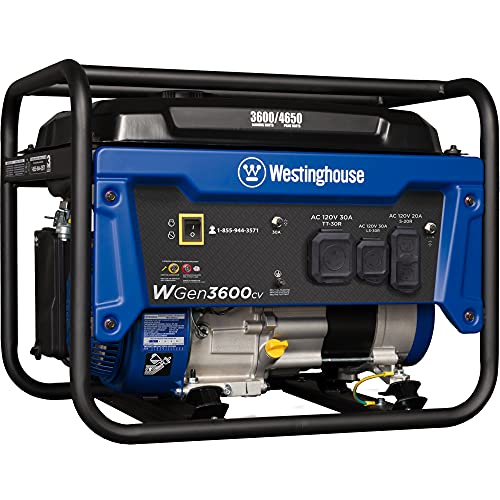
Westinghouse 4650 Peak Watt Portable Generator RV Ready 30A Outlet

Oxseryn Power Equipment 4400 Watts Inverter Generator Portable Open Frame Generator

AIVOLT 1600W Super Quiet Inverter Generator 28lbs Portable

Oxseryn 4400-Watts Inverter Generator Open Frame Generator Gas Powered

AMERISUN 4500W Open Frame Gas Inverter Generator CO Alert 30A RV Outlet

Champion Power Equipment 4000-Watt Dual Fuel RV Ready Portable Inverter Generator
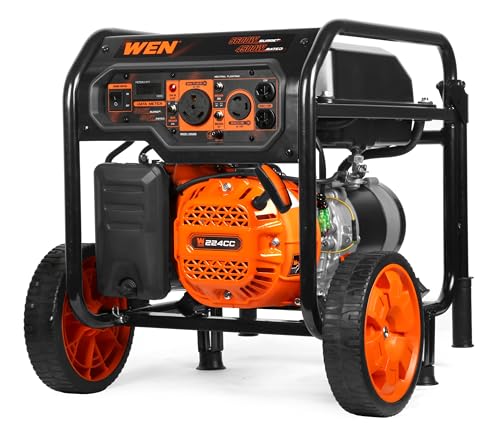
WEN 5600-Watt Portable Generator 224cc Transfer-Switch and RV-Ready GN5600

DuroStar DS13000MX 13,000-Watt 500cc Dual Fuel Portable Generator
More Details On Our Top Picks
This Westinghouse lands in the practical middle ground, which matters for travel trailers and backup tasks that don’t need a giant unit. The 30A RV outlet helps you connect more cleanly to a camper setup, while the gas-powered format keeps refueling straightforward.
You may find it especially useful for weekend trips where you want enough headroom for essentials without moving into a much larger frame. Compared with the smaller AIVOLT, this one makes more sense for heavier demand, though the trade-off is more bulk to store and move.
Strong Points
- 30A RV outlet supports simpler trailer hookup.
- Gas power suits longer stays away from outlets.
- Useful middle-size output for essentials and small appliances.
- Good fit for campers who want less sizing guesswork.
Things To Consider
- Heavier than compact camping-focused inverter units.
- Gas use means routine fuel handling and storage.
- Not the quietest-style option in this lineup.
Key Specs
Who It Suits Best
You fit this pick best when you want RV-ready power for camping, tailgating, or modest backup use without moving up to a much larger house-first machine.
A Better Fit Elsewhere
WEN GN5600 suits you better for transfer-switch backup, while AIVOLT 1600W Super Quiet Inverter Generator 28lbs Portable fits lighter travel needs.
Oxseryn’s open-frame layout gives you a more utility-first feel than the Westinghouse above, so it suits backup-minded setups that still want RV compatibility. ECO mode, or economy mode, reduces engine output under lighter demand, which can help stretch fuel during a calmer evening load.
That same structure can be a little less polished for porch-side use, since open-frame machines usually focus on function first. For home backup, workshop use, or an RV that can tolerate some extra bulk, it makes sense without feeling overbuilt.
What We Like
- 4400-watt class fits a wide range of essentials.
- ECO mode helps match output to lighter loads.
- Open-frame design keeps the build straightforward.
- RV-ready setup adds flexibility for travel and backup.
Worth Noting
- Open-frame styling is less enclosed than compact inverter cases.
- Gas-powered upkeep means fuel and storage planning.
- Noise expectations depend heavily on placement and load.
Feature Snapshot
Made For
You suit this pick best for home backup, RV trips, or a workshop setup where a straightforward open-frame machine makes more sense than a tiny camping model.
Another Choice May Suit
AMERISUN 4500W Open Frame Gas Inverter Generator gives you a similar lane with parallel-ready flexibility, while AIVOLT 1600W Super Quiet Inverter Generator 28lbs Portable works better for lighter travel.
AIVOLT is the smallest-feeling option in this group, and that matters for camping trips where you may carry gear by hand more than once. The 57 dBA noise figure, or decibel rating, signals a quieter profile than the larger open-frame units here, which helps in campsites and close quarters.
The pure sine wave output is important for electronics because it delivers a smoother AC waveform, and the CO auto-shutoff gives it a more cautious feature set than plain budget portables. It’s a smart fit for small loads, though you’ll want a larger machine than this for fridge-heavy backup or long home outages.
Highlights
- 28-pound body is easy to move around camp.
- 57 dBA rating suits quieter outdoor spaces.
- Pure sine wave output better fits sensitive electronics.
- CO auto-shutoff adds a built-in caution layer.
- ECO mode helps reduce output under lighter demand.
Softer Spots
- Running output is far below the larger units here.
- Best suited to compact loads, not whole-home backup.
- Small size can mean more planning around power needs.
Technical Sheet
The Right Fit
You fit this generator best for camping, tailgates, or short trips where low weight and quieter operation matter more than sheer output.
Swap It Out When
Westinghouse 4650 Peak Watt Portable Generator makes more sense for trailer-ready power, while DuroStar DS13000MX serves bigger home backup demands.
This Oxseryn keeps the same 4400-watt class as item two, but the wording here is more centered on emergency backup and RV-ready use. That makes it a sensible middle path for households that want a generator to sit ready for outages without chasing the smallest footprint.
For a garage or side-yard setup, the open-frame style is easy to live with, though it won’t feel as tidy as the enclosed AIVOLT. The EPA-compliant note is part of the listing, and the practical takeaway is simple: this is built for common utility use rather than ornament.
Upsides
- 4400-watt class handles many backup basics.
- RV-ready outlet supports travel use.
- Open-frame format suits utility-minded placement.
- Good middle ground between compact and oversized units.
Areas To Watch
- Open-frame design takes up visible space.
- Gas upkeep means fuel rotation and storage.
- Best suited to practical placement, not quiet indoor-adjacent use.
Details At A Glance
Whose Shelf It Belongs On
You fit this model best if you want a straightforward outage machine with RV compatibility and don’t mind a utility-first frame.
Look Elsewhere When
AIVOLT 1600W Super Quiet Inverter Generator 28lbs Portable suits lighter travel, while WEN GN5600 is the stronger call for transfer-switch home backup.
AMERISUN leans into flexibility, and the parallel-ready layout gives you a path to grow power later without starting over. The CO alert feature adds another layer of awareness, which matters around garages, campsites, or any spot where placement needs careful thought.
It sits close to the Oxseryn 4400-watt models in size class, but the parallel-ready note makes it feel more expandable. You may appreciate that extra planning room for RV trips and jobsite use, though the trade-off is still the usual open-frame footprint.
Best Bits
- Parallel-ready setup leaves room to expand later.
- CO alert adds a useful safety-oriented notice.
- 30A RV outlet supports camper connections.
- ECO mode can help under lighter household demand.
Points To Note
- Open frame takes more visual and storage space.
- Parallel setup only matters when you plan around it.
- Gas operation means ongoing fuel handling.
Quick Facts
Best Suited To
You fit this generator best for RV travel, jobsite support, or backup use where future expansion matters as much as current output.
Where A Sibling Pick Shines
Oxseryn Power Equipment 4400 Watts Inverter Generator suits you better for a simpler, slightly more stripped-back setup, while DuroStar DS13000MX makes sense for larger whole-home needs.
Champion brings dual fuel into the picture, and that usually matters most when you want a little more flexibility in where and how you fuel up. The RV-ready design keeps it relevant for travel, but the larger story is convenience during outages, especially for households that want more than a single-fuel plan.
Compared with the Oxseryn 4400-watt models, this one feels better suited to shoppers who value backup flexibility over the simplest open-frame setup. The trade-off is that dual-fuel hardware can add complexity, so you’ll want to be comfortable with a bit more moving parts and planning.
Reasons To Buy
- Dual-fuel design gives you more fueling flexibility.
- RV-ready setup works for travel and campsite use.
- Inverter layout helps keep power delivery steadier.
- Quiet-technology branding points toward a calmer run profile.
Room For Improvement
- Dual-fuel systems can be more involved to maintain.
- 4000 watts may feel modest for larger backup plans.
- Compact backup users may not need the extra fuel flexibility.
Core Details
Right Fit
You fit this pick best for RV trips, storm prep, or a garage-stored backup unit where fuel flexibility matters more than bare-bones simplicity.
Reach For A Different Pick When
AIVOLT 1600W Super Quiet Inverter Generator 28lbs Portable suits lighter travel, while DuroStar DS13000MX handles far larger home backup loads.
The WEN GN5600 starts to feel like a serious backup machine, especially because transfer-switch compatibility makes it easier to think in terms of household circuits rather than just portable use. The 224cc engine size points to a larger displacement engine, which usually means the machine is built with more sustained load in mind.
Compared with the 4000 to 4500 watt crowd, this one is the cleaner fit for a home that wants a more structured outage plan. You’ll still need room to store and roll it, so the honest read is that this suits a garage or shed better than a compact patio corner.
Positives
- Transfer-switch readiness helps with house backup planning.
- 5600-watt output gives more usable headroom.
- 224cc engine size points to stronger duty support.
- RV-ready design keeps travel use on the table.
- Good fit for households that want structured outage coverage.
Small Caveats
- Storage space matters more with this larger frame.
- Heavier backup gear is less convenient for quick moves.
- More output usually means more planning around fuel use.
Feature Rundown
Built With In Mind
You fit this generator best for home backup planning, especially where transfer-switch compatibility matters more than compact storage.
Skip It When
AIVOLT 1600W Super Quiet Inverter Generator 28lbs Portable suits lighter travel, while Westinghouse 4650 Peak Watt Portable Generator works better for a simpler RV-centered setup.
DuroStar sits at the high-output end of this roundup, and that 13,000-watt class changes the conversation entirely for large homes and serious backup planning. Dual fuel gives you more flexibility in the field, while remote electric start is the kind of convenience that matters most when the machine is stored a few steps away from the door.
Compared with the WEN GN5600, this is the bigger, more forceful option for shoppers who need serious reserve capacity. It’s not the lightest or tidiest machine here, but for whole-home backup, the extra scale makes sense rather than feeling excessive.
Bright Spots
- Very high output suits larger backup loads.
- Dual fuel adds flexibility in how you keep it running.
- Remote electric start saves extra walking and pulling.
- Transfer-switch ready for structured home backup setups.
- RV-ready use extends the machine beyond the house.
Honest Caveats
- Large capacity usually means a larger footprint.
- Storage and mobility matter a lot more here.
- Overkill for small campsites or light household use.
Core Details
Perfect Match For
You fit this generator best for whole-home backup or other high-demand setups that need a serious reserve of power.
Where Shoppers Go Wrong
AIVOLT 1600W Super Quiet Inverter Generator 28lbs Portable suits compact travel, while Westinghouse 4650 Peak Watt Portable Generator is the saner middle step for RV use.
How To Choose The Right Prices On Generators
Match Output To The Job
Start with the load you actually need, not the biggest number in the listing. A 1600W camping unit like the AIVOLT works for light electronics and small gear, while the 5600W WEN GN5600 and 13,000W DuroStar DS13000MX move into much heavier household territory.
Running watts matter because that’s the steady output the machine can keep supplying, while peak watts cover startup bursts for some tools and appliances. The trade-off is clear: more output usually means more weight, more storage space, and more fuel planning.
Pick The Right Format For Your Space
Inverter generators are a smart fit when quieter operation and cleaner power matter, especially around campsites or for electronics. Open-frame models like the Oxseryn and AMERISUN units usually feel more utility-first, which suits garages, job sites, and backup corners better than patio entertaining.
Portable does not always mean easy to move. A 28-pound unit is a different ownership experience from a larger home-backup machine, so you want to think about ramps, storage shelves, and how often you’ll actually roll it out.
Look Closely At Outlet And Fuel Options
A 30A RV outlet is useful for camper hookup, and transfer-switch readiness matters when you want cleaner home backup integration. Dual fuel adds flexibility, since you can choose between gasoline and propane on certain models like the Champion and DuroStar.
The upgrade price usually goes into convenience, not just raw power. You’re paying for broader compatibility, easier starts, and fewer compromises during a long outage or a stretched-out trip.
Don’t Ignore Safety And Noise Details
CO sensor, CO alert, and CO auto-shutoff features help the generator react to carbon-monoxide concerns, which is especially relevant near garages or enclosed-adjacent setups. Noise ratings, such as the AIVOLT’s 57 dBA figure, help you judge whether the unit fits shared spaces or a quiet campground.
Those details can matter as much as wattage in day-to-day use. A machine that feels calmer and more manageable often gets used more naturally, which is what you want from a backup tool.
A Quick Reality Check Before You Choose
Mistakes Worth Dodging
Many shoppers size a generator for one appliance and forget startup load, outlet type, or how they’ll store fuel. That’s how a unit that looks right on paper ends up feeling awkward in a real garage or RV setup.
Another common miss is ignoring the form factor. A quiet inverter may suit close quarters, while an open-frame machine makes more sense where space and appearance matter less.
The Upgrade Payoff
Higher-tier models usually cost more because they give you more output, more flexibility, and more convenience features. Dual fuel, remote start, transfer-switch readiness, and larger engine displacement all add to the build and the end result.
You’ll notice the value most during longer outages, larger camping setups, or homes that need a more stable backup plan. For simple tailgates or one-night trips, that extra money can feel unnecessary, so it pays to stay honest about your use case.
Frequently Asked Questions
What size generator works for a camper?
A 30A RV-ready unit is often the most practical starting point for a camper setup. Smaller inverter models can suit light loads, while larger units make sense only when you need more than basics.
Why choose an inverter generator?
Inverter generators are a smart fit for quieter operation and cleaner power delivery. That makes them useful for electronics, campsites, and spaces where constant engine noise gets old fast.
What does dual fuel add?
Dual fuel gives you two fueling paths, usually gasoline and propane. That flexibility helps during outages or travel, especially when one fuel is easier to store or source.
Is a transfer-switch ready model worth it?
Yes, for many home backup setups it is. It helps the generator connect more naturally to selected house circuits, which keeps the setup more organized.
How important is noise rating?
It matters a lot for camping, patios, and close neighborhood spaces. A lower decibel figure usually feels less intrusive, even when wattage is similar.
Closing Thoughts
The best fit depends on how you’ll actually use it, not just the biggest number on the page. For light travel, the AIVOLT feels easy to live with, while the WEN GN5600 and DuroStar DS13000MX move into serious home backup territory. The middle group from Westinghouse, Oxseryn, and AMERISUN covers a lot of real-world ground without forcing you into extremes. Choose the machine that matches your space, fuel comfort, and outlet needs, and the whole purchase feels a lot less complicated.
