

Portable cooling gets a lot easier once you stop shopping by wattage alone and start matching the unit to your room, noise tolerance, and setup space. You’ll see here that some picks lean toward larger open areas, while others make more sense in a bedroom, apartment, or home office where quieter operation matters more than raw output.
You also get a mix of portable and window-mounted designs, because real homes rarely follow one script. The best fit is the one that matches your room size, venting setup, and how much control you want from a remote, app, or smart home tie-in.
Quick Look At The Shortlist

Whynter ARC-1230WN Inverter 14000 BTU Smart Wi-Fi

Garvee 14000 BTU Portable Air Conditioner 3-in-1

Midea 12,000 BTU Window Air Conditioner with Heat

Midea Duo 14,000 BTU Portable Air Conditioner with Heat

HUMHOLD Inverter 16000BTU Portable Air Conditioners

Gasbye Dual Hose Portable Air Conditioner 14,000BTU
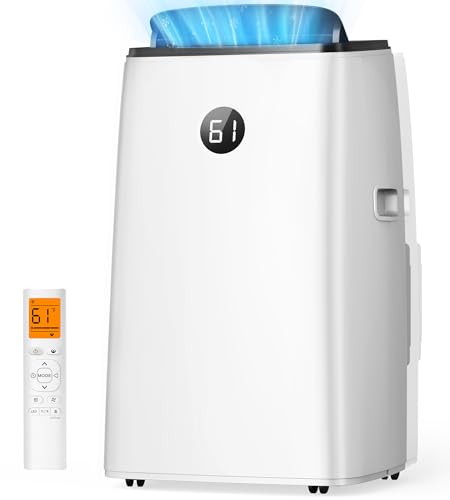
AGTANA 16000 BTU Inverter Portable Air Conditioners

ZAFRO Smart Inverter Portable Air Conditioners 12000 BTU
Whynter’s ARC-1230WN fits the kind of room where you want cooling without babysitting the unit all day. The built-in dehumidifier and auto drain setup make more sense in humid climates, especially in a bedroom or work space where puddles and tank checks are a hassle.
Smart Wi-Fi control adds convenience, and that matters most for daily routines, not just novelty. The trade-off is that connected features are only useful when you actually plan to adjust settings from across the room or away from home.
Highlights
- Wi-Fi control gives you remote adjustment from your phone.
- Auto drain reduces the usual water-management fuss.
- Cooling and dehumidifying together suit muggy summer rooms.
- Fan mode adds a lighter option for mild days.
- The setup is approachable for a first portable unit.
Things To Consider
- Smart features add value most in a routine-heavy household.
- The full benefit shows up in rooms that need dehumidifying too.
- Portable AC placement still matters for venting and hose routing.
Feature Snapshot
Who It Suits Best
You’ll get the most from this pick in a bedroom, den, or home office that sees regular use and moderate humidity.
Where A Sibling Pick Shines
ZAFRO Smart Inverter Portable Air Conditioners 12000 BTU suits a shopper who wants app control with a more compact-feeling setup.
Garvee keeps the feature set simple in a way that works for apartments and home offices. Follow Me sensing and the included remote make it easier to manage comfort from the couch, desk, or bed, which is useful in rooms where you move around a lot.
The 24-hour timer is one of those everyday conveniences that quietly earns its keep. Compared with the Whynter ARC-1230WN, this one leans less into smart-home style control and more into straightforward room-to-room flexibility.
What We Like
- Follow Me sensing helps the temperature track where you are.
- Three operating modes cover cooling, drying, and airflow.
- The timer supports routines like bedtime shutoff or morning startup.
- Remote control makes it easy to adjust from the sofa or bed.
- The window kit supports a cleaner first setup.
Room For Improvement
- The main appeal is strongest in smaller-to-mid-size spaces.
- Remote-based control matters less in rooms you rarely occupy.
- Window-kit installation still calls for careful measuring.
Core Details
Built With In Mind
You’re a strong match for this one in an apartment, studio, or office where convenience matters more than smart ecosystem extras.
Look Elsewhere When
Whynter ARC-1230WN suits you better when you want app-based control and built-in dehumidifying with auto drain.
This Midea model takes a different route from the first two picks, because it’s a window unit rather than a portable floor-standing design. That matters for people who want a more fixed installation and can live with a unit that stays in place through the season.
The heat function gives it a broader role than summer cooling alone, which suits a guest room, den, or rental where you want one appliance to do more of the year’s work. The honest read is that the window format is less flexible to move, but it often feels cleaner once installed.
Bright Spots
- The heat function expands use beyond warm months.
- Smart inverter control helps the unit run more smoothly.
- Quiet operation suits sleeping spaces and shared rooms.
- The remote simplifies small adjustments from across the room.
- Window mounting can free up floor space.
Softer Spots
- The window format is less portable than the other picks.
- Installation takes more planning than a floor unit.
- It fits a different use case than a move-from-room-to-room setup.
Details At A Glance
Best Suited To
You’ll appreciate this most in a room that stays fairly fixed and benefits from both summer cooling and cool-weather heat.
A Better Fit Elsewhere
Garvee 14000 BTU Portable Air Conditioner 3-in-1 makes more sense when you want a unit you can shift between rooms.
Midea’s Duo design leans into quieter portable cooling, and that’s the kind of detail you notice most in bedrooms and work spaces. The dual-hose layout also makes sense for people who want a more deliberate venting setup than a basic single-hose unit.
Its smart and remote control options fit daily use without feeling fussy. Compared with the Garvee, this one looks more like a premium comfort upgrade, though the extra refinement only matters if you care about noise and airflow efficiency.
Reasons To Buy
- Dual-hose design can support steadier room cooling.
- Heat function gives the unit a longer season of use.
- Quiet operation suits late nights and focus-heavy workdays.
- Smart and remote control add flexibility from across the room.
Areas To Watch
- The more advanced layout may feel like overkill in small rooms.
- Dual-hose setups usually demand more careful placement.
- Feature depth helps most when you plan to use it often.
Feature Card
Who Should Grab It
You’ll value this most in a bedroom, study, or living area where quieter operation matters as much as output.
Reach For A Different Pick When
HUMHOLD Inverter 16000BTU Portable Air Conditioners suits a shopper who wants more room coverage and a simpler cooling-first setup.
HUMHOLD is the sort of pick that makes sense once your room stops being “large” and starts feeling genuinely hard to cool. The 16,000 BTU rating and 800 sq. ft. coverage target bigger spaces, so it’s a better fit for open living areas than a cramped bedroom.
The dual-hose design and quiet sleep mode add practical value, especially in homes where the unit runs while people are working or resting nearby. The trade-off is size and setup attention, because larger portable units tend to reward careful placement.
Standout Traits
- Large-room coverage suits open layouts and bigger bedrooms.
- Dual-hose design supports a more serious cooling setup.
- Quiet sleep mode helps overnight use feel less intrusive.
- Dehumidifier and fan modes make it more versatile across seasons.
- Remote control keeps adjustments simple from across the room.
Points To Note
- Big-room performance comes with a larger physical footprint.
- Installation takes a bit more patience than smaller units.
- The unit makes the most sense in places you keep cooling regularly.
Technical Sheet
The Right Fit
You’ll get the best match here in a family room, open-plan apartment, or larger studio that needs steady cooling.
Another Choice May Suit
Gasbye Dual Hose Portable Air Conditioner suits you better if efficiency and lower-noise operation matter more than maximum room coverage.
Gasbye stands out for the kind of spec mix that appeals to energy-conscious shoppers who still want solid cooling muscle. The DC inverter compressor is the key idea here, since DC compression usually aims for smoother speed control than a basic on-off setup.
The 13.6 CEER rating and 45 dB noise figure make this one especially interesting for bedrooms or media rooms, where you notice humming faster than you notice flashy extras. Compared with HUMHOLD, it gives up some room coverage but leans harder into efficiency and lower sound.
Best Bits
- Dual-hose design supports better airflow management.
- DC inverter compressor points toward smoother operation.
- 13.6 CEER is a strong efficiency marker for this category.
- Backlit remote helps in dim rooms and at night.
- The 45 dB noise rating suits quieter living spaces.
Honest Caveats
- Its 500 sq. ft. coverage is more modest than some larger picks.
- The efficiency focus matters most for regular, not occasional, use.
- Backlit remote convenience is nice, but it’s still a remote-first unit.
Core Details
Who Will Love This
You’re the right match here if you care about quieter cooling and expect the unit to run often in a bedroom or study.
Swap It Out When
AGTANA 16000 BTU Inverter Portable Air Conditioners fits better for a shopper who wants more coverage in a larger shared room.
AGTANA takes the bigger-room formula and adds auto swing, which helps distribute air without making you constantly adjust the direction. That matters in living rooms or open-plan spaces where a fixed blast of air can feel uneven.
The self-evaporating design also lowers some upkeep pressure, though it still pays to think about venting and placement from the start. The unit lands in a strong middle ground between HUMHOLD’s bigger-room focus and Gasbye’s efficiency-first angle.
Positives
- 16,000 BTU output suits larger rooms and shared spaces.
- Dual-hose setup helps support more effective cooling flow.
- Self-evaporating design can reduce routine moisture handling.
- Auto swing spreads air more evenly across the room.
- Quiet sleep mode supports overnight use.
Small Caveats
- The larger footprint is part of the package.
- Big-room features make the setup less casual than smaller units.
- Auto swing helps airflow, but it doesn’t replace good vent placement.
Spec Overview
Made For
You’ll be happiest with this in a larger living area, shared den, or open apartment where even air spread matters.
Where Shoppers Go Wrong
ZAFRO Smart Inverter Portable Air Conditioners 12000 BTU is a better match when you want a slimmer-feeling control setup for mixed-use rooms.
ZAFRO is the pick for people who want modern controls without drifting into overcomplicated territory. The app and remote setup make it easy to adjust from a sofa, desk, or bed, and the drainage-free cooling design reduces one more recurring chore.
Its 42 dB quiet mode also makes sense for work spaces and sleeping areas, especially when you want cooling that fades into the background. Compared with the Gasbye, it feels a little more lifestyle-friendly and a little less focused on efficiency numbers.
Plus Points
- App control gives you another way to manage settings.
- Remote operation keeps daily use straightforward.
- Drainage-free cooling lowers maintenance attention.
- 42 dB quiet mode suits calmer rooms.
- Dual-hose design supports a more capable cooling layout.
Areas To Watch
- The 8,000 BTU SACC figure puts it in a more modest class than some larger picks.
- App control is most helpful when you actually use phone-based management.
- It works best in rooms where a lighter footprint matters.
Feature Rundown
Whose Shelf It Belongs On
You’ll get the best match here in a bedroom, study, or mixed-use room where app control feels more useful than raw output.
Hidden Buying Traps
AGTANA 16000 BTU Inverter Portable Air Conditioners is the better fit when your room is larger and you want more air movement.
How To Choose The Right Portable Inverter Air Conditioners
Match Output To Room Size And Layout
BTU tells you how much cooling a unit can deliver, but room shape matters just as much. A long living room with open doorways asks more of a machine than a closed bedroom with steady shade.
The 16,000 BTU picks in this list make more sense for larger shared spaces, while the 12,000 to 14,000 BTU models fit bedrooms, offices, and apartments more naturally. You get better comfort when the unit is sized for the room you actually live in, not the room on paper.
Choose The Right Control Style
Remote control is enough for plenty of homes, but app control and Wi-Fi help when you adjust settings from another room or after you leave for the day. Smart control feels less exciting than it sounds, yet it pays off in routines that repeat every week.
Follow Me sensing also deserves attention because it shifts focus toward where you’re sitting, not just where the unit is parked. That matters in home offices and bedrooms where your position changes but the comfort goal stays the same.
Think About Noise And Sleep Use
Noise figures like 42 dB or 45 dB give you a useful clue, though room acoustics still affect what you hear. A quieter unit becomes more valuable in a nursery-style setup, a study with calls, or a bedroom that stays occupied for long stretches.
Dual-hose and inverter designs often appeal to people who want steadier operation with less strain. The trade-off is that these systems can cost more and take a little more care during installation.
Don’t Skip Drainage And Setup Details
Dehumidifying is a real benefit in sticky climates, but it can also mean more attention to water handling. Auto drain and self-evaporating designs reduce some of that work, which is a nice relief during long humid spells.
Window kits, hose routing, and available floor space deserve a look before purchase. A well-sized unit still frustrates you if the venting path is awkward or the body blocks the part of the room you use most.
Things Worth Knowing First
Mistakes Worth Dodging
Plenty of shoppers focus only on BTU and forget the room layout, which is how an oversized unit ends up underused or an undersized unit runs too hard. Noise is another easy miss, especially in bedrooms where a few extra decibels matter more than they do in a garage or utility room.
Setup gets overlooked too, and that’s where venting and window compatibility can turn a good purchase into a frustrating one. A portable AC still needs space, planning, and a clear exhaust path.
What The Higher Tier Buys
More expensive models usually spend the money on inverter compressors, dual-hose layouts, quieter operation, and smarter controls. Those details can feel minor on a product page, then become the reason the unit feels easier to live with in a real home.
The upgrade makes sense when the unit runs daily, sits near sleeping space, or needs to cool a larger area with less effort. For occasional use in a spare room, a simpler unit often makes more sense.
Frequently Asked Questions
What Size Room Can Portable Inverter Air Conditioners Handle?
BTU and coverage claims give you the first clue, but room shape and sunlight exposure still matter. Larger open layouts usually need the bigger 16,000 BTU class, while bedrooms and offices often fit 12,000 to 14,000 BTU models better.
Are Dual-Hose Units Better Than Single-Hose Designs?
Dual-hose designs can move air more efficiently and often feel better suited to larger spaces. The trade-off is a more involved setup, so you’ll want to weigh convenience against performance.
Do Smart Features Matter In Daily Use?
They matter most when you change settings often, leave the house, or want control from bed or a desk. In a simple guest room, a basic remote often covers the need just fine.
Is A Window Unit Or Portable Unit Better?
A window unit usually stays put and can free up floor space, while a portable unit gives you more flexibility. The better choice comes down to whether you move the cooling around or want a more fixed installation.
How Important Is Noise For Bedrooms?
It matters a lot in spaces where you sleep, work, or relax in silence. Lower dB ratings and sleep modes help, but the room’s own echo and the venting setup still affect what you hear.
Closing Thoughts
You’ve got a good mix here, from smart portable units to a window model that pulls double duty with heat. The right choice depends less on flashy feature lists and more on how your room is laid out, how often you’ll run the unit, and whether quiet comfort or raw coverage matters most. For smaller rooms, the Garvee and ZAFRO options feel easy to live with, while the HUMHOLD and AGTANA picks make more sense once the space gets larger. Match the unit to your room, and the rest gets much simpler.
